1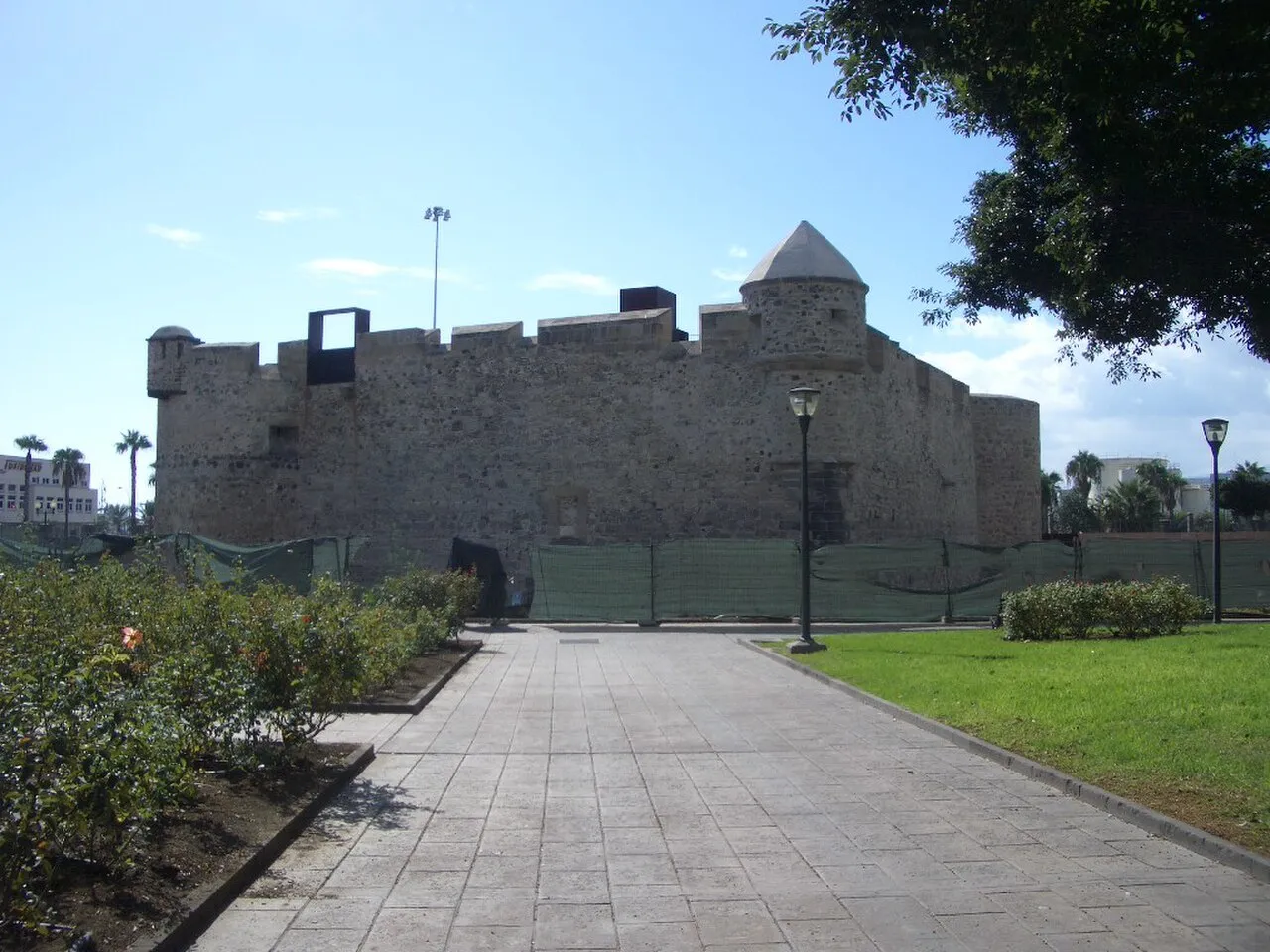
La Luz Castle
📍 Harbour area
The oldest fortress in the Canary Islands, from 1494. It drove off Drake in 1595. Today it houses the foundation of the sculptor Martín Chirino, born in this neighbourhood.
In 1883 work began on the Puerto de la Luz and in twenty years the city changed from top to bottom. Almost everything came out of it: tourism, the Art Nouveau façades and even the football.
🎧 On the walk Santa Catalina, the port and the Castle of the LightAlmost everything that defines Las Palmas today — the open character, the mix of people, the Art Nouveau façades of Triana, the oldest hotel in the Canary Islands and even the taste for football — comes from a political decision taken in Madrid at the end of the nineteenth century. This is the story of how a harbour reinvented a city.
For centuries this was only the bay of Las Isletas, a natural anchorage where ships sheltered under the lee of the rock. It was the only place on the whole coast where they could take cover from the wind and the sea.
To defend it the La Luz Castle was raised, the oldest fortress in the Canary Islands: a wooden fort in 1478, when Juan Rejón landed to begin the conquest, and on top of it a stone tower in 1494.
It certainly had work to do. In 1595 it drove off the English squadron of Drake and Hawkins, and that victory, attributed by the people to the Virgen de la Luz, gave it its name. Four years later there was less luck: in 1599 Van der Does's Dutch fleet took the city, sacked it and set it on fire.
The detail almost nobody notices is that this tower defended the water's edge and today the sea is far away: it was the harbour itself, taking land from the water, that left the old castle inland.
The oldest fortress in the Canary Islands, from 1494. It drove off Drake in 1595. Today it houses the foundation of the sculptor Martín Chirino, born in this neighbourhood.
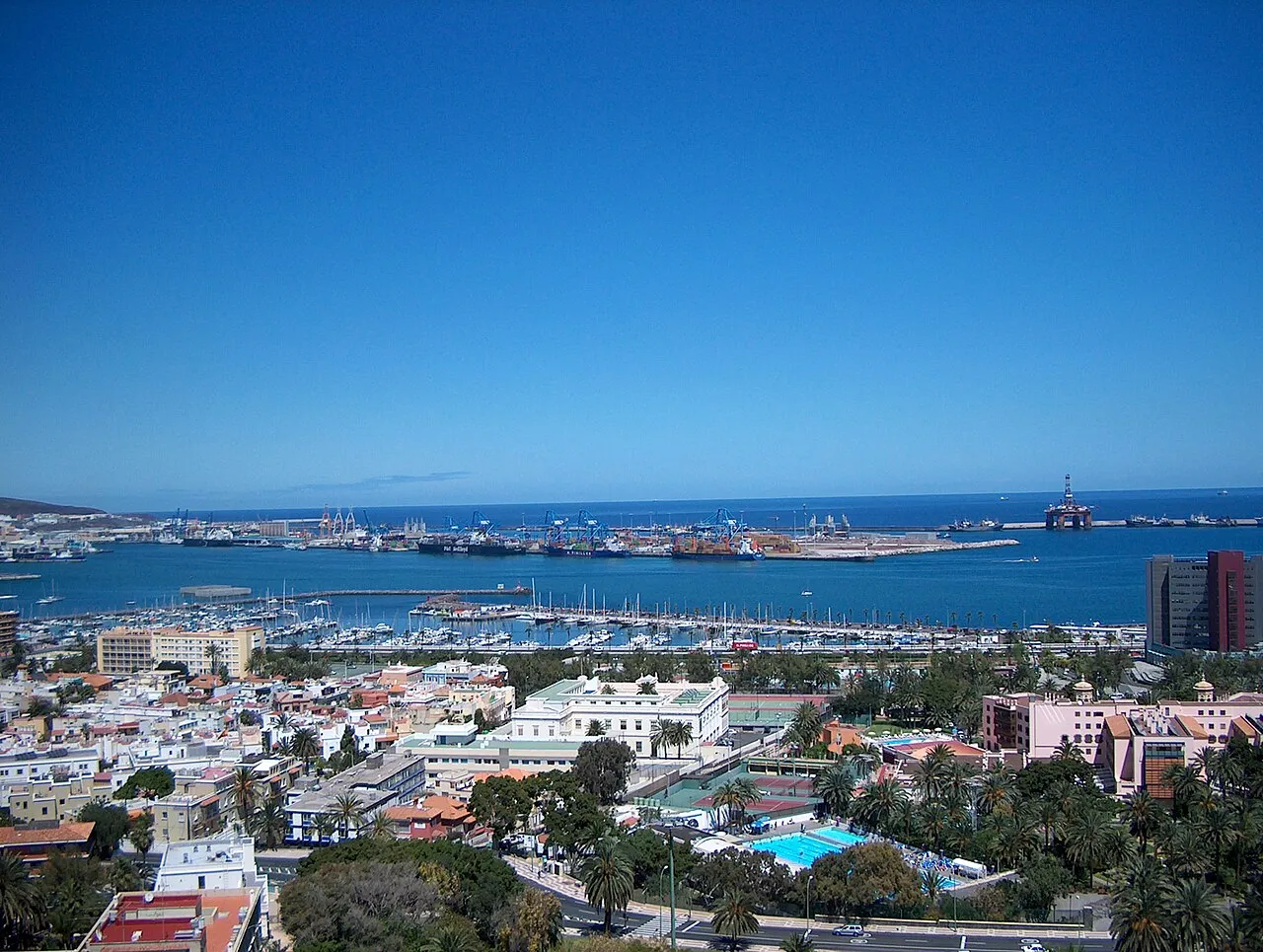
Work begun in 1883 and completed in 1903. It turned the city into one of the great coaling stations of the Atlantic.
Download the app and discover Las Palmas offline, whenever you like. Take the walking tour Santa Catalina, the port and the Castle of the Light with a local guide in your ear.
Find out more about Viavoy →The leap came thanks to two brothers from Gran Canaria: Fernando de León y Castillo, a government minister, and his brother Juan, an engineer. Fernando pulled the political strings from Madrid and Juan designed the works, and together they convinced the State to build a great harbour of refuge here.
The works began in 1883, they were carried out by the British firm Swanston and they were declared complete in 1903. Things went well for the brothers: Fernando ended up as Spain's ambassador in Paris for years and the Crown gave him the title of Marqués del Muni for negotiating the borders of Spanish Guinea with France.
From then on the change was brutal. Las Palmas became one of the great coaling stations of the Atlantic: steamers from half the world stopped here to refuel before crossing the ocean.
With them came British companies, consuls, banks and an avalanche of people from everywhere. This city's taste for football was brought precisely by the English coal men, as happened in Huelva, in Bilbao and in Vigo.
And tourism, earlier than you might assume: the first Victorian travellers, wealthy people who came to spend the winter escaping the cold and the coughing. To house them the Hotel Santa Catalina opened in 1890, the oldest in the Canary Islands still in operation.
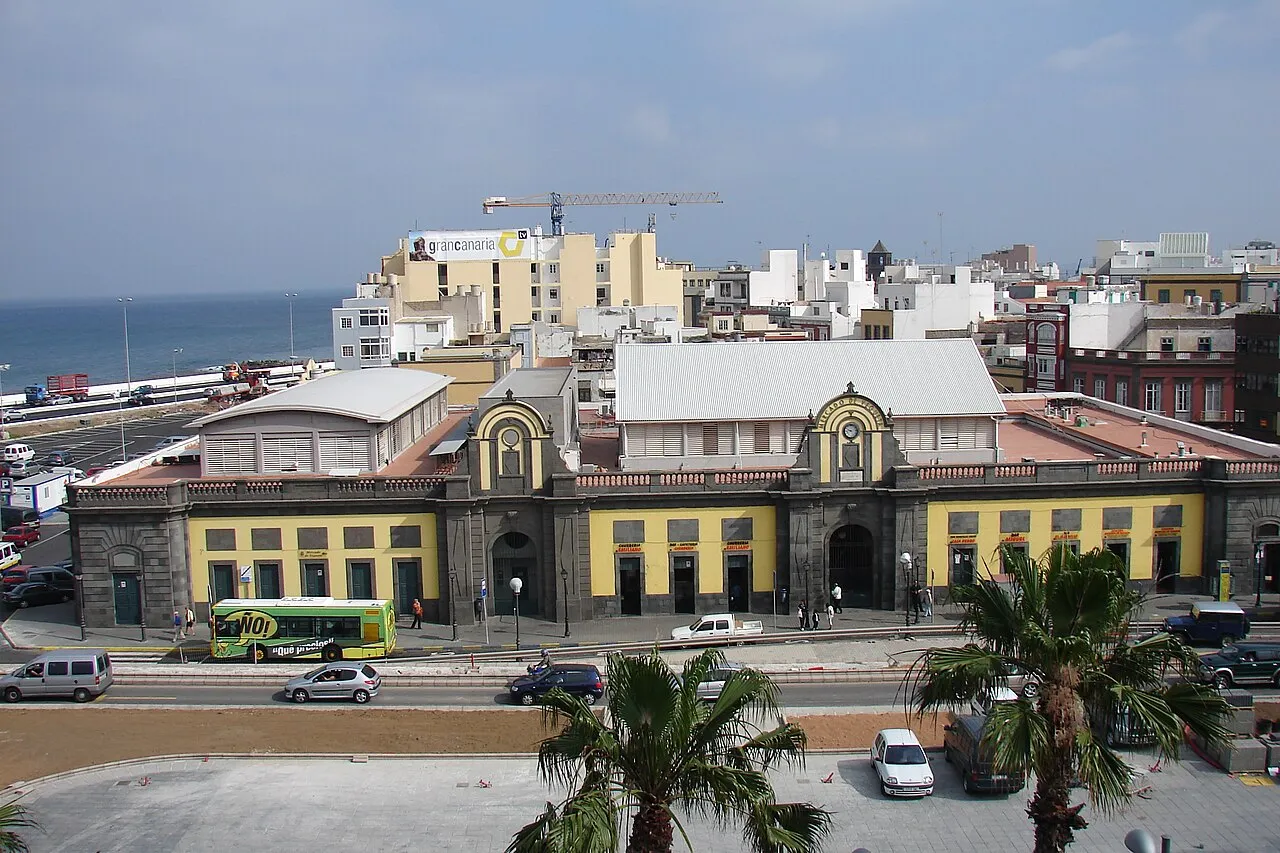
The other great business was bananas. The Elder Museum today occupies what was the warehouse of the British shipping line Elder Dempster Lines, founded in 1878 and established here in 1884, which loaded Canarian fruit bound for Great Britain.
The idea came from the English businessman Sir Alfred Jones, who ran these shipping lines from Liverpool: to fill with Canarian bananas the holds of ships that were coming for coal anyway. In northern Europe the banana was an almost exotic luxury.
Before the banana there was another unusual monoculture: cochineal, an insect that lives on prickly pear cactus and from which an extremely expensive red dye was extracted, highly prized in nineteenth-century Europe. When chemical dyes sank it, bananas and tomatoes arrived to take over.
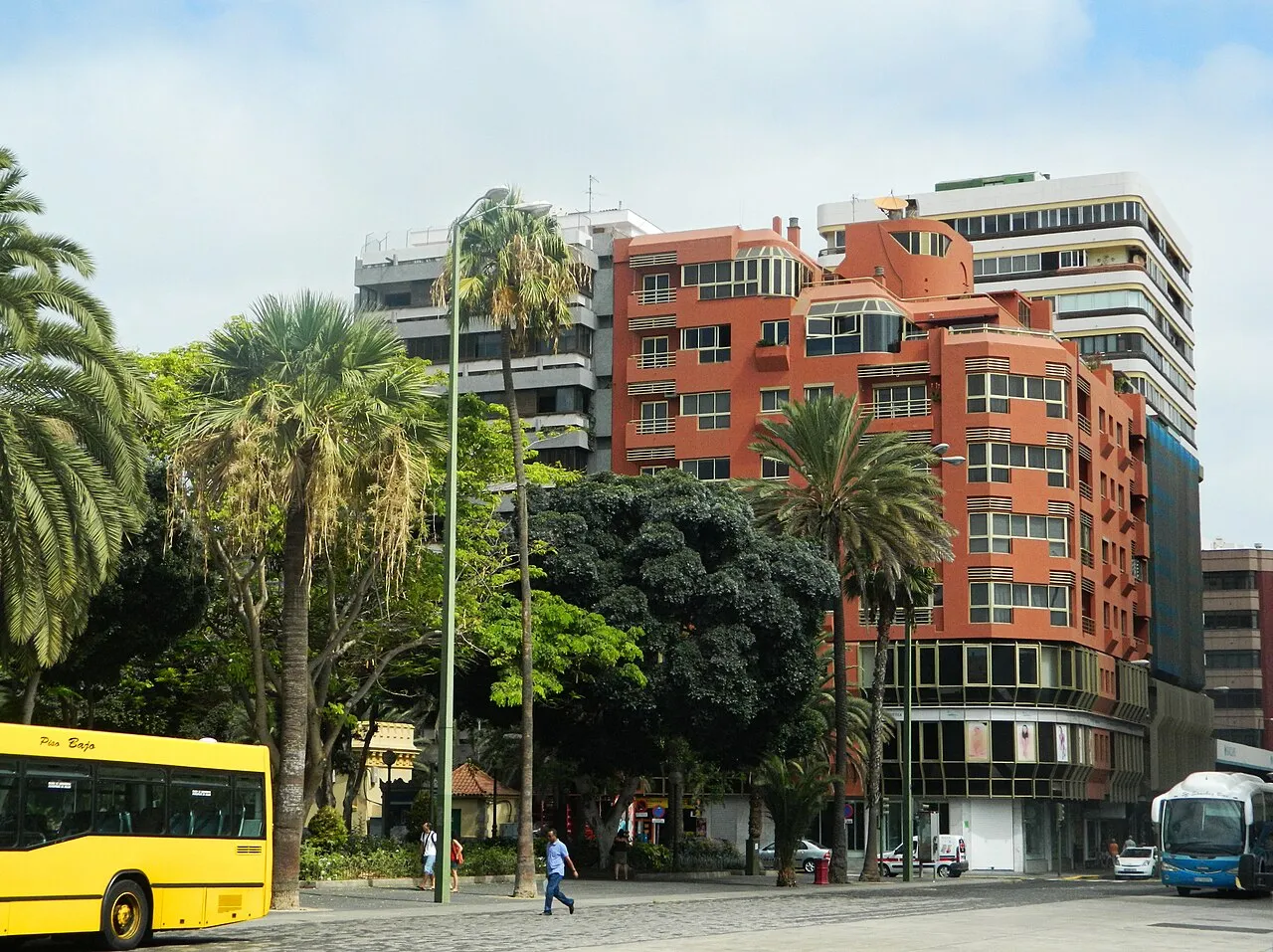
With that money the Art Nouveau façades of the Calle Mayor de Triana were raised, and the villas of Ciudad Jardín, where the harbour bourgeoisie settled. Without the harbour there is neither one nor the other.
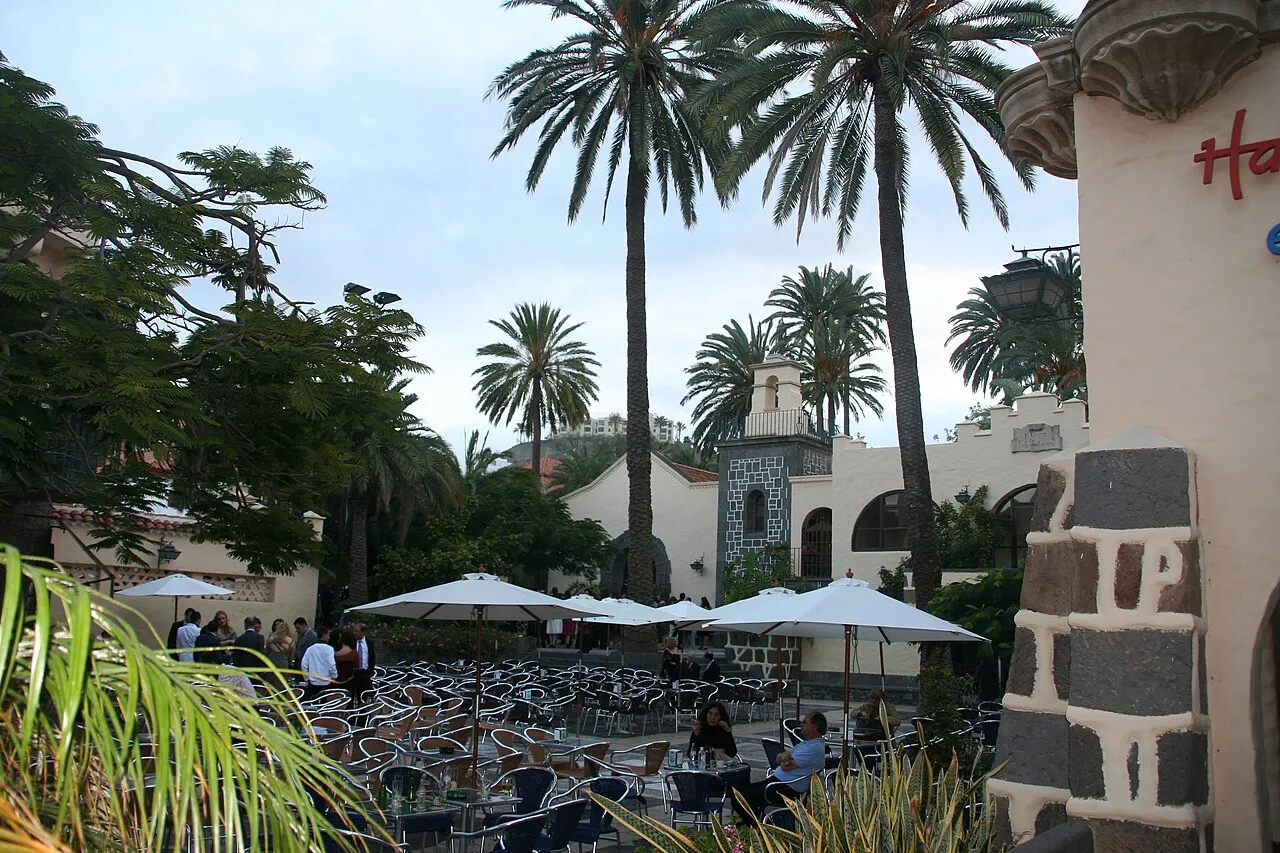
And what was left was the Santa Catalina Park, which was born with the quay in the eighteen-eighties and is still the point where the city mixes, today with the Carnival and WOMAD instead of with sailors under every flag.
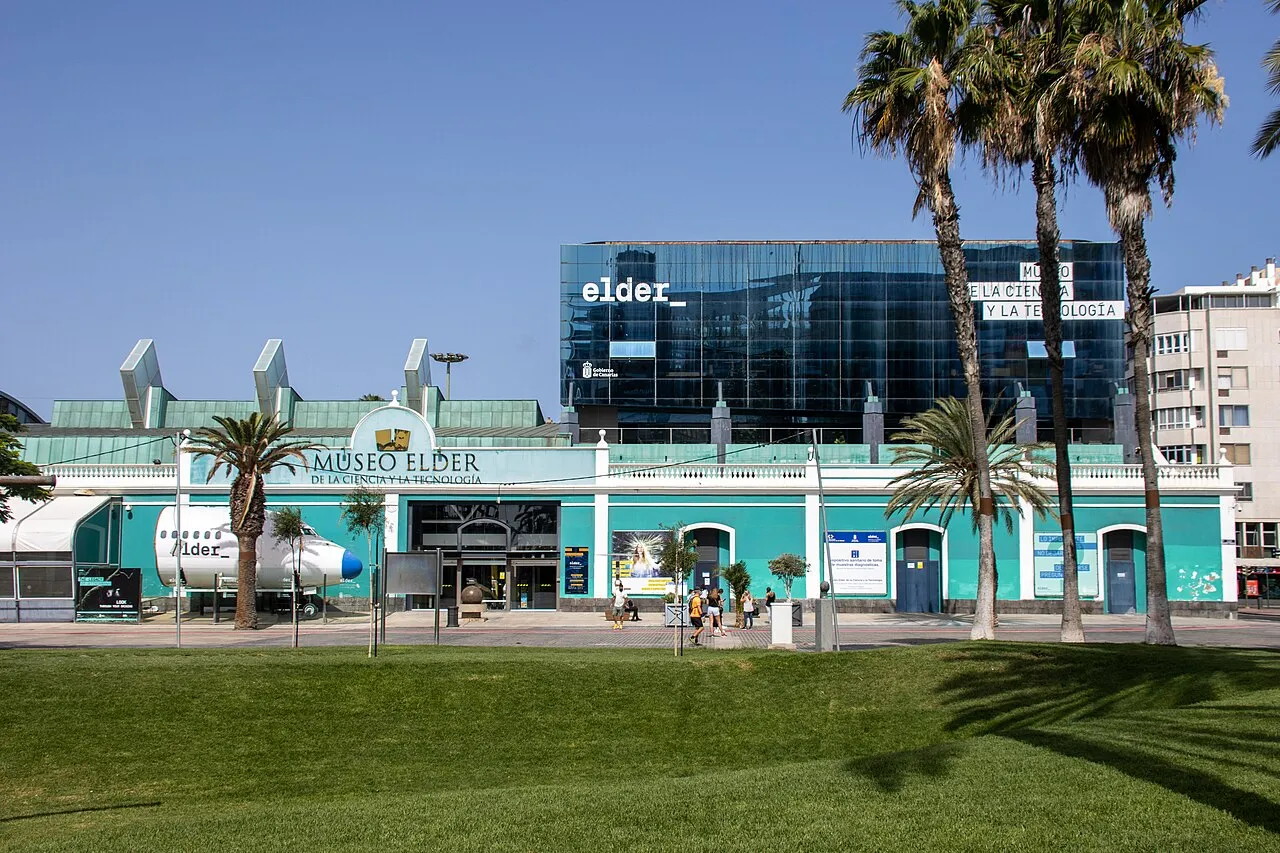
A banana warehouse of the British shipping line Elder Dempster turned in 1999 into a science museum where you touch everything. Ideal with children.
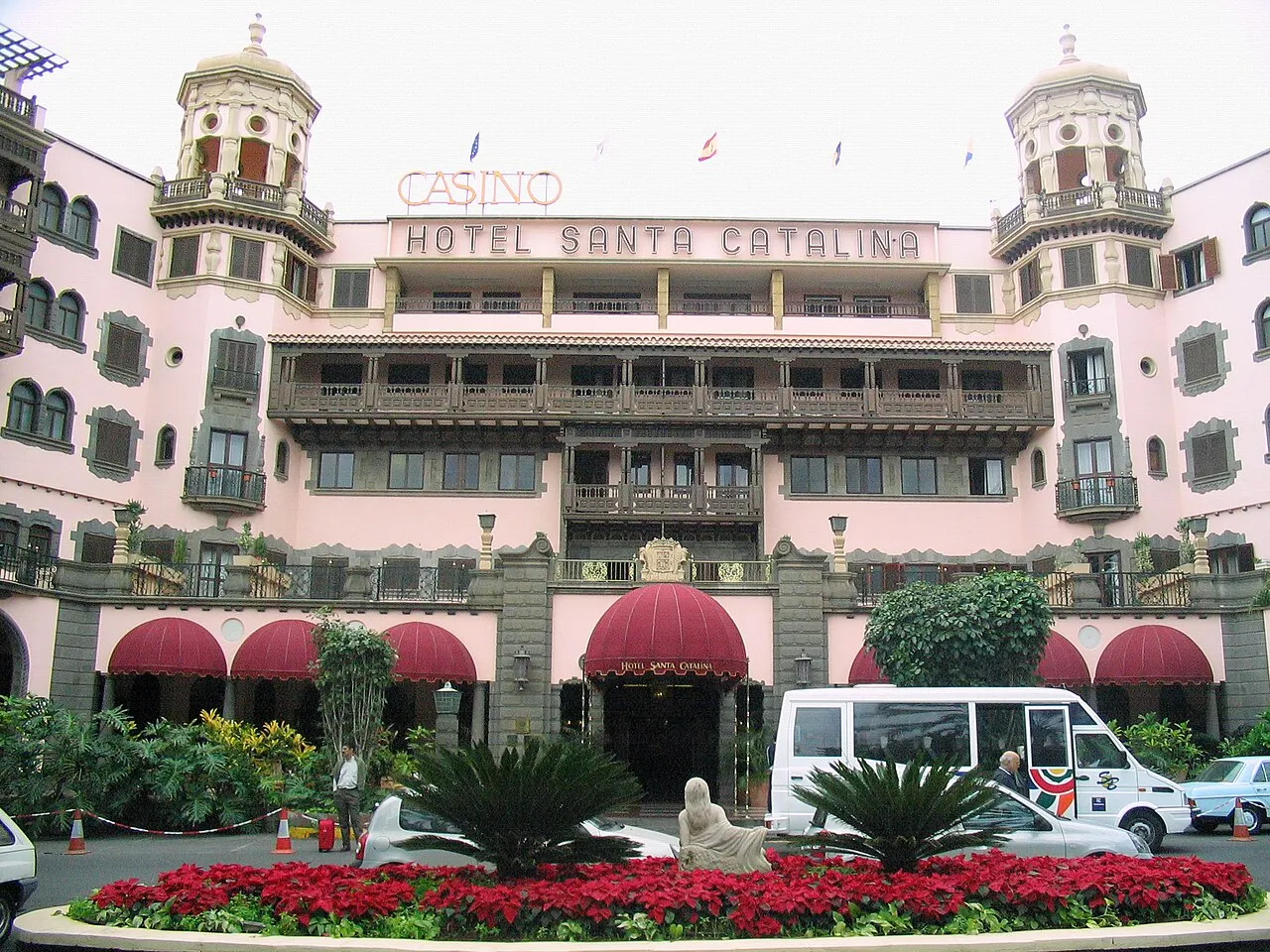
Opened in January 1890 with English capital to house European “invernantes”, the winter residents. The oldest hotel in the Canary Islands still in operation.
The works began in 1883 and were declared complete in 1903. They were pushed politically by Fernando de León y Castillo, a government minister from Gran Canaria, his brother Juan designed them as an engineer, and the British firm Swanston carried them out. In twenty years the city changed from top to bottom.
A harbour where steamers took on coal before crossing the ocean. Las Palmas became one of the great ones in the Atlantic, and with those ships came British companies, consuls, banks and an avalanche of people from everywhere who gave the city its cosmopolitan character.
Yes, and it is not an isolated case: the same happened in Huelva, Bilbao and Vigo, all harbour cities with a British presence tied to nineteenth-century trade. The English workers and sailors played on the quays and the enthusiasm caught on among the locals.
Because the sea went away from it. The tower, raised in 1494, defended the shore of the bay of Las Isletas, but the harbour works and the successive infills took so much ground from the water that today it sits embedded among streets. It is a very visual example of how much the city has grown out over the sea.
An unusual and very profitable monoculture: cochineal is an insect that lives on prickly pear cactus and from which an extremely expensive red dye was extracted, highly prized in nineteenth-century Europe. When chemical dyes sank it, bananas and tomatoes arrived to take over. With that money the Art Nouveau façades of Triana were raised.
Because they grew wonderfully here and in northern Europe they were an almost exotic luxury. The key was the English businessman Sir Alfred Jones, who ran the shipping lines from Liverpool and had the idea of filling with bananas the holds of ships that were coming for coal anyway. His warehouse is today the Elder Museum.
The Castillo de la Luz, which today houses the foundation of the sculptor Martín Chirino; the Elder Museum, in the old banana warehouse, turned into an interactive science museum; the Parque de Santa Catalina, born with the quay; and the Hotel Santa Catalina, opened in 1890 for the first English tourists.
Download Viavoy and walk Las Palmas offline, whenever you like.

Keep reading