1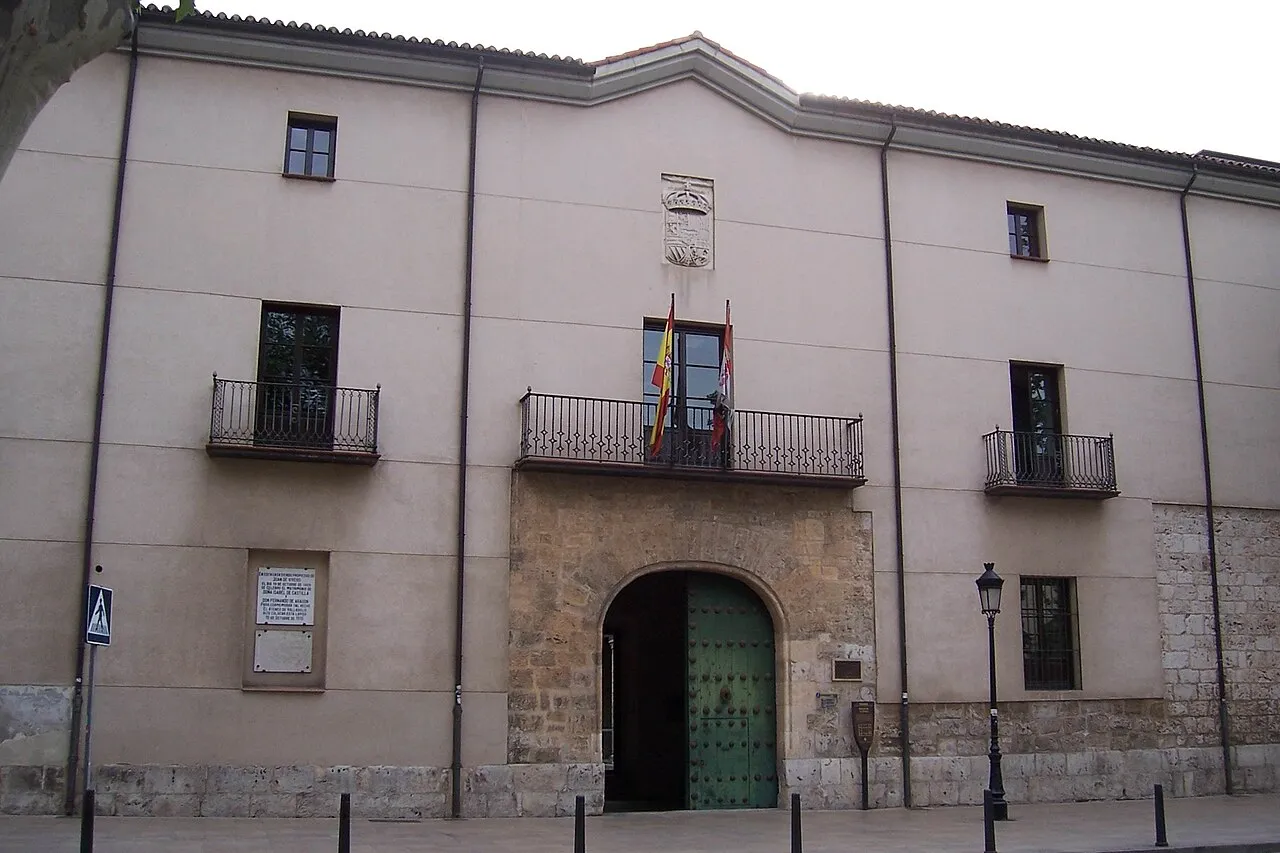
Vivero Palace
📍 Old town
Where Isabella and Ferdinand married in 1469. Afterwards it was the Real Chancillería, the royal high court, and today it holds the Provincial Historical Archive.
The Catholic Monarchs married in secret here, Philip II was born, Columbus died and Cervantes lived. And then power left for Madrid and never came back.
🎧 On the walk San Pablo, San Gregorio and the Sculpture MuseumFew Spanish cities pack so much decisive history into so few streets. And almost all that density comes from the same thing: Valladolid came close to being the capital of Spain, was the capital for five years and then stood watching power walk away.
On 19 October 1469, in the Palacio de los Vivero, Isabella of Castile and Ferdinand of Aragon were married. And everything about that union was irregular.
Ferdinand had to enter Castile disguised as a servant, passing himself off as a mule-boy in his own retinue, because Castile and Aragon were full of enemies of the union and if he had been identified it could have ended very badly.
They were cousins, and without a papal dispensation the marriage was invalid. They used a forged bull in order to marry as soon as possible. The genuine one did not arrive until 1471, with the intervention of the legate Rodrigo Borgia, the future pope Alexander VI.
The palace had been built around 1440 by Alonso Pérez de Vivero, royal accountant, whose life ended in tragedy: he was murdered in 1453 by being thrown from a tower, and the scandal precipitated the fall and beheading of don Álvaro de Luna in the Plaza Mayor.
Where Isabella and Ferdinand married in 1469. Afterwards it was the Real Chancillería, the royal high court, and today it holds the Provincial Historical Archive.
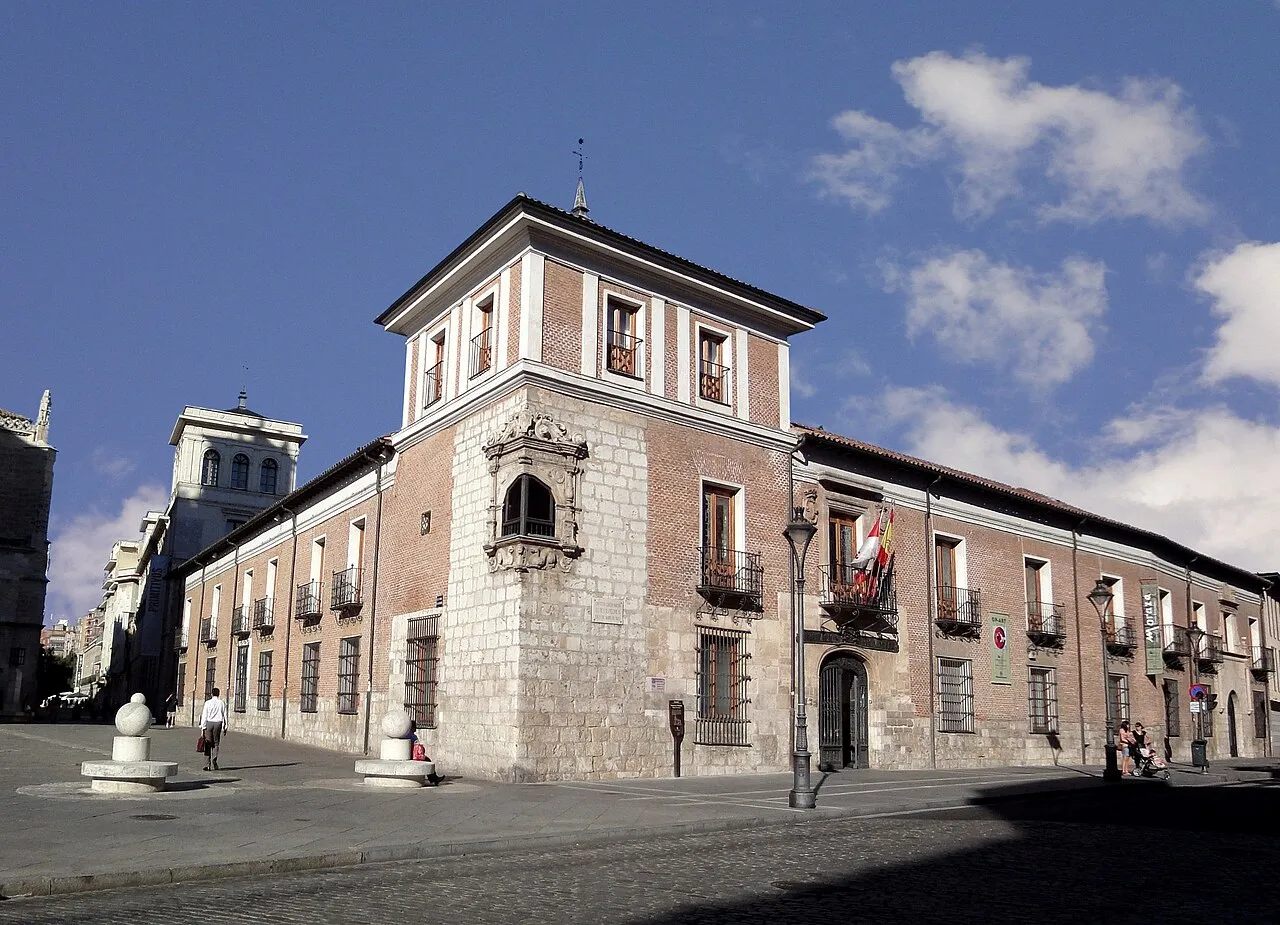
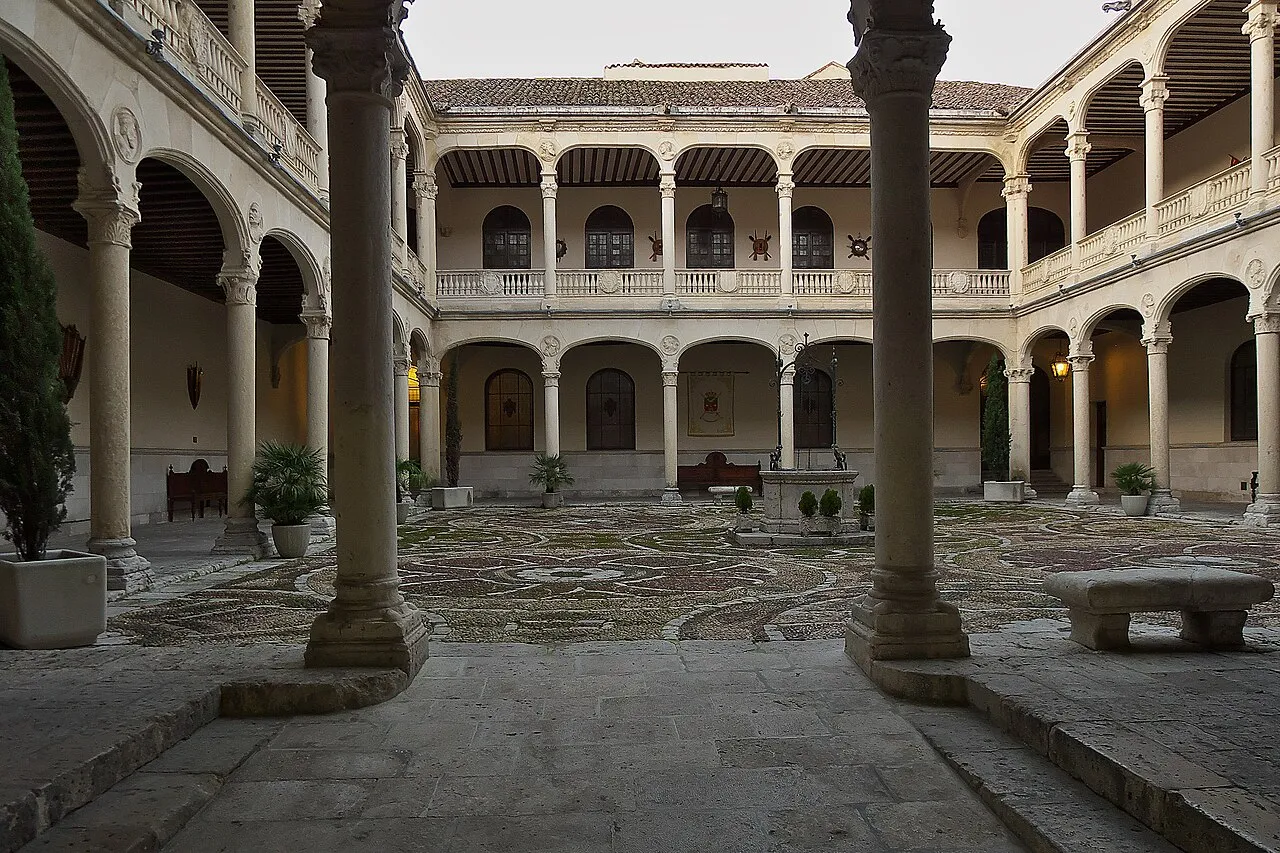
Where Philip II was born on 21 May 1527, between humble walls of mud covered in brick. Today it is the seat of the provincial council.
Download the app and discover Valladolid offline, whenever you like. Take the walking tour San Pablo, San Gregorio and the Sculpture Museum with a local guide in your ear.
Find out more about Viavoy →Philip II was born on 21 May 1527 in the Palacio de Pimentel, a solid, earthy building of mud covered in brick, which today is the seat of the provincial council. His mother was the empress Isabella of Portugal, who governed Spain as regent while Charles V waged war across Europe.
Philip IV was born on 8 April 1605 in the Palacio Real, along with his sister Anne of Austria, who would marry Louis XIII of France and be the mother of Louis XIV, the Sun King.
Both were baptised in the church of San Pablo, a few metres away, that mountain of carved stone that impresses more than the cathedral.
And there lies the city's great irony: Philip II, born here, was precisely the king who in 1561 fixed the capital in Madrid for good. The city of his birth was left watching power walk away.
The return was brief. In 1601 the all-powerful duke of Lerma, Philip III's favourite, convinced the king to move the entire court from Madrid to Valladolid, and the Palacio Real became its seat.
There are those who maintain that Lerma did it not out of love for the city, but because he had bought half of Valladolid and expected to make a fortune from the rise in land values. In 1606 the court went back to Madrid, after the town of Madrid had made its own offers too.
In those five years the plaza de San Pablo was the political centre of an empire, with ambassadors parading and courtly festivities watched from the balconies of the palaces.
And in those same years Miguel de Cervantes lived here, in a modest house on calle del Rastro, just as he published the first part of Don Quixote. He ended up in jail because a gentleman was stabbed to death at his door.
Before him, another enormous name: Christopher Columbus died in Valladolid on 20 May 1506, poor and tangled up in lawsuits with the crown, in an inland city far from any coast. A museum recalls his figure.
Seat of the court between 1601 and 1606, when the city was the capital of Spain. Philip IV was born here and Napoleon slept here in 1809.
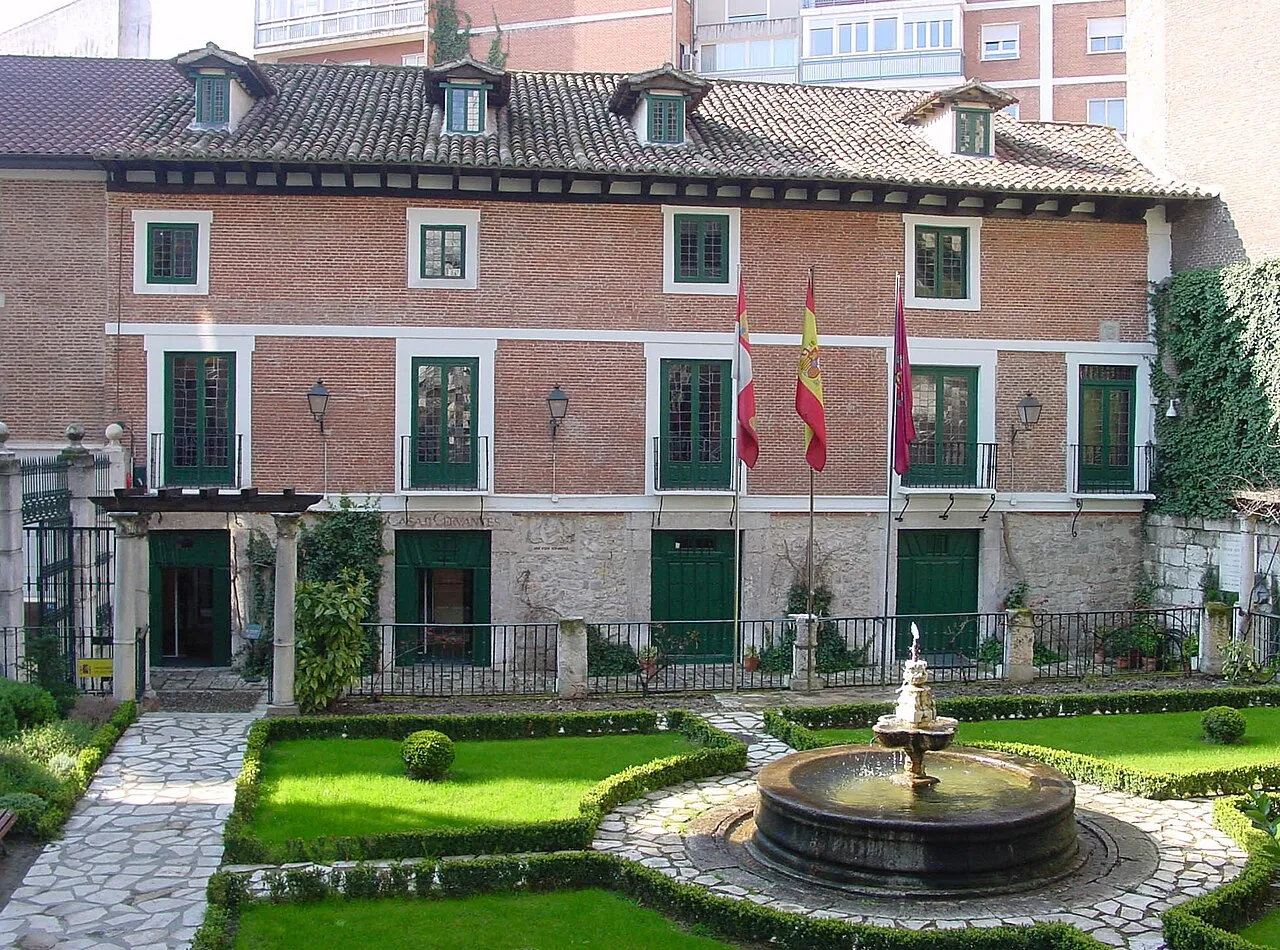
He lived here between 1604 and 1606, with the court installed in the city, just as the first part of Don Quixote came out.
Officially between 1601 and 1606, when the duke of Lerma, Philip III's favourite, convinced the king to move the court from Madrid. Before that it had been the habitual seat of the Castilian court for a good part of the sixteenth century, without formal capital status, because the court moved from place to place.
Officially for political convenience. But there is a less noble explanation that gets repeated a lot: the duke of Lerma had bought half of Valladolid and expected to make a fortune from the rise in land values. In 1606 the court went back to Madrid, after the town of Madrid had made its own offers too.
In the Palacio de Pimentel, on 21 May 1527, a solid, earthy building of mud covered in brick that today is the seat of the provincial council. He was baptised in the church of San Pablo, a few metres away. His mother was the empress Isabella of Portugal, who governed Spain as regent.
Yes. Isabella and Ferdinand were cousins and needed a papal dispensation, which they did not have. They used a forged bull so that they could marry in 1469, and the genuine one did not arrive until 1471, granted by Sixtus IV with the intervention of his legate Rodrigo Borgia, the future pope Alexander VI.
Yes, on 20 May 1506, poor and tangled up in lawsuits with the crown. The house where he died disappeared centuries ago, but the city raised a museum in his memory. His remains would afterwards make four more journeys: Seville, Santo Domingo, Havana and Seville again.
The whole San Pablo quarter, which is the best inheritance: the square as the courtyard of honour of a court, with the church of San Pablo, the Palacio Real, the Palacio de Pimentel and the Colegio de San Gregorio. All of that was raised to impress, and it still works.
Valladolid entered a long decline from which it only recovered in the nineteenth century with the arrival of the railway and industry. That standstill explains why its old town preserves so much: there was no money to transform it, and what had been built in the centuries of splendour stayed as it was.
Download Viavoy and walk Valladolid offline, whenever you like.

Keep reading