San Isidro: the most Madrid day of the year
Festivals and traditions · Madrid

San Isidro: the most Madrid day of the year

Chulapos, rosquillas, barrel organs and a meadow full of people: the guide to the festivities of 15 May.

9 min read · Updated for the season
🎧 On the walk Tapas: La Latina & El Rastro

Some cities celebrate a king, a warrior or a martyred saint. Madrid celebrates a farmhand. San Isidro was a twelfth-century labourer who worked the lands of the Vargas family in the town, so devout that — tradition has it — angels ploughed for him while he prayed. That a capital of palaces and kings should have a peasant as its patron says a great deal about the character of this city, and 15 May proves it: for a long week, Madrid puts on its shawl, brings out the barrel organ and goes down to the meadow to picnic on the ground.

The big day is 15 May, but the festival programme takes up almost a week, with free concerts, verbenas (street parties) and activities across the city. Almost everything is free to attend.

Who San Isidro was and why Madrid loves him so much

Isidro de Merlo y Quintana was born in Madrid at the end of the eleventh century and worked all his life as a farm labourer. He married María Toribia, who also ended up a saint — Santa María de la Cabeza — and two miracles are told of him that every madrileño knows: that angels ploughed the field while he prayed, and that his small son fell into a well and the water rose of its own accord to the brim to return him safe and sound. He was canonised in 1622, in a record-breaking ceremony in which Rome proclaimed five figures saints in one go, four of them Spanish.

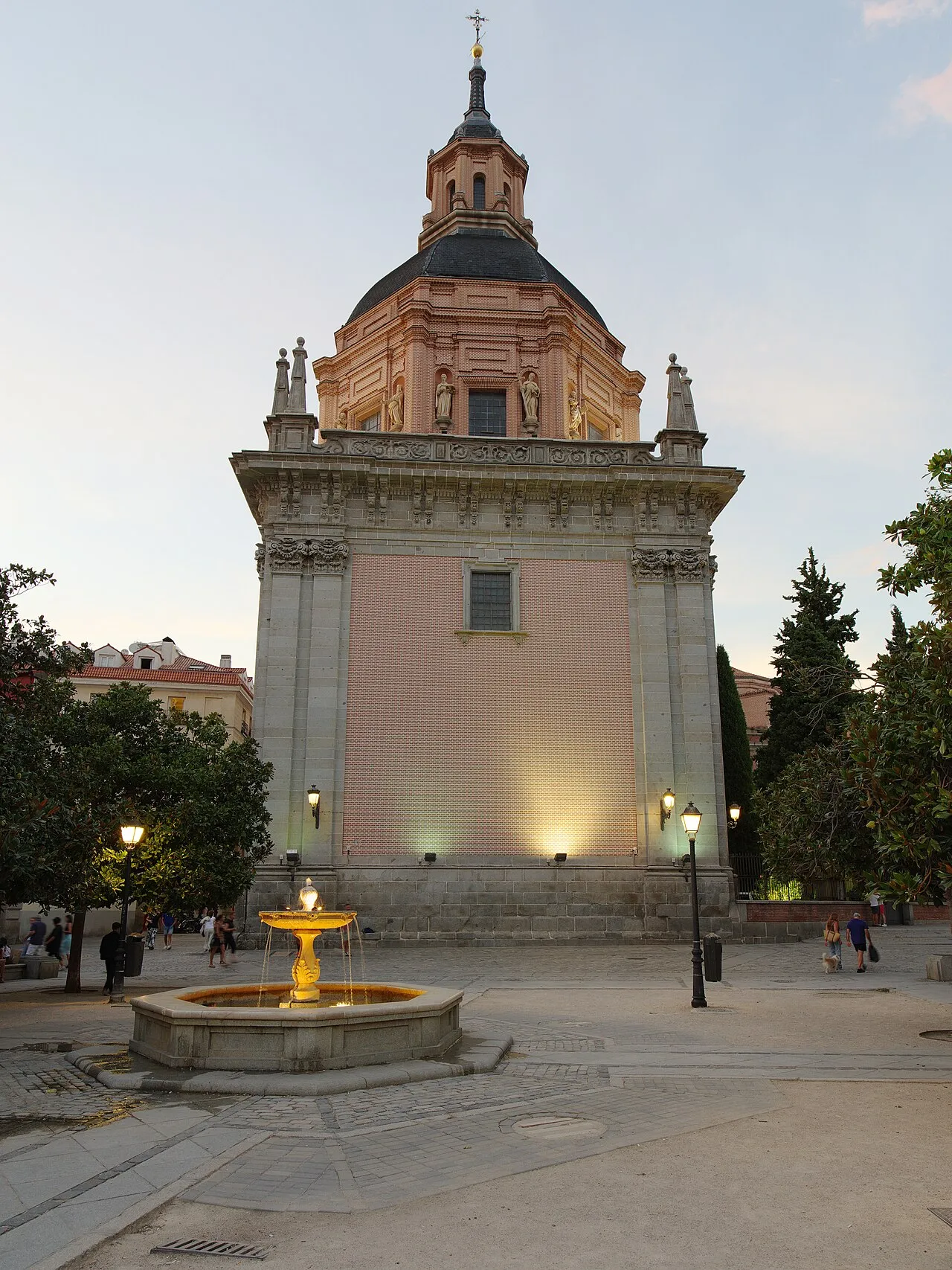
His body, which popular devotion holds to be incorrupt, rests in the Colegiata de San Isidro on calle de Toledo, although the church most bound up with his story is the church of San Andrés, in La Latina, next to the house where he lived. Beside it is the Capilla del Obispo, which the Vargas family built in the sixteenth century precisely to house his remains; the neighbouring parish was not prepared to let go of such a treasure and a lawsuit lasting years ensued. In the end the saint stayed in San Andrés. Beauty and devotion tangled up in a good neighbourly squabble: pure Madrid.

And then there is the hermitage. On the bank of the Manzanares, facing the centre, stands the hermitage of San Isidro with its fountain, whose water has been reputed to be miraculous for centuries. Around it stretches the meadow that Goya painted in 1788 in “The Meadow of San Isidro”, today in the Prado: a picture that still describes with astonishing precision what happens there every 15 May.

🎧 With Viavoy

Explore Madrid at your own pace

Download the app and discover Madrid offline, whenever you like. Take the walking tour Tapas: La Latina & El Rastro with a local guide in your ear.

Find out more about Viavoy →

Where San Isidro is lived

The meadow, La Latina and the viewpoints south of the centre.

The festival has two capitals. One is the meadow of San Isidro, across the river, where from first thing in the morning people spread blankets on the grass, eat rosquillas and queue at the hermitage to drink the water from the fountain. The other is the La Latina–Las Vistillas axis in the old town, where the verbena stages are set up, the chotis is danced and the taverns cannot keep up.

The municipal programme also spreads free concerts across the city — usually in the Plaza Mayor, the Jardín de las Vistillas and the Parque de San Isidro — with line-ups mixing castizo music, pop and flamenco. There are no passes: everything is free entry until capacity is reached.

1Las Vistillas

Las Vistillas

📍 Jardines de Las Vistillas

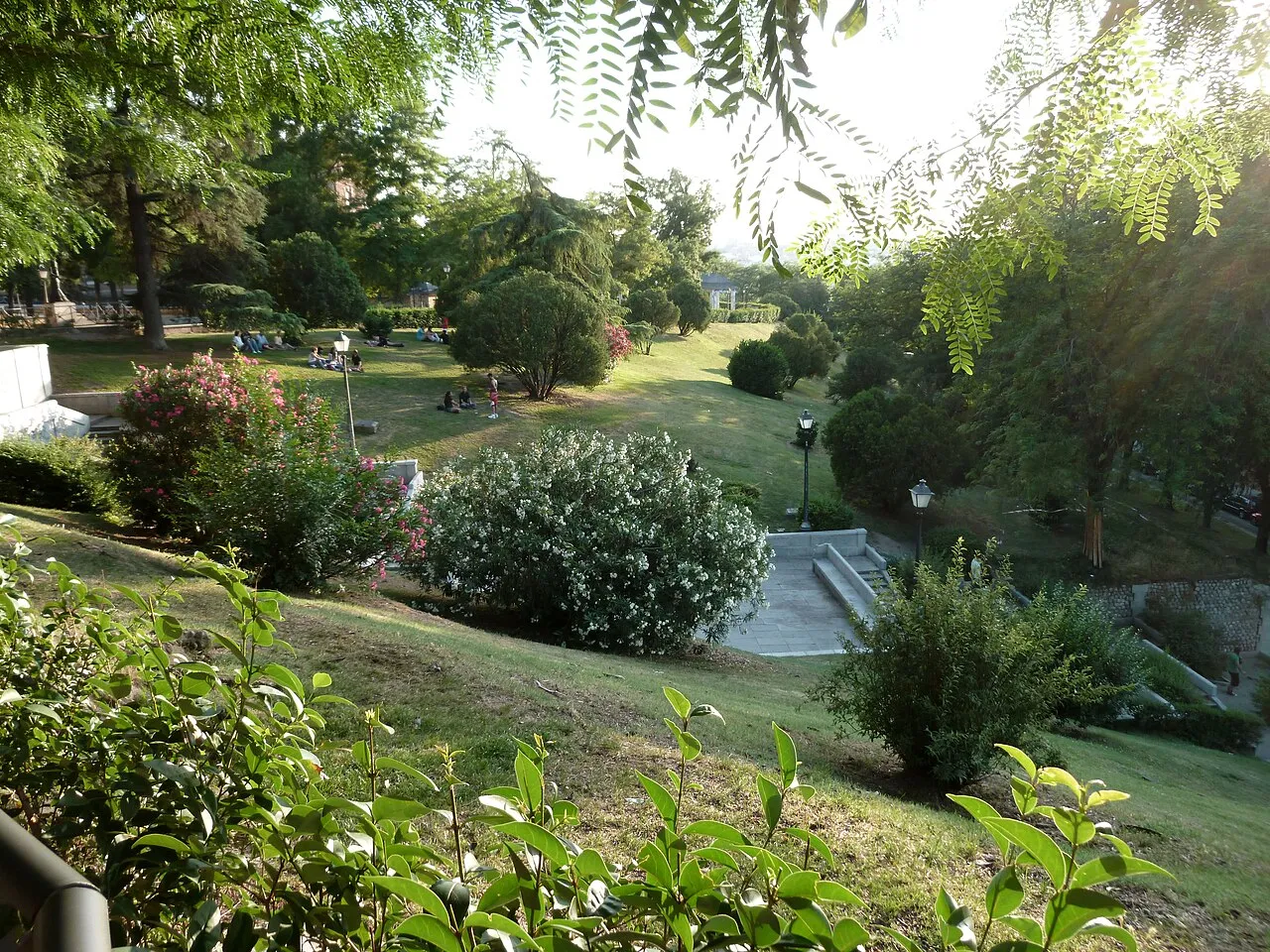
The castizo epicentre of the festival. These gardens hanging over the ridge, with views of the cathedral, the viaduct and the Sierra de Guadarrama in the background, are one of those viewpoints tourists almost never set foot in and madrileños adore. During San Isidro they fill with terraces, barrel organs, orchestras and dancing until the small hours: it is one of the few places where the Madrid of zarzuela still beats. Go at sunset, when the light over the ridge is among the best in the city, and don't expect to find anywhere to sit.

2Iglesia de San Andrés and Plaza de la Paja

Iglesia de San Andrés and Plaza de la Paja

📍 La Latina

The corner where the saint lived. Around the church of San Andrés — one of the oldest parishes in Madrid — cluster the Capilla del Obispo, a Gothic-Renaissance gem that was closed for decades and could not be visited again until 2010, and the Plaza de la Paja, the prettiest medieval square in old Madrid, on a slope and without a single right angle. During the festival, this whole triangle fills with stalls and people dressed as chulapos.

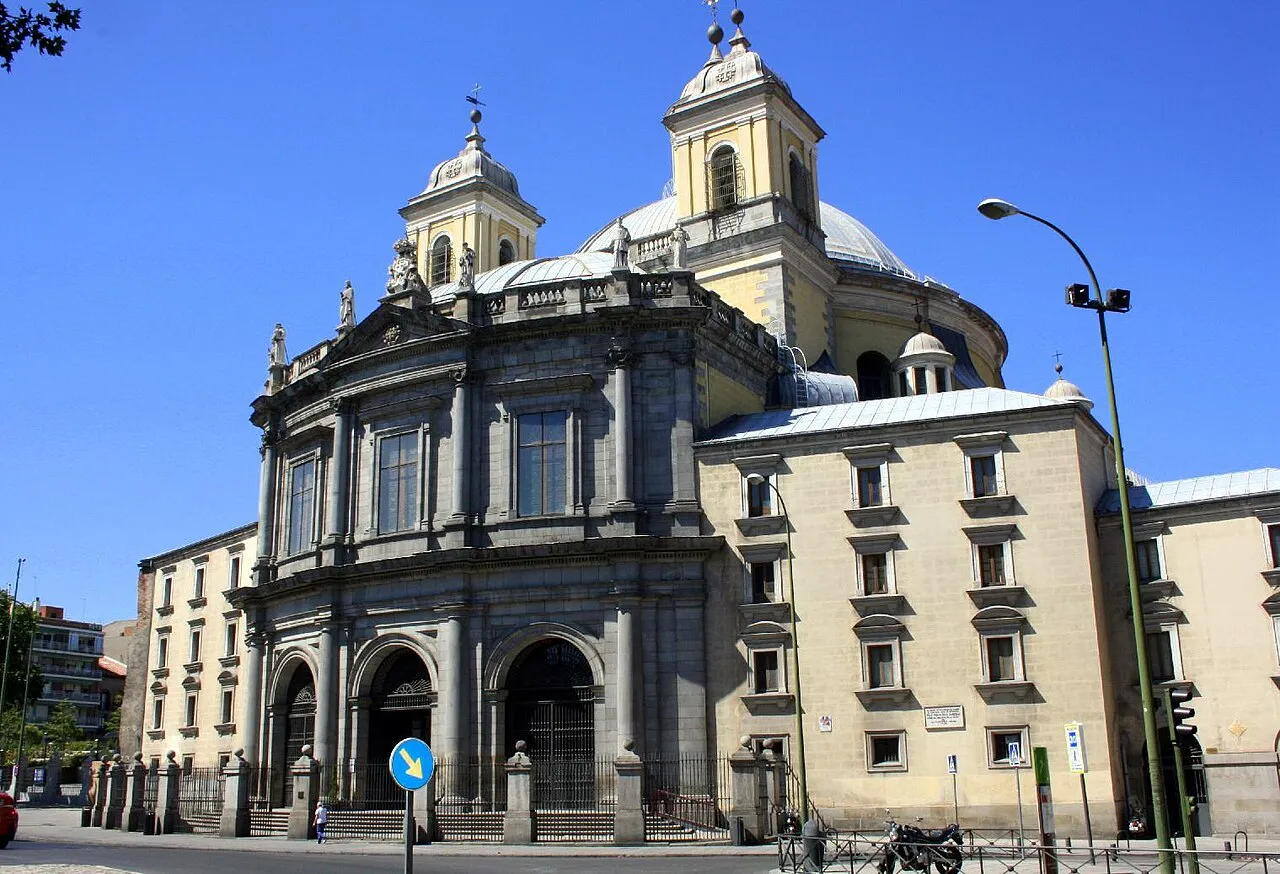
3Basílica de San Francisco el Grande

Basílica de San Francisco el Grande

📍 San Francisco el Grande

Two streets from the festival, the largest dome in Spain — thirty-three metres across, wider than St Paul's in London — painted like a sky. In a side chapel hangs an early Goya, “Saint Bernardino of Siena”, in which the painter put himself among the crowd looking straight at you. It is a stop for silence and cool in the middle of the din, with a token entrance fee and limited visiting hours outside Mass.

4Plaza Mayor

Plaza Mayor

📍 Centro

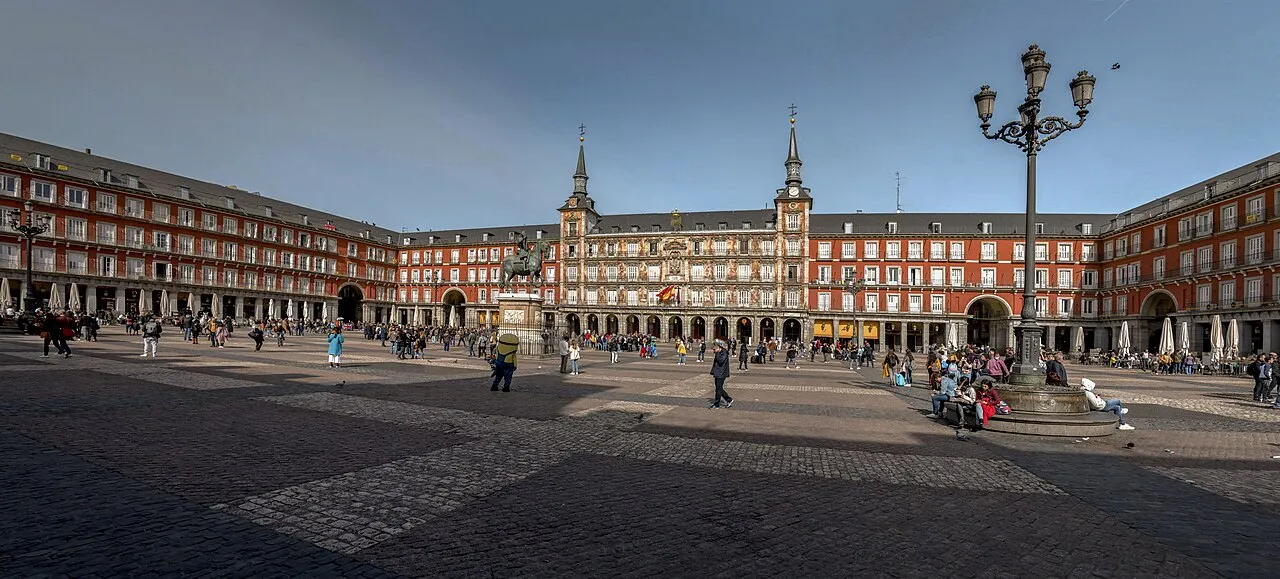
During San Isidro, Madrid's great open-air drawing room recovers its historic function: for centuries everything happened here, from bullfights to the proclamation of kings, with the balconies turned into boxes. During the festival a stage is set up and free concerts, dances and parades are programmed, along with the traditional mass chotis. Arrive early if you want to be at the front, and take the chance afterwards to go down through the Arco de Cuchilleros to the taverns of the Cava Baja.

5Meadow and hermitage of San Isidro

Meadow and hermitage of San Isidro

📍 Carabanchel · bank of the Manzanares

The popular heart of the festival and the setting of Goya's painting. You get there by metro (line 5, Marqués de Vadillo station, or line 6 to Puerta del Ángel) and from first thing there is a romería, a pilgrimage-cum-picnic: blankets on the grass, tortilla, rosquillas, wafers and a very long queue in front of the hermitage fountain to drink the saint's water. It is the most authentic plan and also the most crowded on 15 May: go in the morning, take a hat and water, and don't expect to find shade.

15 May: shawl, carnation and chotis
The big day

15 May: shawl, carnation and chotis

The chotis is Madrid's dance and the easiest to recognise: the chulapa turns around her partner while the chulapo barely moves, pivoting on a single floor tile with his hands behind his back. It is danced to the sound of the organillo, the hand-cranked barrel organ that was the soul of the verbenas a century ago and still comes out into the street for San Isidro. The costume has its rules too: a Manila shawl and flowered headscarf for the women, a waistcoat, checked flat cap and carnation for the men. You don't need to dress up to take part, but seeing it danced for real, at eleven at night in Las Vistillas, is something else.

🎧 On the tour Tapas: La Latina & El Rastro

What is eaten and drunk at San Isidro

Rosquillas, snails and limonada: the festival menu.

The rosquillas del santo are the official sweet and come in four varieties every madrileño can tell apart: the “tontas” (silly ones), plain, just fried dough; the “listas” (clever ones), coated in a lemon-and-sugar glaze; the Santa Clara ones, covered in a dry white meringue; and the “francesas”, with chopped almond on top. They are sold in pastry shops all over the centre for the two weeks beforehand and at the stalls on the meadow on the day itself. A dozen costs around 12-18 € depending on the shop.

The other classic of the season is caracoles a la madrileña: snails slow-stewed with chorizo, a little ham, tomato and chilli, until the sauce turns thick and calls for bread. They are eaten standing at the bar and have been festival street food for over a century. And to drink, limonada madrileña, which has little of lemonade about it: red wine with lemon, sugar and chopped fruit, served very cold. Careful, it goes down easily and goes to your head.

If you want the full plan without leaving the neighbourhood, head down to the Cava Baja or the Plaza de Cascorro: the taverns of La Latina make a killing in May and most bring out a special festival menu.

6Casa Amadeo “Los Caracoles”

Casa Amadeo “Los Caracoles”

📍 Plaza de Cascorro, 18

A bar where time stopped, for the better: it opened in 1942 and still smells of paprika and bay leaf from the corner. Order the usual, the ración of spicy snails in a sauce that calls for bread, and wash them down with a well-poured caña. It is the most castizo aperitif of the Rastro and one of the compulsory stops of San Isidro, when the snail becomes the city's dish. Around 10-12 € a ración; it is eaten standing up and admits neither hurry nor bookings.

7The Cava Baja in festival mode

The Cava Baja in festival mode

📍 La Latina

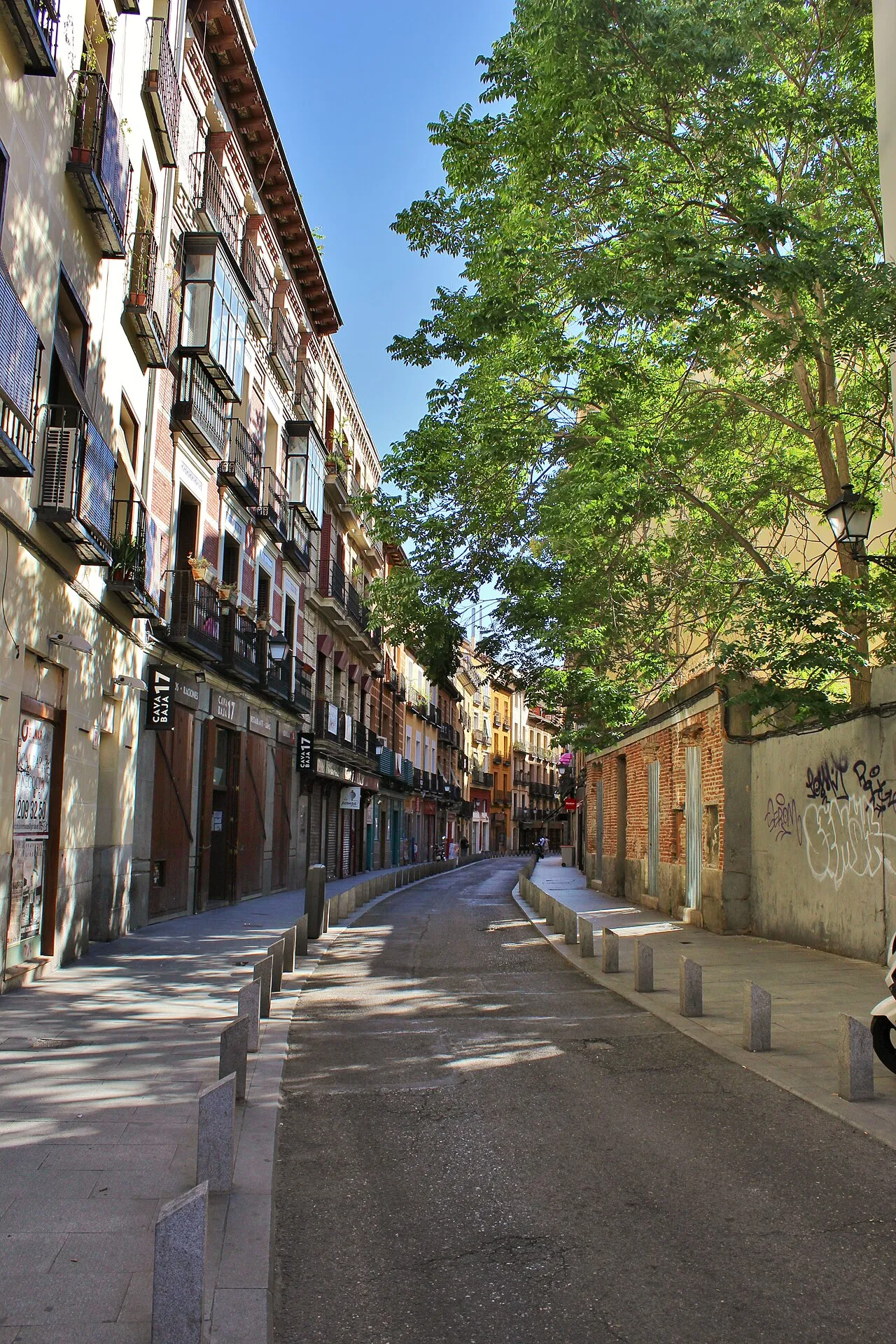
The street with more taverns per metre than any other in Spain, once the moat of the wall and later a muleteers' road with its inns. During San Isidro you do it bar by bar, without sitting down, with people spilling into the street and the chotis playing in the background. Reckon on 3-5 € per stop for a caña and a tapa. Tip: start early, around seven, because from nine onwards you cannot get into any of the good ones and the tables have been booked for weeks.

8San Miguel Market

San Miguel Market

📍 Plaza de San Miguel

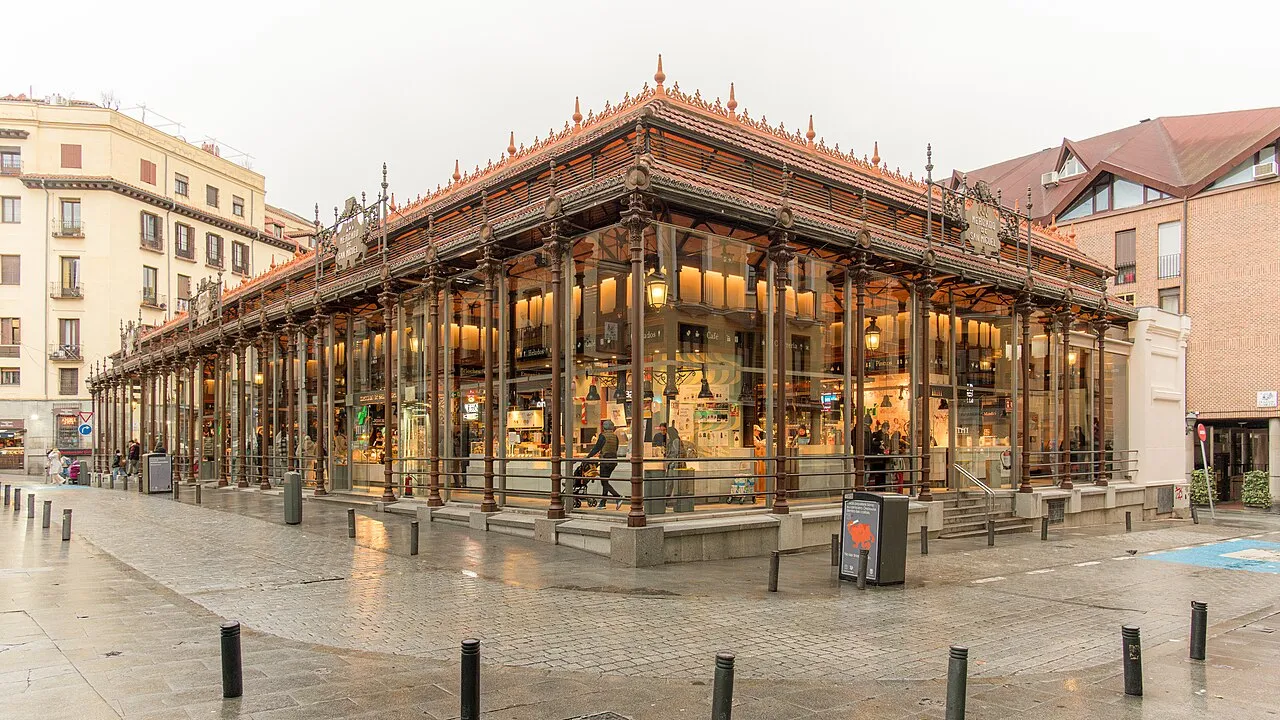
If you are coming from the meadow and want a comfortable stop before the verbena, this iron-and-glass market from 1916 works well: it is on the way between the Plaza Mayor and La Latina and opens late. It is expensive and very touristy — madrileños rarely come — but a glass of vermouth on tap with its olive while watching the bustle does the job perfectly. To eat properly, walk a hundred metres down the Cava de San Miguel.

Frequently asked questions

When is San Isidro celebrated in Madrid?

The big day is 15 May, a local public holiday in the city, but the municipal festival programme extends roughly a week before and after, with free concerts, verbenas and activities spread across every district. The full programme is published every year at the end of April.

What do people do at San Isidro?

In the morning, a romería on the meadow of San Isidro: a picnic on the grass, a queue at the hermitage fountain to drink the saint's water, and stalls selling rosquillas and wafers. In the afternoon and evening, verbenas in Las Vistillas and in the Plaza Mayor, where the chotis is danced to the sound of the barrel organ. And in between, snails and limonada in the taverns of La Latina.

What are rosquillas del santo?

The festival's typical sweet, in four varieties: the “tontas”, just fried dough; the “listas”, with a lemon glaze; the Santa Clara ones, covered in white meringue; and the “francesas”, with chopped almond. They are sold in pastry shops in the centre for the two weeks beforehand and at the stalls on the meadow on 15 May. A dozen costs around 12-18 €.

Is the meadow of San Isidro worth going to?

If you are looking for the authentic popular festival, yes: it is the same setting Goya painted in 1788 and it still works the same way, with blankets on the ground and queues at the fountain. Go in the morning, take a hat and water, and be clear that it is packed and there is little shade. If you prefer something calmer, stay in the old town.

Do you have to pay for the San Isidro concerts?

No. The concerts in the municipal programme are free until capacity is reached, as are the verbenas and the parades. You only pay for what you consume at the stalls and in the taverns. It is by far the cheapest big festival in Madrid.

Can you do the San Isidro route on your own?

Yes, and at any time of year: San Andrés, the Capilla del Obispo, the Plaza de la Paja, Las Vistillas and the Colegiata on calle de Toledo can be walked in an hour. With Viavoy you can do it with a local guide in your ear, at your own pace and offline: the route “Tapas: La Latina & El Rastro” covers a good part of this itinerary.

How to enjoy San Isidro without the stress

Three tips from someone who has done it many times. One: split the day. The meadow works in the morning — romería, rosquillas, the queue at the fountain — and the old town in the late afternoon and evening, when the verbenas of Las Vistillas and the Plaza Mayor get going. Trying to do both at midday, in thirty degrees and with no shade, is the recipe for exhaustion.

Two: 15 May is a local public holiday, so a good part of the shops close and public transport is reinforced but packed. Get around by metro (lines 5 and 6 for the meadow, line 5 for La Latina) and forget the car altogether: there are road closures all around the old town from first thing.

And three: if crowds are not your thing, the rest of the festival week offers practically the same with half the people. The free concerts, the parades and the neighbourhood verbenas are spread from the previous weekend to the following one, and the rosquillas are sold in the pastry shops for a fortnight. You can even do the saint's route on your own any afternoon in May: San Andrés, the Capilla del Obispo, Las Vistillas and the Colegiata on calle de Toledo can be walked in an hour and tell the whole story.

How to plan it

The weekend beforeThe programme kicks off: opening speeches, parades and the first verbenas. The pastry shops in the centre are already selling rosquillas del santo.
15 May · morningRomería on the meadow of San Isidro: picnic on the grass, queue at the hermitage fountain and wafer stalls. Metro Marqués de Vadillo or Puerta del Ángel.
15 May · afternoonBack to the centre: San Andrés and the Plaza de la Paja, snails in Cascorro, tapas along the Cava Baja.
15 May · nightVerbena in Las Vistillas and free concerts in the Plaza Mayor. Chotis, barrel organ and dancing until the small hours.

Practical information

WhenThe big day is 15 May (a local public holiday in Madrid). The festival programme takes up roughly the week before and after.
How much it costsPractically nothing: concerts, verbenas and the romería are free to attend. You only pay for what you eat and drink.
Getting to the meadowMetro line 5 (Marqués de Vadillo) or line 6 (Puerta del Ángel), then about 10 minutes on foot. In the centre, line 5 (La Latina) for Las Vistillas.
What to eatRosquillas tontas, listas, de Santa Clara and francesas; caracoles a la madrileña; limonada (red wine with lemon, sugar and fruit).
With childrenBetter the morning on the meadow and the neighbourhood parades. The night-time verbenas at Las Vistillas get very crowded.
Watch out forThe midday heat with no shade on the meadow, the road closures throughout the old town and the bookings: the Cava Baja fills up weeks ahead.
On the map

🎧 With Viavoy

Walk Madrid and listen at your own pace

Download Viavoy and walk Madrid offline, whenever you like.

from 2,99 €· one-off payment
City Pass · 9,99 €3 days, all the tours in Madrid
Find out more about Viavoy →
Viavoy app

Keep reading

More articles

Neighbourhoods

La Latina and the Rastro: a guide to Madrid at its most castizo

Food & drink

Tapas routes in Madrid: three bar-to-bar crawls

Festivals & traditions

Christmas in Madrid: lights, markets and traditions

What to see

The Madrid of the Habsburgs on foot: a route through the old town