Toledo cooking comes from dry farmland and from hunting, with two very marked inheritances: that of the convents, which gave the sweets, and that of the meseta, which gave the long stews. It is not a gastronomy of ostentation or of expensive produce; it is one of making the most of things and of time. And it has a dish that sums up the whole city and that almost nobody arriving from outside knows by name.
Workshop marzipan is made only with almond and sugar, no flour and no potato. If the price seems too good or the texture is soft and uniform, it is not the real thing. The historic workshops are inside the old town and you notice it at the first bite.
Carcamusas, and why they are called that
The city's tavern dish.
It is a stew of diced pork, cooked slowly with tomato, onion, peas and a hint of chilli, served in an earthenware dish with bread. It appears in practically every tavern in the old town and it is what the people of Toledo eat when they go out for something to eat.
There are several explanations for the name and none of them settled. The one most often repeated in the city says it was coined in a bar in the centre in the mid twentieth century, playing on the two kinds of customer who ordered it: the older ladies, “carcas”, and the young women, “musas”. It is probably apocryphal, but it is the story people tell.
You order it as a tapa or as a full portion, and it is one of those dishes where the difference between a good one and a mediocre one lies in the cooking time: if the meat does not fall apart, it is not ready. Look for it in taverns in the old town and not on the terraces of the tourist axis.
The rest of the tavern cooking revolves around it: Manchego cheese cured in oil, morcilla de Toledo, cochifrito and the traditional duelos y quebrantos, that scramble of egg with pork scratchings and chorizo that appears on the first page of Don Quixote.
The old medieval market, whose street names are the guild map of the city: the offal trade here, the blacksmiths and the tanners around it. Today it is an area of shops and restaurants, and it is worth slipping into the side streets to escape the tourist menus.
One of the city's historic marzipan workshops, with more than a century of activity. The difference from the industrial product is immediate: only almond and sugar, a grainy texture and none of that flat sweetness of the factory version. The little figures and the anguila are the classics.
Castilla-La Mancha is one of the regions with the strongest hunting tradition in Europe, and that translates directly onto the menus. Stewed or pickled partridge is the benchmark dish, cooked slowly with vinegar, bay and pepper until it falls apart, and served hot or cold depending on the house.
In season, which runs roughly from October to February, venison, wild boar and rabbit also appear, almost always stewed or braised. This is not griddle cooking: game asks for long cooking and fat, and that is where the local tradition is most firmly settled.
The other strong product is Manchego cheese, made from sheep's milk, with a denomination of origin and in several degrees of curing. The one cured in oil is the one to order if you want to understand what people are talking about, and very few people taste it at its best because it is usually served too cold.
And the wines: La Mancha is the largest expanse of vineyard in the world, and although its reputation still drags the memory of bulk wine, today there are small denominations with very respectable production. Ask for a local red rather than a Rioja: it is cheaper and more coherent with the dish.
Marzipan, with judgement
Toledo marzipan has a protected geographical indication and a very simple recipe: ground raw almond and sugar, in proportions of around half and half, with no flour, no potato and nothing else added. That simplicity is exactly what makes it easy to adulterate.
The tradition comes from the convents, and there lies the best tip for the visitor: several enclosed convents in the city still sell sweets made by the nuns, often through a torno, a revolving hatch, and that product never reaches the souvenir shops. Asking after them is the way to buy well.
The classic shapes are the small figures, the anguila — a large filled and decorated piece, the one for celebrations — and the marquesitas. The peak moment is Christmas, but the workshops work all year round.
As a practical rule: if the price per kilo seems too good, it is not almond marzipan. And if the texture is soft, uniform and without a single perceptible grain, it is not either. The good stuff is obvious at the first bite and costs what almonds cost.
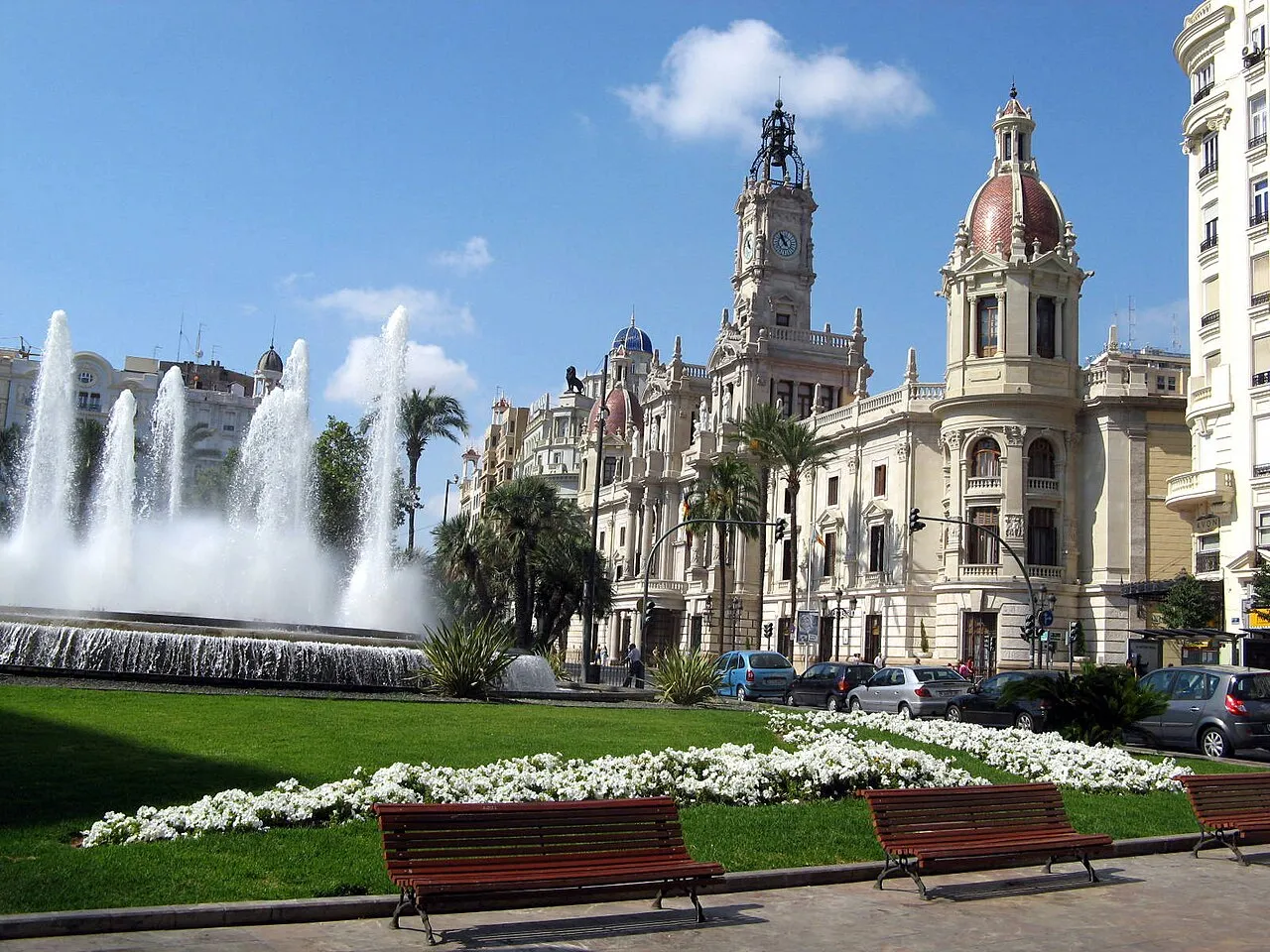
A landmark for getting your bearings in the restaurant area of the centre, and the only square with a proper perspective on the cathedral façade. The streets running north from it, towards Zocodover, hold a good share of the old town's taverns.
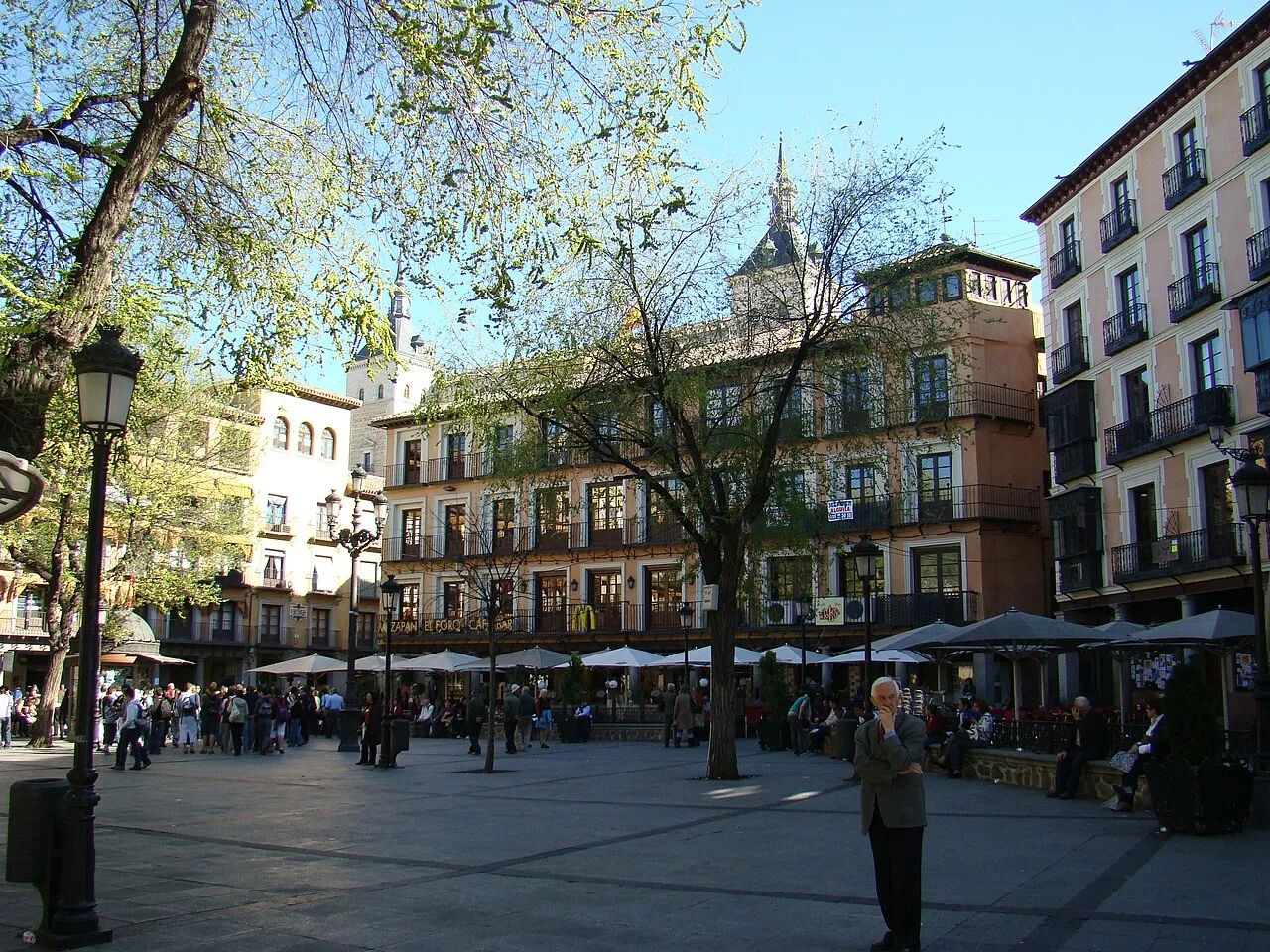
The social centre of Toledo since medieval times, when it was the livestock market, from the Arabic suq al-dawabb. Today it is an area of terraces and the starting point of almost any route, with the advantage that it is level and demands no climb.
Toledo's tavern dish par excellence: diced pork stewed slowly with tomato, onion, peas and a touch of chilli, served in an earthenware dish. You order it as a tapa or as a full portion and it appears in almost every tavern in the old town. If the meat does not fall apart, it has not had enough cooking time.
How do you tell good marzipan?
The real thing contains only ground raw almond and sugar, more or less in equal parts, with no flour and no potato. The texture has a perceptible grain and the almond flavour clearly dominates. If the price per kilo seems too good or the paste is soft and uniform, it contains fillers that bring the cost down. The historic workshops are inside the old town.
Can you buy sweets at the convents?
Yes, and it is the best purchase you can make in Toledo. Several enclosed convents still make and sell sweets, often through a revolving hatch, and that product never reaches the souvenir shops. The opening times are restricted and variable, so it is worth asking at the tourist office which convents are serving.
What do you eat in the game season?
From October to February venison, wild boar, rabbit and above all partridge appear, which is the benchmark dish of Toledo cooking. It is prepared stewed or in escabeche, cooked slowly with vinegar, bay and pepper until it falls apart, and served hot or cold depending on the house. This is not griddle cooking.
Where should you eat in Toledo?
In the taverns on the side streets of the old town, especially in the area between the plaza del Ayuntamiento and Zocodover, and not on the terraces of the main tourist axis, where the menus repeat themselves and the prices go up. As in any heavily visited city, moving fifty metres away from the route of the groups changes things quite a bit.
What are duelos y quebrantos?
A scramble of egg with pork scratchings and chorizo, a Manchego dish of humble origin that appears on the first page of Don Quixote, among the things the gentleman ate each week. It is still made in taverns in the area and it is one of those things ordered as much out of literary curiosity as out of hunger.
Practical information
The dishCarcamusas: pork stew with tomato and peas, in an earthenware dish. As a tapa or as a full portion.
SeasonGame from October to February: partridge, venison, wild boar and rabbit, always stewed.
CheeseSheep's milk Manchego, better cured in oil and not served too cold.
SweetWorkshop marzipan: only almond and sugar. Ask about the enclosed convents too.
WhereTaverns on the side streets of the old town, not on the terraces of the tourist axis.
DrinkingA local red before a Rioja: cheaper and more coherent with the cooking.
On the map
🎧 With Viavoy
Walk Toledo and listen at your own pace
Download Viavoy and walk Toledo offline, whenever you like.