Alicante in 2 days: castle, old town, museums and beach
A city where the best things are free: a Muslim castle above the beach, a museum with Picassos and free entry, and a promenade made of six million tesserae. How to split two days.
Alicante tends to be treated as a stopover on the way to a beach, and that leaves out almost everything interesting. It has one of the largest medieval fortresses in Spain, a twentieth-century art museum nobody expects, three layers of history stacked on top of each other and an urban beach in the centre. Two days are enough, and they pay off handsomely.
Go up to the castle first thing or last thing. There is no shade up there, and the midday sun on the stone in summer turns the visit into an endurance exercise.
Day 1 · The castle and the old town
Morning: from top to bottom.
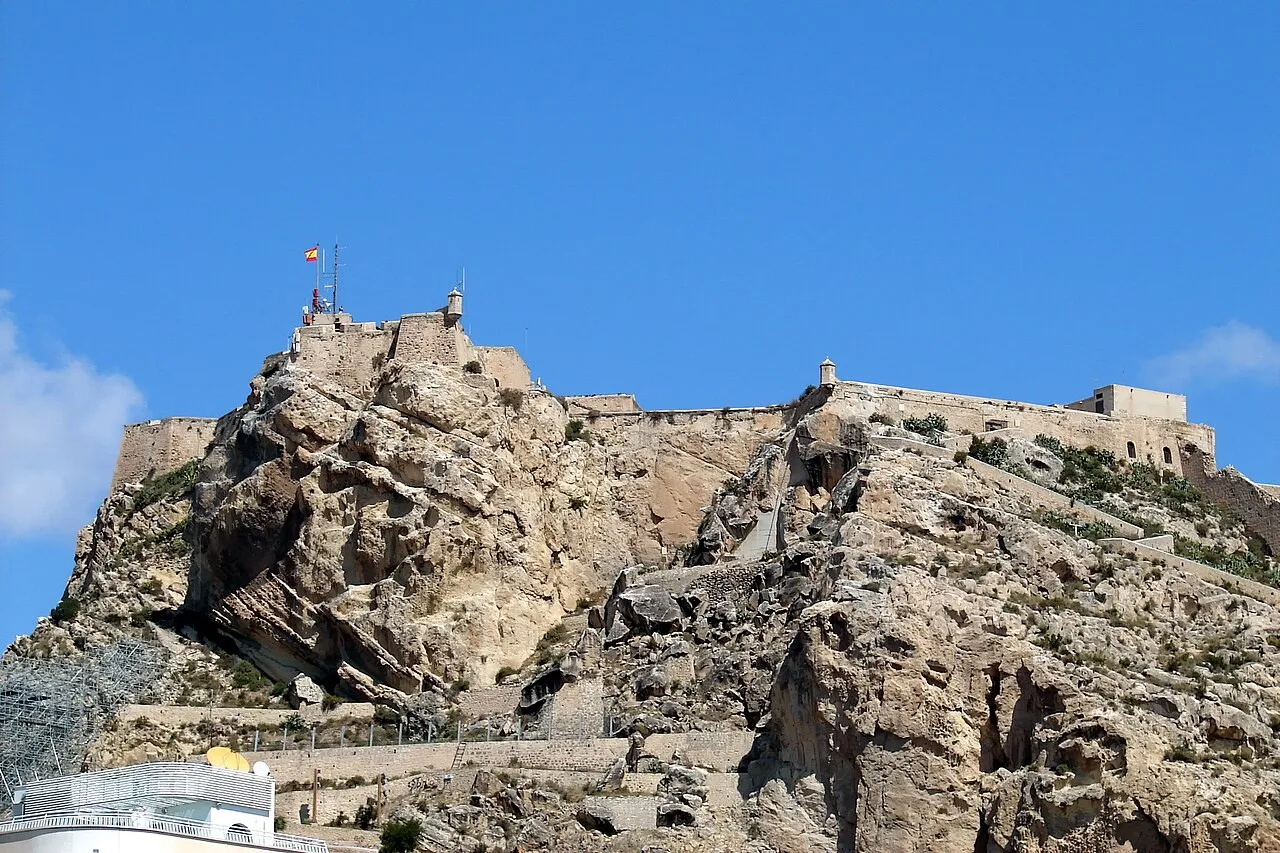
Start by going up to the Castillo de Santa Bárbara, the castle, by lift, from the entrance cut into the rock opposite Postiguet beach. The castle is free; you only pay for the lift. And at the top, in the Torreta, is the oldest stone of the whole complex: the Muslims fortified this crag in the ninth century.
The logic is purely geographical: it is an isolated crag a hundred and sixty metres above the port, and nothing moved along this coast without it being seen from up here. It was taken on 4 December 1248, the feast day of Santa Bárbara, and the saint's name stuck.
Go down to the middle enclosure, built under Philip II, with low, sloping walls designed to make cannonballs skid off: this is anti-cannon fortification, not anti-ladder. That is where the MUSA is, the city museum, which puts the whole visit in order in half an hour.
And walk down through the parque de la Ereta to the barrio de Santa Cruz: whitewashed houses, flowerpots everywhere and stepped streets, where the sea appears all at once at the end of an alley. You come out by the ermita de la Santa Cruz, the little chapel, into the old town.
Three stepped enclosures, each from a different century. The 360-degree view from the Torreta explains the entire history of the city without a single panel. It is free: you only pay for the lift up from the Postiguet.
The whitewash is not only aesthetic: it was cheap, it bounces the sun back and it disinfects. It is still a neighbourhood of residents who water their plants and hang out the washing. Go early or late in the afternoon: at midday the sun on the whitewash is dazzling.
Download the app and discover Alicante offline, whenever you like. Take the walking tour Santa Bárbara Castle and the old town with a local guide in your ear.
Day 1 · Afternoon: co-cathedral, museums and the Explanada
Everything three minutes apart.
In the old town, the co-cathedral of San Nicolás is pure Herrerian: austere stone outside without a single ornament, and inside a dome almost forty-five metres high that floods everything with light. Do not leave without the cloister, which cannot be seen from the nave and almost nobody finds.
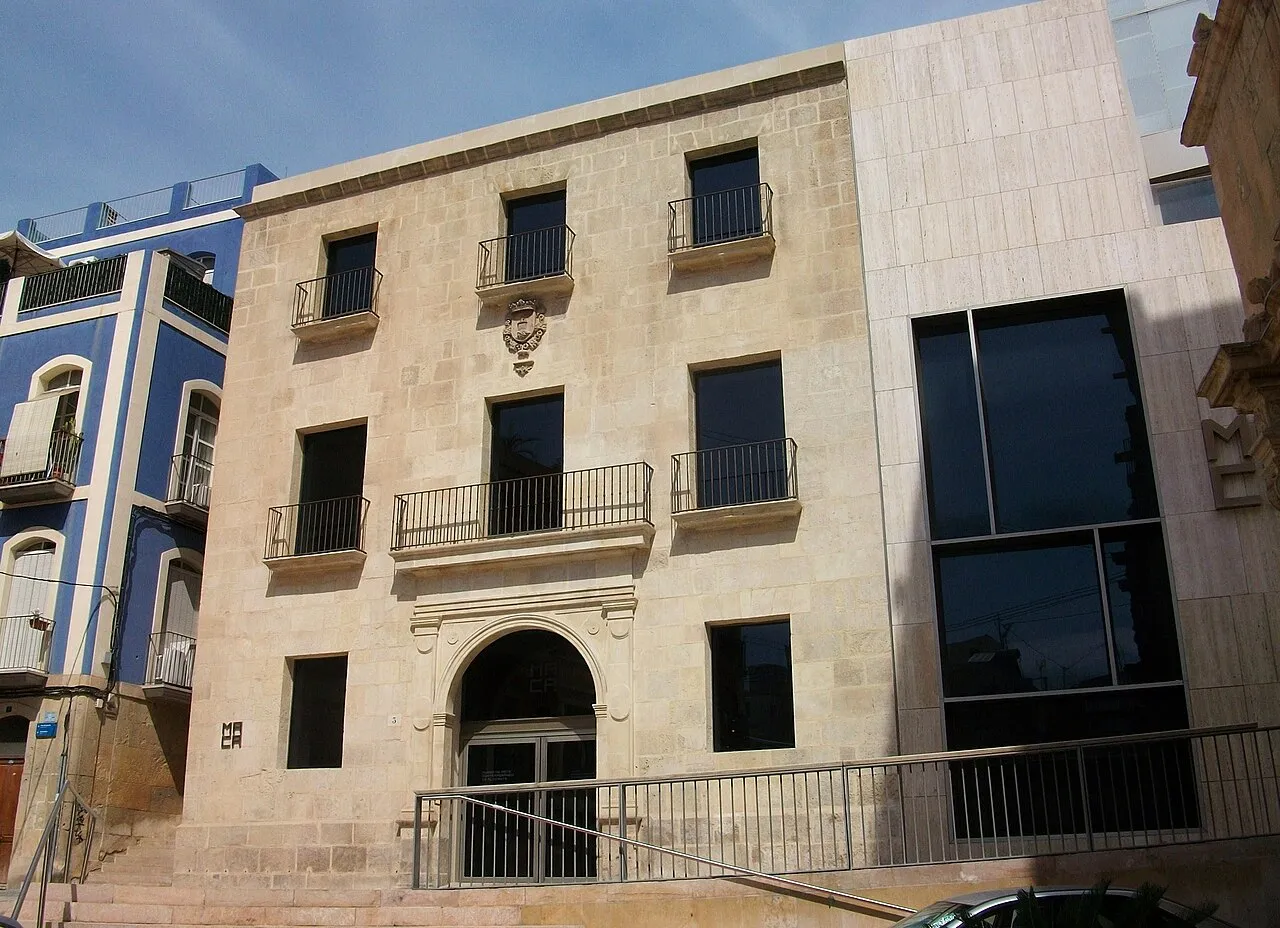
Two minutes away is the MACA, and here comes the surprise: Picasso, Miró, Dalí, Chillida, Tàpies, Kandinsky, Chagall and Giacometti, with free entry. It came about because an Alicante artist, Eusebio Sempere, put together almost two hundred works and gave them to his city.
Next door, the MUBAG, in the grandest eighteenth-century palace in Alicante, with four centuries of painting and works on loan from the Prado. Its own name is Emilio Varela, heir to Sorolla's light, who stayed here instead of leaving.
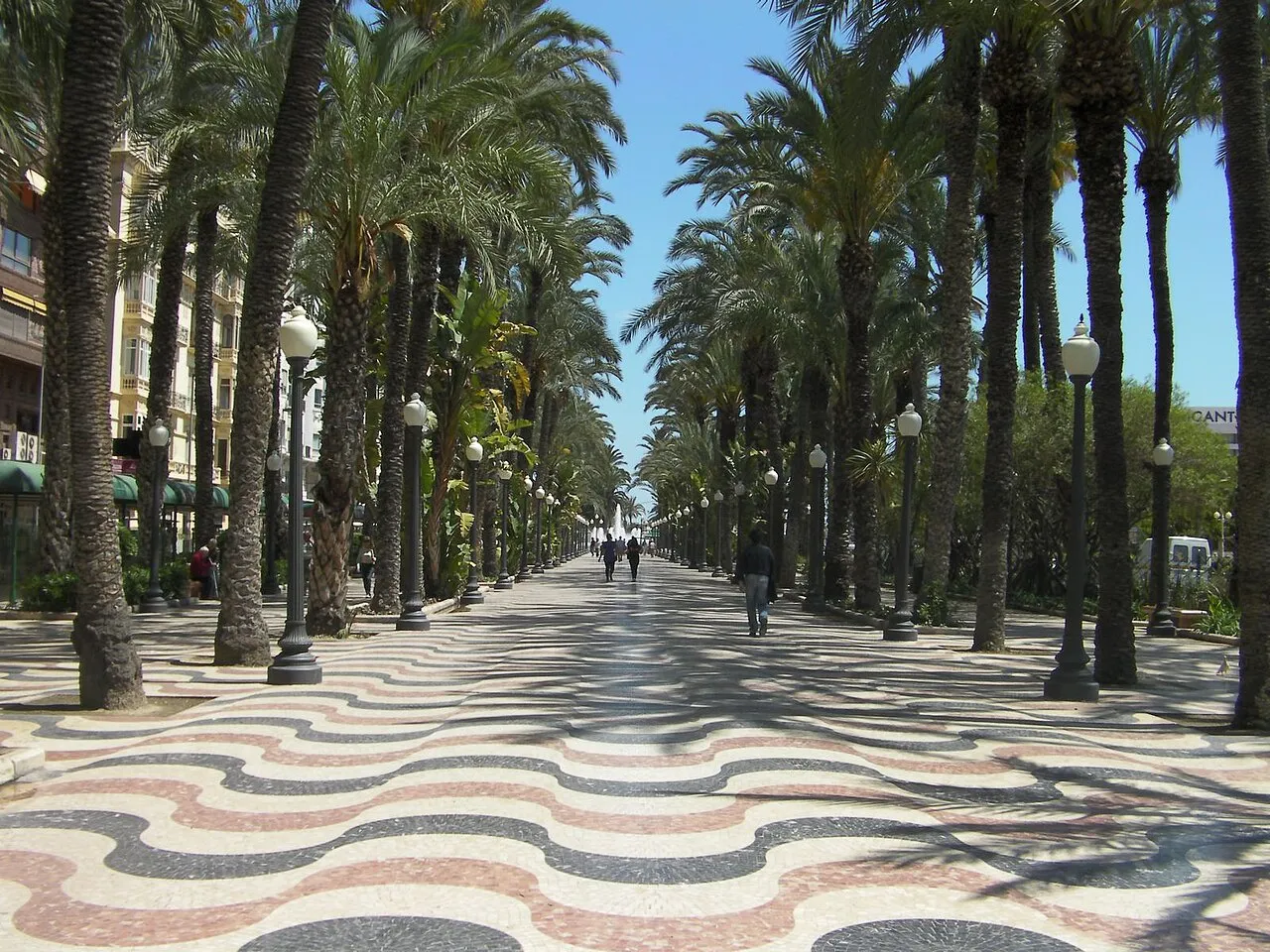
Finish by going down to the Explanada de España at dusk, when the whole city comes out to stroll. Under your feet, more than six and a half million marble tesserae drawing waves; above, four rows of date palms.
One of the best twentieth-century collections in Spain, and free. The layout organises the route around three ideas: geometry, abstraction and figuration. An hour and a half is enough: it is small and perfectly manageable.
The undulating paving produces a real optical effect: as you walk and look down, the waves seem to advance with you. It was laid in the late fifties, even if it looks as though it had always been there.
Start with the port, which is where the city began: Alicante was a port before it was a city. Fondillón sailed from here, a sweet aged red wine exported to half of Europe, and in 1858 the railway turned it into Madrid's natural port.
Carry on along the Explanada to the Casa Carbonell, the most elegant building on the seafront and a revenge in stone: it was put up by an industrialist from Alcoy who felt slighted there and decided to build here the most expensive and most visible building possible, so that it could be seen from the ships.
Walk up to the Mercado Central, eclectic with touches of Valencian Modernisme and almost three hundred stalls. Go in the morning, which is when it works. And two minutes away, the plaza del 25 de Mayo, with the memorial to the bombing that killed more than three hundred people here in 1938.
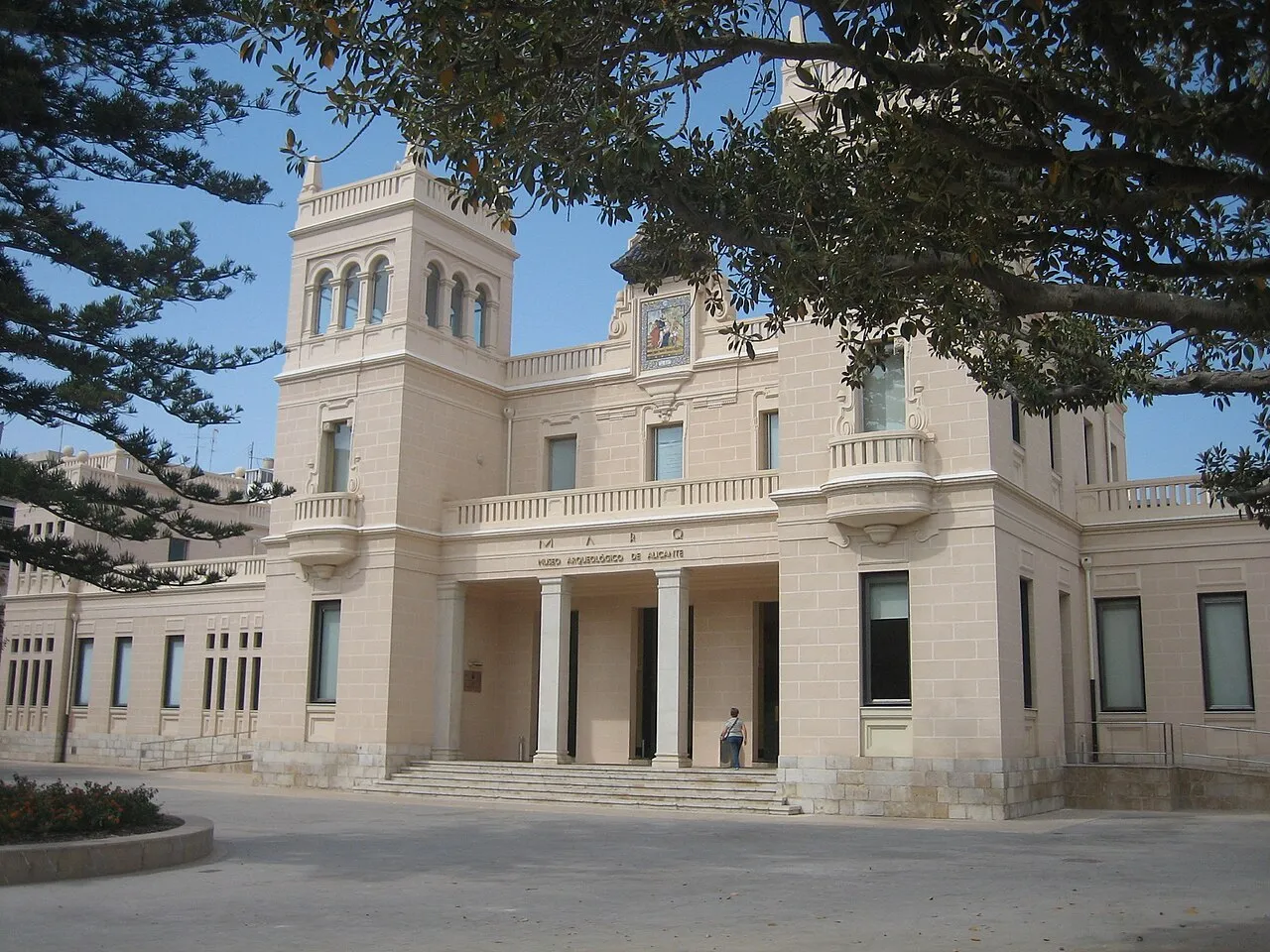
Finish at the MARQ, the archaeological museum, which was European Museum of the Year in 2004 and asks for a whole morning. It changed the way archaeology is told: lights, sound and rooms that transform themselves, almost like a stage set.
Fajardo and Juan Vidal, 1917-1921. It is still the stomach of the city. And it holds its deepest wound: the Italian bombing of 25 May 1938, mid-morning and with the market full.
European Museum of the Year 2004, in a former hospital from 1926. It holds what came out of Lucentum, the Roman city that gave Alicante its name, and those ruins can be walked on in the Albufereta.
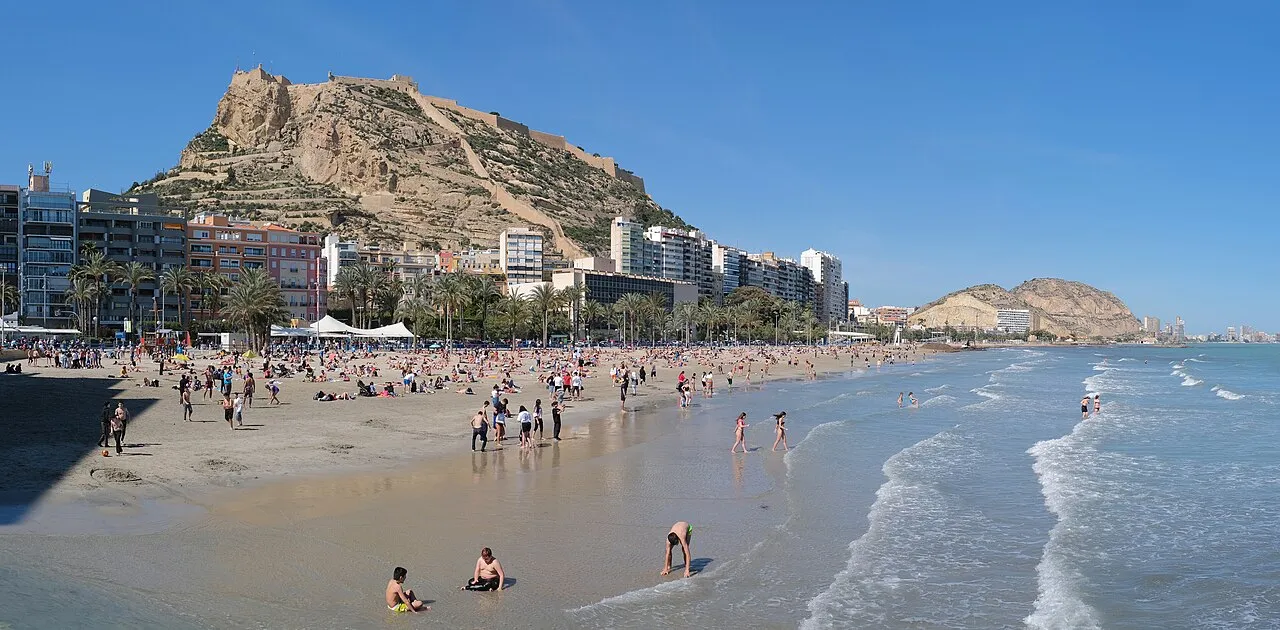
The easy option is Postiguet beach, almost a kilometre of sand in the middle of the centre with the castle behind it. Look at the outline of the hill from the shore: you can make out a forehead, a nose and a chin. People in Alicante call it the Cara del Moro, the Moor's Face.
If you are after space, San Juan beach is twenty minutes by tram from the plaza de los Luceros and is far broader. The TRAM line runs along the whole coast as far as Benidorm and Dénia.
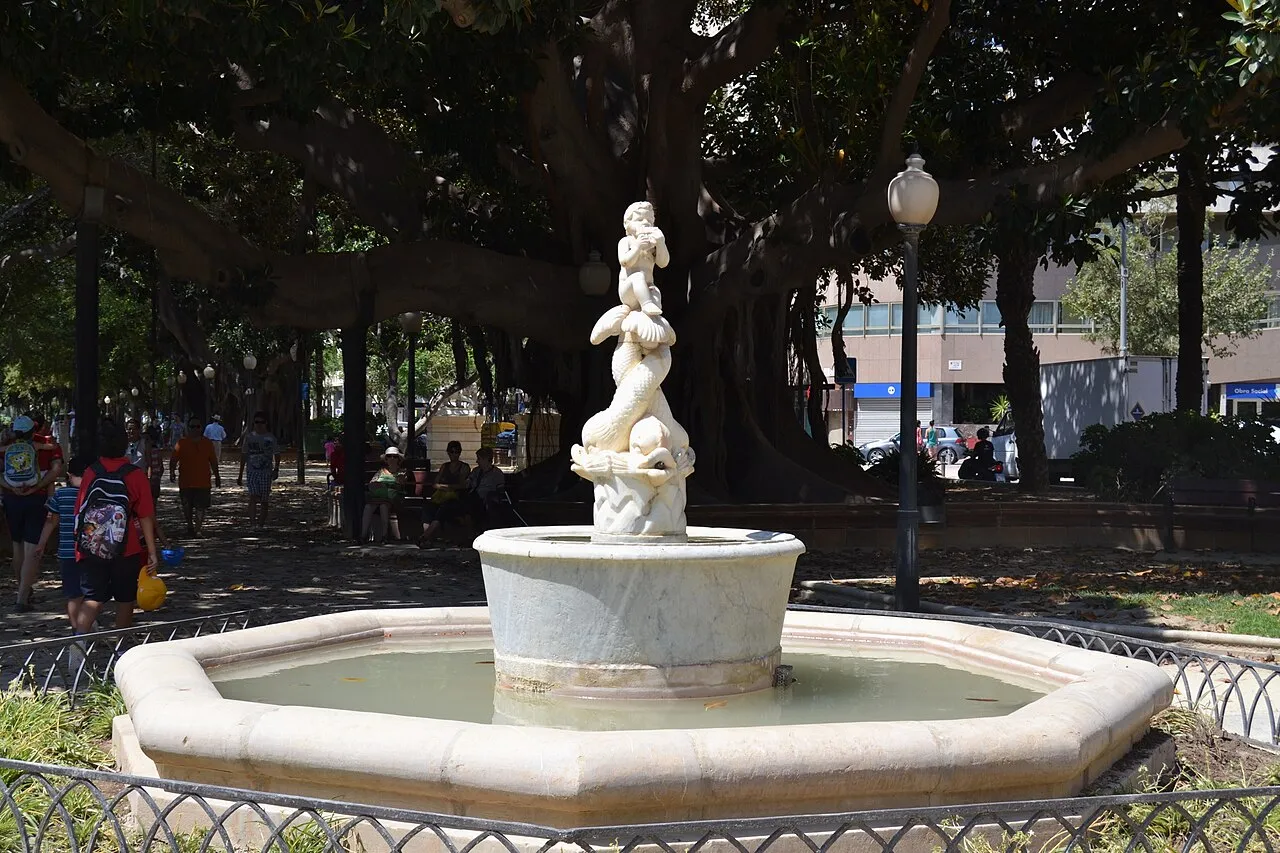
The quiet option is the parks: the parque de Canalejas, the oldest in the city, with hundred-year-old Australian figs forming a cathedral nave made of leaves; and the plaza de Gabriel Miró, which people in Alicante call de Correos, the coolest corner of the centre.
And if you have half a day to spare, Tabarca: the only inhabited island in the Valencian Community, half an hour's sailing from the marina. It is a marine reserve, it has an eighteenth-century walled enclosure and Charles III repopulated it with Genoese fishermen.
The name comes from postigo, a small gate: one of the lesser gates of the city wall stood here. In August there is not an inch of space, and that is the price of having a beach in the centre. Outside high season it changes completely.
From 1886, on the old shipyards. Its ficus trees send out aerial roots from the branches which, on reaching the ground, become new supports, and that is why they lift the paving. In summer, one of the coolest spots in the centre.
Yes, comfortably: the castle, the old town with Santa Cruz and the co-cathedral, the three museums, the Explanada and the beach. With a single day you can do the essentials, but the museums are left out, and they are one of the city's biggest surprises. With three days the trip to Tabarca fits in.
How much does it cost to go up to the Castillo de Santa Bárbara?
The castle itself is free: you only pay for the lift that goes up from the entrance cut into the rock opposite Postiguet beach. You can also drive up by the hill road, or walk up from the barrio de Santa Cruz, which is demanding but the prettiest way.
Is it true that the MACA is free?
Yes. Entry is free, and the collection includes Picasso, Miró, Dalí, Chillida, Tàpies, Kandinsky, Chagall and Giacometti. It ended up there because the Alicante artist Eusebio Sempere gathered almost two hundred works by more than a hundred artists and, instead of selling them, gave them to his city.
Is there a beach in the centre of Alicante?
Yes, the Postiguet: almost a kilometre of sand ten minutes on foot from anywhere in the centre, with the hill and the castle behind. If you are after more space, San Juan beach is twenty minutes by tram from the plaza de los Luceros and is far broader.
Is Tabarca worth the trip?
If you have half a day, yes. It is the only inhabited island in the Valencian Community, half an hour's sailing from the marina, and it is a marine reserve, with very clear water. It also keeps an eighteenth-century walled enclosure: Charles III fortified it and repopulated it with Genoese fishermen who had been captives in Tabarka, in Tunisia.
When is the best time to visit Alicante?
Spring and autumn, for temperature and crowds. June has a strong pull: the Hogueras de San Juan, Alicante's midsummer bonfire festival, declared of international tourist interest, with monuments of cardboard and wood that burn on the night of the 24th and mascletás, thunderous firecracker displays, every midday in the plaza de los Luceros.
Practical information
DurationTwo days for the essentials; three with the trip to Tabarca.
The castleFree. You only pay for the lift up from the Postiguet. Go first thing or last thing.
MuseumsMACA free; MUBAG cheap; the MARQ asks for a whole morning and has its own tram stop.
Getting aroundThe whole centre on foot. TRAM to San Juan, El Campello, Benidorm and Dénia.
When to goSpring and autumn. In June, the Hogueras de San Juan, Alicante's midsummer bonfire festival.
EatingArroz a banda, arroz con costra, caldero and salazones, salt-cured fish. Turrón de Jijona for dessert.
On the map
🎧 With Viavoy
Walk Alicante and listen at your own pace
Download Viavoy and walk Alicante offline, whenever you like.
from 2,99 €· one-off payment
City Pass · 9,99 €3 days, all the tours in Alicante