Semana Santa Marinera: Valencia's other festival, the one of the seaside quarter
Festivals and traditions · Valencia

Semana Santa Marinera: Valencia's other festival, the one of the seaside quarter

Processions that set out from the fishermen's neighbourhoods, grenadiers in Napoleonic coats, living biblical characters and a final parade unlike any Holy Week in Spain.

8 min read · Updated for the season
🎧 On the walk El Cabanyal and Malvarrosa: The Sea, Paella and Colorful Houses

Everyone associates Valencia with the Fallas, and very few people know that a month later the city celebrates a Holy Week (Semana Santa) unlike any other in Spain. It does not happen in the historic centre but in the seaside neighbourhoods — El Cabanyal, El Canyamelar, El Grau — and it has elements that exist nowhere else: grenadiers in Napoleonic uniform, biblical characters played by residents and a final Resurrection parade.

It is not in the centre. The Semana Santa Marinera takes place entirely in the seaside neighbourhoods, twenty minutes by tram from the cathedral.

A fishermen's Holy Week

The origin lies in the guilds of the sea. The seaside settlements — El Cabanyal, El Canyamelar, El Grau — were independent municipalities until 1897 and developed their own brotherhoods apart from those of the centre of Valencia. When they were annexed, they kept their processions and their calendar.

The result is that Valencia has two parallel Holy Weeks: the one in the centre, discreet and minor, and the Marinera, which is the one that really mobilises people. It is declared a Festival of International Tourist Interest and brings together more than thirty brotherhoods and corporations.

Its character comes from the trade: the brothers were fishermen, caulkers and port people, and the images came out of neighbourhood chapels, not great churches. That gives it a far more popular and less solemn tone than other Spanish Holy Weeks, with the beach always two streets away.

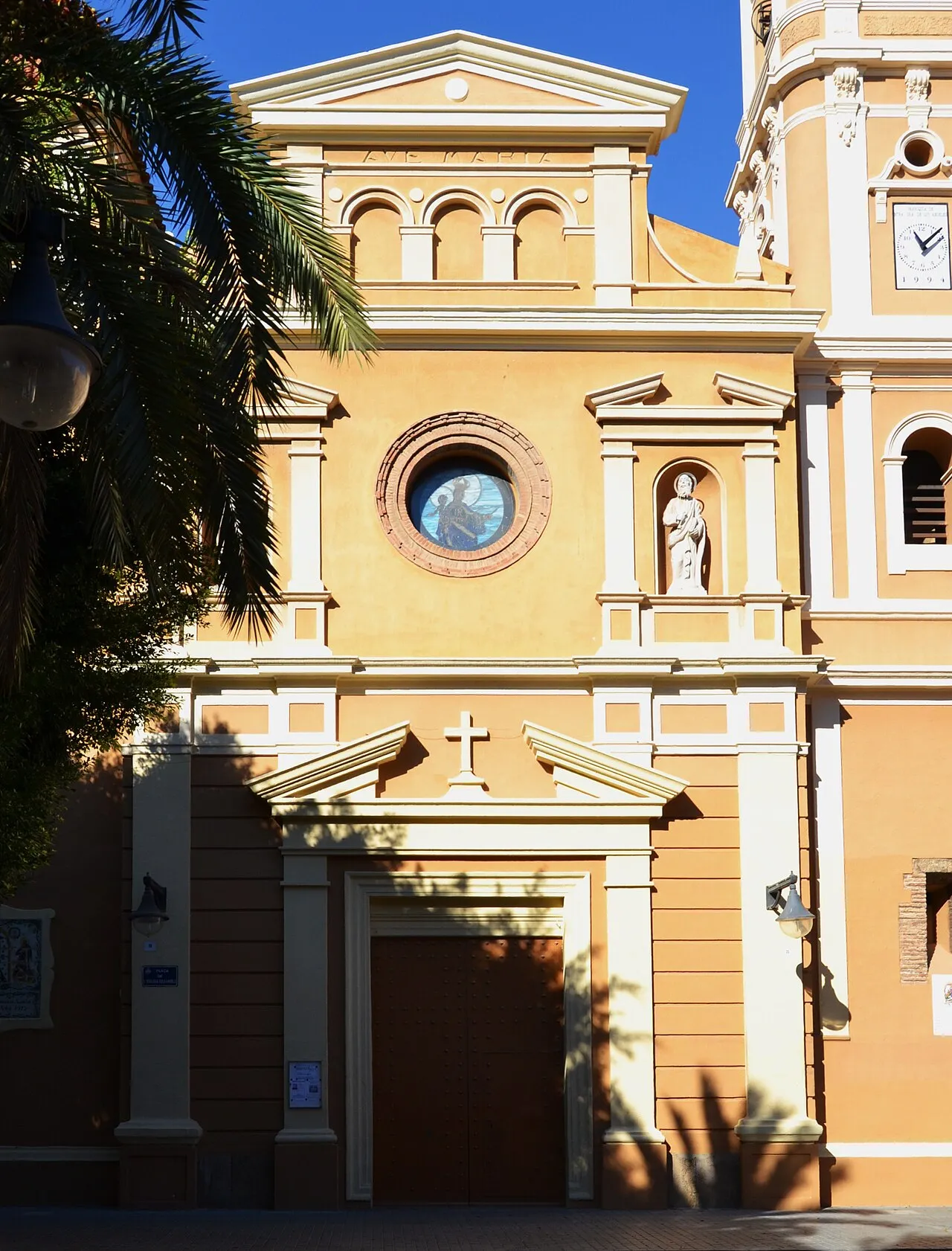
1Iglesia de Nuestra Señora de los Ángeles

Iglesia de Nuestra Señora de los Ángeles

📍 Cabanyal

The main parish church of the seaside quarter, the starting point of several of the processions. It is a neighbourhood church, with no monumental pretensions, and precisely there lies the key to this Holy Week: the images come out not of a cathedral but of the church where the residents who carry them were baptised.

2Las casas de colores de los pescadores

Las casas de colores de los pescadores

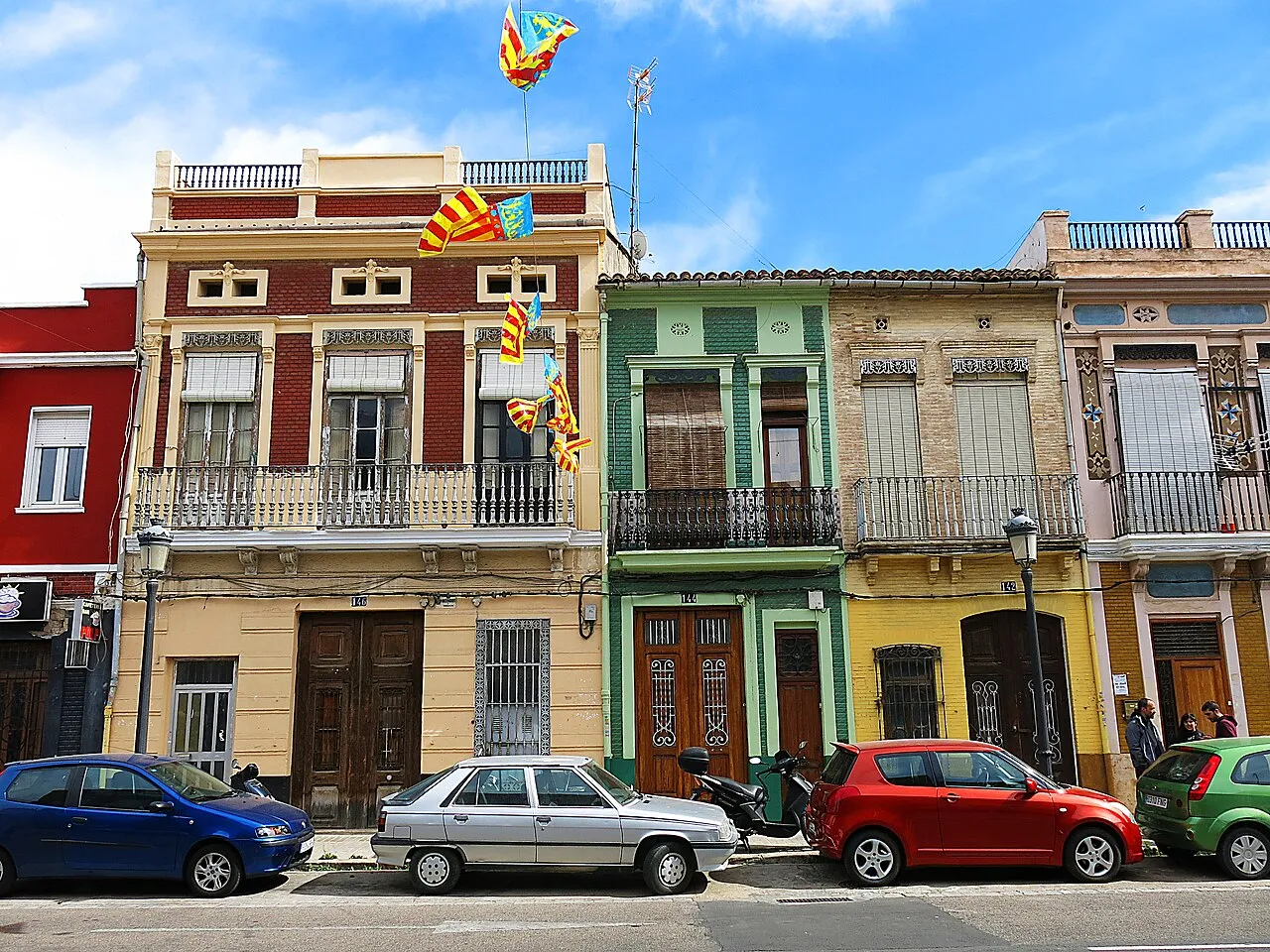
📍 Calles Progrés, Reina and Barraca

The processions pass along these streets of low houses with tiled façades, and that is one of the most visible differences from other Holy Weeks: here there are no grand avenues or monumental official route, there are narrow neighbourhood streets where the float passes a metre from the balconies.

3Malvarrosa Beach

Malvarrosa Beach

📍 Seafront

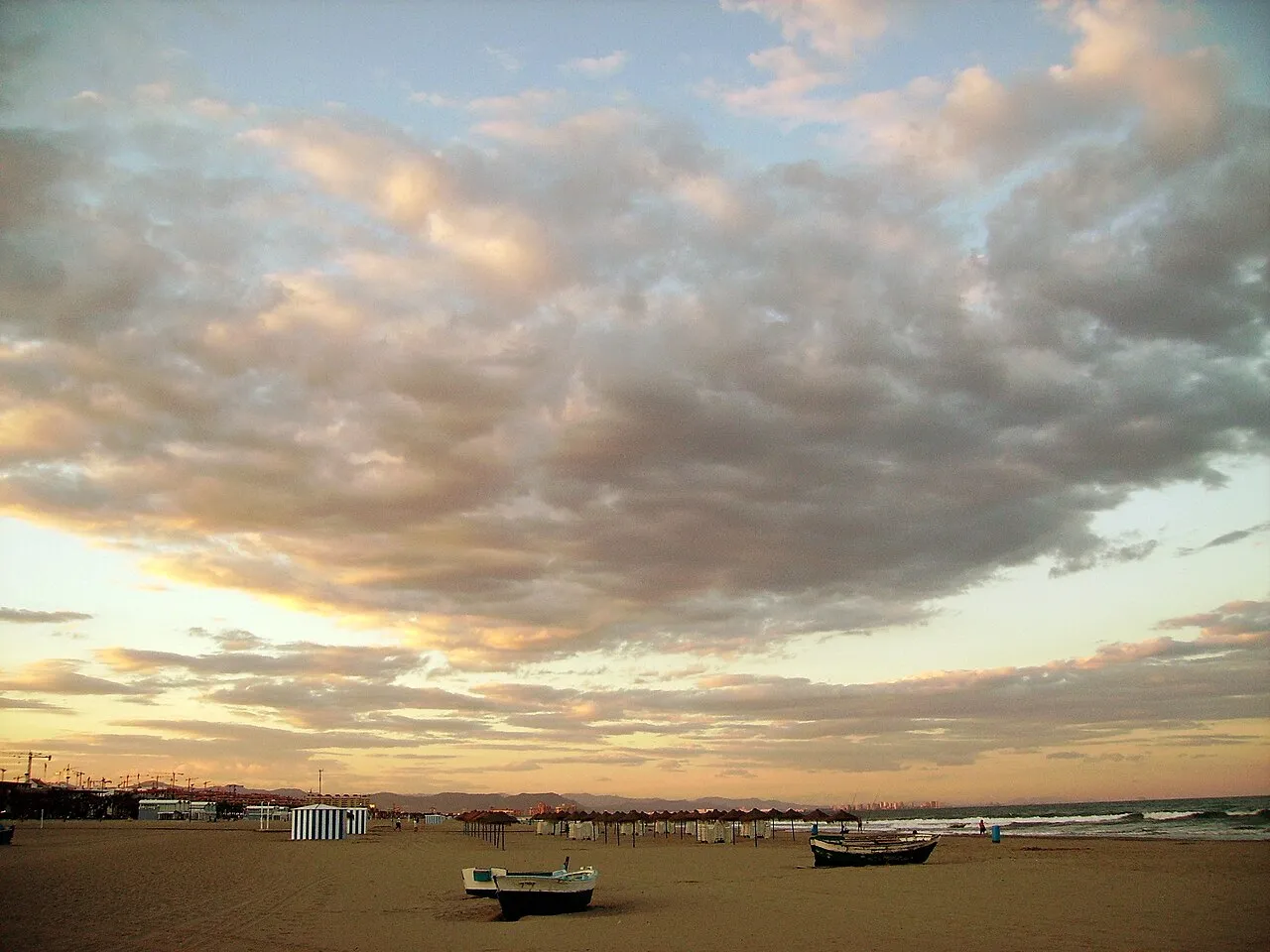
On Easter Sunday, several brotherhoods go down to the beach and the sea forms part of the festival's close. It is one of the most singular images of Spanish Holy Week: processions, sand and the Mediterranean in the same frame, with no cathedral solemnity in between.

🎧 With Viavoy

Explore Valencia at your own pace

Download the app and discover Valencia offline, whenever you like. Take the walking tour El Cabanyal and Malvarrosa: The Sea, Paella and Colorful Houses with a local guide in your ear.

Find out more about Viavoy →

What you will not see in any other city

Three elements of its own, fairly inexplicable from outside.

The grenadiers. Several corporations parade in Napoleonic-era grenadier uniforms: coat, tall fur cap, gaiters and musket. The origin is attributed to the soldiers who guarded the processions in the nineteenth century, and the tradition was preserved as a corps in its own right. Seeing grenadiers escorting a Holy Week float disconcerts anyone who comes from Seville or Zamora.

The biblical characters. Residents of the neighbourhoods dress up as figures from the Old and New Testaments — prophets, apostles, members of the Sanhedrin, Veronica — and parade on foot throughout the week. They are not hired actors: they are neighbourhood families who inherit the character from parents to children.

And the Resurrection Parade, on Easter Sunday afternoon: all the brotherhoods, corporations and characters parade together along a single festive route, with music and without mourning. It is the opposite of the usual close of a Spanish Holy Week and it is the event that draws the most people.

There are also elements shared with other cities: night processions, silence, drums. But the whole has a tone of its own, more of the neighbourhood and less of grand ceremony, which is explained by its guild and seafaring origin.

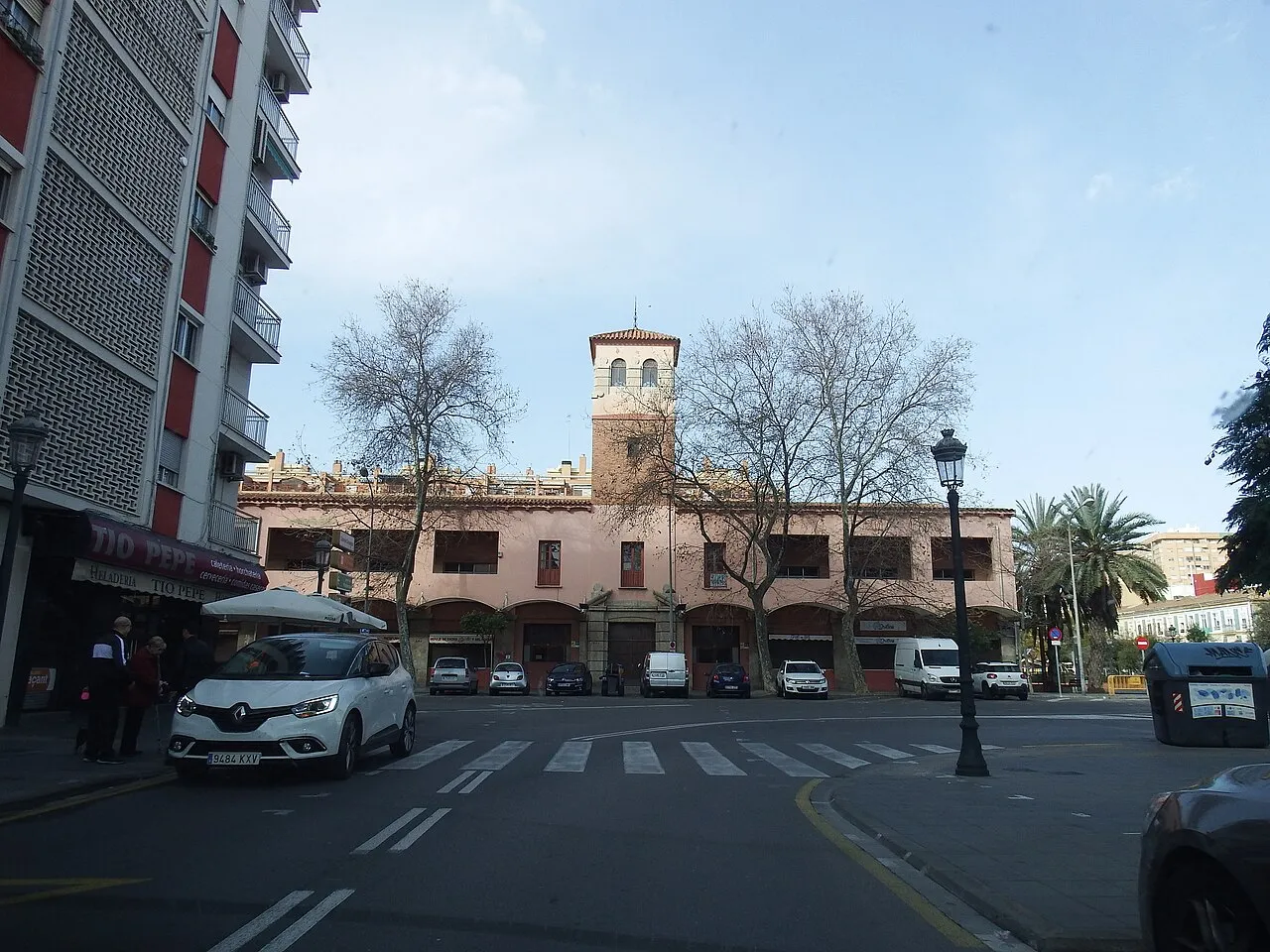
4Mercado del Cabanyal

Mercado del Cabanyal

📍 Carrer de Martí Grajales

During the week, the market and its surroundings are the neighbourhood's daytime meeting point, with the committees preparing the floats and families organising the costumes of the biblical characters. It is where you see the background work, the part that does not appear in the photos of the night processions.

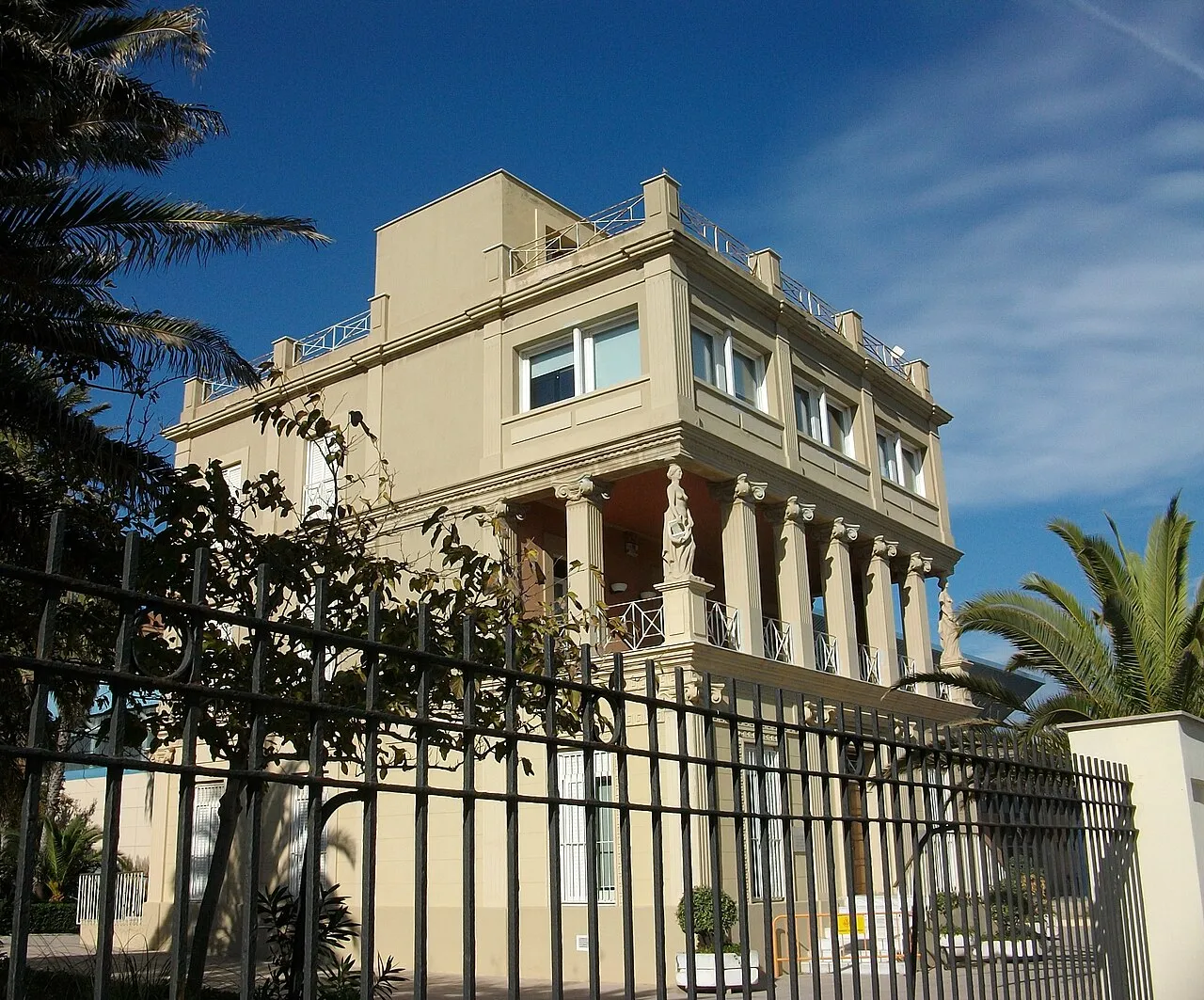
5Blasco Ibáñez House-Museum

Blasco Ibáñez House-Museum

📍 Carrer d'Isabel de Villena, 159

The writer portrayed this neighbourhood and these people in “Flor de mayo”, and reading it during Holy Week, with the processions passing along the very streets he described, changes both things considerably. The house-museum is free and stands at the end of the seafront promenade.

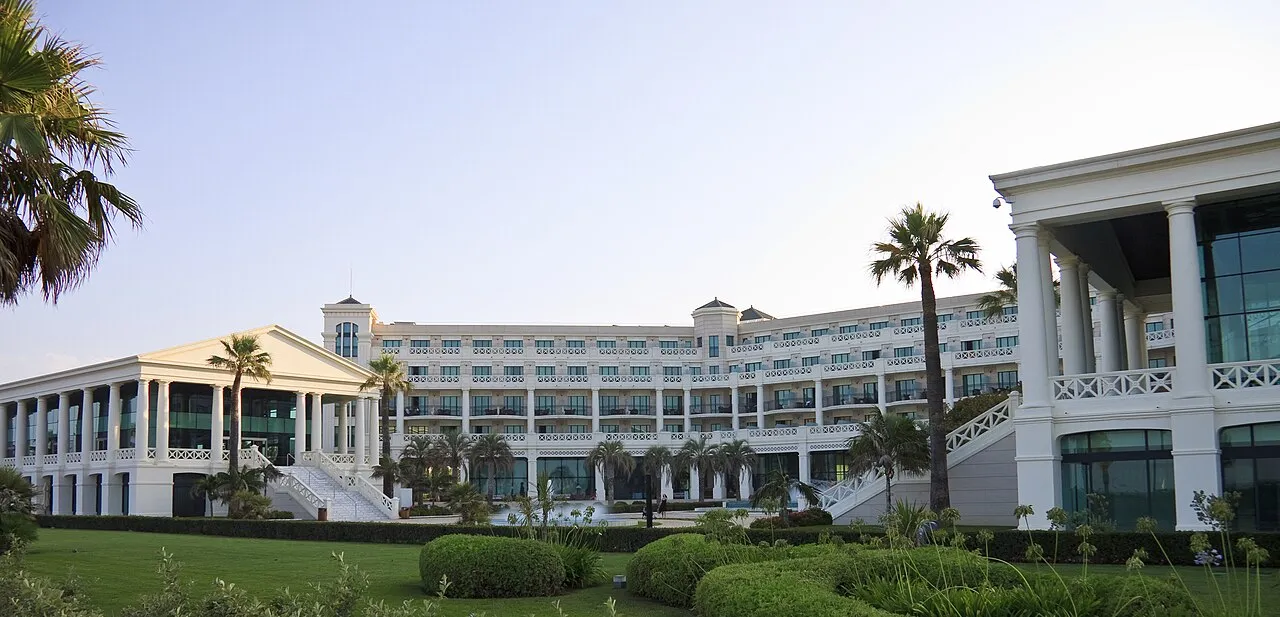
6Balneario de Las Arenas

Balneario de Las Arenas

📍 Seafront

The point where the seaside quarter meets the summer-resort front, and a good landmark for finding your way during the week: the processions move between the inner streets of El Cabanyal and the seafront promenade, and this building marks the hinge between the two worlds.

Frequently asked questions

What is Valencia's Semana Santa Marinera?

The Holy Week of the city's seaside neighbourhoods — El Cabanyal, El Canyamelar and El Grau —, which were independent municipalities until 1897 and developed their own brotherhoods apart from those of the centre. It brings together more than thirty brotherhoods and corporations and is declared a Festival of International Tourist Interest. Its tone is far more popular and neighbourhood-based than that of other Spanish Holy Weeks, with the beach always two streets away.

Why are there grenadiers in Valencia's processions?

Several corporations parade in Napoleonic-era grenadier uniform: coat, tall fur cap, gaiters and musket. The origin is attributed to the soldiers who guarded the processions in the nineteenth century, and when that military function disappeared, the residents kept the uniform and turned it into a corps of the festival in its own right. It is one of the most singular and disconcerting elements of this Holy Week.

What are the biblical characters of the Semana Santa Marinera?

Residents of the seaside neighbourhoods who dress up as figures from the Old and New Testaments — prophets, apostles, members of the Sanhedrin, Veronica, angels — and parade on foot throughout the week. They are not hired actors or extras: they are neighbourhood families who inherit the character from parents to children, with their own costumes, and who take part year after year. It is one of the festival's hallmarks.

Where is Holy Week celebrated in Valencia?

Mainly in the seaside neighbourhoods, twenty minutes by tram or metro from the historic centre: El Cabanyal, El Canyamelar and El Grau. In the old town there are some processions, but they are discreet and minor. If you stay waiting in the cathedral area, you will see practically nothing: you have to take the tram and go down to the seaside area.

Which is the best day to see the Semana Santa Marinera?

Easter Sunday afternoon, if you can only go one: that is when the Resurrection Parade is held, in which all the brotherhoods, corporations and biblical characters parade together along a single festive route, with music and without mourning. It is the most crowded and the most joyful event, and it is the opposite of the usual close of a Spanish Holy Week. The most important days for night processions are Maundy Thursday and Good Friday.

Does Holy Week coincide with the Fallas in Valencia?

No, never. The Fallas are always from 15 to 19 March, on fixed dates, while Holy Week is movable and falls between late March and late April depending on the year. Usually there are several weeks between one and the other. They are, moreover, two completely different festivals in tone, in setting and in audience: the Fallas take over the whole city and the Semana Santa Marinera is concentrated in the seaside neighbourhoods.

How to see it

First of all: you have to leave the centre. Everything happens in the seaside neighbourhoods, twenty minutes by tram or metro from the old town. If you stay by the cathedral waiting for processions, you will see practically nothing.

The big days are Maundy Thursday and Good Friday, with the night processions, and Easter Sunday afternoon, with the Resurrection Parade, which is the most crowded and the most festive event. If you can only go one day, go on the Sunday.

It is a far less crowded festival than the Fallas and than the great Andalusian Holy Weeks: there are no grandstands, no paid seats and you can watch from the pavement without any trouble. That makes it considerably more comfortable to experience and also easier to photograph.

And make the most of the neighbourhood. It is the time of year when El Cabanyal is most alive, with the streets full and the houses open, so combine the processions with the rest: the tiled façades, the market and a rice dish at lunchtime. That is the complete plan.

Practical information

WhenHoly Week, variable dates between March and April. It never coincides with the Fallas.
WhereSeaside neighbourhoods: Cabanyal, Canyamelar and Grau. Not in the historic centre.
Getting thereTram lines 6 and 8 or metro L5/L7 Marítim. Twenty minutes from the cathedral.
Big daysMaundy Thursday and Good Friday at night; Easter Sunday afternoon, the most crowded.
CostFree. There are no grandstands or paid seats: you watch from the pavement.
Combine itWith the neighbourhood: tiled façades, the Cabanyal market and a rice dish at lunchtime.
On the map

🎧 With Viavoy

Walk Valencia and listen at your own pace

Download Viavoy and walk Valencia offline, whenever you like.

from 2,99 €· one-off payment
City Pass · 9,99 €3 days, all the tours in Valencia
Find out more about Viavoy →
Viavoy app

Keep reading

More articles

Festivals & traditions

Las Fallas in Valencia: what they are, when to go and how to survive the mascletà

Neighbourhoods

El Cabanyal and La Malvarrosa: tiles, rice and a neighbourhood that saved itself

Itineraries

Valencia in 2 days: the itinerary that makes the most of the real city

Food & drink

Paella and rice dishes in Valencia: what to order, where and when