Valencia in 2 days: the itinerary that makes the most of the real city
Itineraries · Valencia

Valencia in 2 days: the itinerary that makes the most of the real city

One day for the whole old town and another for the riverbed, the City of Arts and the sea. With the opening hours that matter, where to eat rice and what to book.

13 min read · Updated for 2026
🎧 On the walk The Cathedral, the Miguelete and the Plaza de la Virgen

Valencia is smaller and more manageable than it looks on the map, and it has an advantage no other big Spanish city offers: a nine-kilometre park that runs right through it and links the old town to the sea without a single car in between. That allows a clean two-day itinerary: the first on foot through the historic centre; the second by bicycle along the riverbed to the City of Arts and the beach. No public transport and no time wasted.

The Mercado Central closes on Sundays and opens only in the morning. If your weekend starts on a Sunday, put the historic centre on the other day or you will be locked out.

Day 1, morning: cathedral, Miguelete and the Water Tribunal

Start in the Plaza de la Virgen and do not stray beyond a five-minute radius.

Valencia's historic centre is genuinely compact: cathedral, Miguelete, basilica, Lonja and market fit inside a ten-minute walking circle. Start in the Plaza de la Virgen, which is the symbolic heart, with the Turia fountain and its eight figures representing the irrigation channels of the huerta.

In the cathedral, two specific things: the Chapel of the Holy Chalice, with the agate cup the Vatican recognises as a possible Grail, and the Musician Angels above the high altar, the first Renaissance painting in Spain, which was hidden for three centuries behind a Baroque vault and appeared almost intact in 2004.

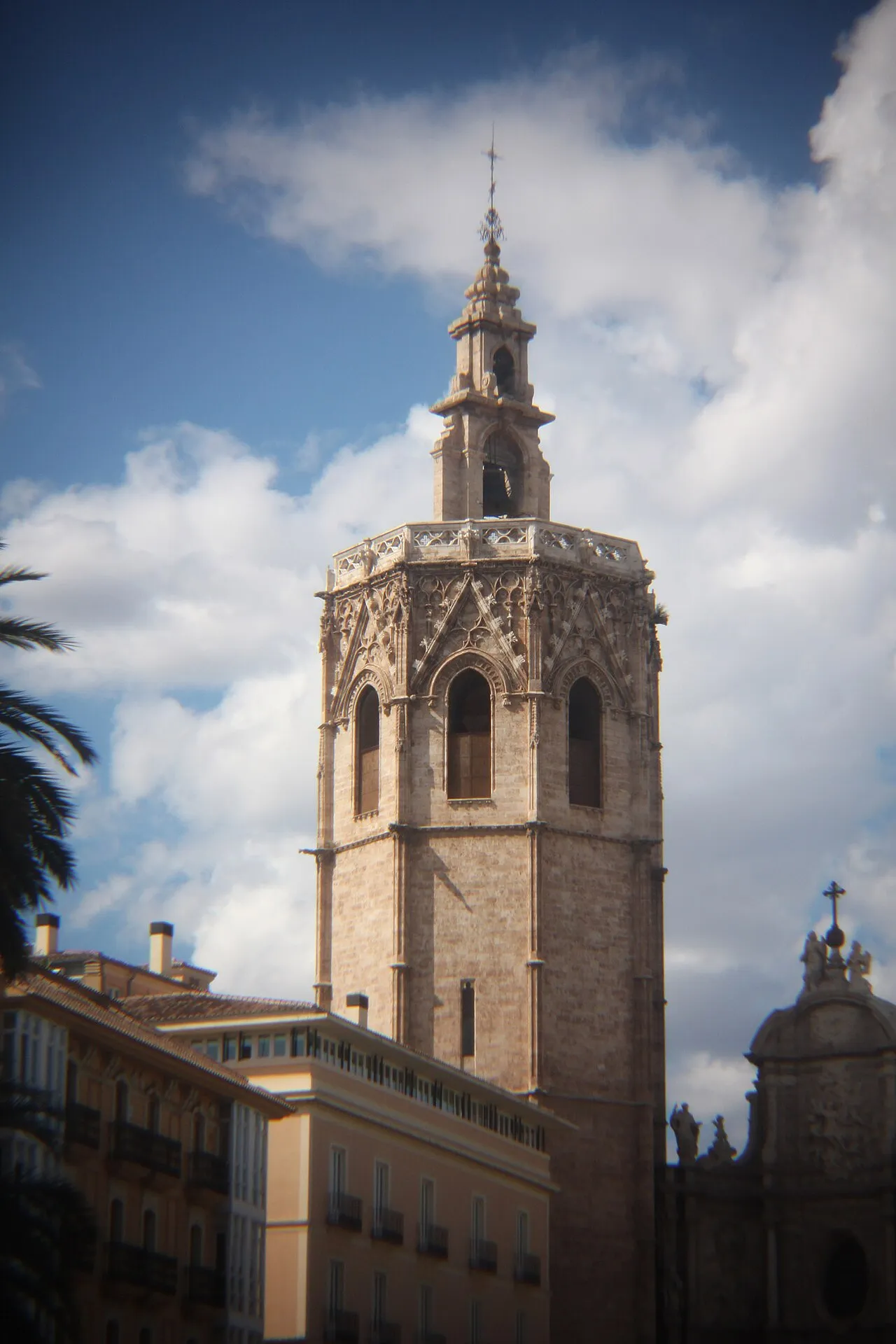
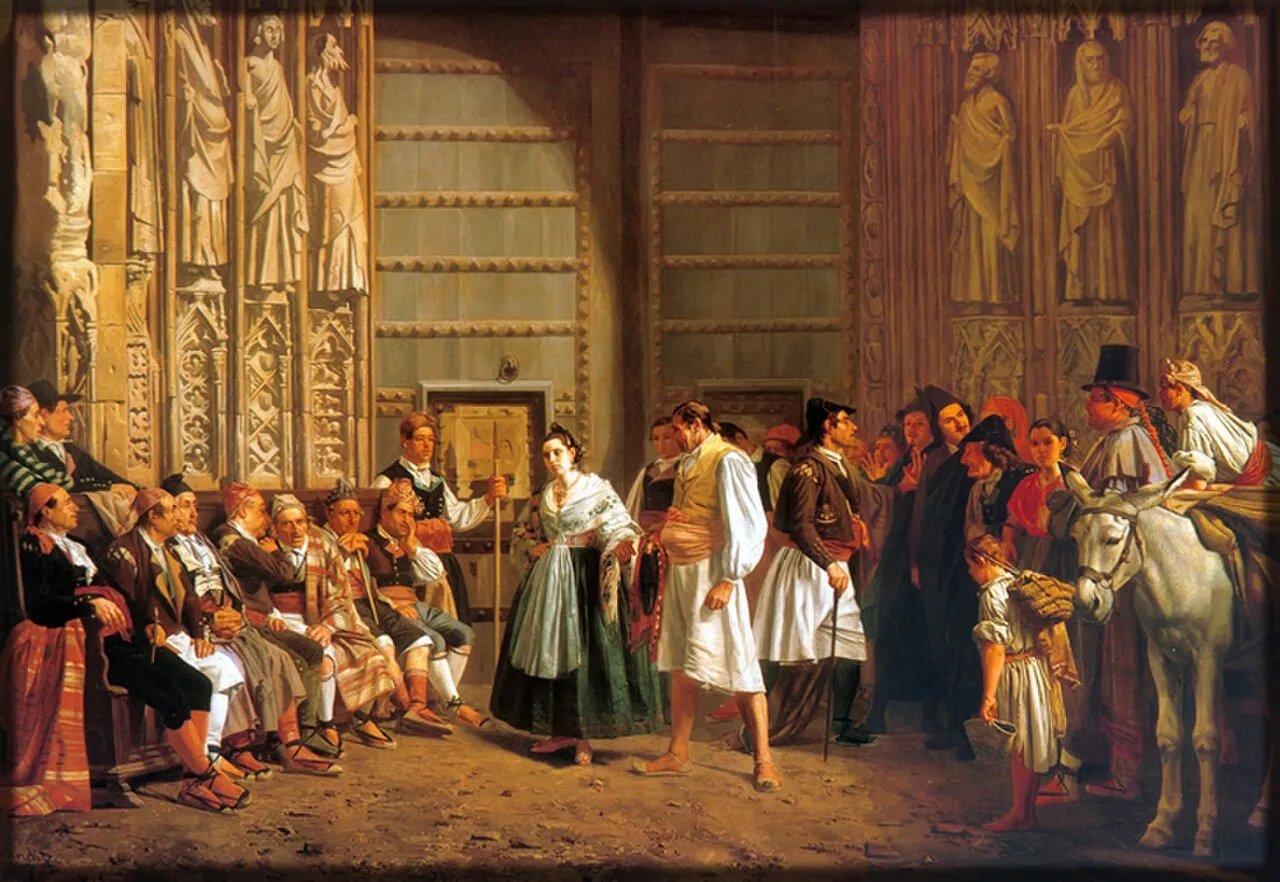
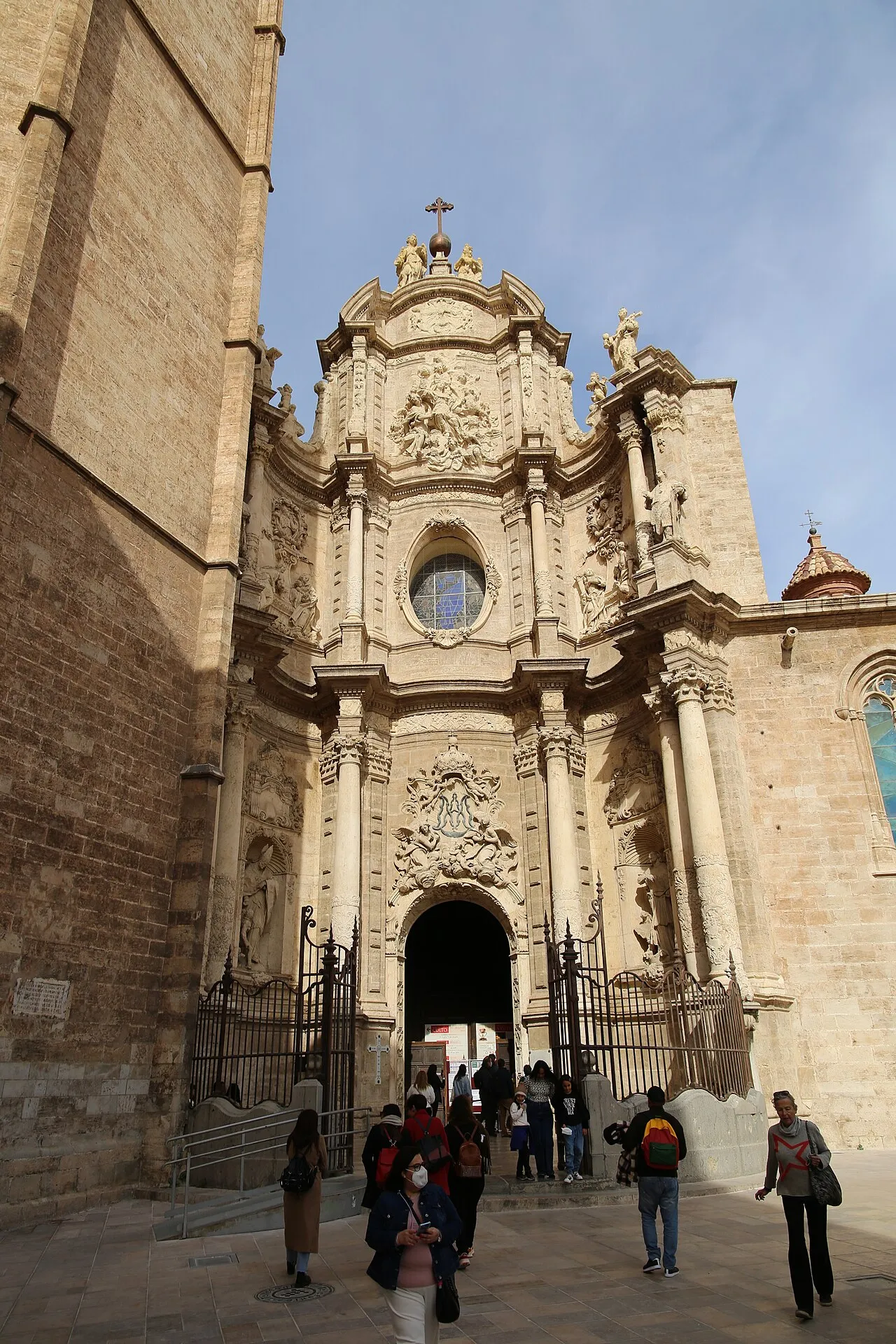
Climb the Miguelete if your legs are up to it: two hundred and seven spiral steps and no alternative, but at the top is the best view for getting your bearings on the first day. And if it is a Thursday, stand at twelve at the Puerta de los Apóstoles: the Water Tribunal meets there, judges the huerta's irrigation disputes in Valencian and has operated since the Andalusi period. It is free, lasts a few minutes and there is nothing like it in Europe.

1Valencia Cathedral

Valencia Cathedral

📍 Plaça de l'Almoina

A Roman temple, a great mosque and a Gothic cathedral stacked on the same plot. Three doorways from three different centuries, a lantern tower that filters light through translucent alabaster, the Holy Chalice in the old chapter house and the Musician Angels, the first Renaissance painting in Spain, rediscovered in 2004 after centuries hidden.

2El Miguelete

El Miguelete

📍 Plaça de la Reina

Fifty-one octagonal metres measuring almost the same in height as in perimeter at the base. You climb 207 spiral steps to a flat terrace that exists because the planned Gothic spire was never built. Its bells are still swung by hand on the great dates, a craft inscribed on UNESCO's Intangible Cultural Heritage list.

3Tribunal de las Aguas

Tribunal de las Aguas

📍 Puerta de los Apóstoles, Thursdays at 12:00

Eight trustees elected by the irrigators of the huerta meet every Thursday at midday at the cathedral door and judge irrigation disputes orally, in Valencian and without papers. It has operated since the Andalusi period, is the oldest judicial institution still active in Europe and is inscribed as Intangible Heritage. You can watch for free.

🎧 With Viavoy

Explore Valencia at your own pace

Download the app and discover Valencia offline, whenever you like. Take the walking tour The Cathedral, the Miguelete and the Plaza de la Virgen with a local guide in your ear.

Find out more about Viavoy →

Day 1, afternoon: the Lonja, the market and El Carmen

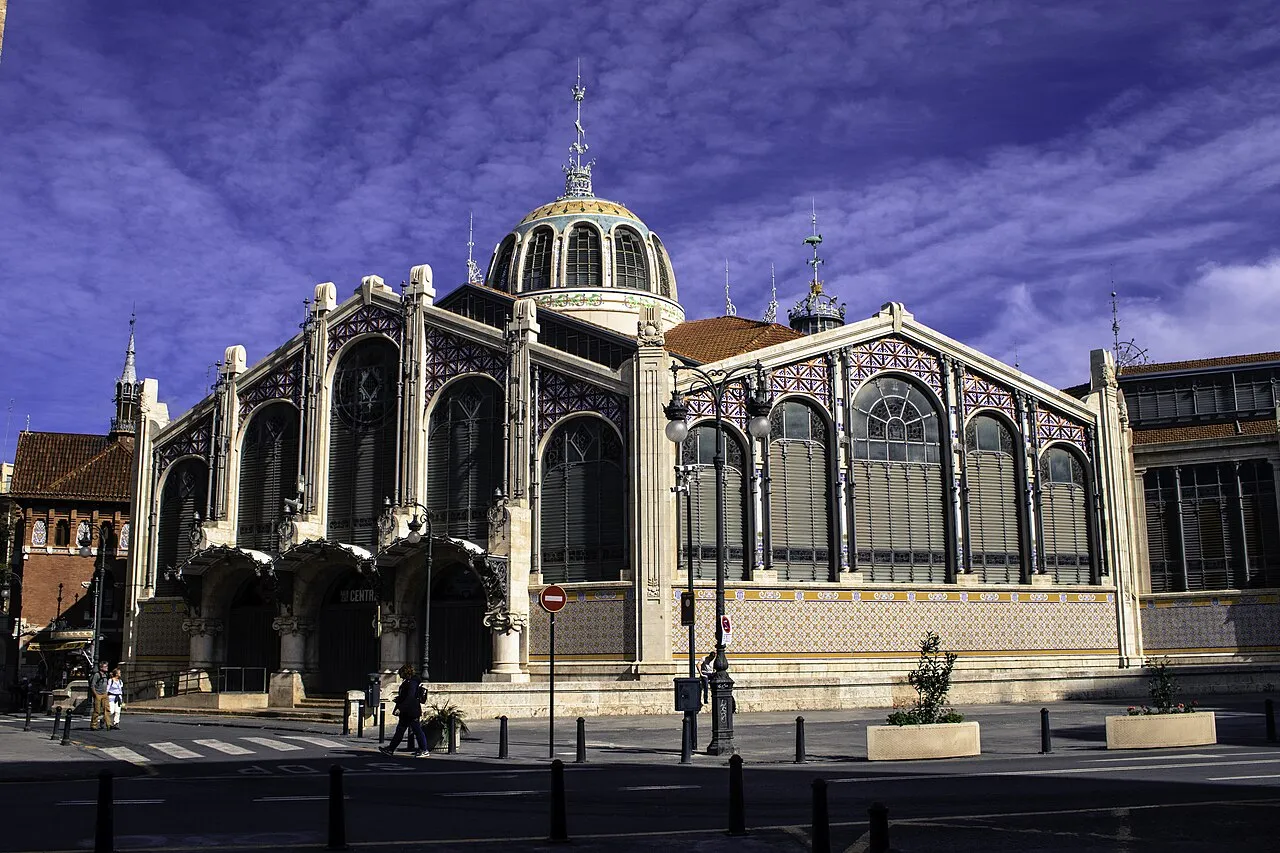
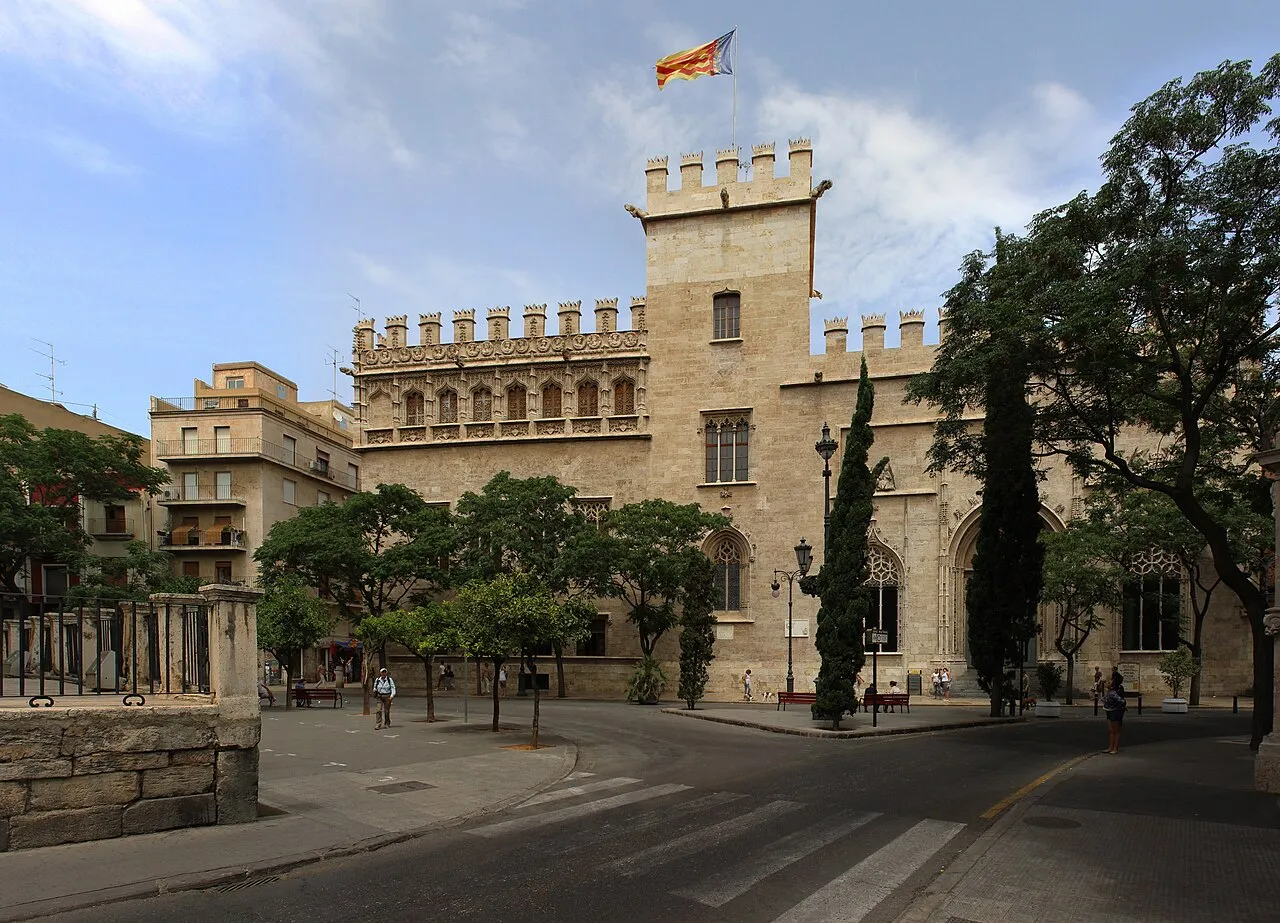
Go down to the Plaza del Mercado, seven minutes from the cathedral. There they are, face to face, the Lonja de la Seda and the Mercado Central: fifteenth-century civil Gothic and the iron Modernisme of 1928, one opposite the other, money and food.

In the Lonja, go into the Trading Hall and look up: twisted columns more than ten metres high opening out like palm trees, and a gilded frieze warning the merchant not to cheat or lend at usury. Before going in, walk round the building and look at the eaves: the corbels are full of obscene and satirical figures nobody looks at.

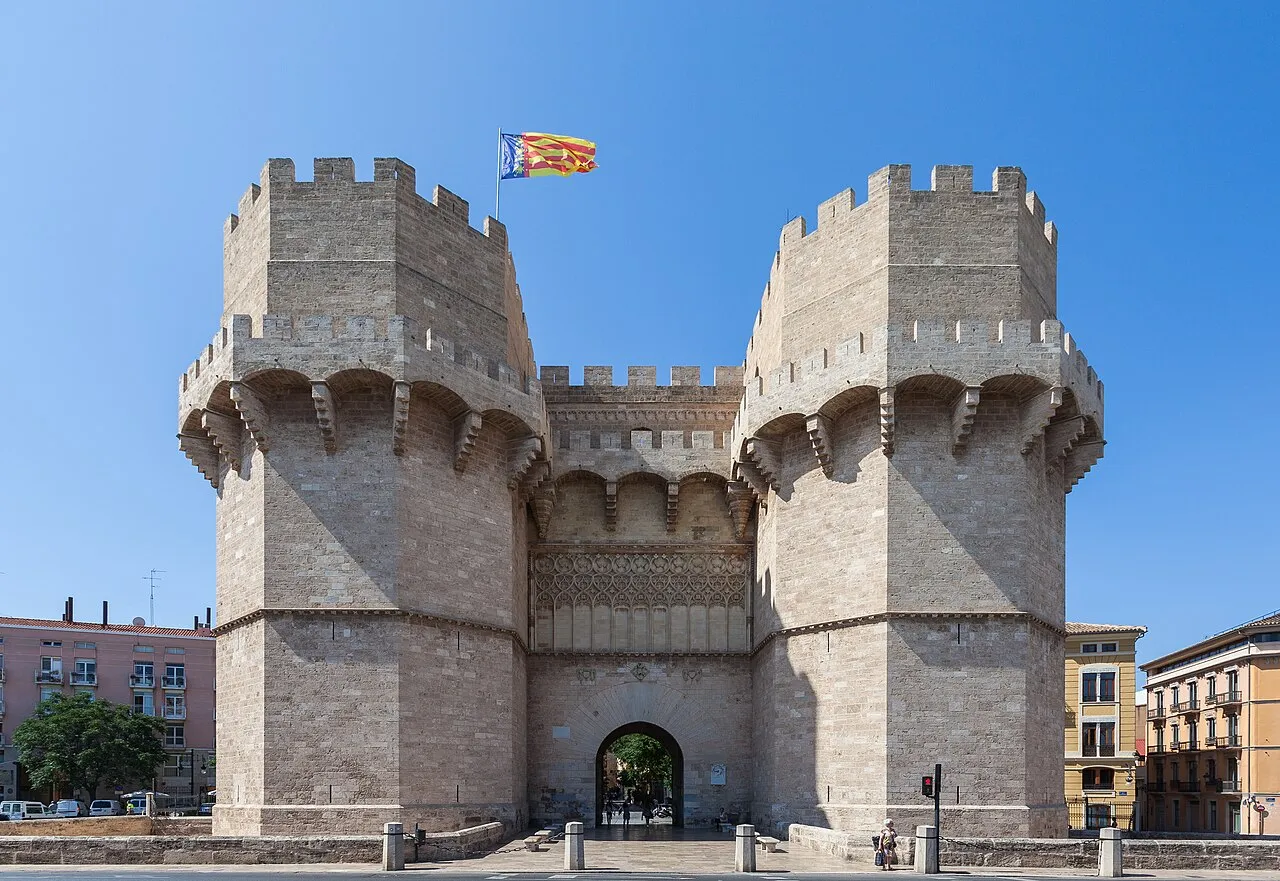
Then cross into the Barrio del Carmen, the oldest in the city, and let yourself get lost. It is the neighbourhood with the most street art in Valencia, with the two free cloisters of the Centre del Carme in the middle and a tower at each end: Serranos to the north, Quart to the west. Climb one of the two at sunset.

And if you have energy left, San Nicolás: two thousand square metres of vault painted in fresco and restored in 2016. It is the biggest surprise in the centre and it is hidden down an alley.

4La Lonja de la Seda

La Lonja de la Seda

📍 Plaza del Mercado

A World Heritage Site and one of the masterpieces of European civil Gothic, built from 1483 by Pere Compte. Its Trading Hall is a forest of twisted columns more than ten metres high opening out like palm trees. A gilded frieze exhorts the merchant to be honest; outside, by contrast, the eaves are full of obscene grotesques nobody looks up to see.

5Central Market

Central Market

📍 Plaça de la Ciutat de Bruges

More than two hundred and fifty stalls beneath domes of iron and glass, with Manises ceramics and a metal parrot topping the main dome. One of the largest markets in Europe and still the place where the city does its shopping. It opens only in the morning and closes on Sundays: it is the fact that wrecks more plans in Valencia than any other.

6Serranos Towers

Serranos Towers

📍 Plaça dels Furs

The noble gate of the medieval wall, from the late fourteenth century, with its interior left open without a rear wall: a tactical decision so that an enemy who took it could not defend it. During the Civil War, these rooms sheltered the Velázquezes and the Goyas evacuated from the Prado. You can climb them for very little money.

Day 2: the riverbed, the City of Arts and the sea

Rent a bicycle. It is the best money you are going to spend in this city.

The Jardín del Turia is the result of a citizens' victory: after the flood of 1957 the river was diverted and the plan in the sixties was to turn the empty bed into a motorway. The city mobilised under the slogan “el llit del Túria és nostre i el volem verd” and won. Today it is nine kilometres of continuous park with eighteen historic bridges overhead.

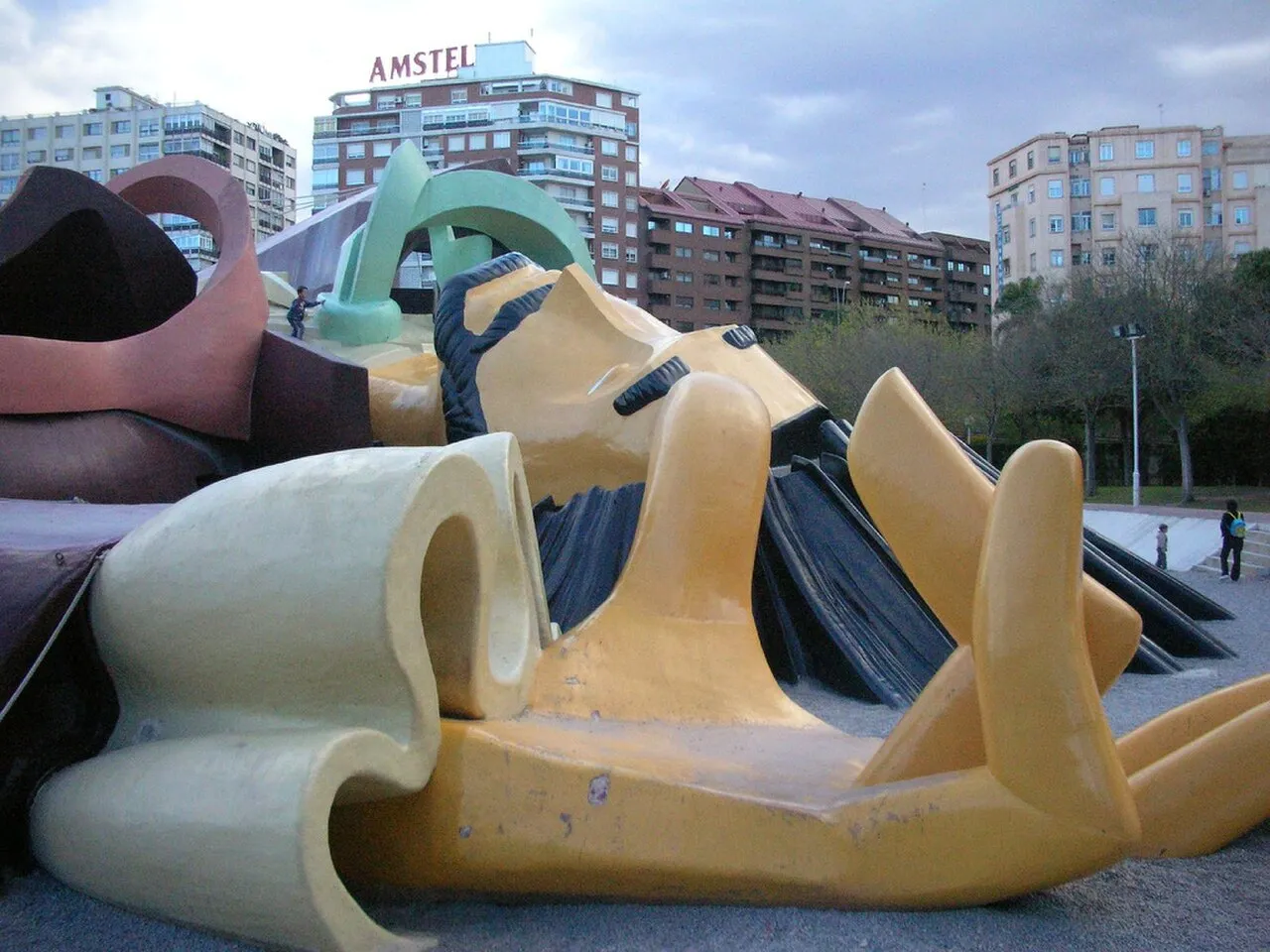
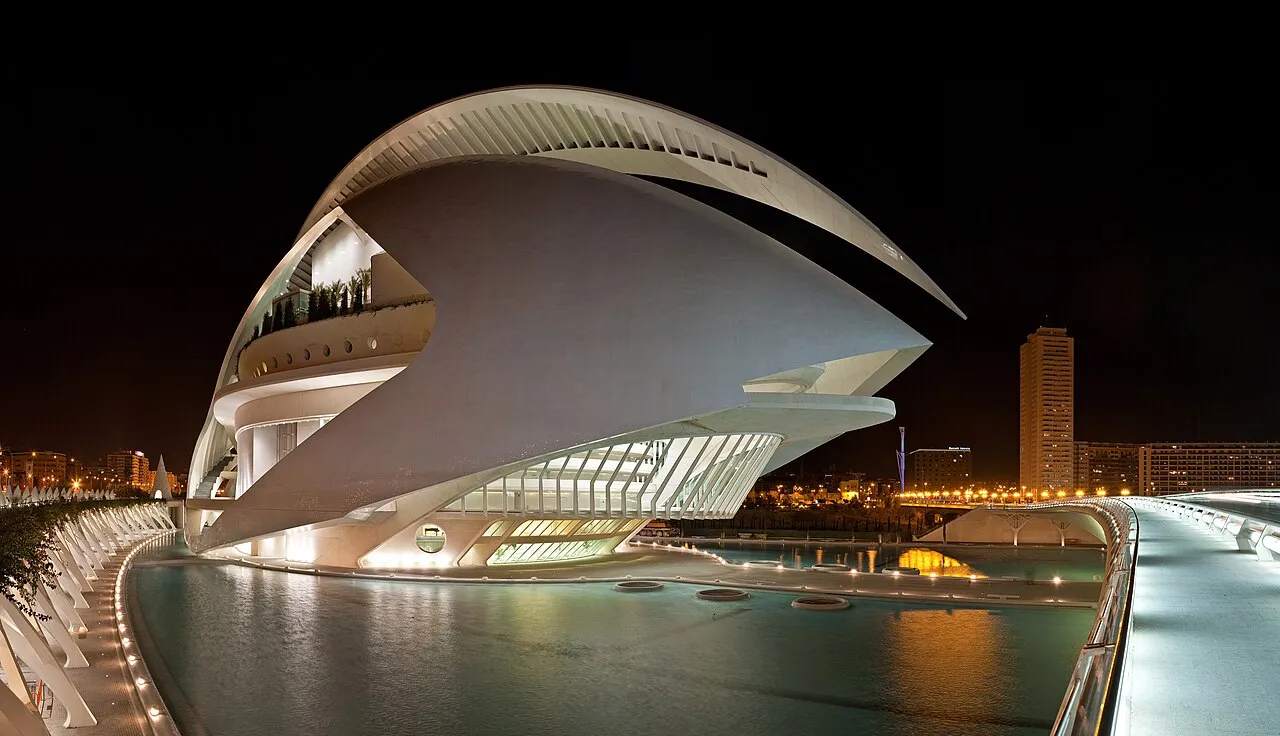
Ride it from west to east. You will pass the Palau de la Música, the Parque Gulliver — a seventy-metre reclining giant that is all slides, free and built by Fallas artists — and you will reach the City of Arts in about twenty-five minutes from the centre.

There, the important decision is how much you want to pay. The complex can be walked round outside for free, between sheets of water, and that part is the most spectacular. Inside, the Oceanogràfic asks for three or four hours and is the largest aquarium in Europe; the Museu de les Ciències works very well with children.

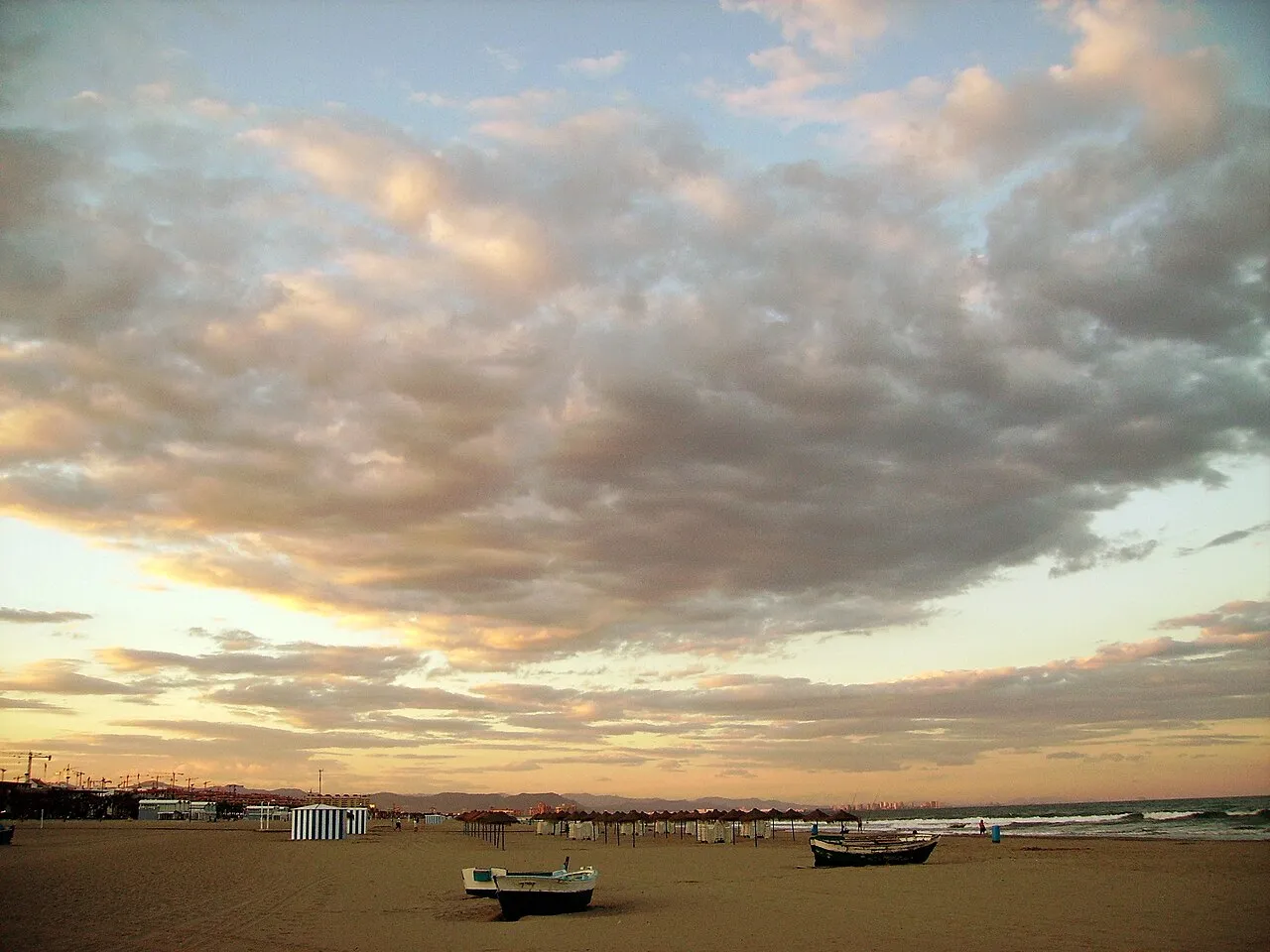
Finish at the beach. La Malvarrosa is twenty minutes away and behind it is El Cabanyal, with its coloured tiled façades, which is where you eat the best rice in the area. Book for lunchtime: no serious rice house makes paella at night.

7Gulliver Park

Gulliver Park

📍 Jardín del Turia, section 12

A seventy-metre giant lying on his back, where every fold of clothing and every lock of hair is a ramp or a slide. It was built by artists from the world of the Fallas using the same techniques as the monuments that burn in March. Free, no booking, and closed at midday in summer because the surface burns.

8Palau de les Arts Reina Sofía

Palau de les Arts Reina Sofía

📍 City of Arts and Sciences

Seventy-five metres shaped like a warrior's helmet, Valencia's opera house and the tallest piece of the Calatrava complex. Over it soars a two-hundred-metre metal blade supported only at its ends. You walk round it outside, between ponds, and at sunset it changes scale completely.

9Malvarrosa Beach

Malvarrosa Beach

📍 Passeig Marítim

Valencia's great urban beach, wide and with a long promenade. Behind it is El Cabanyal, the fishermen's neighbourhood with coloured tiled façades saved from demolition in 2015 after twenty years of residents' struggle. That is where you eat arròs a banda, which really is from here, and not the seafood paella of the promenade terraces.

Frequently asked questions

Can you see Valencia in 2 days?

Perfectly, and with margin to spare. The old town is compact — cathedral, Miguelete, Lonja, market and Barrio del Carmen fit within a fifteen-minute walking radius — and takes up one full day. The second day is enough to ride the Jardín del Turia by bike, see the City of Arts and reach the sea. With three days you can fit in El Cabanyal, the Modernista Eixample and a trip out to the Albufera.

What is the best way to get around Valencia?

On foot in the historic centre and by bicycle for the rest. Valencia is flat, has an extensive network of cycle lanes and, above all, has the Jardín del Turia: nine kilometres of continuous car-free park linking the old town to the City of Arts and to the sea. The metro is useful from the airport and for the seafront, but for everything else the bike is faster and far more pleasant.

What do you need to book in Valencia?

Not much, and that is one of its advantages over other capitals. The Oceanogràfic is best bought online, above all in high season and on long weekends. The good rice restaurants require a booking and many ask you to order the rice in advance because it is cooked to order. The rest — cathedral, Lonja, towers, the museums of El Carmen — is done as you go with no significant queues except during Fallas.

Is it worth climbing the Miguelete?

Yes, above all on the first day, because from the top you grasp the shape of the city: the compact old town, the green bed of the Turia wrapping around it and the sea in the background. The downside is the 207 steps of a narrow spiral staircase, with no lift and no alternative, where people going up and down squeeze past each other. Go first thing: at midday it becomes a bottleneck and the terrace is small.

Where to eat paella in Valencia?

In El Cabanyal, in the huerta surrounding the city or in El Palmar, beside the Albufera. Not on the seafront promenade, which is where almost everyone looks for it. Three rules: it is eaten at lunchtime and not at night, you have to book and often order it in advance because it is cooked to order, and there is no such thing as an individual paella: it is made in minimum servings of two. If you are offered a reheated paella for one, get out of there.

When is the best time to travel to Valencia?

Spring and autumn, with mild temperatures and without the saturation of summer. March has the Fallas, from the 15th to the 19th, which are spectacular but turn the city into something else: constant noise, streets closed off and prices through the roof. Summer is hot and humid, although it has the advantage of the beach. And winter is surprisingly mild: it rarely drops below ten degrees and the museums are empty.

The mistakes that keep happening in Valencia

Looking for the best paella on the seafront promenade. It is the most expensive and the most widespread mistake. Paella is a dish of the huerta, not the beach, and the good rice is in El Cabanyal, in the huerta and in El Palmar, beside the Albufera. And it is eaten at lunchtime, with a booking, and in minimum servings of two.

Going to the Mercado Central on a Sunday. It closes, like almost all Spanish municipal markets, and in the afternoons too. If you do not check, you find yourself in front of a lowered shutter at the very moment you were most looking forward to it.

Taking public transport between the centre and the City of Arts. It exists, but it is slower and far less pleasant than the riverbed by bicycle: twenty-five flat minutes, car-free and shaded. Renting a bike for the second day changes everything.

And planning a normal day during Fallas. From 15 to 19 March the city runs by other rules: streets closed off, constant noise from first thing, museums with altered hours and prices through the roof. It is hugely worth going, but not as if it were an ordinary tourist trip.

Practical information

DurationTwo full days. Day 1 the old town on foot; day 2 the riverbed, the City of Arts and the sea by bike.
TransportA flat city. Bicycle for day 2: the Jardín del Turia links the centre to the sea with no cars.
BookingOceanogràfic and rice restaurants. The rest of the centre is done as you go.
Key opening hoursMercado Central mornings only and closed on Sundays. Water Tribunal, Thursdays at 12:00.
Eating riceAt lunchtime, with a booking, minimum two people. In El Cabanyal, the huerta or El Palmar.
BudgetThe Lonja costs about 2 €, the towers a few euros and the Jardín del Turia is free. Valencia is cheap.
On the map

🎧 With Viavoy

Walk Valencia and listen at your own pace

Download Viavoy and walk Valencia offline, whenever you like.

from 2,99 €· one-off payment
City Pass · 9,99 €3 days, all the tours in Valencia
Find out more about Viavoy →
Viavoy app

Keep reading

More articles

What to see

City of Arts and Sciences: what to visit and what you can see for free

What to see

The Jardín del Turia: the river Valencia turned into a park

Food & drink

Paella and rice dishes in Valencia: what to order, where and when

Neighbourhoods

El Carmen: city walls, street art and the Valencia that was never planned