And beyond: the Serranía
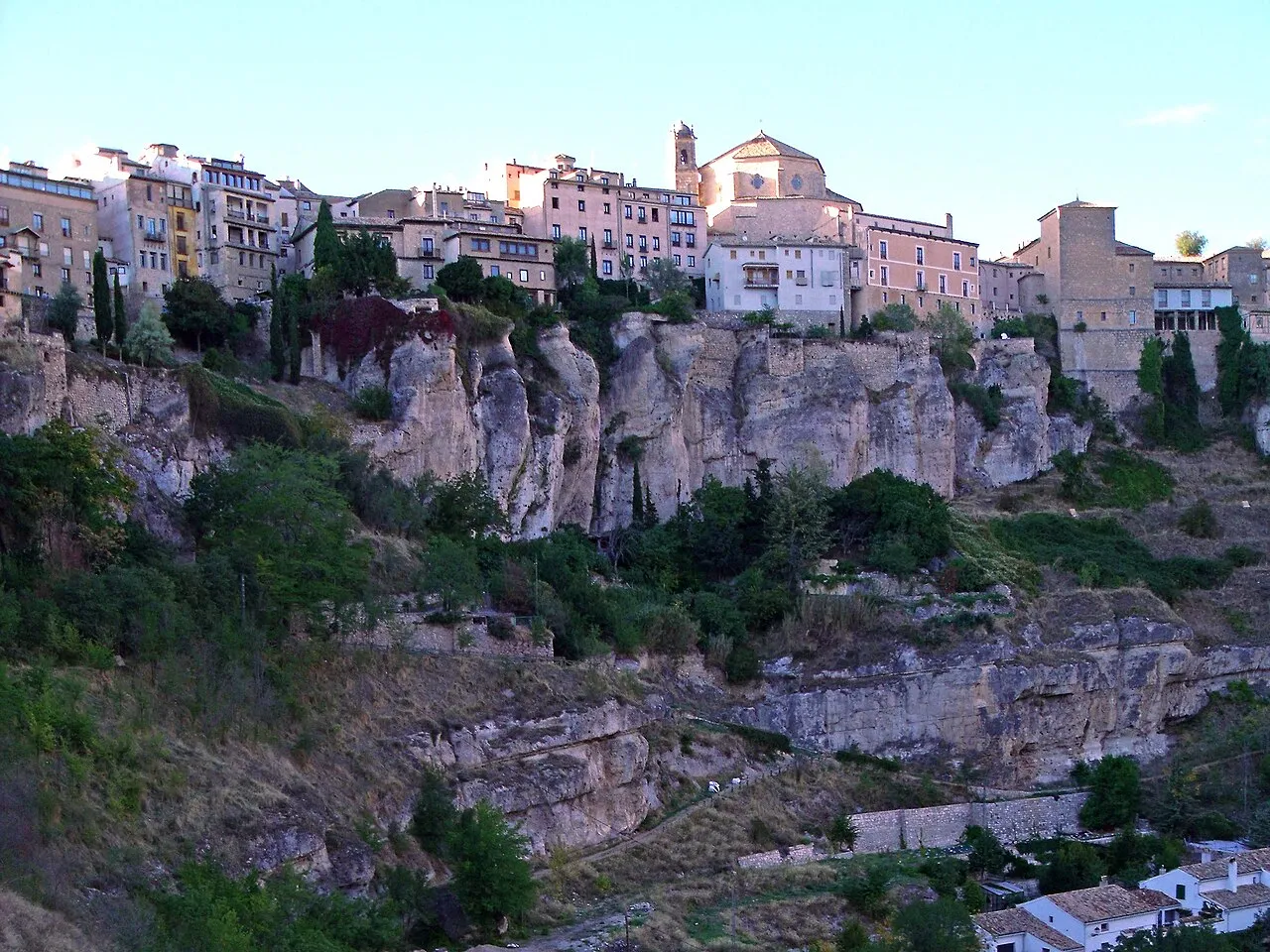
The urban gorges are only the beginning. The Serranía de Cuenca is a limestone mountain district with canyons, cliffs, rivers and woodland, and for centuries it was an area of timber and livestock use long before it was a tourist one.
The most visited spot is the Ciudad Encantada, some thirty kilometres away, a landscape where erosion has sculpted the limestone into formations that popular imagination has gradually christened with the names of animals and objects. It takes an hour and a half along a signposted path and you need a car.
Further away is the source of the river Cuervo, with a waterfall over a blanket of moss that in spring, with the thaw, is spectacular, and in summer drops considerably in flow. Also the Ventano del Diablo, a natural viewpoint over the Júcar gorge upstream.
All this goes beyond the scope of a one-day trip to the city, but it is worth knowing it is there: anyone booking two or three days will find that the province of Cuenca has quite a lot more than its old town, even if the old town is what has made it famous.
Practical information
What a hoz isA river canyon cut into limestone rock. Cuenca has two, almost parallel, which meet to the south.
The key walkThe floor of the Huécar gorge, along the narrow road beside the river. One or two hours.
The Júcar gorgeWider, greener and with shade. The one the locals use for walking.
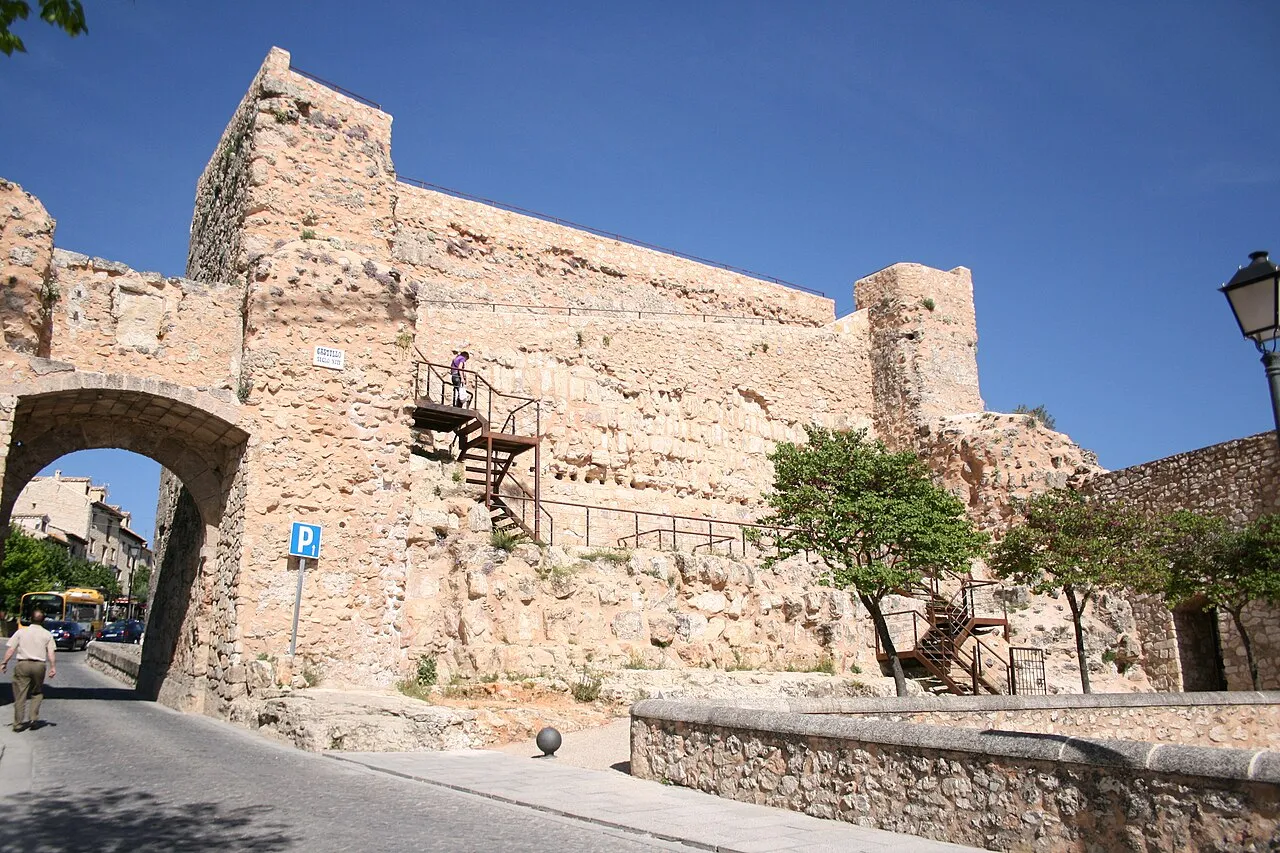
ViewpointsPuente de San Pablo, the castle, the ronda de Julián Romero and the Mangana esplanade.
Ciudad Encantada30 km away, by car. A signposted hour-and-a-half path among limestone formations.
WhenSpring and autumn. In summer, the floor of the Júcar gorge for the shade.