Goya's Zaragoza: where to see his work in the city
Two unsignposted domes in the basilica, a free room in the municipal museum and the village where he was born, half an hour away. A route through the city of the most important Aragonese painter in history.
Goya was born in Fuendetodos, a small village half an hour from Zaragoza, trained here and received his first important commissions here before leaving for Madrid and becoming a court painter. The city keeps work of his in several places, and some of those pieces are where nobody looks for them.
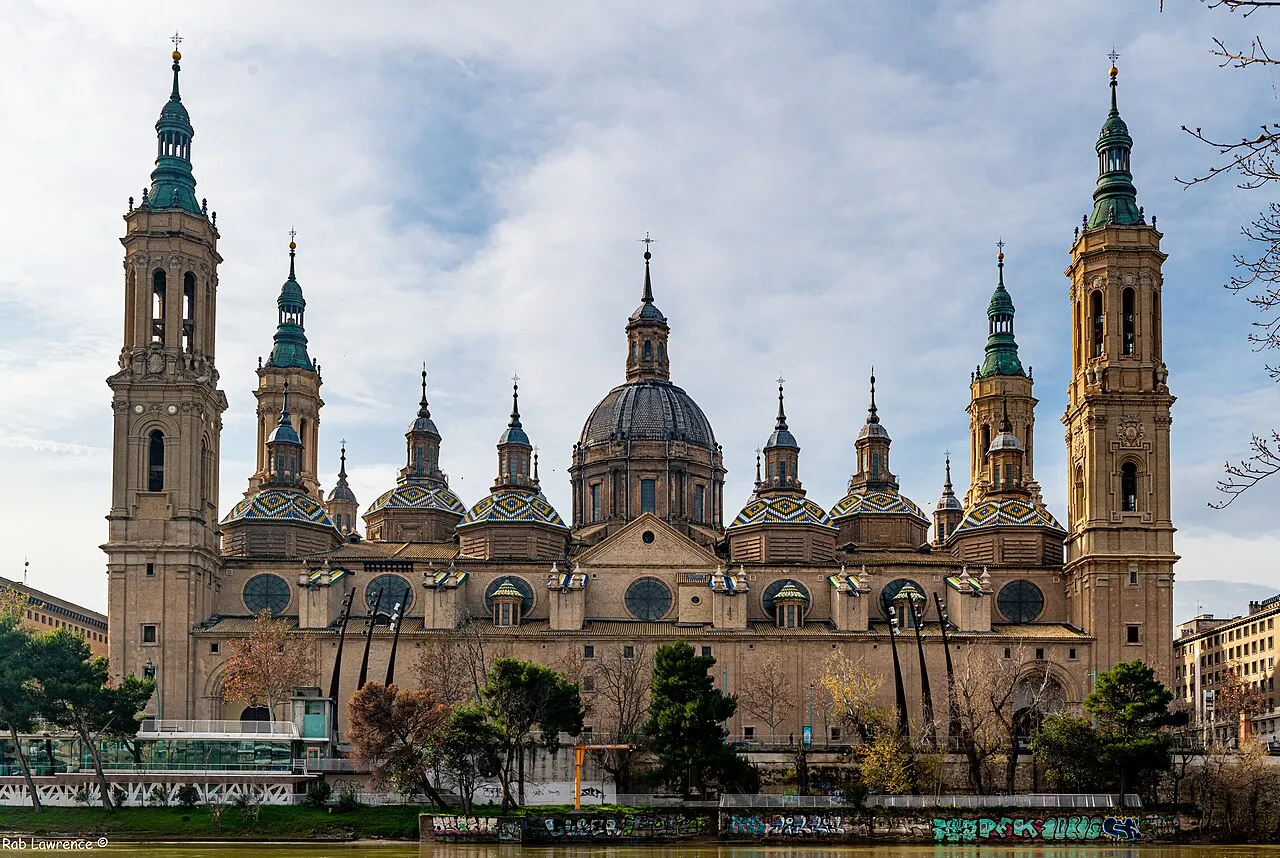
The two domes he painted in the Basílica del Pilar are not obviously signposted. You have to look up and find them: they are “Regina Martyrum” and the one over the coreto.
The Pilar: two commissions and a row
His first important works.
Goya painted two domes in the Basílica del Pilar at two different moments in his career. The first, the one over the coreto, the small choir chapel, he did young, just back from Italy, and it was one of the commissions that placed him on the Aragonese professional circuit.
The second, “Regina Martyrum”, is much later and its story is more complicated. The cathedral chapter and his brother-in-law Francisco Bayeu, who was directing the work, criticised his sketches as unfinished and too loose, and demanded corrections. Goya refused, there was a serious conflict and he came close to walking away from the commission.
That episode says a good deal about his character and about the moment: what looked to him like a new way of painting looked to his contemporaries like carelessness. That tension between his technique and the client's expectations stayed with him for much of his career.
To see them you have to go into the church, which is free, and look upwards. They are unsignposted, so most visitors walk underneath without knowing.
The church is free to enter, so seeing Goya's domes costs nothing. They are among the eleven that cover the building and there is no sign pointing them out: you have to look up and find them. The church museum, which is paid for separately, keeps sketches of his.
This is where the Museum of Zaragoza is, free, with a room devoted to Goya holding original work: portraits, religious paintings and series of prints. It is probably the best place in the city to see his work and one of the most overlooked visits in the ensanche.
Download the app and discover Zaragoza offline, whenever you like. Take the walking tour Los Sitios, Goya and the Parque Grande with a local guide in your ear.
The Museum of Zaragoza, on the Plaza de los Sitios, is free and has a room devoted to the painter with original work: portraits, religious painting and series of prints. It is the best concentration of Goya in the city and one of the most overlooked visits in the ensanche, the nineteenth-century expansion.
In the old town there is also a single-subject museum with a collection centred above all on his graphic work: the four great print series — Caprichos, Disasters of War, Tauromaquia and Disparates — in complete editions, as well as paintings by him and by his contemporaries.
The prints are, in many ways, the most modern part of his output: complete series conceived as an argument, with social satire, political criticism and a visual violence that had no precedent at the time. Seeing a whole series in order is a different experience from seeing a single plate.
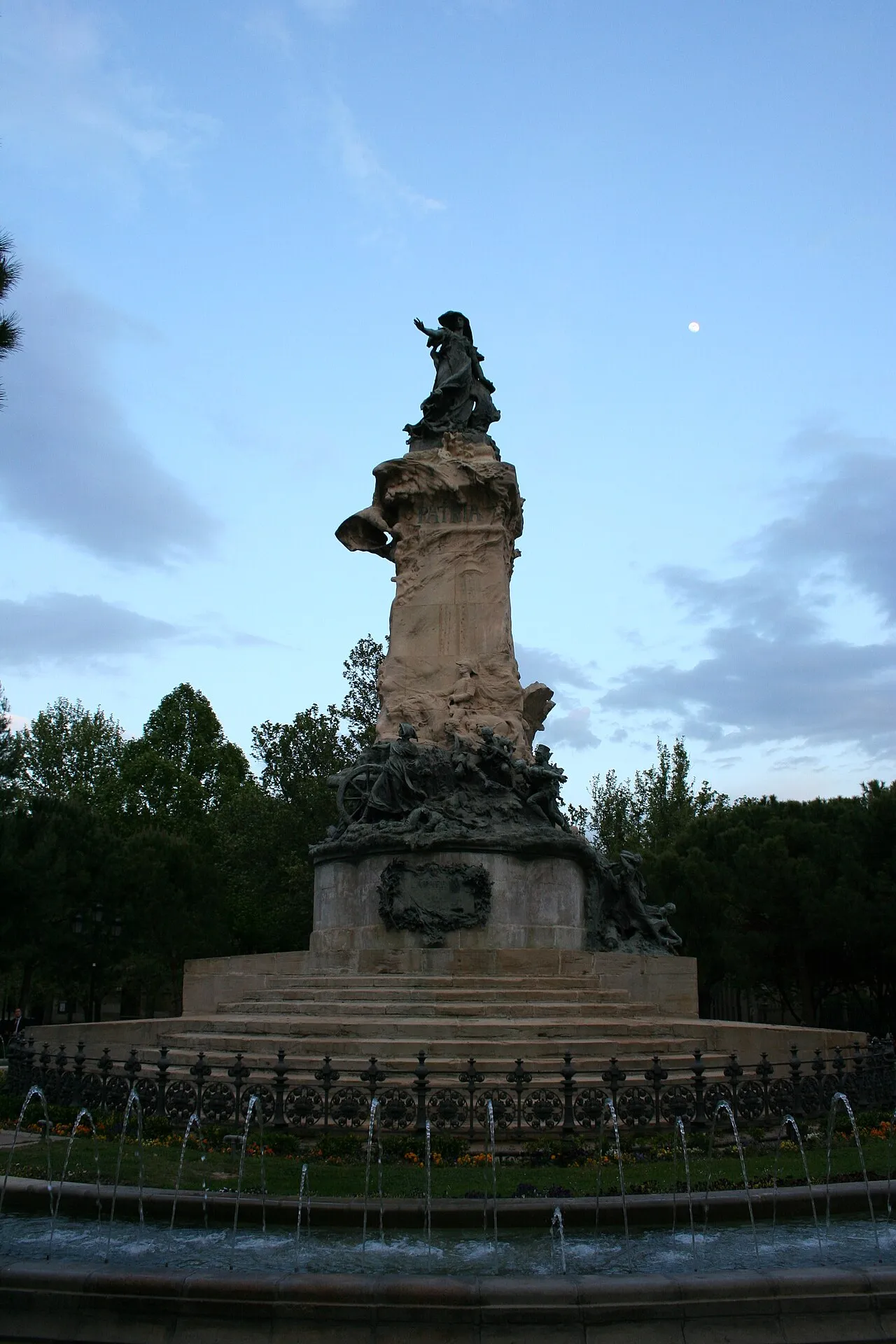
“The Disasters of War” is also directly tied to this city: Goya came to Zaragoza during the Sieges, commissioned by General Palafox, to see and document the ruins. What he saw here and in other settings of that war is in that series.
Fuendetodos and the rest of the province
He was born in Fuendetodos in 1746, a small village some forty kilometres south of Zaragoza, in an arid landscape with very little population. The birthplace has survived and can be visited, along with a print museum set up in the same village.
It is a half-day excursion by car and it gives a very direct sense of the starting point: a family of craftsmen — his father was a gilder — in a tiny village of rural eighteenth-century Aragon. The distance between that and painter to the king is considerable.
In the province there is more of his work in little-visited places: the charterhouse of Aula Dei, on the outskirts of Zaragoza, keeps a cycle of large-format wall paintings of his, with restricted access and occasional visits.
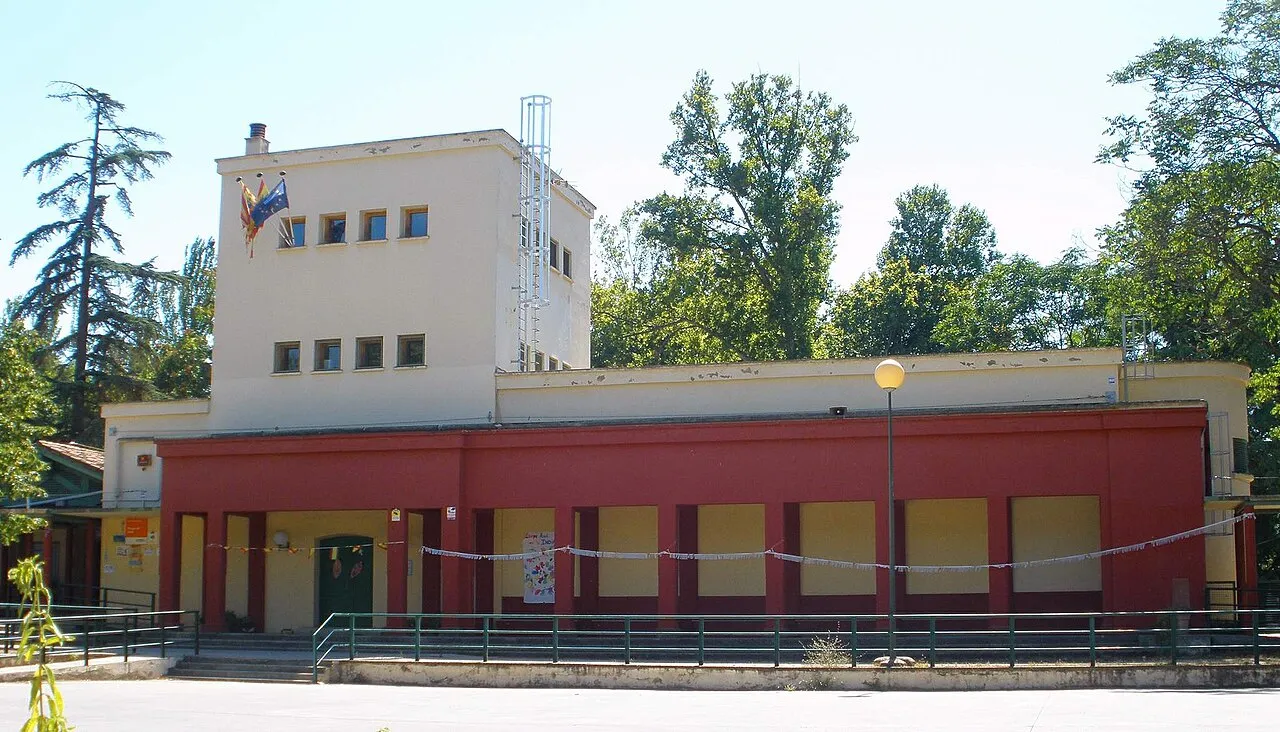
And in the city itself, the Rincón de Goya, in the Parque Grande, carries his name but holds no work: it is a pavilion of 1928 raised for the centenary of his death, and its interest is architectural, because it is the first Rationalist building put up in Spain.
It carries his name because of the centenary of his death but keeps no work of his. Its interest is another thing: it is the first Rationalist building put up in Spain, from 1928, by Fernando García Mercadal, a few years before that language became general here.
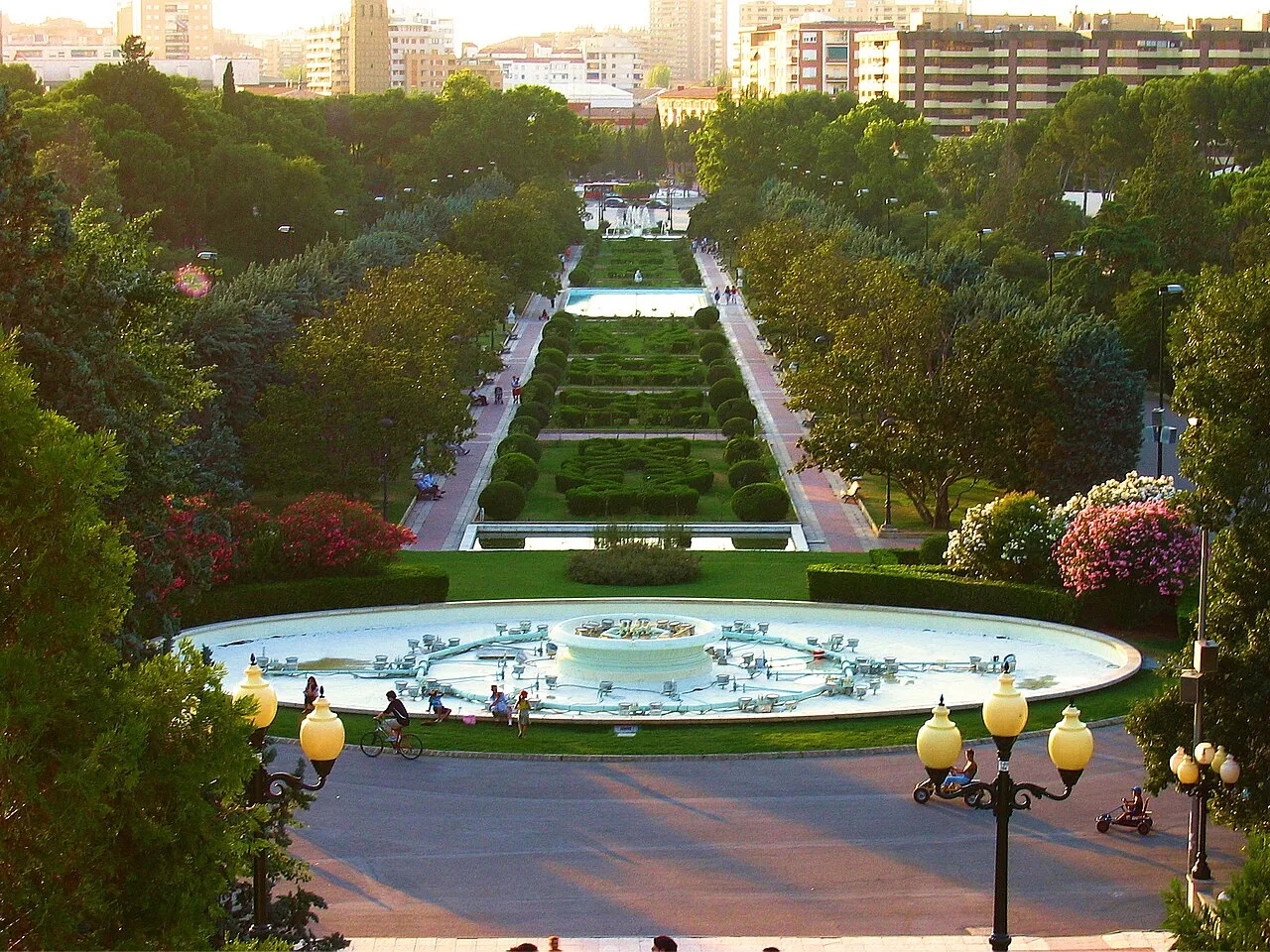
The pavilion is inside the park, twenty minutes on foot from the centre or a few minutes by tram. The park also has a botanical garden with origins in the eighteenth century and it is the only place in the city where you can be outdoors at midday in summer.
In four places: the two domes he painted in the Basílica del Pilar, which are free to see but not signposted; the Museum of Zaragoza, on the Plaza de los Sitios, free and with a room devoted to him; a single-subject museum in the old town centred on his graphic work; and the charterhouse of Aula Dei, on the outskirts and with restricted access.
Is it true he lost his temper painting at the Pilar?
Yes, and the conflict was serious. While he was painting “Regina Martyrum”, the cathedral chapter and his brother-in-law Francisco Bayeu, who was directing the work, criticised his sketches as unfinished and too loose and demanded corrections. Goya refused and came close to walking away from the commission. What he saw as new technique, they saw as carelessness.
Where was Goya born?
In Fuendetodos, a small village some forty kilometres south of Zaragoza, in 1746. The birthplace has survived and can be visited, and there is a print museum in the same village. It is a half-day excursion by car and it gives a very direct sense of the starting point: a family of craftsmen in rural eighteenth-century Aragon.
What have his prints got to do with this city?
“The Disasters of War” is directly tied to Zaragoza: Goya came during the Sieges, commissioned by General Palafox, to see and document the ruins of the besieged city. What he saw here and in other settings of that war fed a series whose tone is anything but heroic and which works as an accusation.
Does the Rincón de Goya hold any of his work?
No. It carries his name because it was built in 1928 for the centenary of his death, but it is a pavilion with no collection. Its interest is architectural and considerable: it is the first Rationalist building put up in Spain, by Fernando García Mercadal, a few years before that language became general in the country.
How long do you need for the Goya route?
Inside the city, a good half-day: the domes of the Pilar while you visit the basilica, the single-subject museum in the old town and the Museum of Zaragoza in the ensanche. If you add Fuendetodos, count another half-day and having a car, because public transport out there is very limited.
Practical information
At the PilarTwo domes, unsignposted. The church is free: you have to look up and find them.
Museum of ZaragozaPlaza de los Sitios, free, with a room devoted to him and original work.
PrintsA single-subject museum in the old town with the four great series complete.
FuendetodosBirthplace and print museum, 40 km to the south. A half-day excursion by car.
Aula DeiA charterhouse on the outskirts with a wall cycle of his. Restricted access and occasional visits.
Watch outThe Rincón de Goya carries his name but holds no work: its interest is architectural.
On the map
🎧 With Viavoy
Walk Zaragoza and listen at your own pace
Download Viavoy and walk Zaragoza offline, whenever you like.
from 2,99 €· one-off payment
City Pass · 9,99 €3 days, all the tours in Zaragoza