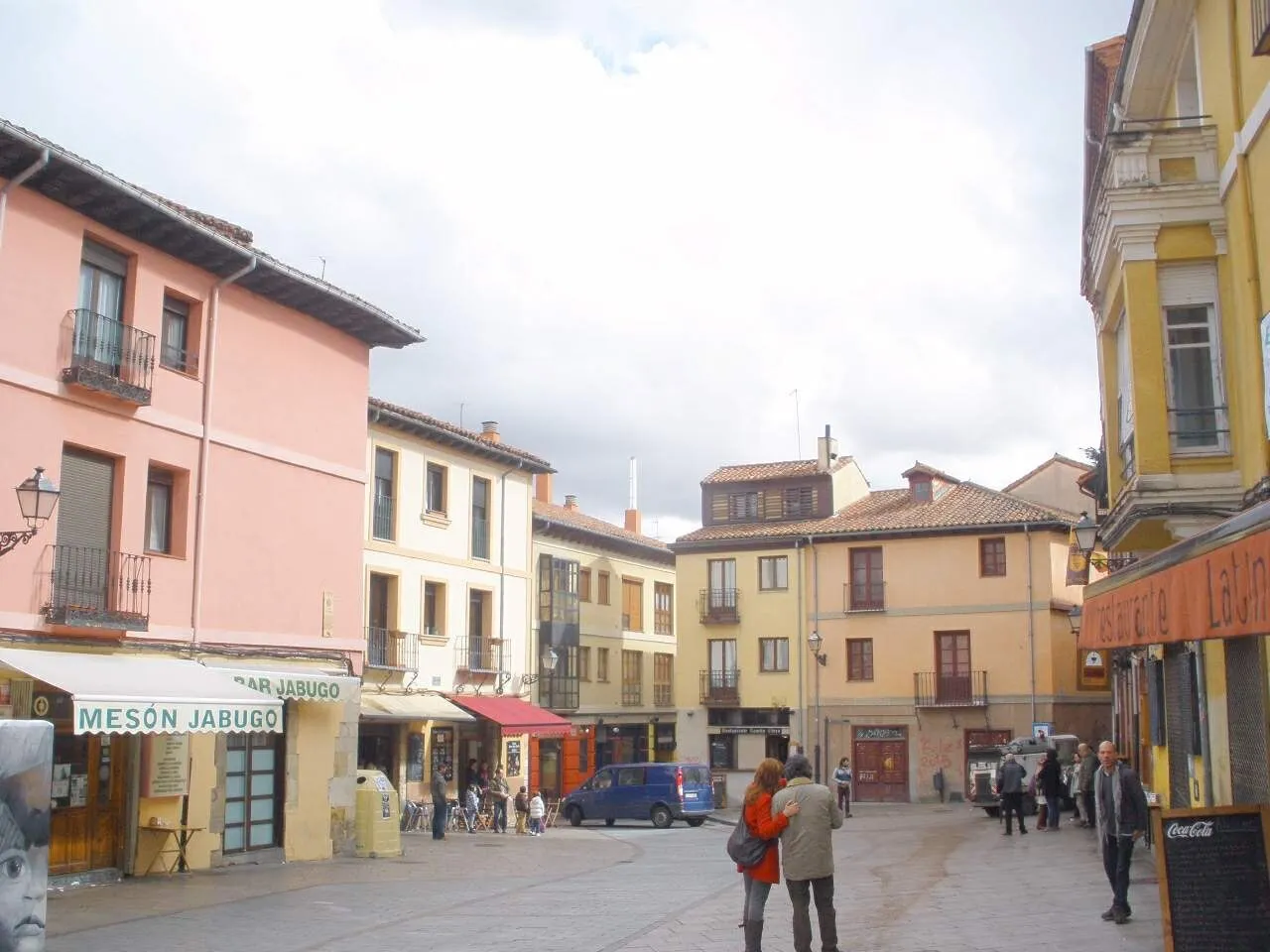
Barrio Húmedo
Where to try all this without sitting down at a table: the tapa comes free with your drink and each bar has its own. If a place gives cecina as its tapa, stay. With five or six stops you have more than enough for dinner.

An enormous province with four districts of distinct cooking. What each product is, why the stew is eaten backwards and what wine to order without going wrong.
🎧 On the walk Monumental León: the cathedral of light, San Isidoro and the Barrio HúmedoThe province of León is one of the largest in Spain and brings together very different landscapes: mountains to the north, the páramo, the bare high plain, in the centre, the Maragatería to the west and El Bierzo, almost Galician, on the other side of the mountains. Each one has its own cooking, and they all converge on the menus of the capital, which means that in León you eat with a variety unusual for the size of the city.
And it is not ham.
Cecina de León is beef — usually the topside, the thick flank, the silverside or the rump — salted, smoked over oak or holm-oak wood and air-cured for at least seven months. It holds a protected geographical indication and it is the product most people take home from the city.
It is cut in very fine slices, almost transparent, and served with a thread of olive oil. The flavour recalls ham but is deeper and with a clear smoky base, and the texture is drier and more fibrous. Anyone trying it for the first time usually needs two or three slices to place it.
The process is old and follows the same logic as any curing: salt to draw out water, smoke to preserve and dry, cold mountain air to complete the drying. The Astorga district and the León mountains are the reference areas.
There is also cecina de chivo, made with kid, rarer and much more intense in flavour, typical of Vegacervera. And in some places smoked cecina is served in more modern versions, in shavings or as a tartare, although the classic slice remains unbeatable.
Where to try all this without sitting down at a table: the tapa comes free with your drink and each bar has its own. If a place gives cecina as its tapa, stay. With five or six stops you have more than enough for dinner.
Download the app and discover Leon offline, whenever you like. Take the walking tour Monumental León: the cathedral of light, San Isidoro and the Barrio Húmedo with a local guide in your ear.
Find out more about Viavoy →Botillo del Bierzo is a sausage made with chopped pork rib and tail, marinated with paprika and garlic, stuffed into the animal's caecum, smoked and half-cured. It is boiled for hours and served with cabbage, potato and chorizo. It is hearty even by local standards and is eaten above all in winter.
León's morcilla is made with onion instead of rice, which makes it softer and less compact than the one from Burgos. It is served fried in cubes, on bread or in stews, and it is one of the most common tapas in the Barrio Húmedo, the old tapas quarter.
Cocido maragato is the ceremonial dish of the province and is eaten backwards compared with any other stew: first the meats — up to nine or ten kinds, with ear, snout, hen, cecina, chorizo, bacon — then the vegetables with the chickpeas, and the soup at the end. It finishes with custard and garlic soup.
The most repeated explanation for that order is military: eat the substantial part first, in case you had to run. There are other versions — muleteers, hard labour — and none is proven, but the order is respected strictly and in the restaurants of the Maragatería it is not up for discussion.
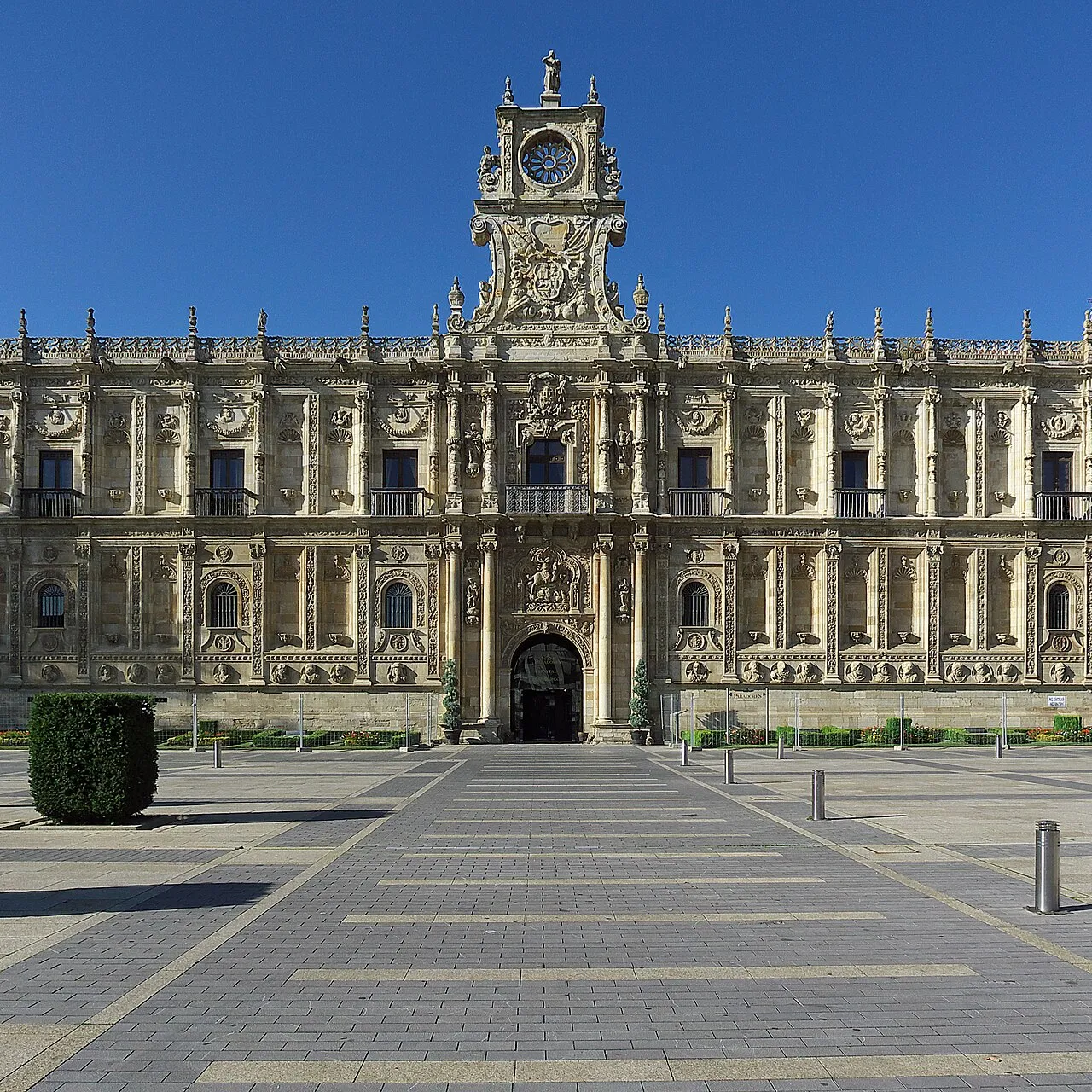
The parador hotel has a dining room and is the city's high-end option, with León cooking in a sixteenth-century Plateresque building. And even if you do not eat there, the entrance hall can be seen over a drink, which is the easy way to see the interior.
Beef — topside, thick flank, silverside or rump — salted, smoked over oak or holm-oak wood and air-cured for at least seven months. It holds a protected geographical indication. It is cut in very fine slices and served with a thread of olive oil: it tastes like ham but deeper, with a smoky base and a drier texture.
The most repeated explanation is military: eat the substantial part first, the meats, in case you had to run. There are other versions — muleteers, hard labour — and none is proven. But the order is respected strictly: first the meats, then the vegetables with the chickpeas and the soup at the end.
A sausage made with chopped pork rib and tail, marinated with paprika and garlic, stuffed into the animal's caecum, smoked and half-cured. It is boiled for hours and served with cabbage, potato and chorizo. It is a winter dish and hearty even by León standards.
One from El Bierzo, with the mencía grape: reds of red fruit and marked acidity, closer to an Atlantic wine than a Castilian one, and they go very well with cecina. Or one from Tierra de León, with prieto picudo, native and distinctive, considerably less known and cheaper. Either of the two improves the tapas run a great deal on a beer.
In that it is made with onion instead of rice, which makes it softer and less compact than the one from Burgos. It is served fried in cubes, on bread or inside stews, and it is one of the most common tapas in the Barrio Húmedo. It is also the base of several more elaborate local preparations.
The mantecadas of Astorga and the puff pastries, and above all chocolate: in the nineteenth century Astorga was one of the great chocolate-making centres of Spain, with dozens of factories, and it still has a chocolate museum and workshops in production. It is forty kilometres from León and combines well with a visit to the palace by Gaudí.
El Bierzo is the important denomination. Its grape is mencía, which gives reds of red fruit, marked acidity and little body, closer to an Atlantic wine than a Castilian one, and they have won notable international recognition over the last two decades. They go very well with cecina.
The other denomination is Tierra de León, with the prieto picudo grape, native and quite distinctive, which gives rosés of great colour and reds with character. It is less known and considerably cheaper, and ordering a prieto picudo instead of a beer changes the tapas experience quite a bit.
For something sweet, the mantecadas of Astorga, the puff pastries, and chocolate: in the nineteenth century Astorga was one of the great chocolate-making centres of Spain, with dozens of factories, and it still has a chocolate museum and workshops in production.
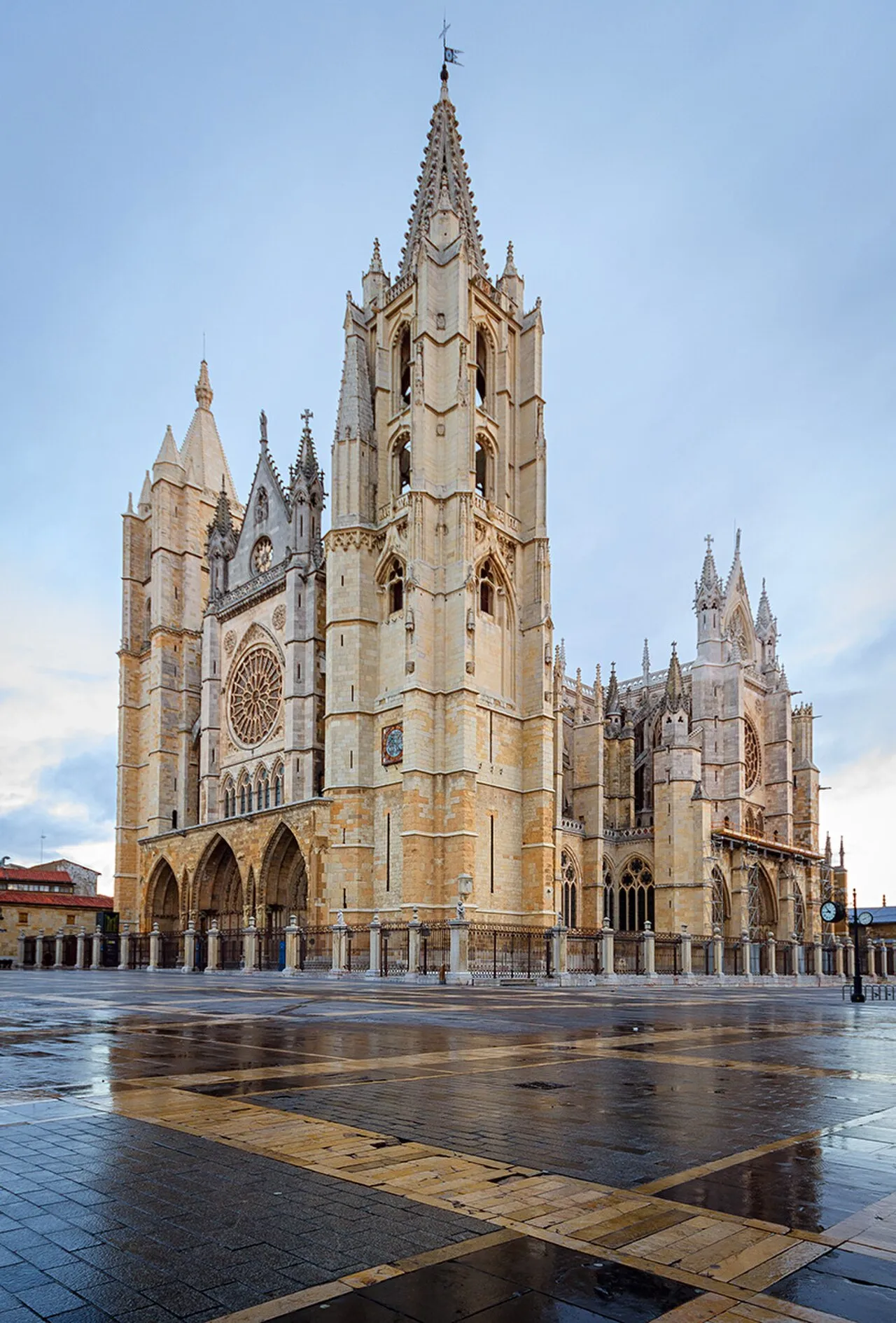
On the areas: the Barrio Húmedo for tapas with the tapa included; the Barrio Romántico, around the cathedral, for something quieter; and the plaza Mayor as a middle option with terrace tables and a proper table. The serious León restaurants are spread around the centre and it is worth booking at weekends.
Download Viavoy and walk Leon offline, whenever you like.

Keep reading