1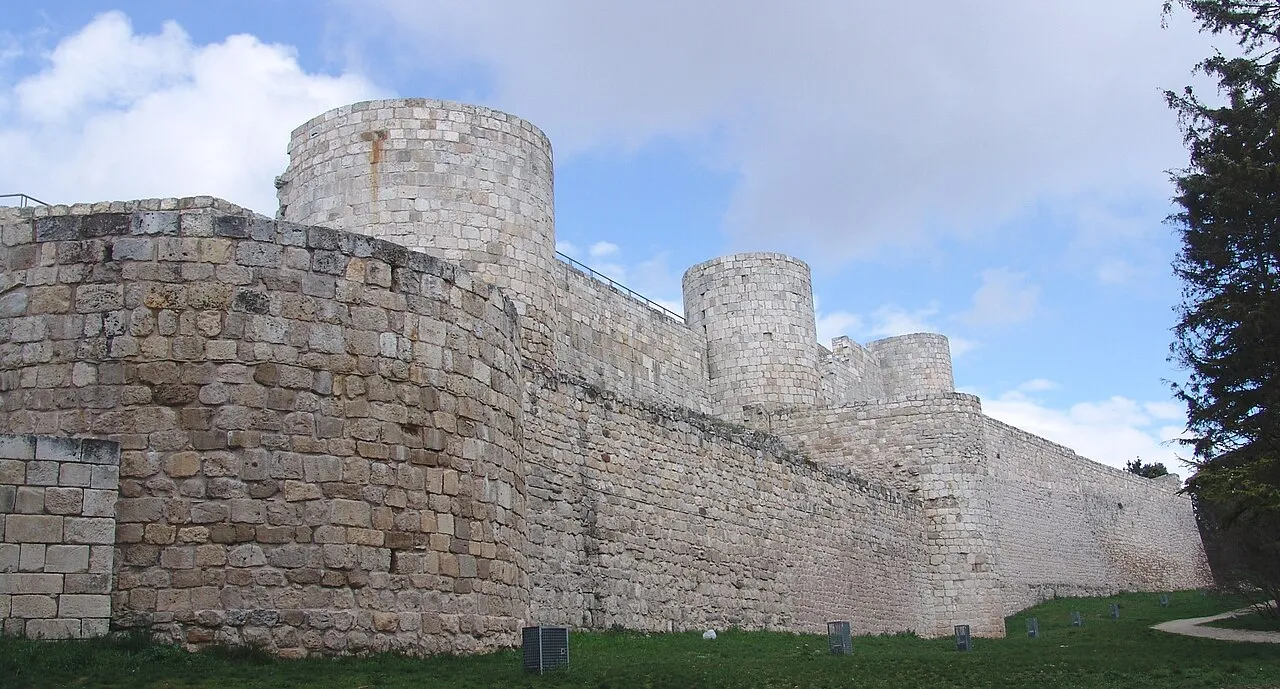
Castle of Burgos
📍 Cerro del Castillo, 75 m above the city
Excavated ruins, a well more than sixty metres deep that can be visited with a guide and the best viewpoint in the city. An hour for the visit.
A frontier fortress from the year 884, the strongbox of the kingdom of Castile and one night in 1813 that carried off even the cathedral's stained glass.
🎧 On the walk El Cid, the Castle hill and the upper churchesBurgos was not born beside the river, as people usually assume, but seventy-five metres higher up. On this hill a frontier fortress was planted in the year 884, and from the burgos — walled districts — that grew around it came the name of the city and of half of Europe.
Tradition tells that in the year 884 count Diego Rodríguez Porcelos ordered a fortress to be raised here to defend the frontier with al-Andalus. This was resettlement territory, no man's land that had to be held down with stone.
Around it the burgos grew, and from those walled districts came the city. The logic is the same as in dozens of European settlements: first the castle, then the people who take shelter under it, and in time the city that swallows it.
For centuries this castle was much more than a barracks: it was a royal palace, a prison, and it kept the treasury and the archive of the crown of Castile. It was, literally, the strongbox of the kingdom.
In 1254, at the monastery of Las Huelgas, the future king Edward I of England married Eleanor of Castile. She went to England and became his queen; when she died in 1290, the king was left so broken that he had a stone cross raised at every place where her funeral cortège halted on the way to London. The last of those halts gave its name to Charing Cross.
Excavated ruins, a well more than sixty metres deep that can be visited with a guide and the best viewpoint in the city. An hour for the visit.
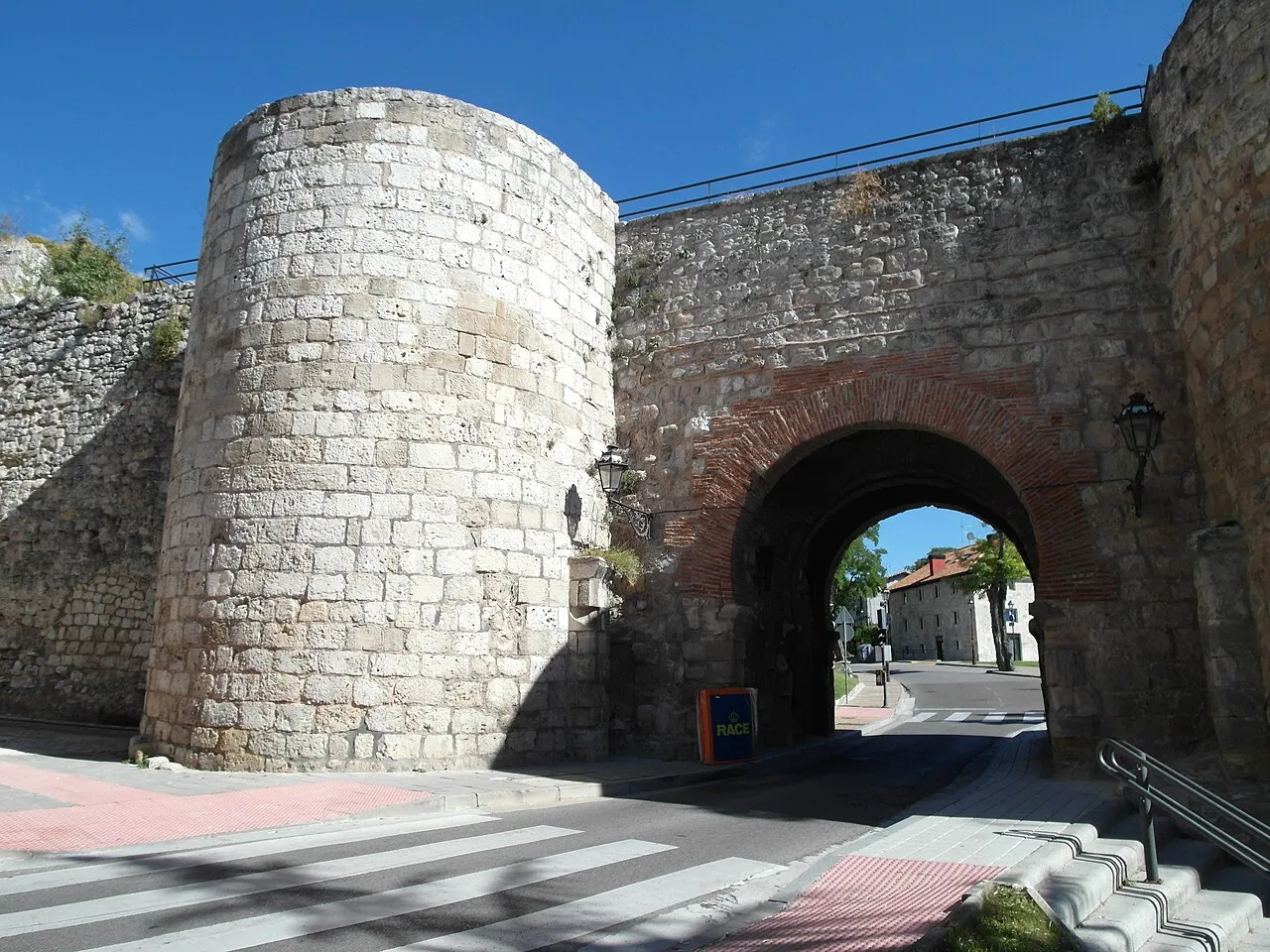
The city's ceremonial gate, in horseshoe arches and brick, raised by morisco alarifes, Muslim master builders, between the thirteenth and fourteenth centuries. The kings entered this way.
Download the app and discover Burgos offline, whenever you like. Take the walking tour El Cid, the Castle hill and the upper churches with a local guide in your ear.
Find out more about Viavoy →The castle was gradually abandoned over the centuries, until one day in 1813 it went up in the air in a single night. It was the retreating French troops during the Peninsular War, who blew up the powder magazine as they abandoned the position.
The explosion destroyed a good part of the fortress and seriously damaged the city below, including the cathedral, whose medieval stained glass was almost entirely lost. It is one of the greatest heritage losses of that war.
That the cathedral today has the stained glass it has and not the original thirteenth-century windows is down to that night. It is a fact worth bearing in mind when you look at the light coming into the building.
Today the enclosure is a park and a lookout, excavated and open, with the foundations of the old city on view. And with a well more than sixty metres deep, dug to secure water in case of siege, which is visited with a guide and is a remarkable piece of medieval engineering.
The slope running down from the castle towards the cathedral is the oldest and most working-class quarter of Burgos, and it holds three churches worth the stop.
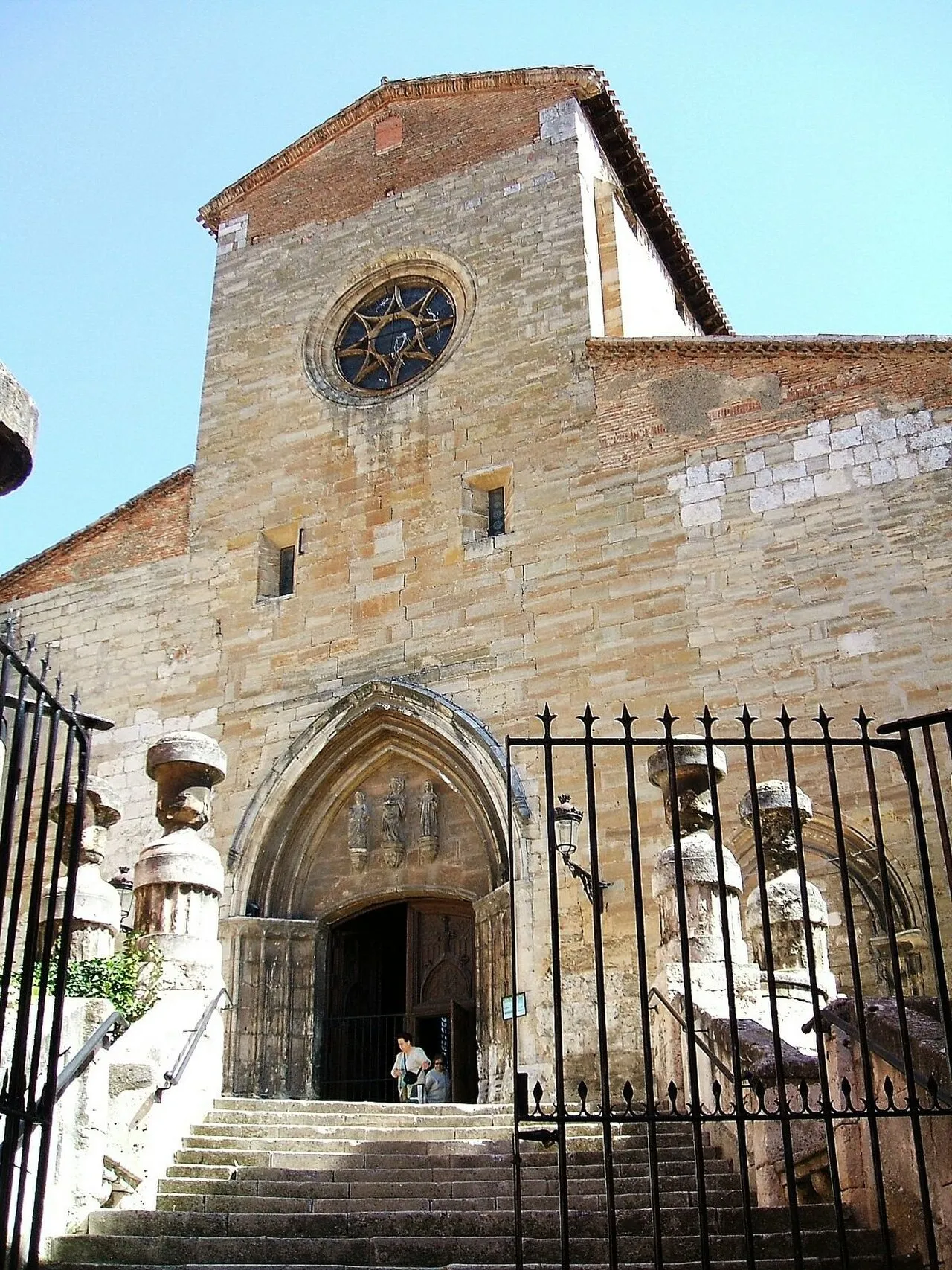
San Esteban, Gothic from the end of the thirteenth century with an enormous rose window, no longer holds mass: it houses the Museum of the Altarpiece, opened in 1987 to rescue the altarpieces of dozens of empty, ruined village churches before they were lost. A refuge for orphaned art.
San Gil is the loveliest trap in the city: austere and almost fortress-like outside, and one of the most dazzling interiors in Burgos inside, because the wool merchants paid for it chapel by chapel.
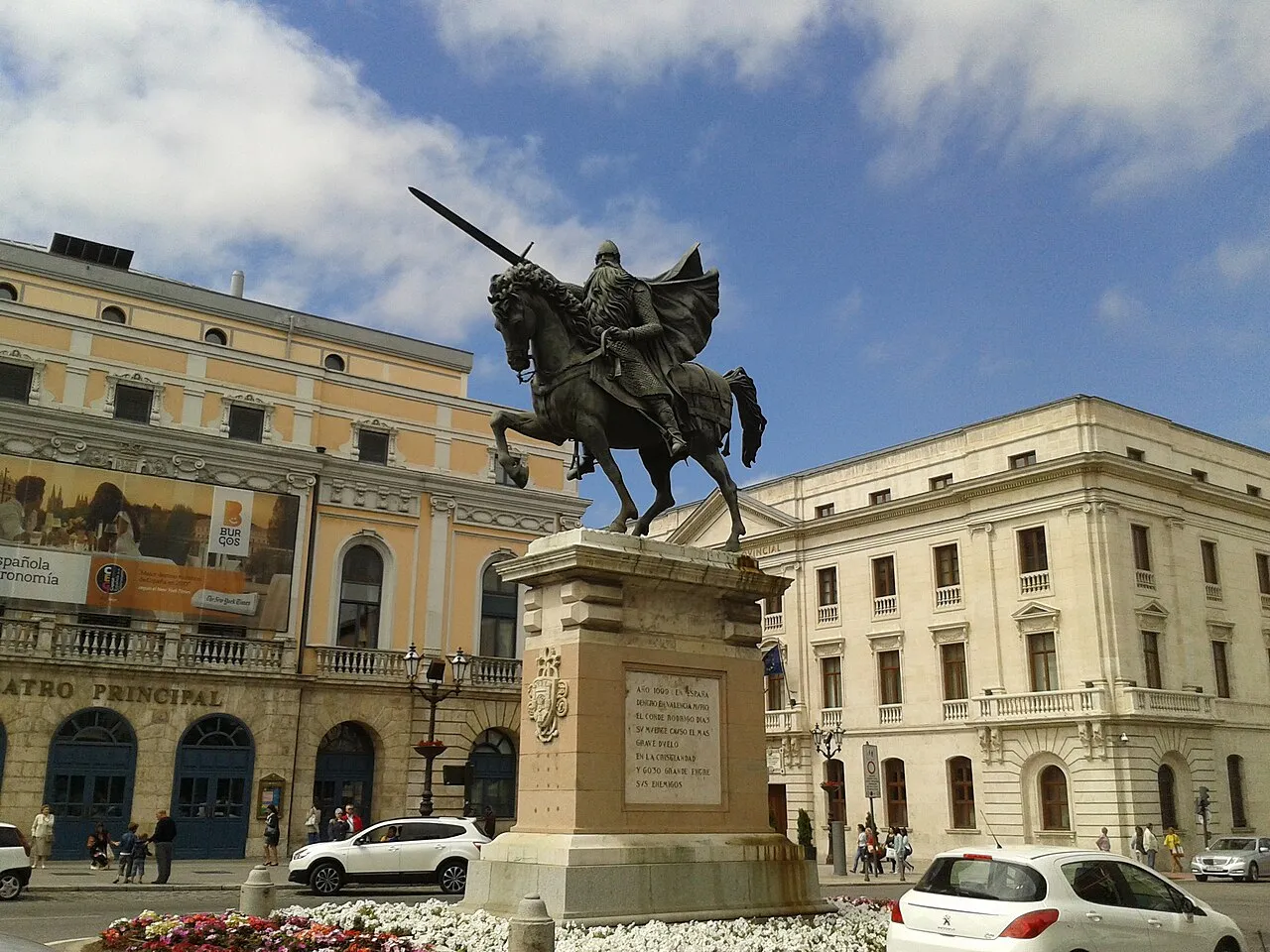
And Santa Águeda, modest and without display, is where tradition places the Oath of Santa Gadea: El Cid making king Alfonso VI swear three times that he had not killed his brother.
On the same stretch are the Arco de San Martín, the Mudéjar gate through which the kings entered, the Arco de Fernán González, a monument to the first independent count of Castile, and the Solar del Cid. All downhill as far as the cathedral.
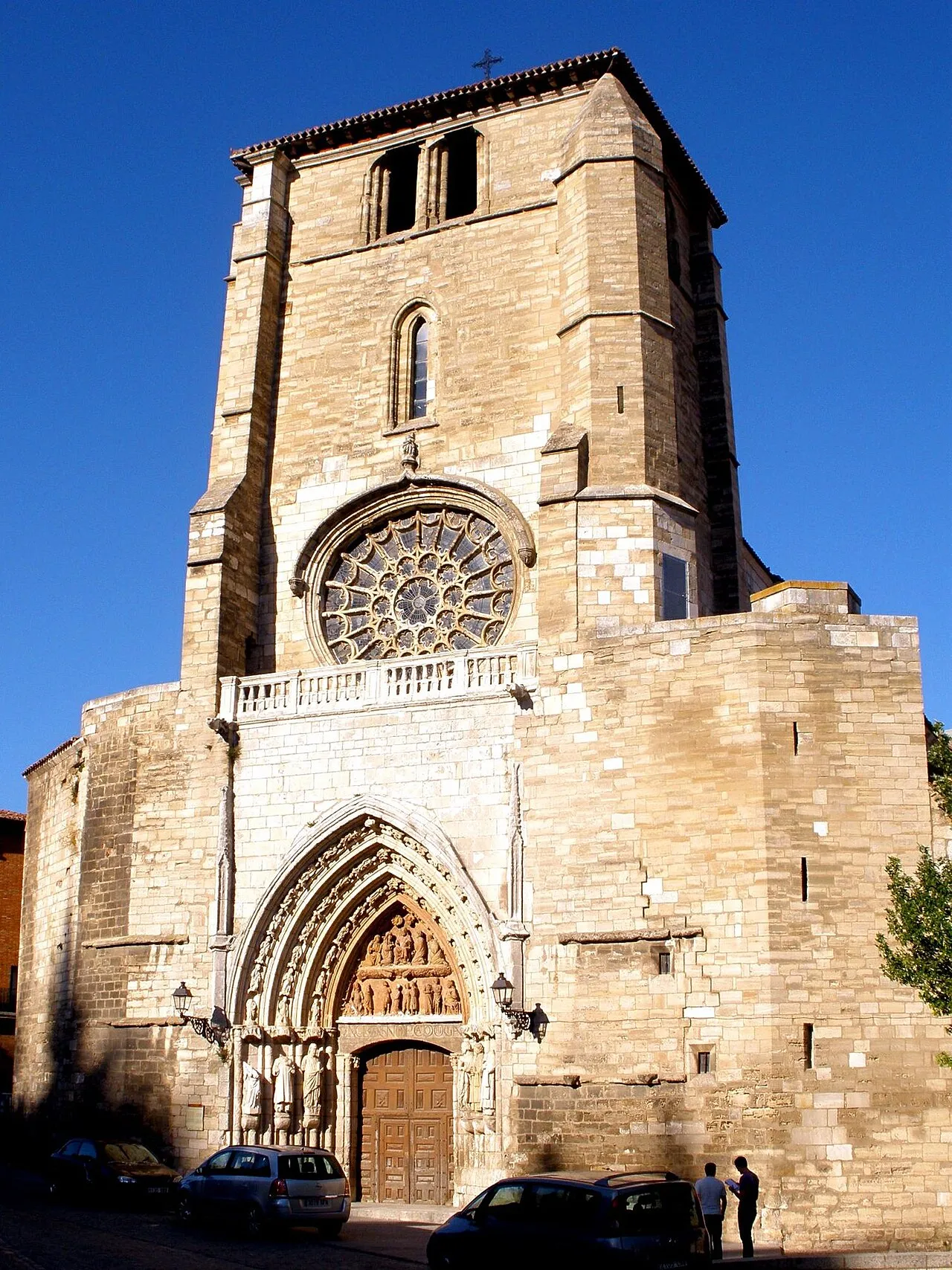
Thirteenth-century Gothic, today the Museum of the Altarpiece: a score of altarpieces rescued from abandoned village churches. Do not skip the cloister.
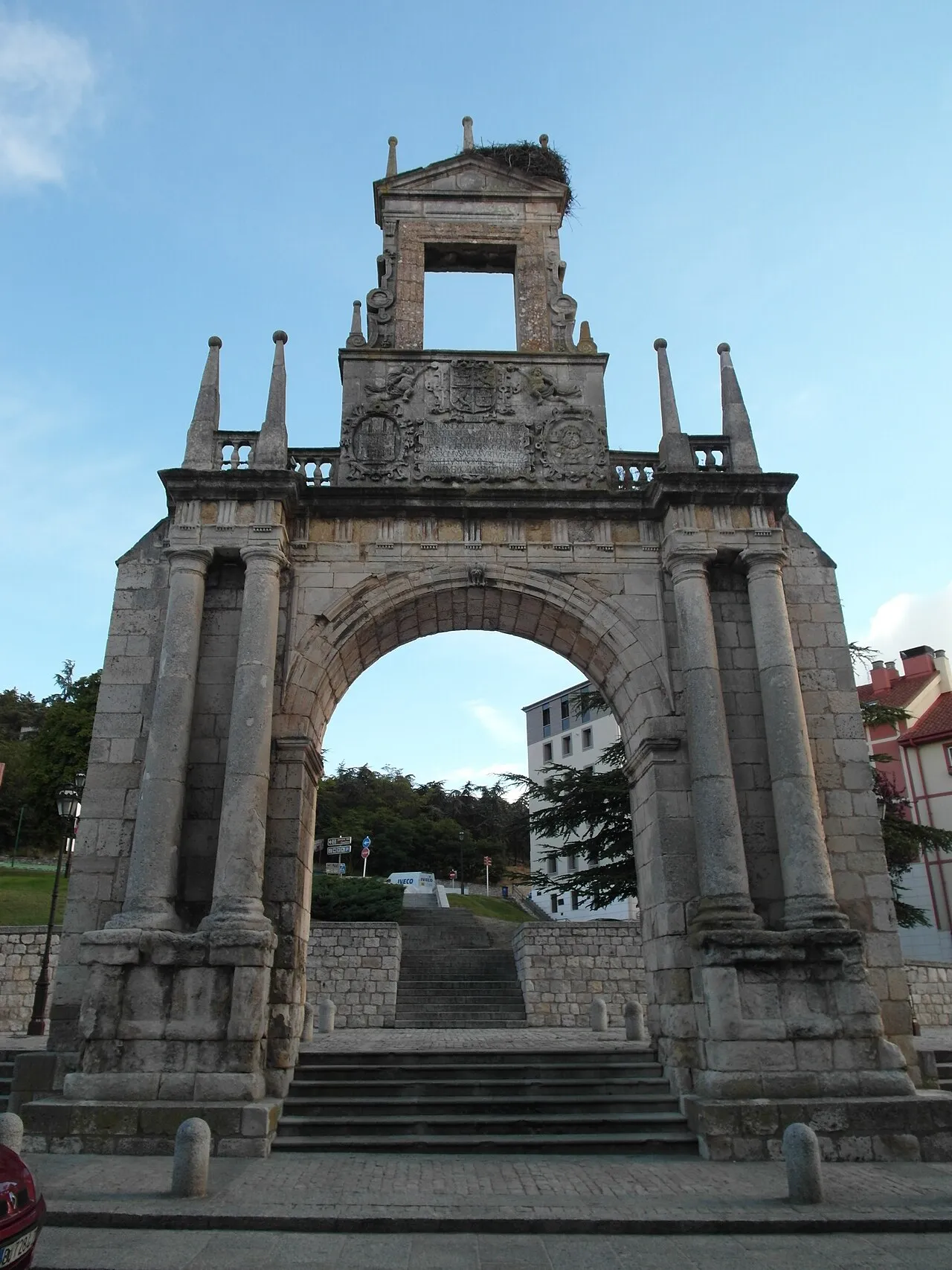
Not a gate but a monument, raised around 1580 to the first independent count of Castile. They say the inscription is by Fray Luis de León.
Yes. Tradition places the origin of the city in the fortress that count Diego Rodríguez Porcelos ordered to be raised on this hill in the year 884 to defend the frontier with al-Andalus. Around it grew the “burgos”, walled districts, and from them came the name of the city.
From a Germanic root that travelled across half of Europe and passed into late Latin. The same root is in the German Burg, in the “-burgo” or “-burgh” that ends so many cities on the continent, and even hidden in the word “burgués”, bourgeois, which at first did not mean rich but simply someone who lived in a burgo.
Yes, in 1254, at the monastery of Las Huelgas: the future Edward I of England to Eleanor of Castile. She became queen of England, and when she died in 1290 the king had a stone cross raised at every place where her funeral cortège halted on the way to London. The name of Charing Cross comes from the last of those halts.
The retreating French troops during the Peninsular War blew up the castle's powder magazine as they abandoned the position. The explosion destroyed a good part of the fortress and seriously damaged the city below, including the cathedral, whose medieval stained glass was almost entirely lost.
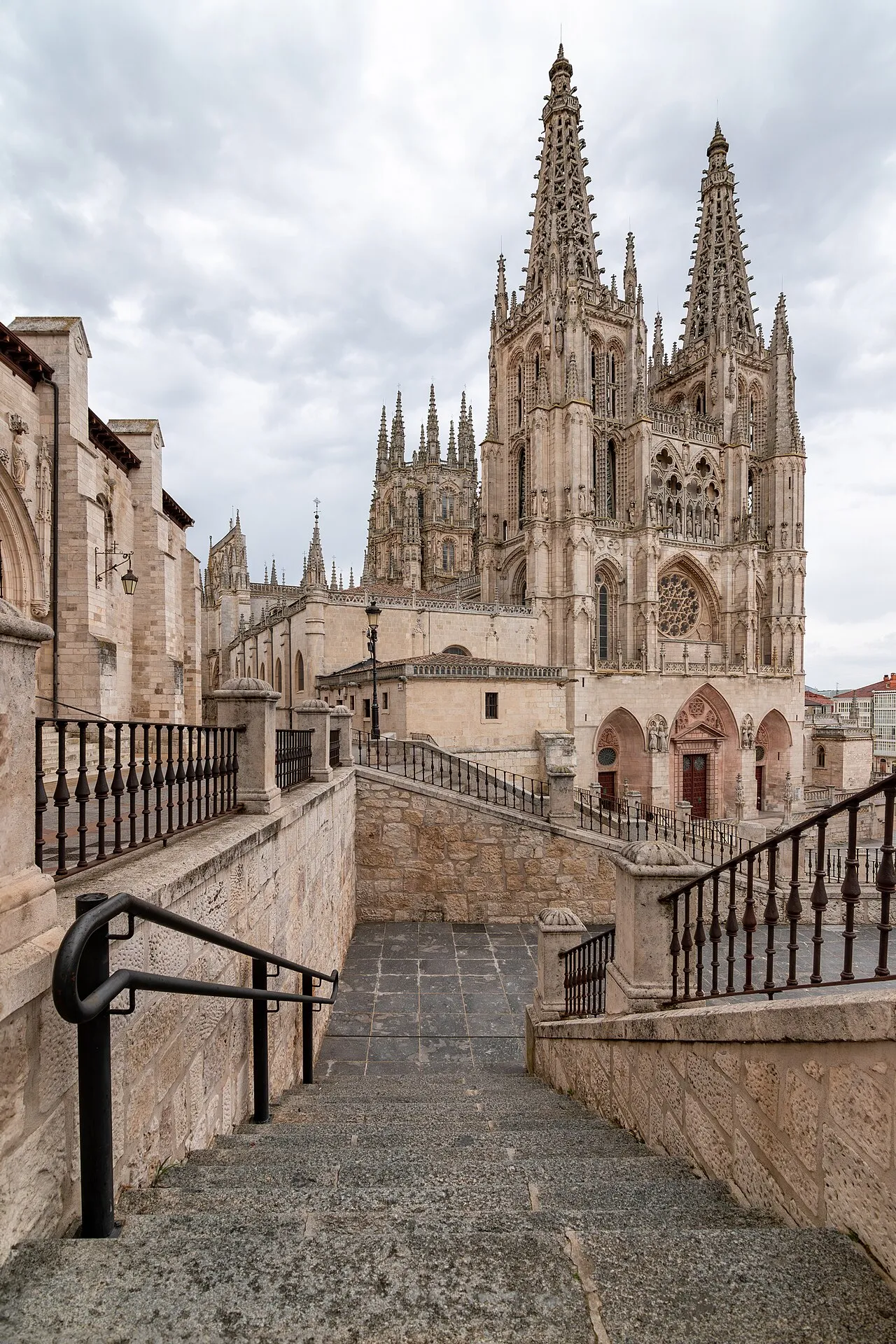
Excavated ruins with the foundations of the old city on view, a well more than sixty metres deep dug to secure water in case of siege — visited with a guide and a remarkable piece of medieval engineering — and the best viewpoint in Burgos, with the cathedral spires in the foreground.
The upper churches: San Esteban, thirteenth-century Gothic and today the Museum of the Altarpiece; San Gil, austere outside and dazzling inside, paid for by the wool merchants; and Santa Águeda, where tradition places the Oath of Santa Gadea. And the two arches: the Arco de San Martín, Mudéjar, and the Arco de Fernán González.
A museum installed in the church of San Esteban since 1987, with a simple idea: in the province of Burgos there are dozens of empty, ruined village churches, and here their altarpieces, panels and carvings were rescued before they were lost. It brings together close to a score of altarpieces from the fifteenth to the eighteenth century.
Download Viavoy and walk Burgos offline, whenever you like.

Keep reading