1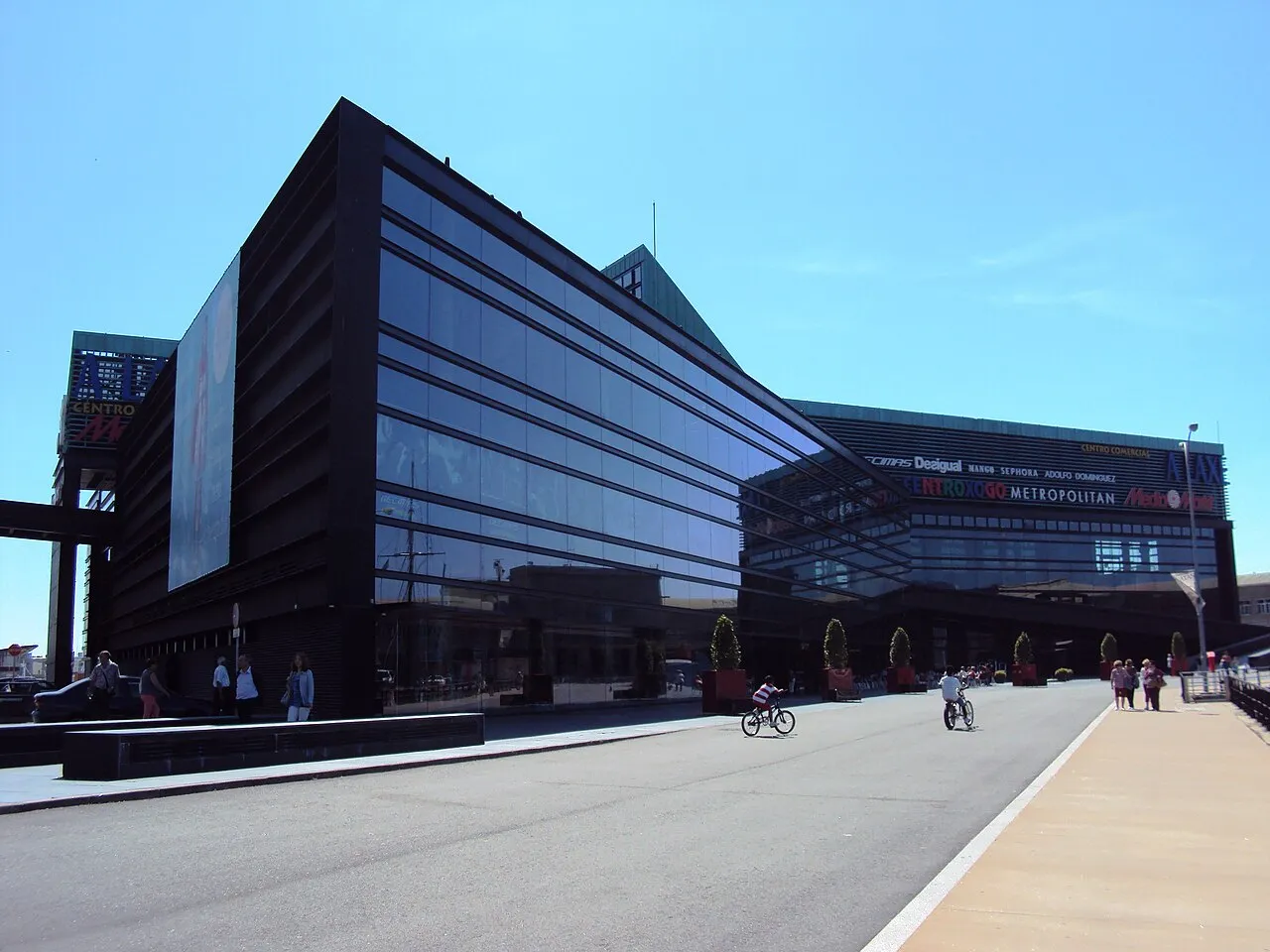
A Laxe
📍 Waterfront
The port's first quay, on the smooth rock that jutted out into the sea. Today a shopping centre and cruise terminal, where once there were farewells.
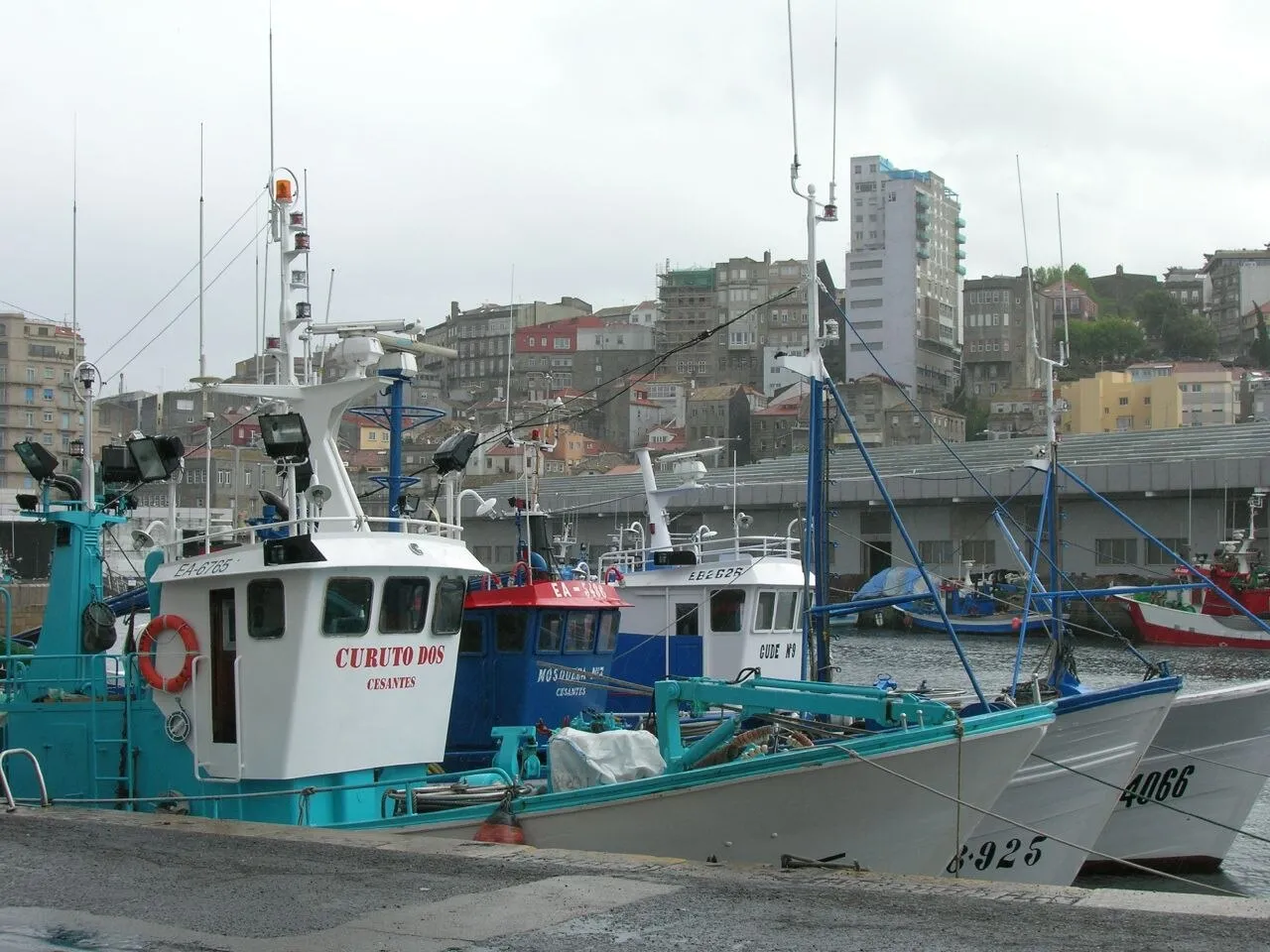
Hundreds of thousands of Galicians sailed from these quays for Buenos Aires and Havana. That is why in Argentina any Spaniard is called a gallego.
🎧 On the walk The Alameda, the port and MARCOThe smell of salt, diesel and fish that comes off the waterfront is the smell of this city's money. Vigo went from a fishing village to one of the largest ports in the world in a little over two centuries, and along the way it carried off a good part of the Galician population, shipped out towards the Americas.
It all began at A Laxe — “the flagstone” in Galician — a smooth flat rock that jutted out into the sea and worked as a natural landing place. That was Vigo's first quay, and for centuries nothing more was needed.
The push that changed everything came from outside. From the eighteenth century the Catalan salting merchants arrived in these rías, people with capital and with a trade, who set up factories to salt the sardines caught here by the basketload. That business drew money, boats and hands.
Salting was followed by canning: the factories of tinned sardines and mussels that travelled from Vigo to half the world and filled the city with canneries, shipyards and shipowners. It is the decisive episode in the economic history of the north-west of the peninsula and almost nobody knows it.
The first quay was quickly outgrown and the city began to win metres from the sea, an operation it has repeated again and again. Today, on top of that historic beginning, there is a shopping centre and the terminal where the big cruise ships dock: where once a fishing boat fitted, a fourteen-storey ship now parks.
The port's first quay, on the smooth rock that jutted out into the sea. Today a shopping centre and cruise terminal, where once there were farewells.
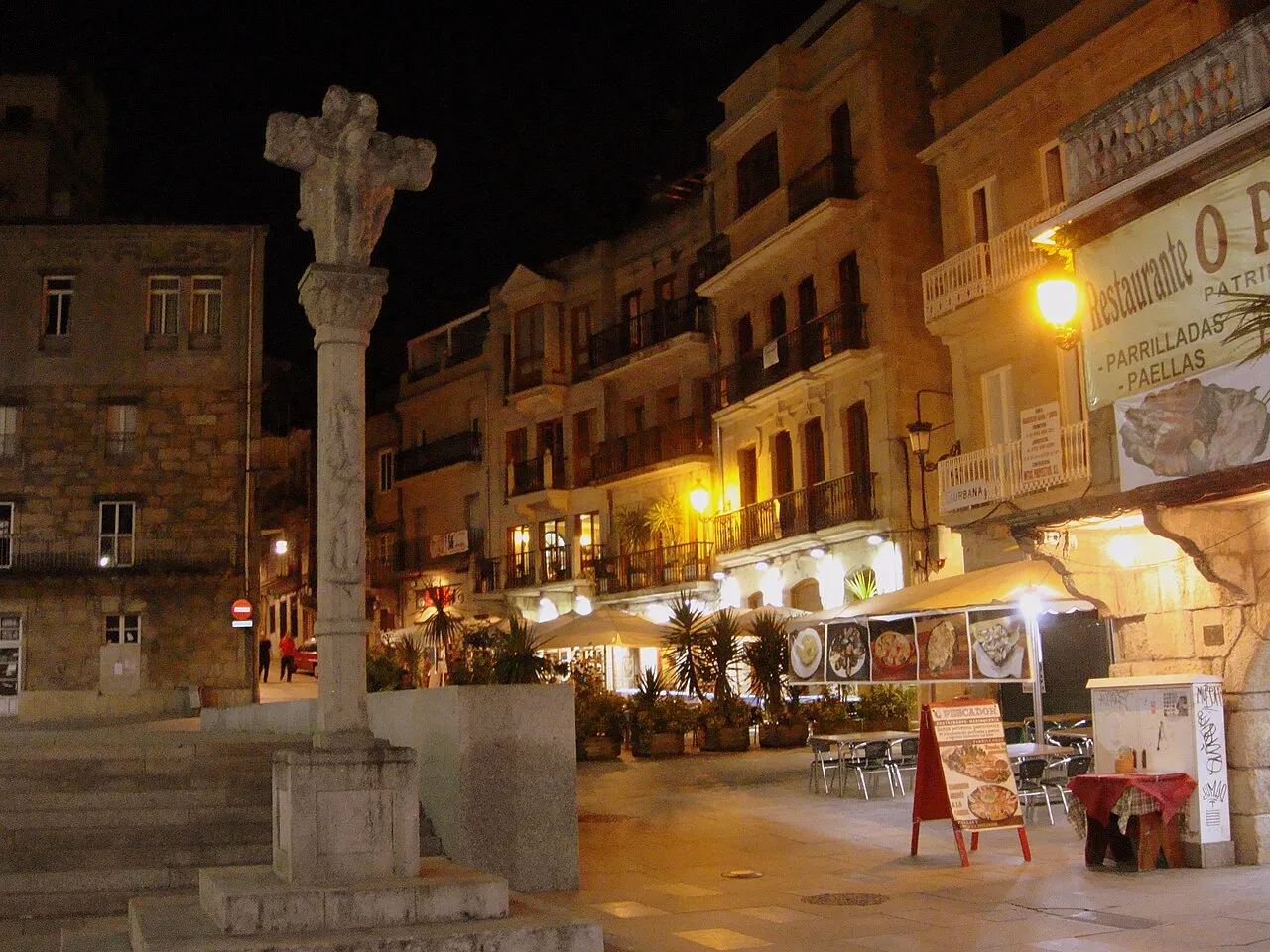
The fishermen's quarter where it all began, with arcades around a port documented since the twelfth century and one of the most famous fish markets of the nineteenth.
Download the app and discover Vigo offline, whenever you like. Take the walking tour The Alameda, the port and MARCO with a local guide in your ear.
Find out more about Viavoy →The decisive leap came in 1960, when José Fernández López founded Pescanova right here with an idea that changed the world: freezing fish on board, on the ship itself, the moment it came out of the water.
That allowed boats to fish for months on end on very distant grounds — from Argentina to Namibia — without the catch spoiling, and it completely transformed the world's fishing economy. The Spanish freezer fleet is still one of the great ones on the planet and its base is here.
The result is measured in the fish market of the port of Vigo, which every night before dawn moves a quantity of fish that takes your breath away. When you eat hake anywhere in Spain, it very probably passed through these quays.
And all of that coexists with the small scale: the mussel bateas you can see floating from the Castro viewpoint, and the ostreiras of A Pedra who have been selling on open-air stone tables for more than a century. The same ría feeds both scales.
The port did not only bring in fish: it also took people away. For decades, hundreds of thousands of Galicians sailed from these quays for Buenos Aires, Havana or Montevideo, with a cardboard suitcase and a whole life ahead of them.
Vigo was the great gateway of emigration from the north-west, and that demographic haemorrhage marked Galicia for generations: whole villages left without young men, families split by an ocean, remittances that propped up the rural economy for decades.
The trace is still alive on both sides of the Atlantic. In Argentina any Spaniard is called a gallego, wherever they came from, precisely because so very many landed in Buenos Aires from here. People still say it today.
An example of that coming and going stands in the Praza de España: before the bronze horses there was a fountain here donated by Cesáreo González, who emigrated to Cuba as a very young man with nothing, made a fortune and came back to found Suevia Films, the great production company of Spanish cinema in the forties and fifties.
That the same quay today receives cruise tourism where farewells were once wept over is probably the best summary of what has happened to this city in a hundred years.
One of the largest fishing ports in the world, the birthplace of frozen fishing and for decades the gateway of Galician emigration to the Americas.
Nautical Rationalism of 1945 imitating the deck of an ocean liner. The club was founded in 1906 and its first home was a schooner moored opposite.
It is one of the largest fishing ports in the world, with hundreds of thousands of tonnes of fish and shellfish coming in every year, and the base of the Spanish freezer fleet, which fishes across half the planet. Its market moves a quantity of fish every night before dawn that is hard to imagine.
Here. José Fernández López founded Pescanova in Vigo in 1960 with an idea that changed everything: freezing fish on board, on the ship itself, the moment it came out of the water. That made it possible to fish for months on end on very distant grounds without the catch spoiling, and it transformed the world's fishing economy.
Hundreds of thousands of Galicians sailed from these quays over the decades for Buenos Aires, Havana or Montevideo. Vigo was the great gateway of emigration from the north-west of the peninsula, and that demographic haemorrhage marked Galicia for generations: villages without young men, families split apart and remittances propping up the rural economy.
Precisely because of these quays. So very many Galicians landed in Buenos Aires that people there ended up calling any Spaniard a gallego, wherever they came from. It is a usage that is still alive today, and it gives you the measure of the scale of that emigration.
The push came from outside: from the eighteenth century the Catalan salting merchants arrived, with capital and with a trade, and set up factories to salt the sardines caught here by the basketload. That business drew money, boats and hands, and then came the canneries, the shipyards and the shipowners that made Vigo what it is.
The waterfront promenade is open and from it you see everything at work. The best points are A Laxe, where the first quay stood, and O Berbés, the fishermen's quarter the city grew out of. The complete view — with cranes, bateas and the Cíes in the distance — is from the Castro viewpoint.
From the Latin vicus, which means village or small settlement. When the Romans reached this coast and lived alongside the people of the castros, that is what they called the settlement growing beside the sea. It is striking that one of the great ports of the planet should be called, literally, “village”.
Download Viavoy and walk Vigo offline, whenever you like.

Keep reading