1
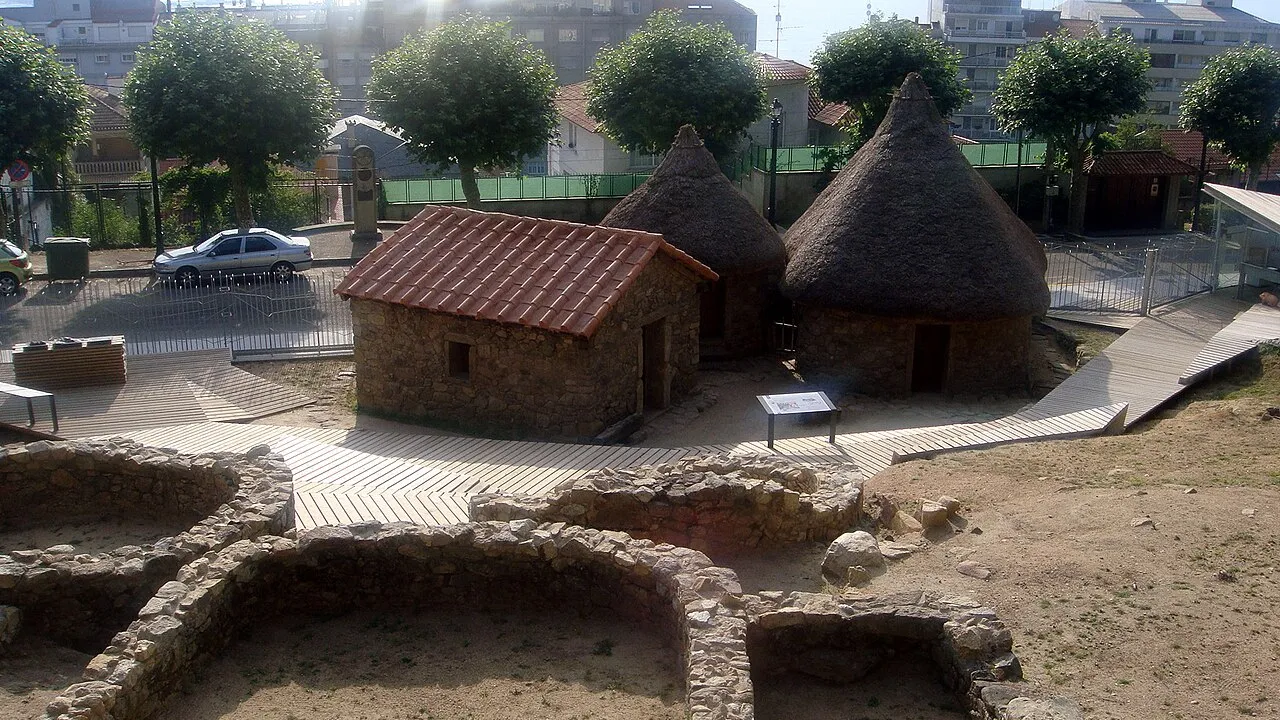
The Castro viewpoint
📍 Parque do Castro, Vigo
From here you see the Cíes closing off the mouth of the ría, with the mussel bateas floating in the foreground. The best way to place them before you go.
A national park with a daily quota, no cars and no hotels, less than an hour by boat from the centre. How to organise the trip without being left on the quay.
🎧 On the walk The Alameda, the port and MARCOThe Romans called them the Islands of the Gods. Today they close off the mouth of the ría de Vigo like a natural breakwater, they are a national park and their Rodas beach has more than once been voted the most beautiful on the planet. But you do not simply turn up: you need a permit and there is a daily quota.
They form part of the Atlantic Islands of Galicia National Park and their fragility is real: they are small islands, with shifting dunes, a salt lagoon and seabird colonies that could not withstand free and massive visiting.
That is why not just anyone can land. You need a permit in advance and each day there is a limit on how many people set foot on the sand. There are no cars and no hotels: only a campsite, waymarked paths and a few basic services.
That restriction is exactly why they are still the way they are. Compared with almost any other stretch of the peninsula's Atlantic coast, the Cíes are a preserved anomaly, and the quota is what holds it up.
Rodas beach, that arc of dazzling white sand between two islands joined by an isthmus, is the image that has travelled the world. The water is cold — this is the north Atlantic — but the postcard is exactly what it promises.
From here you see the Cíes closing off the mouth of the ría, with the mussel bateas floating in the foreground. The best way to place them before you go.
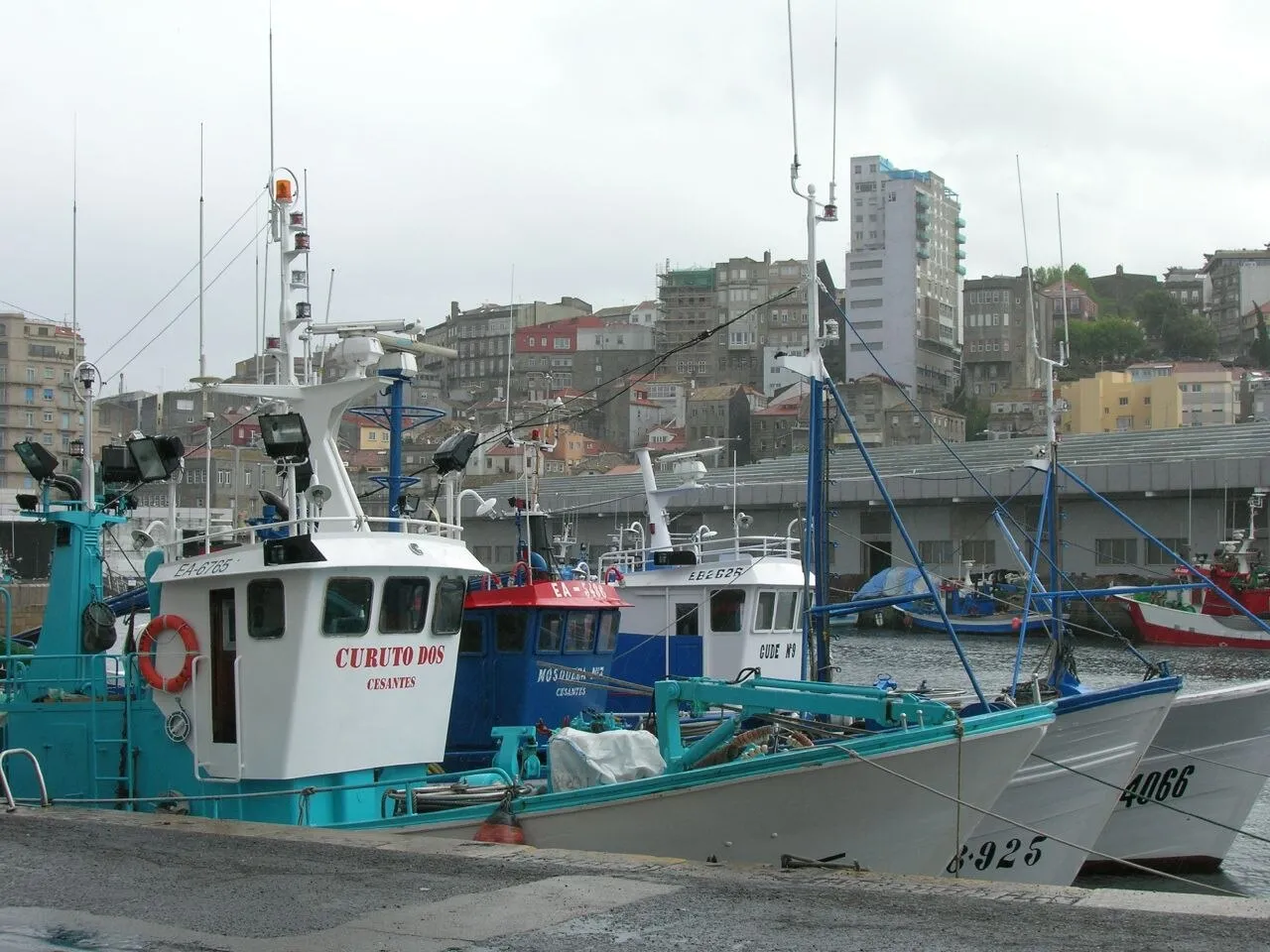
The boats to the islands leave from the ría ferry terminal. It is right in the centre, a step away from the Alameda and the Casco Vello.
Download the app and discover Vigo offline, whenever you like. Take the walking tour The Alameda, the port and MARCO with a local guide in your ear.
Find out more about Viavoy →The order matters and a lot of people do it the wrong way round. First you apply for the visitor permit on the Xunta de Galicia platform, which allocates a quota per day; then, with that code, you buy the boat ticket.
The boats leave from the ría ferry terminal, on the Vigo waterfront, a step away from the Alameda and the port. The crossing is short, and the journey itself is already worth it: you leave the ría skirting the bateas.
High season runs from Holy Week (Semana Santa) to September, with a daily service in summer and reduced sailings outside it. In July and August both the permit and the ticket sell out weeks in advance, so you have to plan.
Take everything with you: water, food, sun protection and shoes for walking. There is a services area and a campsite, but the provision is deliberately minimal and you cannot count on it. And keep to the waymarked paths: the dune vegetation is the most fragile part of the whole.
The paths climb to several viewpoints and to the lighthouse, with views that more than repay the walk. Allow at least half a day to do it calmly and not end up running for the boat back.
If the quota is full, the best alternative is to see them from above: the Castro viewpoint gives you the whole ría with the Cíes closing off the mouth, and at dusk the sun sets right between the islands. It is free and open at any hour.
The second option is to give the day to the city, which offers far more than its reputation suggests: the Iron Age castro settlement, the Baroque Fortaleza do Castro, the Casco Vello dropping away in slopes and the oysters of A Pedra.
There are also boats to other parts of the ría and to the neighbouring island of San Simón, and the whole Morrazo shore, opposite, is full of villages and beaches you can reach without permit or quota.
And there is the underlying argument: the Cíes are protected precisely so that they do not turn into just another place. That there is not always space is the price of their still being worth the journey.
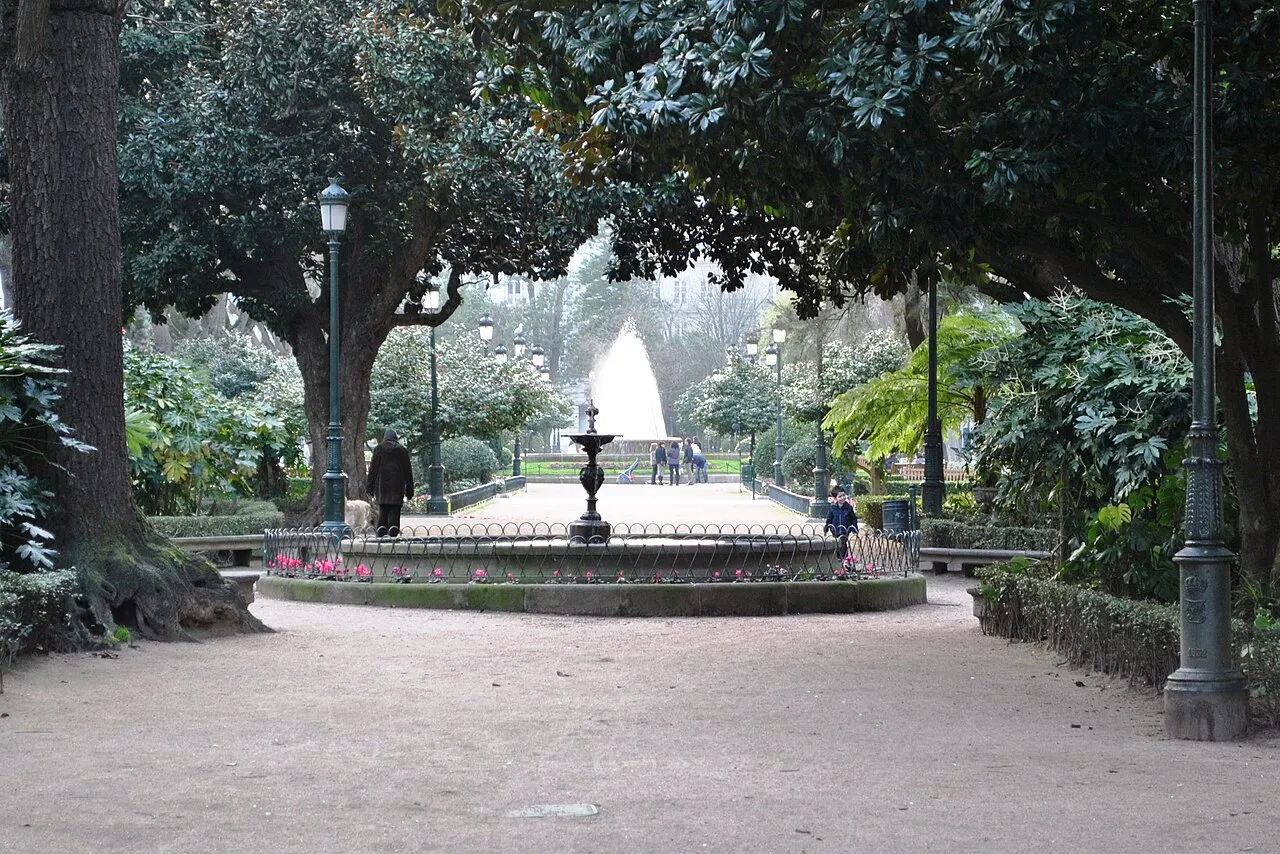
Vigo's first public garden, with century-old magnolias and camellias. The best shade for waiting for the boat or resting when you get back.
The best fallback plan if there is no space on the boat: a dozen oysters opened on the spot in the street, standing up and looking at the port.
Yes, and it is compulsory. They are a national park and each day there is a limit on how many people can land. First you apply for the visitor permit on the Xunta de Galicia platform, which allocates a quota per day, and then, with that code, you buy the boat ticket. Without the permit they will not sell you the passage.
From the ría ferry terminal, on the Vigo waterfront, right in the centre and a step away from the Alameda. The crossing is short and the journey itself is worth it: you leave the ría skirting the mussel bateas before reaching the islands.
High season runs roughly from Holy Week to September, with a daily service in summer and reduced sailings outside those months. In July and August both the permit and the ticket sell out weeks in advance, so it is worth organising before you get to Vigo.
Only at the islands' campsite, which also works on advance booking with limited places. There are no hotels and no cars: the provision of services is deliberately minimal and that is exactly why the islands are still the way they are.
It has more than once been voted the most beautiful on the planet in international lists, and the image — an arc of dazzling white sand between two islands joined by an isthmus — lives up to the promise. It is worth knowing, though, that the water is cold: this is the north Atlantic, not the Caribbean.
Water, food, sun protection and shoes for walking. There is a services area and a campsite, but the provision is minimal and it is unwise to count on it. And it matters that you keep to the waymarked paths: the dune vegetation is the most fragile part of the whole and what suffers most from being trampled.
Go up to the Castro viewpoint in Vigo: from there you see the whole ría with the Cíes closing off the mouth, and at dusk the sun sets right between the islands. It is free and open at any hour. And give the day to the city, which has an Iron Age castro settlement, a Baroque fortress and the oysters of A Pedra.
Download Viavoy and walk Vigo offline, whenever you like.

Keep reading