Madrid in 2 days: the perfect itinerary
Itinerary · Madrid

Madrid in 2 days: the perfect itinerary

A walking route, hour by hour, to squeeze the most out of the capital in two days without ending up exhausted.

11 min read · Updated for 2026
🎧 On the walk Historic & Royal Madrid (Habsburg Quarter)

Madrid has an enormous advantage over almost any other European capital: nearly everything you want to see fits inside a rectangle you can cross on foot in forty minutes. From the Royal Palace to the Prado Museum is two kilometres. From the Temple of Debod to the Plaza Mayor, little more. That is why two well-organised days go a very long way here, as long as you accept one unwritten rule: in Madrid people eat late, dine very late, and the city does not put on its finest until the sun goes down.

The plan in one line: day 1, the Madrid of the Habsburgs and sunset at Debod; day 2, the Paseo del Arte and the Retiro. All on foot, with two or three metro rides at most.

Before you start: how this city works

Madrid is organised around a very clear axis. From north to south runs the Paseo del Prado, the avenue of museums and fountains, declared a World Heritage Site in 2021 under the name “Landscape of Light”. From east to west, the old town descends from the Puerta del Sol to the Royal Palace. Once you understand those two lines, you can no longer get lost: everything else hangs off them.

The metro is cheap and works very well (single ticket between 1.50 and 2 €, plus 2.50 € the first time for the rechargeable card), but in two days you will barely use it: between one stop and the next on this itinerary there is almost never more than fifteen minutes on foot. Save the metro for getting back to the hotel at night and for the airport journey, which carries a 3 € supplement.

A warning that saves disappointment: most museums close on Mondays, and many monuments too. If your break includes a Monday, flip the itinerary round and leave that day for neighbourhoods, markets and viewpoints. And set your watch to Spanish hours: kitchens serve from 13:30 to 16:00 and from 20:30 to 23:30. Outside those times, the bar counter and tapas.

Finally, footwear. Madrid is a city of short but constant slopes, and the old town is cobbled. You are going to walk between eight and twelve kilometres a day: leave the new trainers in the suitcase.

🎧 With Viavoy

Explore Madrid at your own pace

Download the app and discover Madrid offline, whenever you like. Take the walking tour Historic & Royal Madrid (Habsburg Quarter) with a local guide in your ear.

Find out more about Viavoy →

Day 1 · The Madrid of the Habsburgs

From kilometre zero to sunset over an Egyptian temple.

Start at half past nine, when the centre still smells of freshly raised shutters and coffee. The first half of the day is an almost continuous walk of under three kilometres, so you can take it easy and go in wherever you fancy.

1Puerta del Sol

Puerta del Sol

📍 Sol · Centro

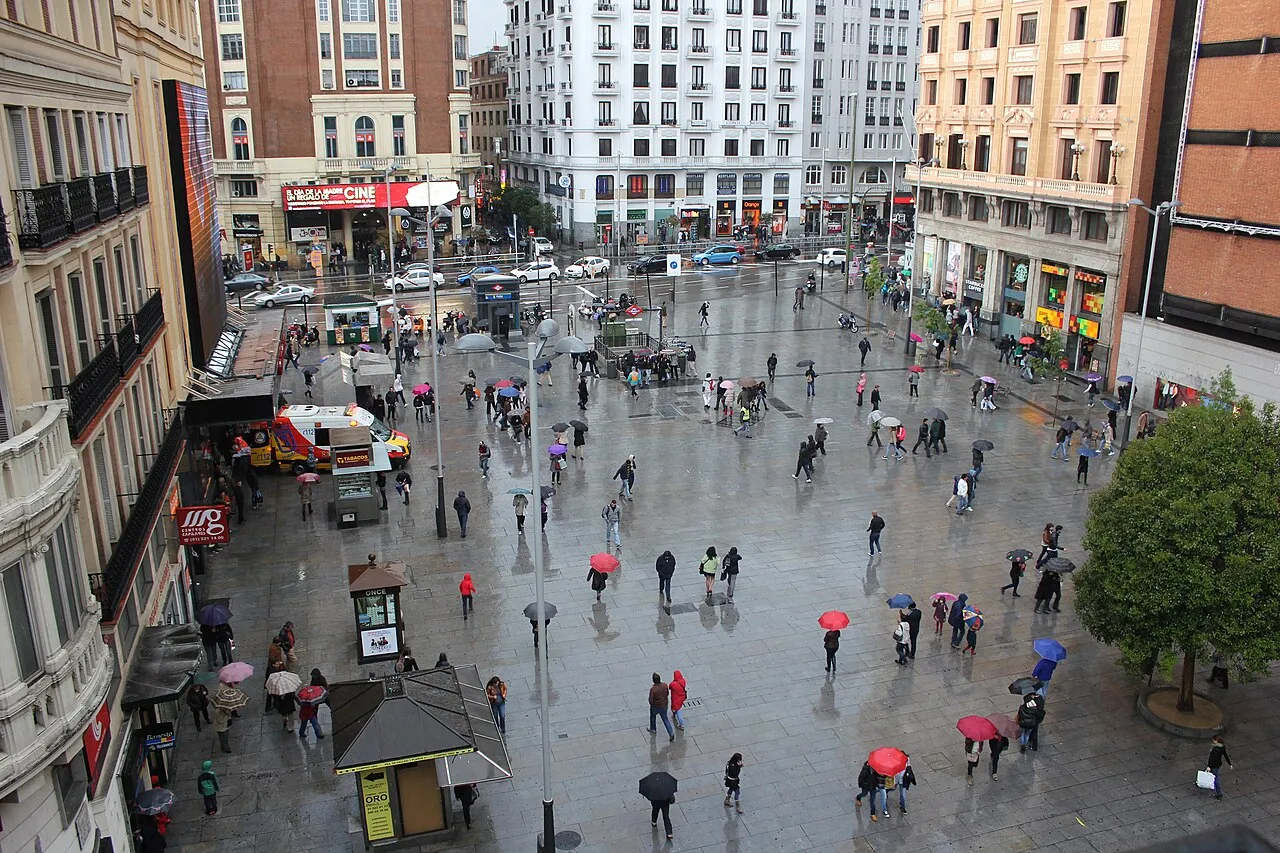
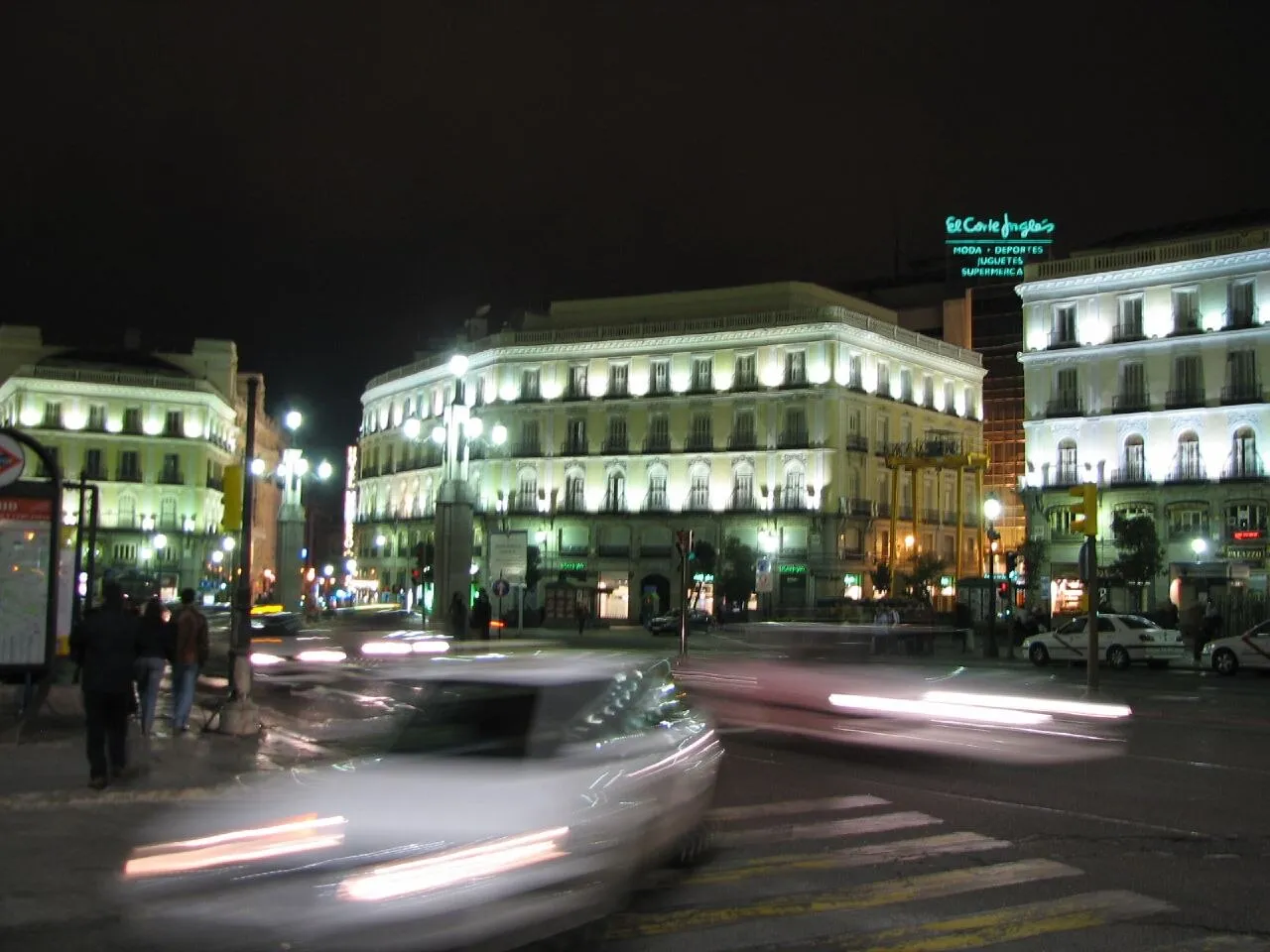
The navel of Spain begins literally beneath your feet: the Kilometre Zero slab, in front of the Real Casa de Correos, is the point from which the country's roads are measured and from which Madrid's streets are numbered. Opposite you have the clock that chimes in the New Year and, on a corner, the statue of the Bear and the Strawberry Tree, where the bear is not eating the fruit: it is stretching to reach it. Arrive early if you want the photo without fifty people in front. And do not eat here: it is the area with the worst value for money in the centre.

2Convent of the Descalzas Reales

Convent of the Descalzas Reales

📍 Callao · Centro

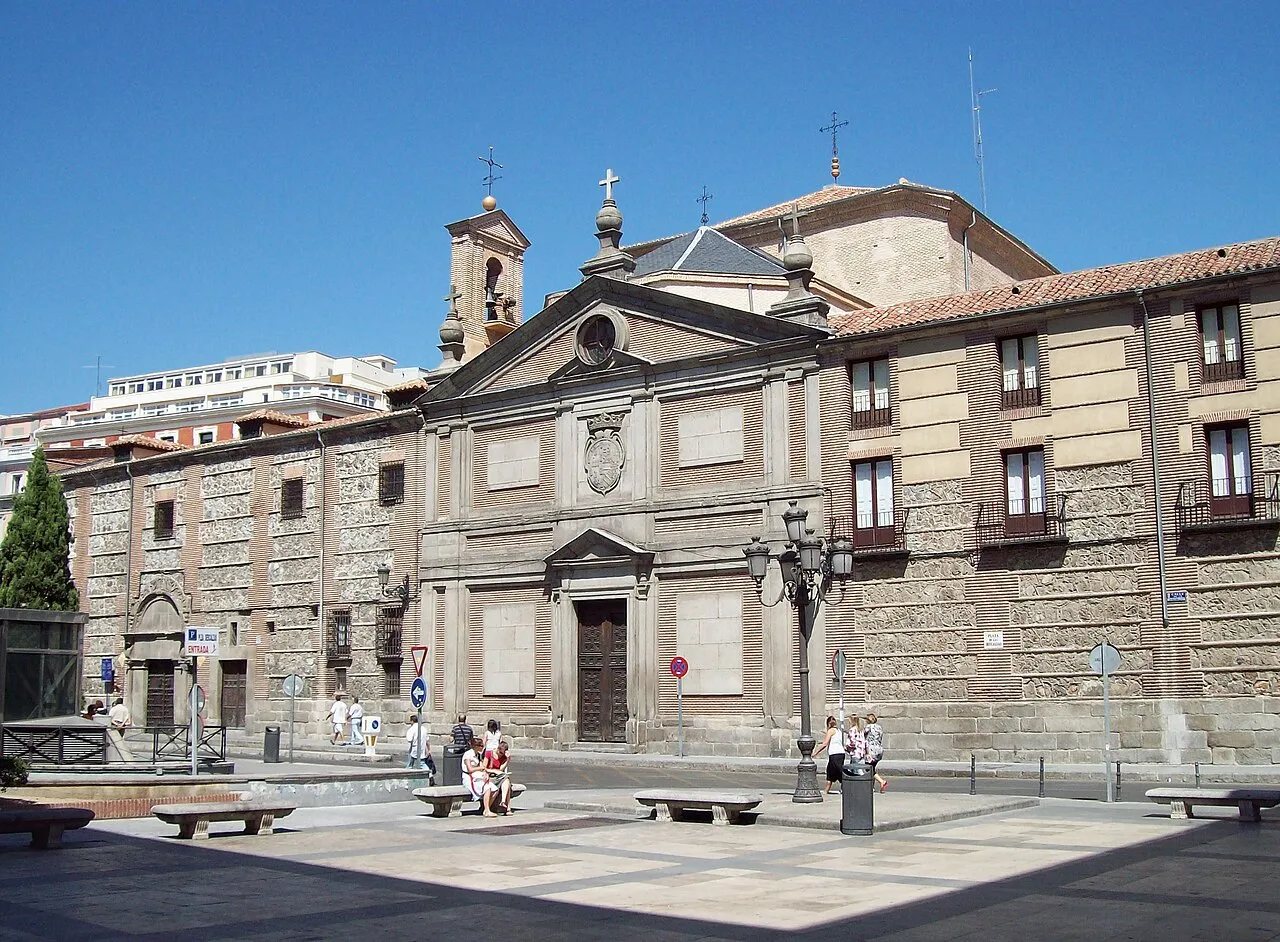
Five minutes from Sol, behind an austere façade nobody would look at twice, hides what is probably the most impressive interior in the centre of Madrid. It was the palace where Joanna of Austria, sister of Philip II, was born, turned into a convent of Poor Clares in 1559: for centuries the infantas and royal widows entered here with dowries paid in art. The result is tapestries woven from Rubens cartoons, canvases by Titian and a staircase with frescoes that stops you in your tracks. It is still an enclosed convent, so the visit is guided, with small numbers and strict hours: buy your ticket online.

3Teatro Real and Plaza de Oriente

Teatro Real and Plaza de Oriente

📍 Ópera

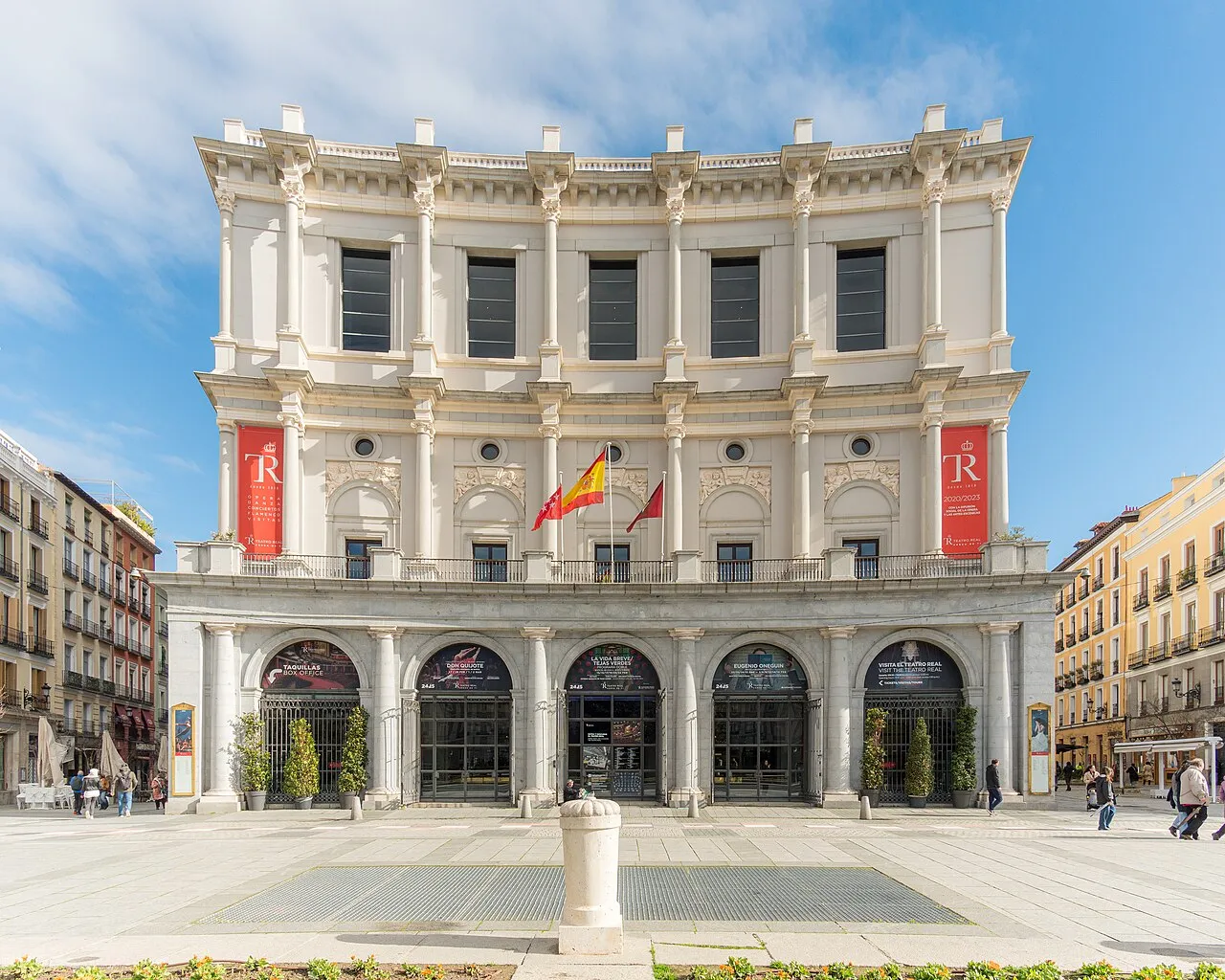
The Teatro Real is a building with two faces, because it had to be squeezed between two squares on a subsoil full of streams that very nearly ruined it: closed as unsafe in 1925, opera was not sung here again until 1997. Behind it opens the Plaza de Oriente, with its statues of Visigothic kings at eye level — they were meant for the palace cornice, but weighed too much — and the Philip IV on horseback, the first equestrian statue in the world supported only on its hind legs. If you go in the morning, the gardens are empty and the light falls full on the palace façade.

4Royal Palace

Royal Palace

📍 Ópera

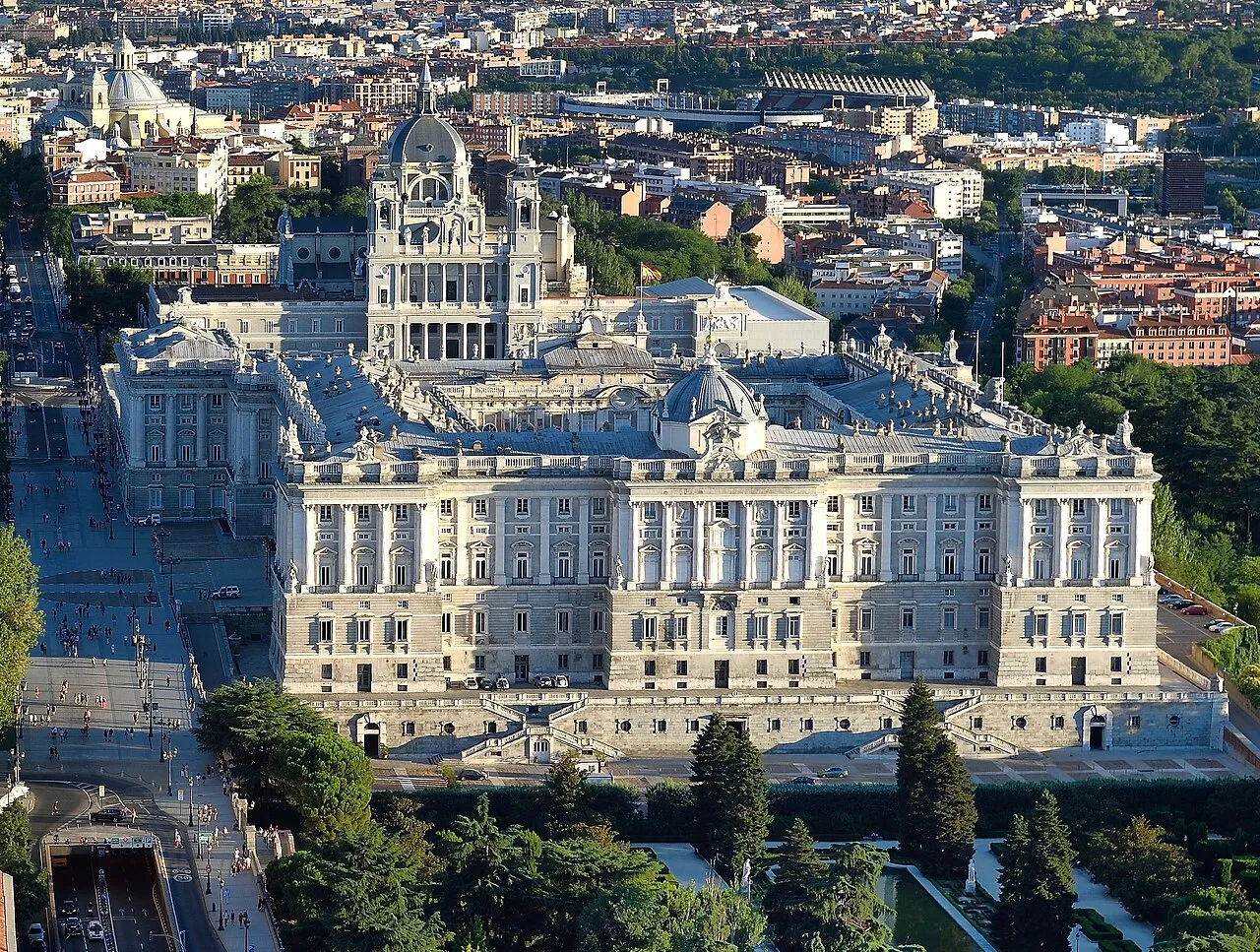
The largest royal palace in Western Europe by floor area: more than three thousand rooms, raised in stone and marble because the old Alcázar burned down on Christmas Eve 1734 and Philip V wanted something that could never burn again. Inside are the Throne Room with its Tiepolo ceiling, the Royal Armoury and the only decorated Stradivarius quartet still in existence. General admission is around 14 € and there are free slots for EU citizens late in the afternoon, with considerable queues. Allow a good hour and a half: if you are short of time, stick to the courtyard and the façade, which are free.

5Almudena Cathedral

Almudena Cathedral

📍 Ópera

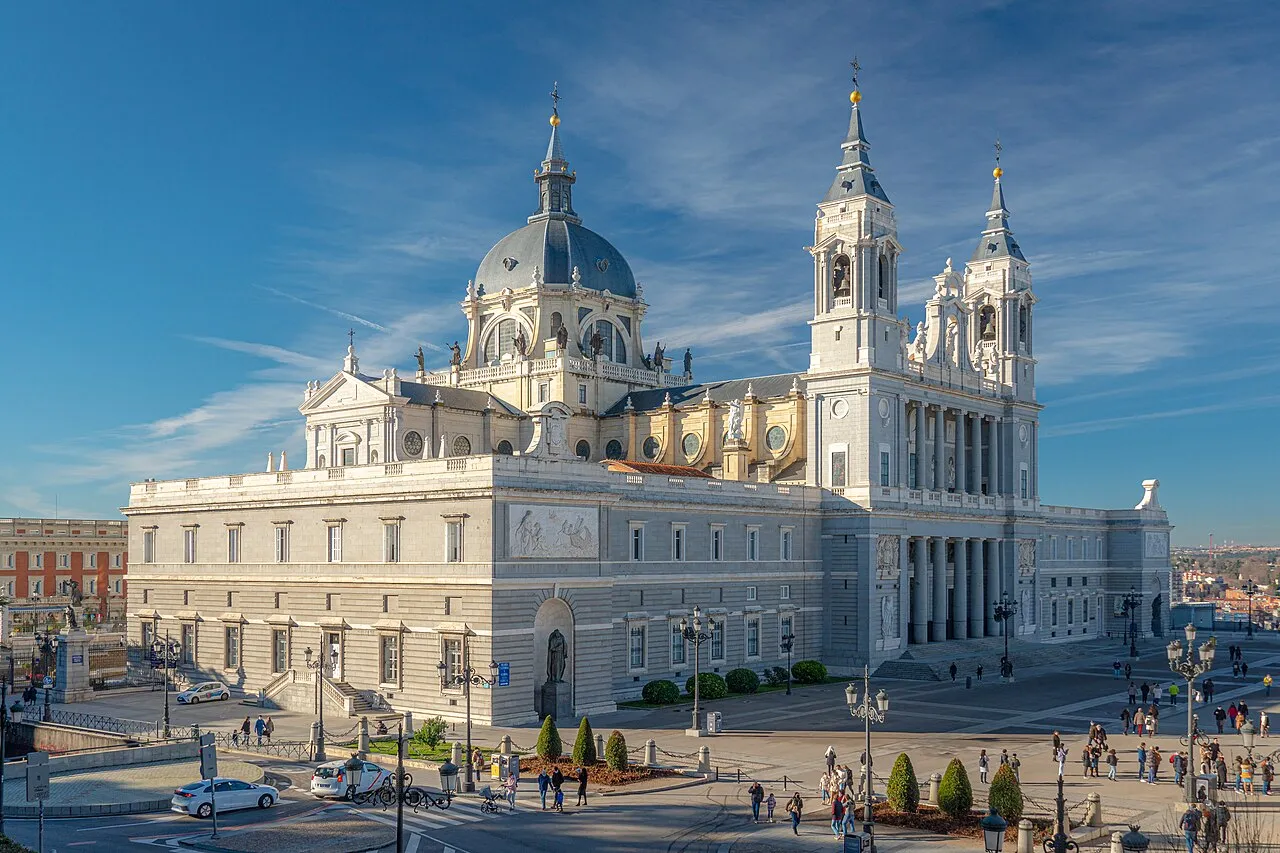
Right opposite the palace, the cathedral with the strangest history in Spain: begun in 1883 and not consecrated until 1993, with a Neoclassical exterior to match the palace and an interior of almost geometric stained glass. It is oriented north to south instead of facing east, breaking a thousand years of liturgical rule, purely so as not to turn its back on the king. Entry to the church is free (a donation is requested); what almost nobody visits is the Neo-Romanesque crypt on the side street, a forest of columns that is older and, for many, more beautiful than the cathedral above.

6San Miguel Market

San Miguel Market

📍 Plaza Mayor

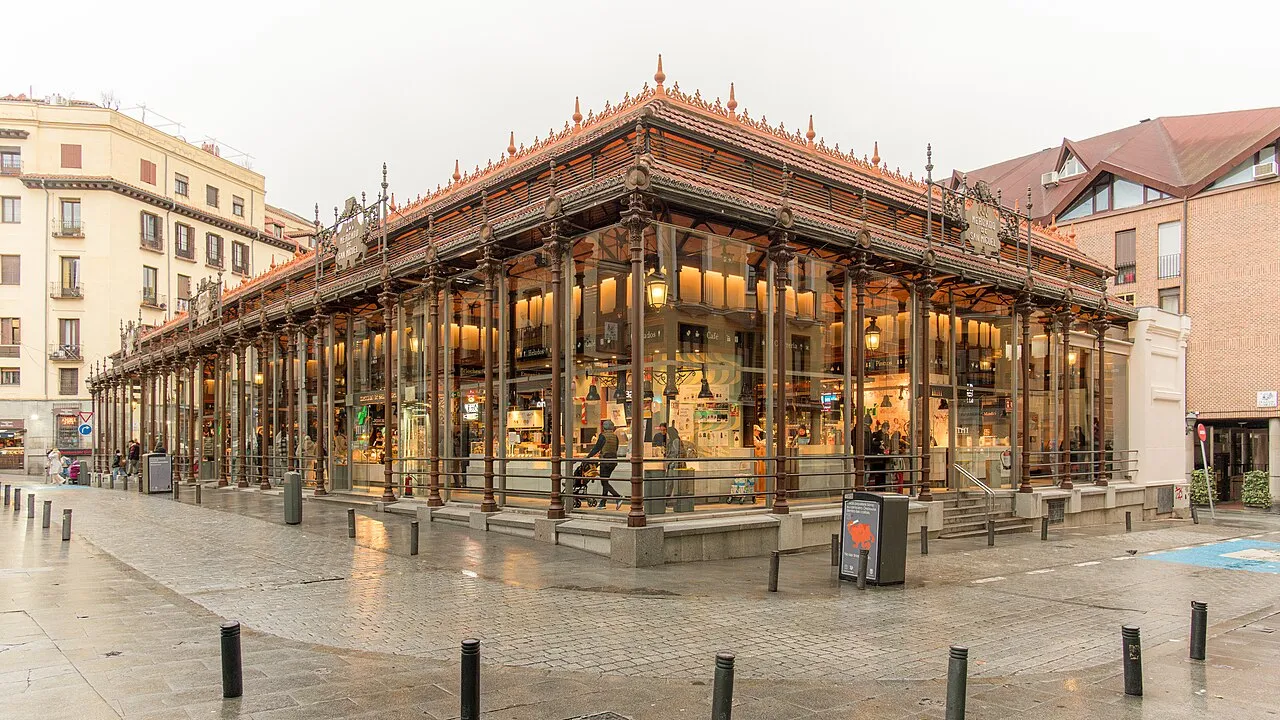
An iron-and-glass cage from 1916 that was a lifelong neighbourhood market until, early this century, it was converted into a temple of tapas. It is beautiful and worth a look around, but let's be honest: it is one of the most expensive places in the centre and madrileños rarely come. The smart move is to go in, have a glass of vermut and an oyster watching the bustle, and go down to eat properly on the Cava de San Miguel or the Cava Baja, two minutes away and at half the price.

7Plaza Mayor

Plaza Mayor

📍 Centro

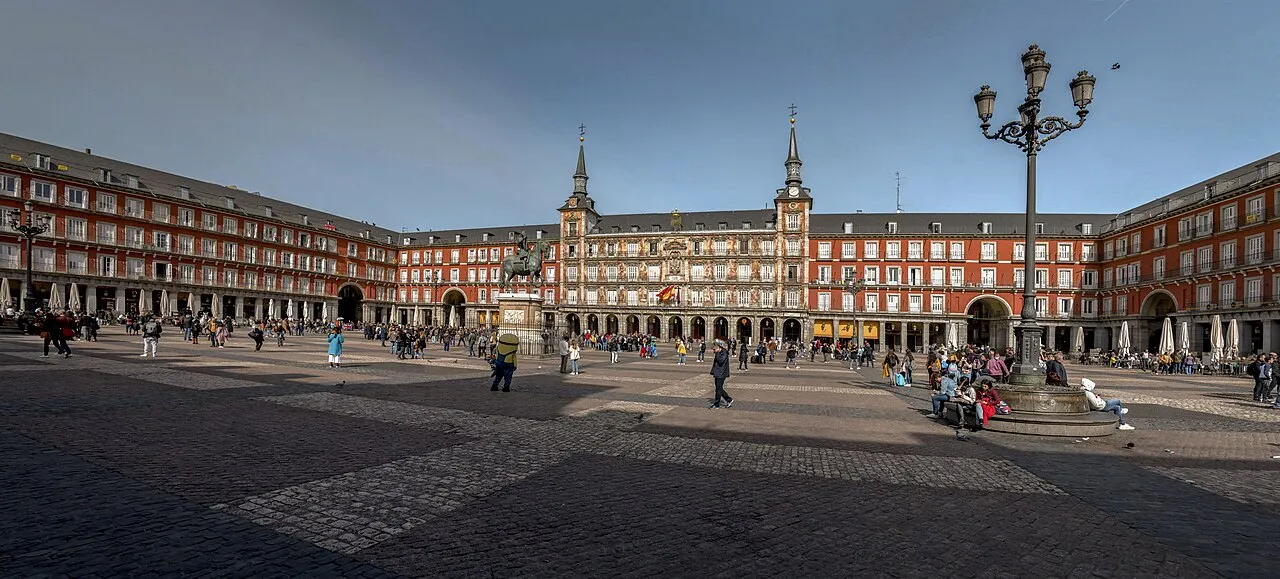
Madrid's great open-air drawing room: a rectangle enclosed by identical balconies, finished in 1619 and rebuilt after three fires. From those balconies people watched bullfights, proclamations of kings and also the autos-da-fé of the Inquisition, with the nobility leaning out as if at the theatre. Look at the Casa de la Panadería, the one with the painted façade: it looks ancient, but the frescoes date from 1992, the work of Carlos Franco. Local tip: cross the square, take your photo and have a drink in the surrounding streets; the terraces inside charge for the scenery.

Sunset at the Templo de Debod
End of Day 1

Sunset at the Templo de Debod

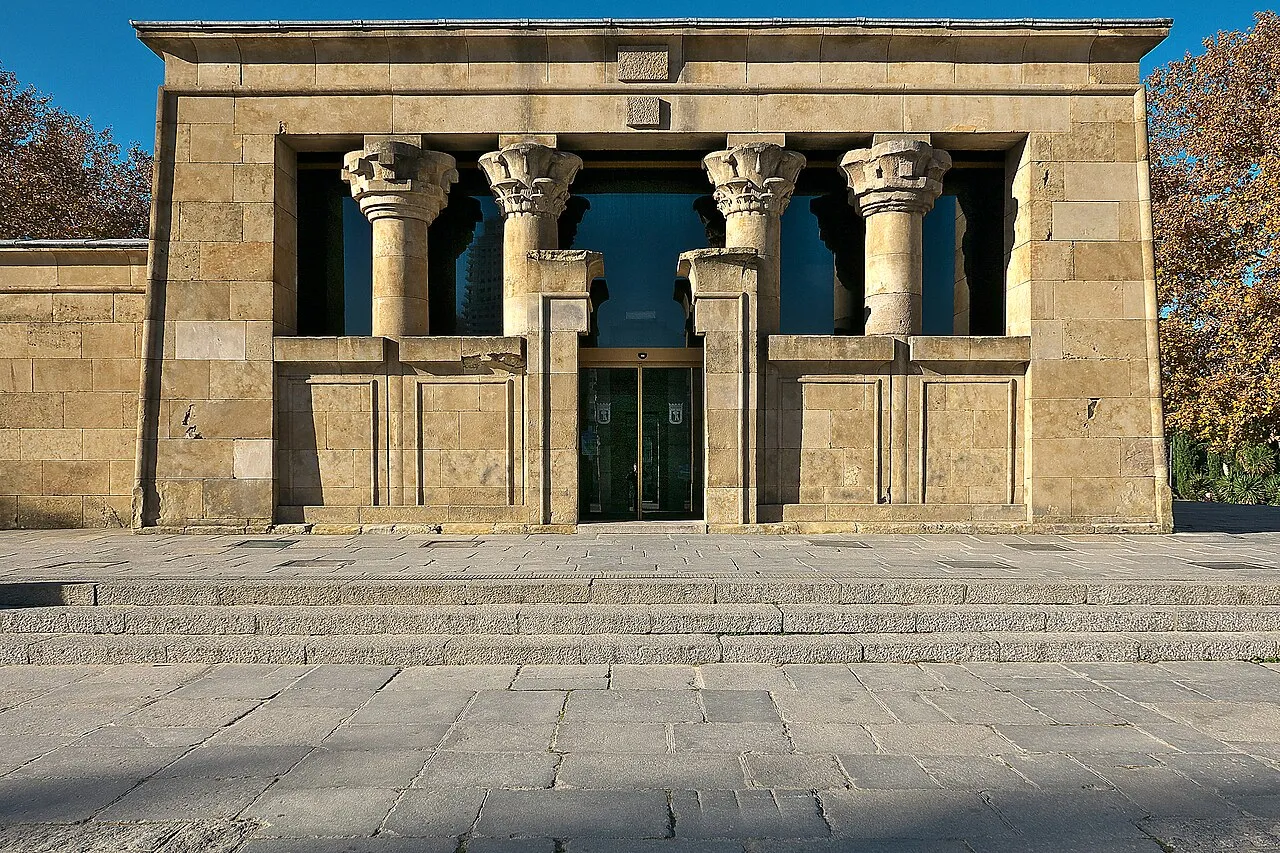
A genuine Egyptian temple from 2,200 years ago, given by Egypt to Spain in 1968 in gratitude for the rescue of the temples of Nubia, dismantled stone by stone and rebuilt here in 1972. It was placed to mimic its original orientation on the Nile, which is why at sunset the light passes through it and sets it ablaze in orange above the sheet of water. Arrive half an hour before sunset, find a spot on the grass on the west side and do not move. The enclosure is free and so is the interior, though it closes on Mondays and numbers are limited.

🎧 On the tour Gran Vía & Modern Madrid📍 View on Google Maps

Day 2 · Paseo del Arte and the Retiro

Three legendary museums, two rival fountains and a park that once belonged to kings.

The second day is denser but more linear: everything happens along a kilometre and a half of tree-lined avenue. The key is not to try to see everything. Choose one big museum — the Prado — and round it off with a small one, or with the Guernica. Anyone who tries to do all three in one day comes out hating painting.

Start at ten at Cibeles and walk down slowly. If the heat bites, reverse the order: park in the morning and museums in the afternoon, when there are also free-entry slots.

8Plaza de Cibeles

Plaza de Cibeles

📍 Paseo del Prado

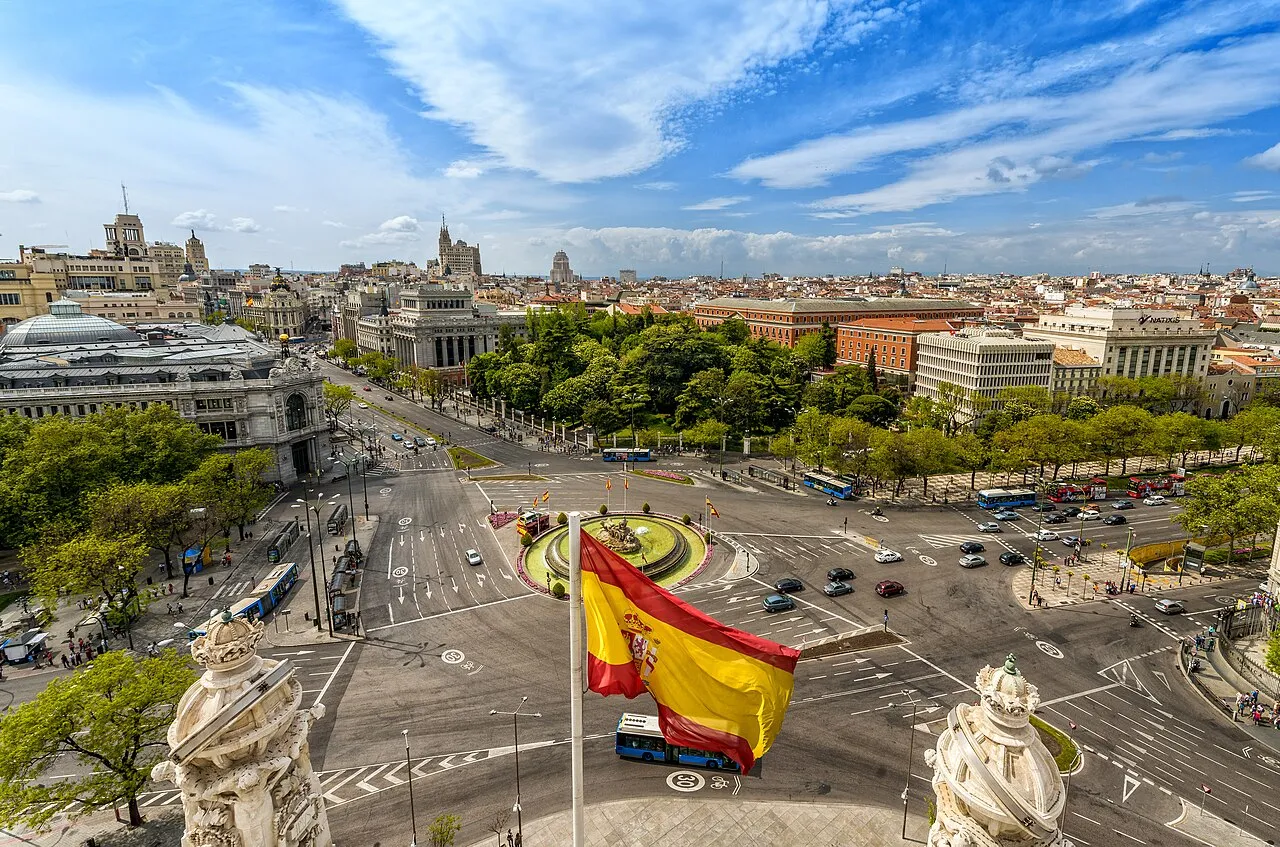
The goddess Cybele has been sitting in her lion-drawn chariot since 1782, when this was not the centre of Madrid but its leafy edge. During the Civil War madrileños walled her in with sandbags to save her from the bombs, and they succeeded. Today she is the altar where Real Madrid celebrates its titles — Atlético does so 600 metres further down, at Neptuno — and behind you have the Cibeles Palace, once the Post Office and today City Hall, with a viewpoint in the tower 70 metres up for around 3 €.

9Thyssen-Bornemisza Museum

Thyssen-Bornemisza Museum

📍 Paseo del Prado, 8

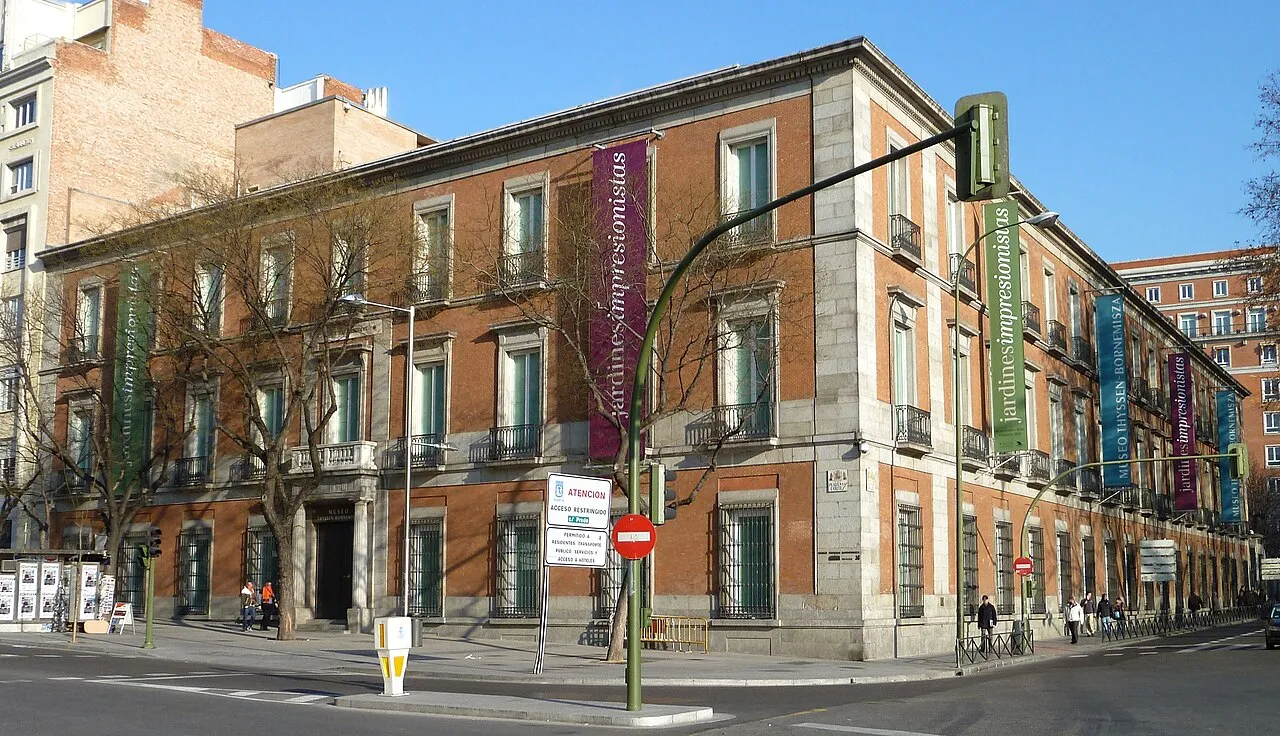
The most astonishing private collection a family has ever assembled and the piece that completes the Art Triangle: where the Prado tells of the old centuries and the Reina Sofía of the Spanish twentieth, the Thyssen fills in all the gaps, from the Italian primitives to pop art, in a single chronological route downhill. Look at the salmon colour of the walls: it is the exact shade the baron had in his villa in Lugano, and it moved to Madrid along with the paintings. Entry around 14 €, with free access to the permanent collection on Monday afternoons.

10Prado Museum

Prado Museum

📍 Paseo del Prado, s/n

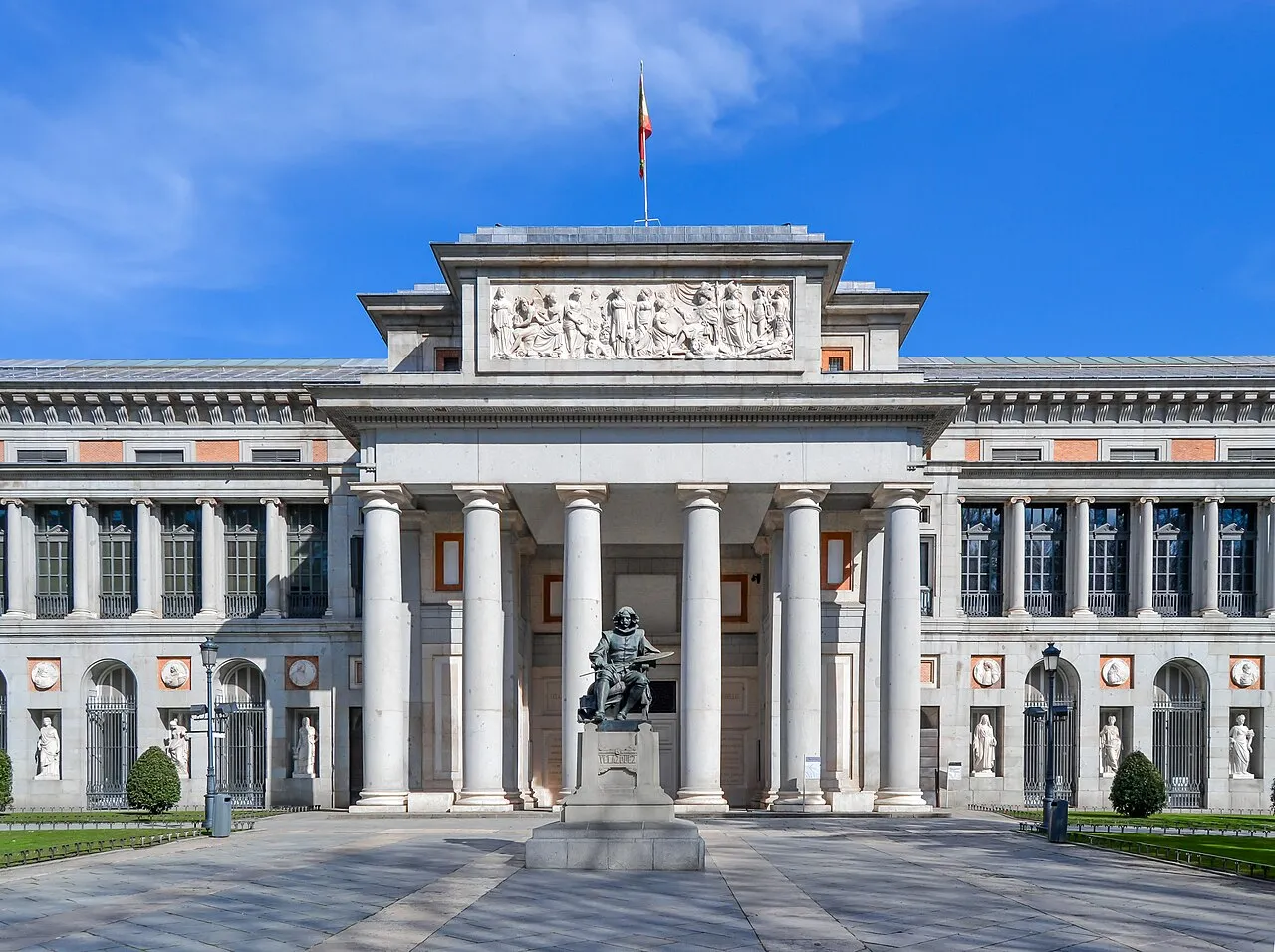
The visit that justifies half the trip. It was not formed by buying works, but from what the kings of Spain accumulated over centuries, which is why its Spanish, Flemish and Italian painting has no rival anywhere else in the world. Go for the big names and do not try to see everything: Las Meninas, Goya's Black Paintings, The Garden of Earthly Delights and Philip II's Titians will take you a good two hours. General admission is around 15 € and there is free access in the last two hours of the day, with a queue: get there half an hour early.

11Reina Sofía Museum

Reina Sofía Museum

📍 Estación del Arte

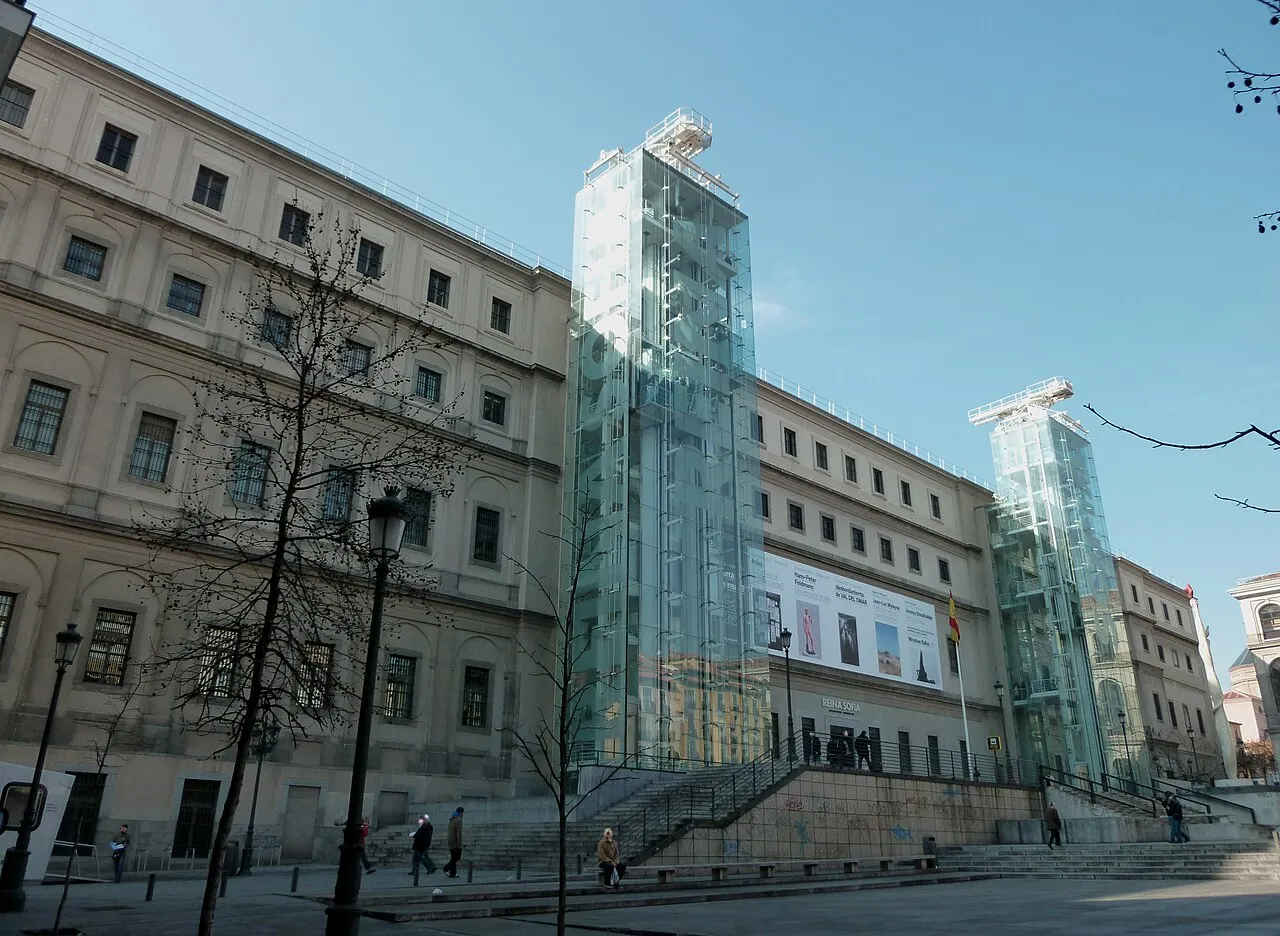
In what was once Madrid's General Hospital hangs the Guernica: three and a half metres by almost eight of pain in white, black and grey. Picasso painted it in a few weeks in 1937 for the Spanish pavilion at the Paris Exposition and refused to let it return while Spain was not a democracy: it waited more than forty years at MoMA and did not come back until 1981. It is viewed in a room with no photos and in silence, and it is worth setting aside ten minutes for it alone. Entry around 12 €, free late on most afternoons and on Sunday mornings.

12Crystal Palace

Crystal Palace

📍 Parque del Retiro

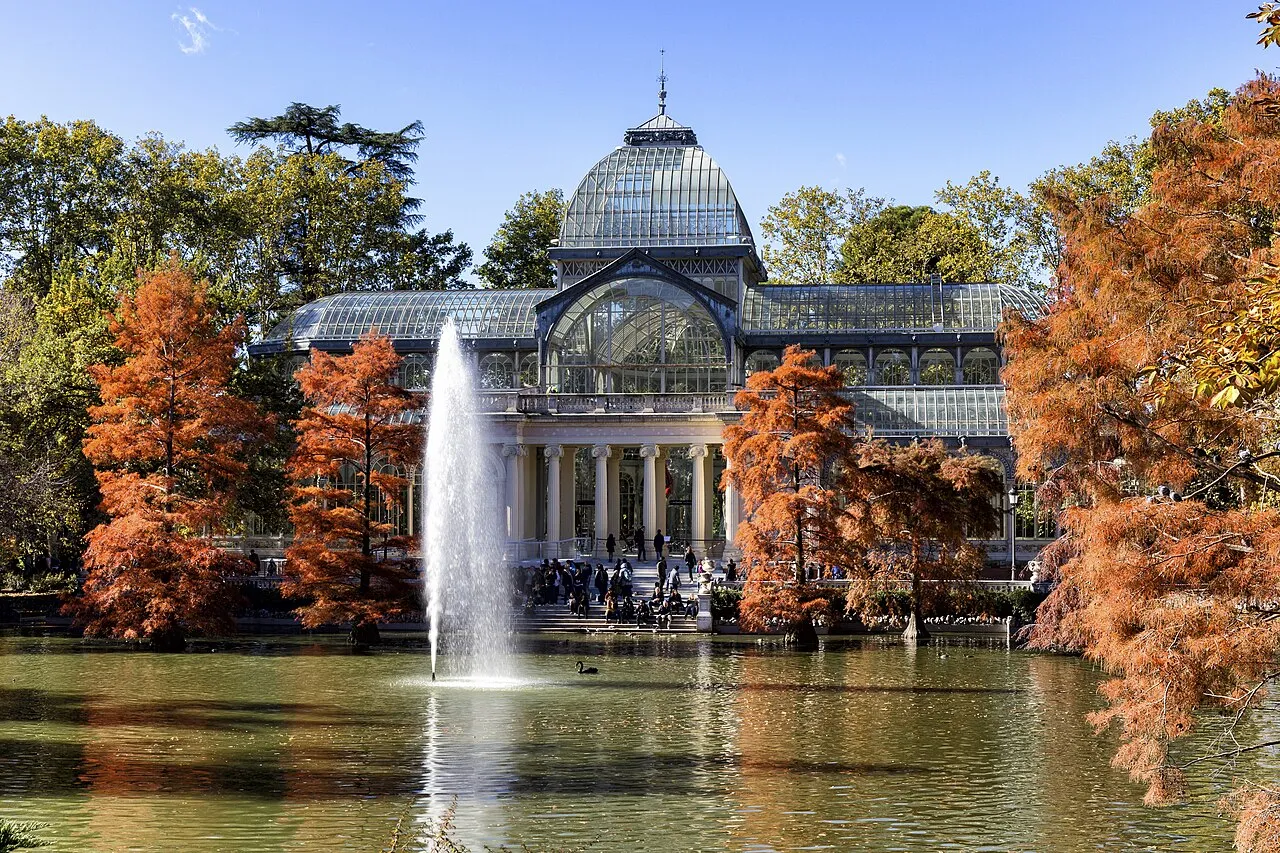
For many people, the prettiest corner of Madrid: a dome of iron and glass reflected in a pond with ducks, hidden among the trees of the Retiro. It was not built as a romantic whim, but as a greenhouse for the Philippine Islands Exhibition of 1887, an exhibition with a decidedly dark side, because it was not only plants that were brought over. Today it houses contemporary art installations that change every few months and entry is free. Go mid-morning or at the end of the afternoon: at midday it is a queue of selfies.

13Estanque Grande of the Retiro

Estanque Grande of the Retiro

📍 Parque del Retiro

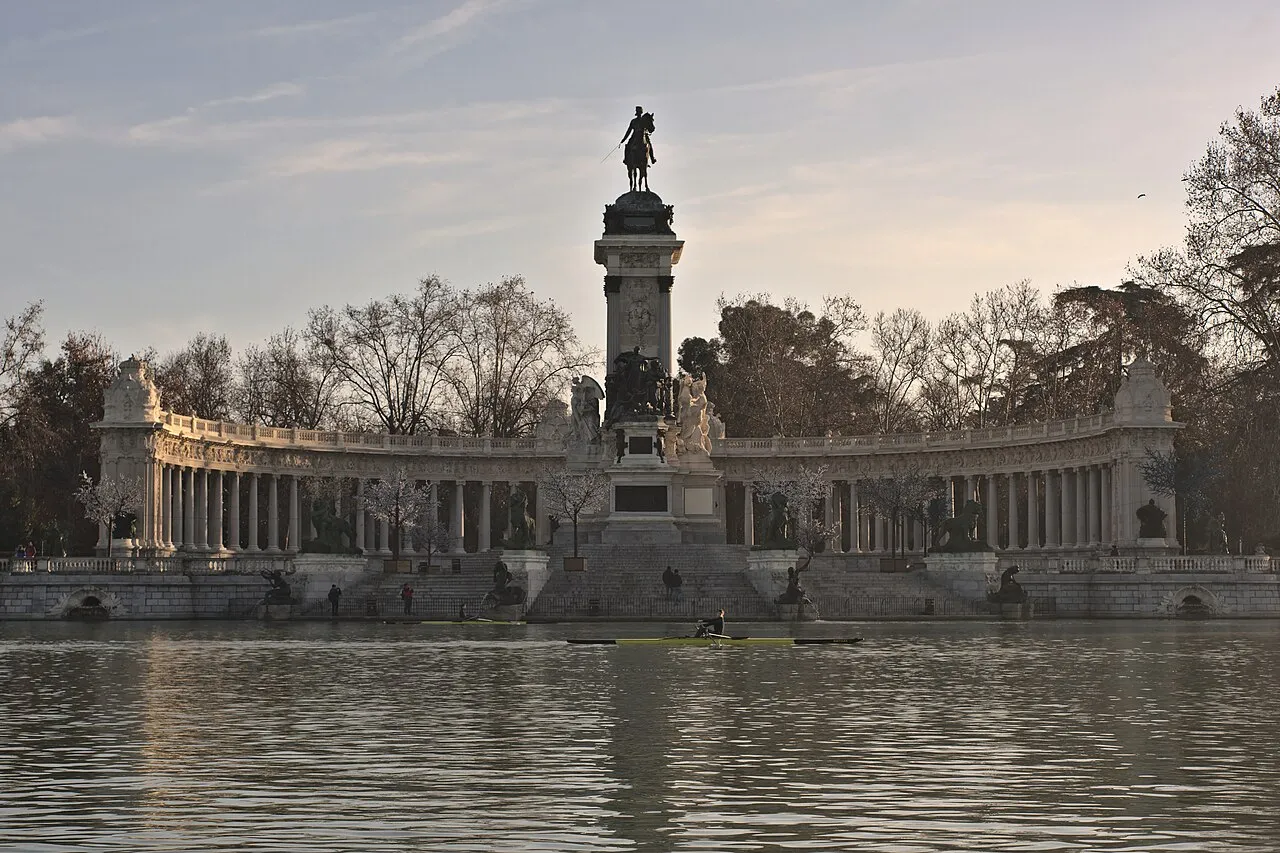
The social heart of the park: a sheet of water with rowing boats and, at the far end, the monumental colonnade of Alfonso XII. Hiring a boat costs around 6-8 € for 45 minutes and is, without question, one of the best cheap plans in the city. The detail almost nobody knows: the lake was dug in the time of Philip IV for naumachiae, miniature naval battles to entertain the court. Where tourists bump their boats today, wars were once staged.

14Puerta de Alcalá

Puerta de Alcalá

📍 Plaza de la Independencia

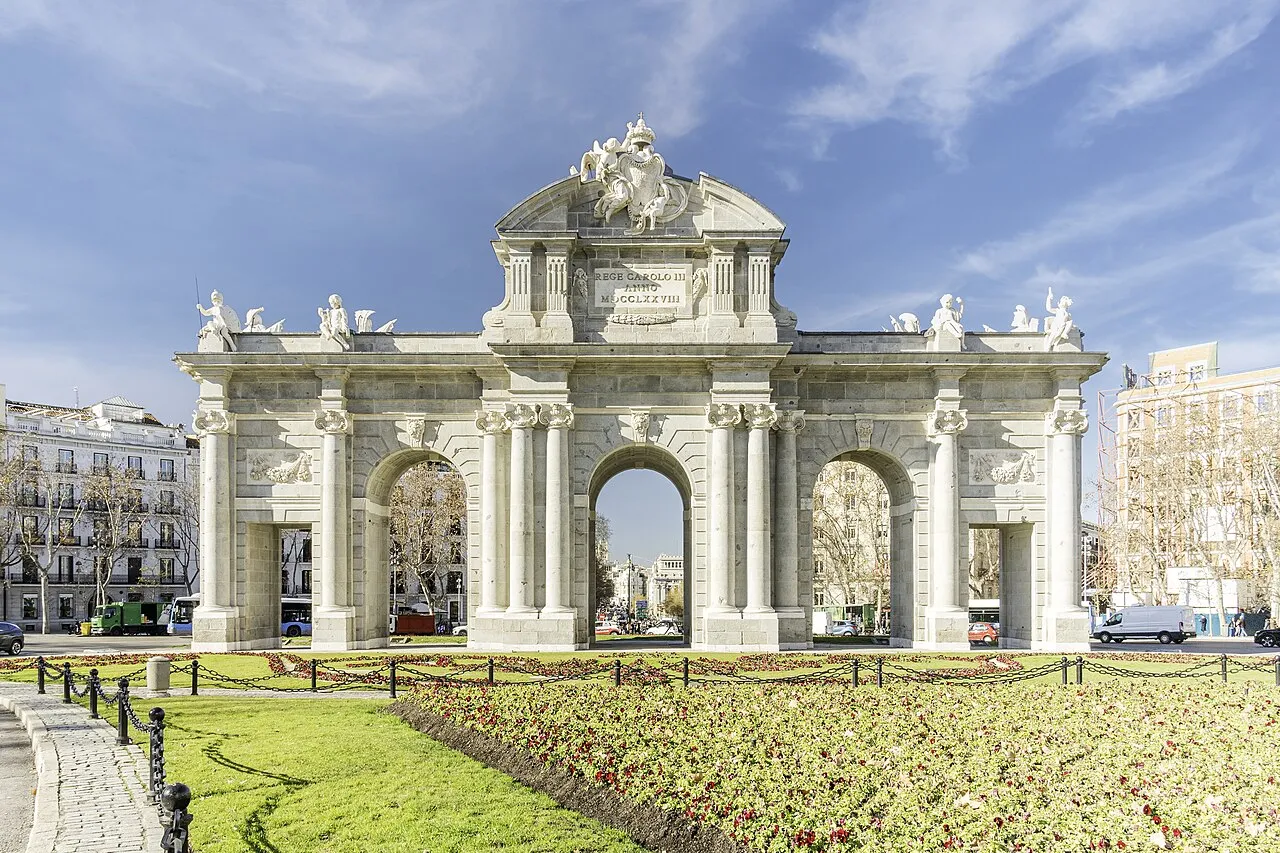
A civil triumphal arch, one of the first of its kind in Europe, commissioned by Charles III from Francesco Sabatini and inaugurated in 1778 to give a dignified entrance to those arriving along the Alcalá road. Walk around it and look closely: its two faces are not the same. Tradition has it that the king could not decide between the two designs he was shown and ordered one façade made from each. It was part of the city's enclosure wall; when the wall was demolished, the gate was spared for being beautiful, and today it is an entrance that no longer leads anywhere.

The rooftop of the Círculo de Bellas Artes
End of Day 2

The rooftop of the Círculo de Bellas Artes

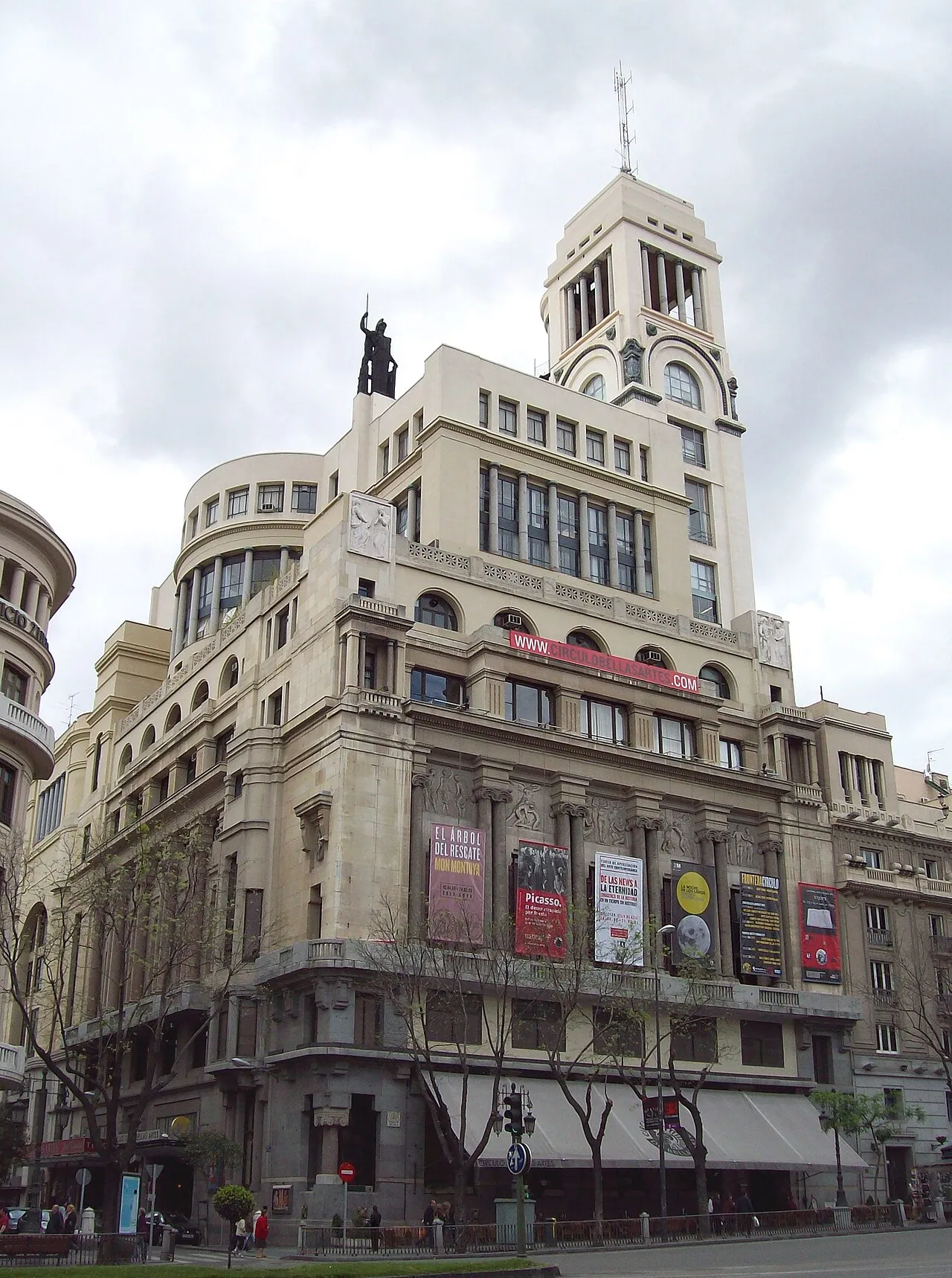
If you go up only one viewpoint on the whole trip, make it this one. Seven floors above calle de Alcalá, the terrace of the Círculo opens up the best panorama of the centre: Gran Vía unrolling like a serpent of rooftops, the golden dome of the Metrópolis almost within reach and, in the distance, the Sierra de Guadarrama. Entry to the rooftop is around 6 € and is paid on the ground floor. Go up an hour before sunset, order something at the bar and stay until the neon signs come on.

🎧 On the tour Gran Vía & Modern Madrid📍 View on Google Maps

Frequently asked questions

Are 2 days enough to see Madrid?

For the essentials, yes. In two full days you see the Madrid of the Habsburgs, the Royal Palace, the Paseo del Arte and the Retiro without rushing. What does not fit is the neighbourhoods: if you can stretch to three days, devote the third to Malasaña and to La Latina and the Rastro, which is where the city really lives.

How much does a weekend in Madrid cost?

Counting entry to two museums (about 27 €), menú del día lunches (14-18 €), tapas and public transport, the realistic range is between 50 and 70 € per person per day without accommodation. It can be brought down quite a bit by making use of the museums' free slots and free viewpoints such as the Templo de Debod or Las Vistillas.

Can you get around Madrid on foot?

Yes, and it is the best way. Between the Puerta del Sol and the Royal Palace is 15 minutes; from the Prado to the Retiro, 5. Over these two days you will walk between 8 and 12 km a day along flat or gently sloping streets. The metro is only needed for the airport and for getting back to the hotel at night.

Is the Royal Palace worth going into?

If palace interiors interest you, very much so: it is the largest royal palace in Western Europe and the Throne Room with its Tiepolo ceiling is genuinely impressive. If you are short of time or money, the courtyard and the façade are free, and the Plaza de Oriente with the Jardines de Sabatini give you the same photo without the queue.

Which museum should I choose if I can only see one?

The Prado, without hesitation, because there is nothing like it in the world. If you are travelling with children or old master painting bores you, swap it for the Reina Sofía: it is lighter, the Guernica can be seen in twenty minutes and the building has a lovely courtyard to rest in.

How to visit Madrid with a guide but at your own pace?

With Viavoy you download walking routes narrated by local guides and do them whenever you like, with no timetable and no group, even offline. This itinerary matches two of them: “Madrid Histórico y Real” for day 1 and “Paseo del Arte & Retiro (Museums Walk)” for day 2.

Where to eat without falling into the trap

The golden rule of central Madrid: the closer to the Plaza Mayor and Sol, the worse you eat and the more you pay. You only need to move three streets away. On day 1, go down to the Cava Baja (metro La Latina), the tavern street par excellence, and eat standing up going from bar to bar: at Txakolina, at number 26, the oxtail tacos and the bao bun with baby squid have become famous, and rightly so. Beneath the Arco de Cuchilleros is Botín, open since 1725 and recognised as the oldest continuously operating restaurant in the world: expensive and touristy, but an experience if you fancy the wood-fired roast suckling pig.

On day 2, the natural stop is the Barrio de las Letras or the area around Atocha. A caña with a slice of tortilla costs between 3 and 5 € in any neighbourhood cervecería, and a decent menú del día is around 14-18 € on weekdays. If you want the absolute classic, book a cocido madrileño: it is served in three courses — the broth, the chickpeas with vegetables, the meats — and eaten at midday, never at night.

And leave room for chocolate con churros at the Chocolatería San Ginés, tucked away in its passage since 1894 and open at almost any hour. Madrileños do not consider it breakfast: it is a ritual of the small hours, or of a winter afternoon.

How to plan it

Day 1 · morningSol and Kilometre Zero (9:30) → Descalzas Reales (10:30, ticket online) → Ópera and Teatro Real → Plaza de Oriente → Royal Palace (12:00) → Almudena and its crypt.
Day 1 · afternoonLunch on the Cava Baja (14:30) → Mercado de San Miguel and Plaza Mayor → coffee → walk along Gran Vía to Plaza de España → sunset at the Templo de Debod.
Day 2 · morningCibeles (10:00) → Thyssen or the Palacio de Cibeles viewpoint → Paseo del Prado to the Prado Museum (11:00, two hours) → lunch near Atocha.
Day 2 · afternoonReina Sofía and the Guernica (16:00) → Cuesta de Moyano and its book stalls → Retiro: Palacio de Cristal, Estanque Grande and a boat → Puerta de Alcalá → rooftop of the Círculo de Bellas Artes at sunset.

Practical information

Getting thereBarajas is 12 km away: metro line 8 to Nuevos Ministerios (about 4.50 € with the supplement), Cercanías train from T4 or a taxi at a flat rate of 33 € to the centre.
Getting aroundOn foot for almost everything. Single metro ticket 1.50-2 € plus 2.50 € for the card the first time; the 10-journey pass pays off if there are two or more of you.
When to goApril-June and September-October are perfect. July and August go above 35 ºC: move the walks to first thing in the morning and to sunset.
Free museumsThe Prado, Reina Sofía and Thyssen have free-entry slots. Always check the official website: hours change with the season.
Mistakes to avoidLeaving the museums for Monday (many close), dining at 19:00 (no kitchens are open) and eating in the Plaza Mayor or at Sol.
Indicative budget50-70 € per person per day without accommodation: two museums, a menú del día, tapas at night and transport.
On the map

🎧 With Viavoy

Walk Madrid and listen at your own pace

Download Viavoy and walk Madrid offline, whenever you like.

from 2,99 €· one-off payment
City Pass · 9,99 €3 days, all the tours in Madrid
Find out more about Viavoy →
Viavoy app

Keep reading

More articles

Itineraries

A weekend in Madrid: from Friday to Sunday

What to see

The Madrid of the Habsburgs on foot: a route through the old town

What to see

The best viewpoints in Madrid: where to see the city from above

Food & drink

Tapas routes in Madrid: three bar-to-bar crawls