Eating in Ronda: rabo de toro, migas and wines from the Serranía
Mountain cooking in the middle of Andalusia, with game, long-simmered stews and a wine appellation almost nobody knows. What to order and where to escape the bridge circuit.
Ronda sits more than seven hundred metres up, ringed by mountains, and its cooking looks nothing like that of the coast an hour away. There is no pescaíto here and no espetos, the sardine skewers of the beach: there are long-simmered stews, game, mountain cured meats and a winter cuisine that the climate explains. It is probably the most Castilian food in Andalusia.
Ronda has a wine appellation of its own, Sierras de Málaga, with small wineries in the surrounding country and high-altitude reds little known outside. Ordering local wine instead of Rioja pays off and comes out cheaper.
Rabo de toro and the stews
Mountain cooking, not coastal.
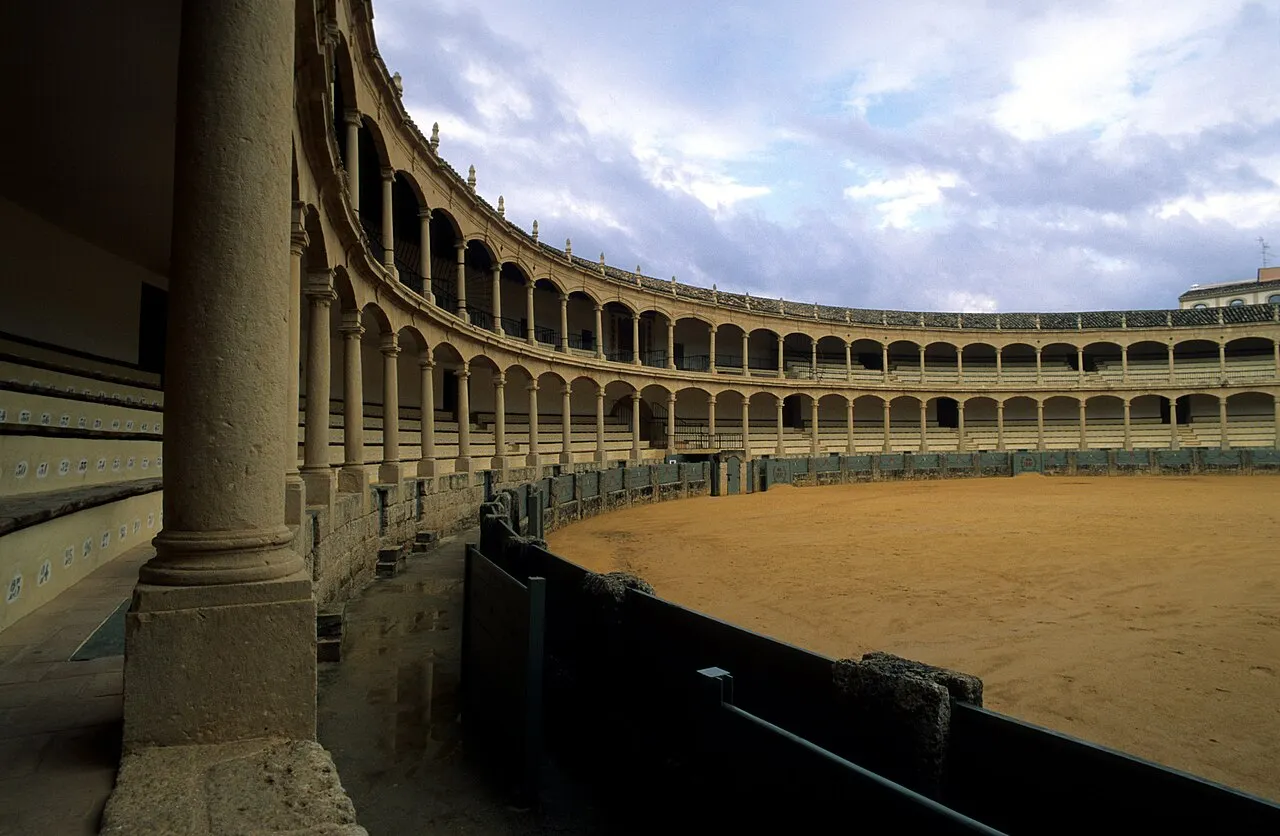
Rabo de toro, oxtail, is the dish associated with Ronda, and the logic is obvious in a city with the oldest and most monumental bullring in Spain. It is stewed for a very long time, with red wine, vegetables and spices, until the meat comes away from the bone by itself. A well-made oxtail is not cut: it falls apart.
The sopa de tomate rondeña is nothing like gazpacho or salmorejo: it is a hot, thick stew with bread, pepper and tomato, served with asparagus or with egg, and it is a winter dish. When you order it expecting something cold, it comes as a surprise.
Migas are the other classic and they are also mountain food: stale bread crumbled up, garlic, oil and paprika, fried until loose and crisp, served with chorizo, pork belly or even grapes or orange. It is shepherds' food, for a cold morning.
In the hunting season, from October to February, venison, wild boar, partridge and rabbit appear, almost always stewed. The Serranía de Ronda is important hunting country and you can tell from the menus of the serious restaurants.
1
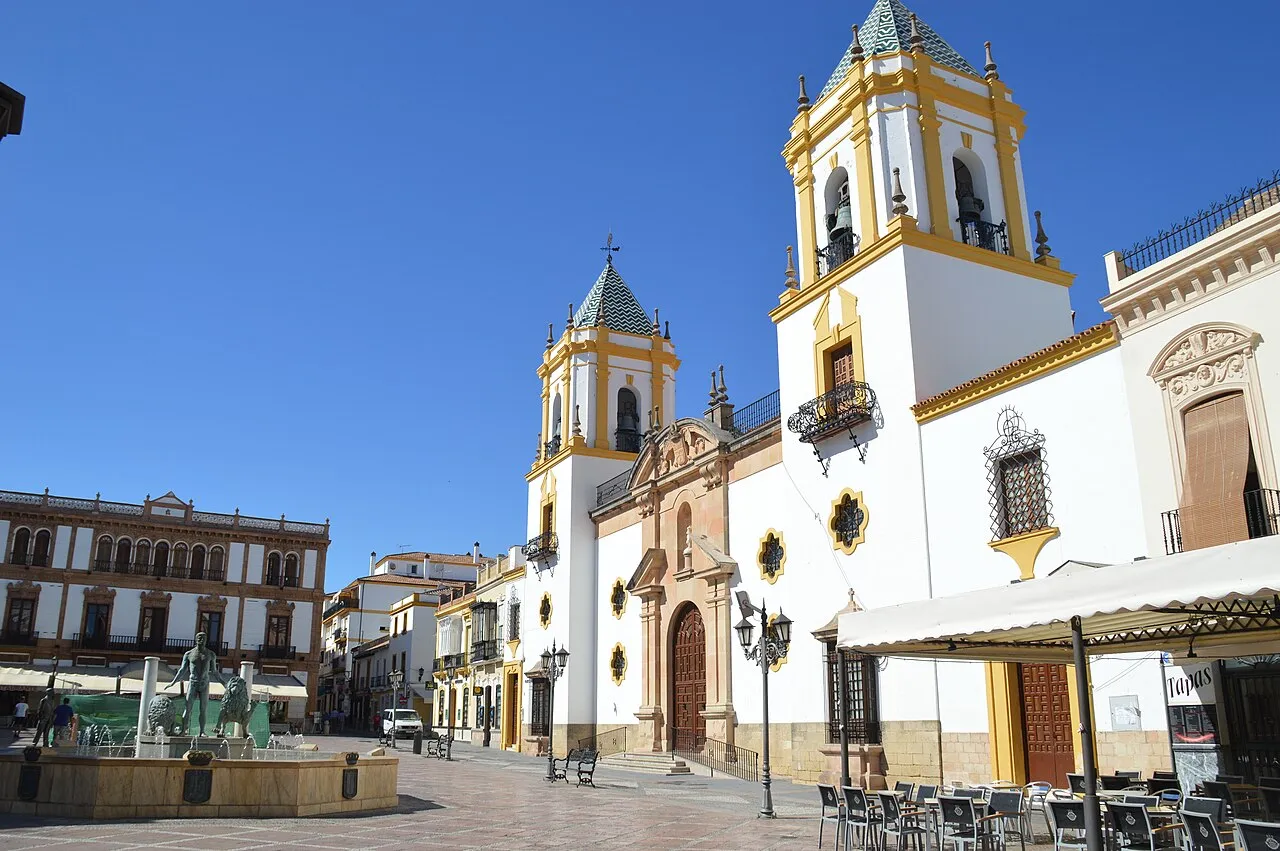
Plaza del Socorro
📍 Mercadillo neighbourhood
Ronda's social square, two minutes from the bullring, with terraces and a local crowd. It is the sensible alternative to the Plaza de España circuit, where prices go up and the menus repeat themselves. This is where the people who live in the city eat.
A landmark for finding your way around the eating district of the Mercadillo: the streets running from here towards the Plaza del Socorro hold a good share of the city's restaurants, and they are more honest than the ones immediately around the bridge.
This is the chapter that surprises most. The Serranía de Ronda has had vineyards since Roman times, lost almost all of them to phylloxera and abandonment, and has recovered them in recent decades with small wineries working at altitude, between seven hundred and a thousand metres.
That altitude gives a considerable temperature swing between day and night, which is exactly what the grape needs to ripen slowly and keep its acidity. The result is reds with more freshness than you expect in Andalusia, above all from syrah, petit verdot and tempranillo.
The appellation is Sierras de Málaga, and several wineries around Ronda offer a visit and tasting with a booking in advance. These are small productions that barely leave the area, so it is one of those things you can only try while you are here.
There is also sweet wine from the province, from moscatel and Pedro Ximénez, although that tradition is tied more to the Axarquía and to Málaga city than to the mountains. Any serious restaurant in Ronda will have local labels on the list: it is worth asking.
Where to eat and where not to
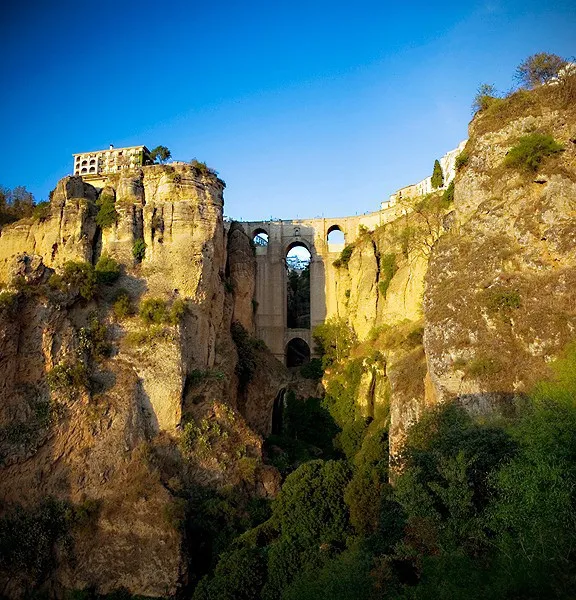
The immediate surroundings of the Plaza de España and the Puente Nuevo hold the largest number of restaurants and also the greatest tourist pressure: laminated menus with photographs, identical set meals from one place to the next and notably higher prices. There are good exceptions, but it is worth looking before you sit down.
The alternative is five minutes away, in the Mercadillo neighbourhood, around the Plaza del Socorro and the streets running off it. That is where the people who live here eat, prices come down and the cooking is more honest.
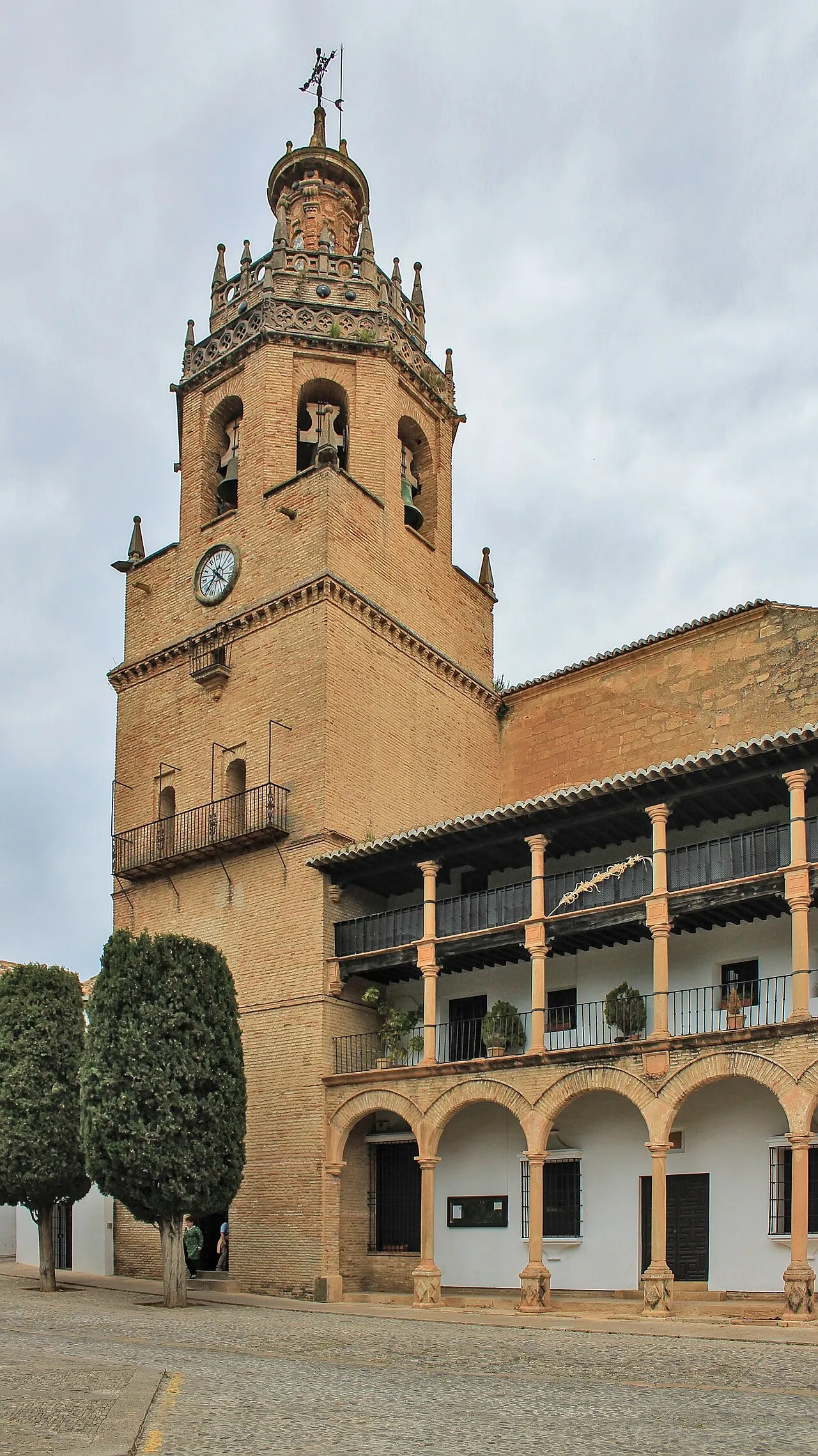
In the old town, south of the bridge, there is considerably less choice but a few very good places in the streets around Santa María la Mayor, with quiet terraces and none of the bridge traffic.
A note on timing: Ronda lives largely off the day trip, so from seven in the evening the city empties and several restaurants close or cut their menus back. Anyone staying the night will find a very different and considerably more pleasant city.
A landmark for the eating district of the old town: the streets around this square have less choice than the Mercadillo but a few very good places, with quiet terraces and none of the constant traffic around the bridge.
Mountain cooking, not coastal: long-stewed rabo de toro, sopa de tomate rondeña — which is hot and thick, not cold —, migas with chorizo or pork belly, and game in season, from October to February. It is probably the most Castilian food in Andalusia, and the altitude and climate of the Serranía explain it.
How do you tell a good rabo de toro?
By the cooking. It is stewed for a very long time with red wine, vegetables and spices, until the meat comes away from the bone by itself. A well-made oxtail does not need cutting: it falls apart with a fork. If you have to apply force, it has not had enough time, which is the most common mistake.
Is there wine from Ronda?
Yes, and it is one of the least known things about the area. The Serranía has vineyards at altitude, between seven hundred and a thousand metres, within the Sierras de Málaga appellation, with small wineries producing reds with more freshness than you would expect in Andalusia. Several offer a visit and tasting with a booking in advance.
Where is the best place to eat?
In the Mercadillo neighbourhood, around the Plaza del Socorro and the streets running off it, where the people who live here eat and prices are reasonable. The area immediately around the Puente Nuevo carries the greatest tourist pressure, with repetitive menus and higher prices, although there are good exceptions there too.
What is sopa de tomate rondeña?
A hot, thick stew with bread, pepper and tomato, often served with asparagus or egg. It has nothing to do with gazpacho or salmorejo, even if the name is misleading: it is a winter dish and a mountain one, and it surprises anyone who orders it expecting something cold.
Is it worth staying for dinner?
Very much so. Ronda lives largely off the day trip, and from seven in the evening the city empties completely. Anyone staying the night will find quiet streets, viewpoints with nobody on them and a city that looks very little like the one the midday visitor sees. That said, several restaurants cut their menus back.
Practical information
The dishRabo de toro, long-stewed with red wine. Done properly, it falls apart without a knife.
WinterSopa de tomate rondeña, which is hot and thick, and migas with chorizo or pork belly.
SeasonGame from October to February: venison, wild boar, partridge and rabbit, almost always stewed.
DrinkingWines from the Sierras de Málaga appellation, grown at altitude, with wineries nearby you can visit.
WherePlaza del Socorro and the Mercadillo, not the streets immediately around the bridge.
Opening hoursFrom seven the city empties and several places cut their menus back.
On the map
🎧 With Viavoy
Walk Ronda and listen at your own pace
Download Viavoy and walk Ronda offline, whenever you like.