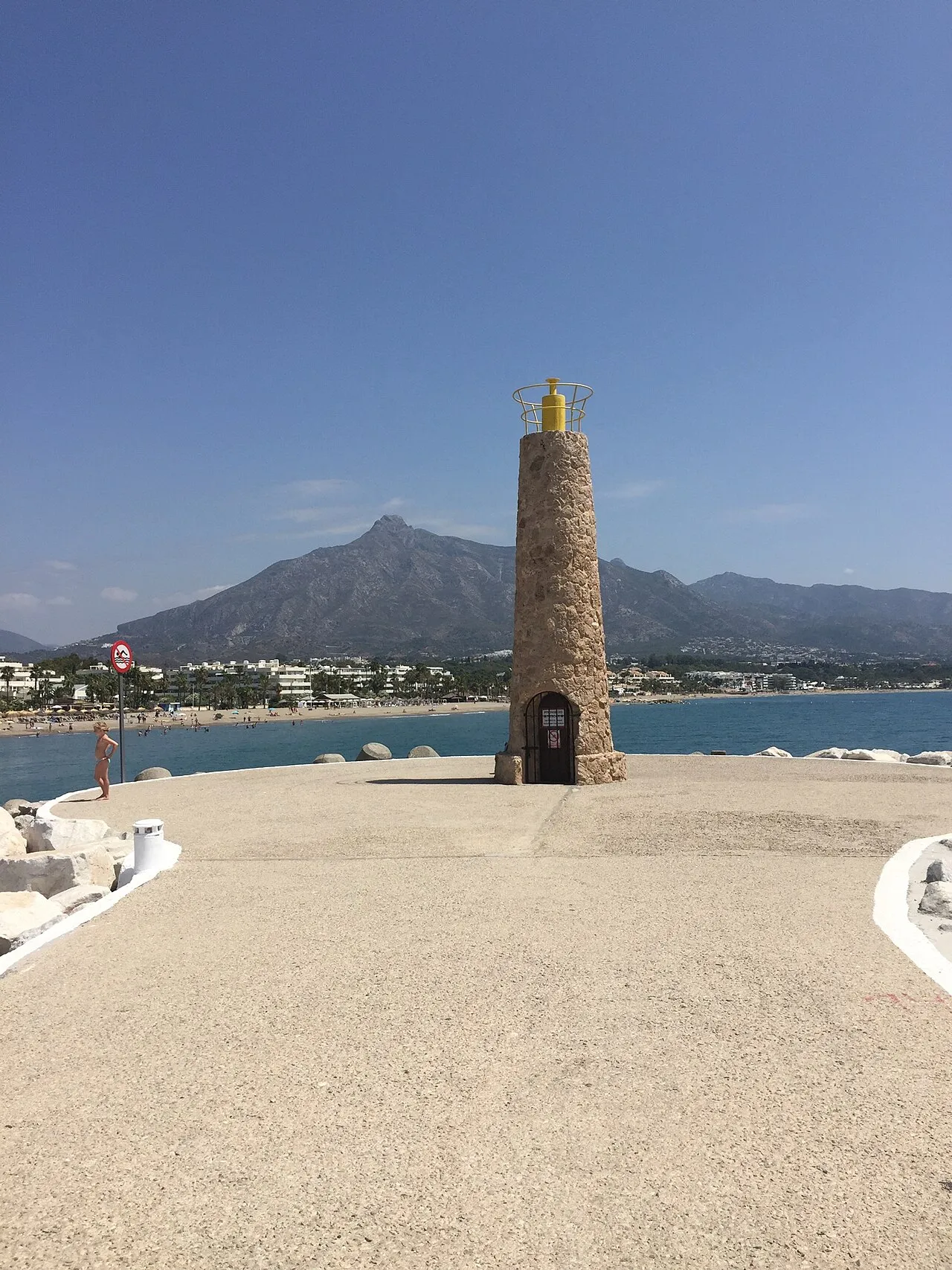
Marbella has a reputation for being expensive, and on certain streets it is. But underneath the tablecloths of Puerto Banús there is a Málaga fishermen's cooking, with rules of its own and a very marked season, that you eat just as well in a chiringuito on the sand as in a dining room with views. This guide is about that: what to order, when and where.
The espeto is eaten in the months without an R — from May to August — which is when the sardine is at its fattest. And it is eaten with your hand. Both are local rules, and they are taken fairly seriously.
The espeto: a boat, sand and olive wood
It is the flagship dish of this coast and its technique has not changed in a century and a half. Six sardines are threaded onto a cane — the espeto — and grilled edge-on over a wood fire, inside an old boat filled with sand so the embers do not burn the hull.
It was born in the fishing neighbourhoods of Málaga in the nineteenth century and local legend says it became popular when Alfonso XII tried them in El Palo. True or not, what can be verified is that the technique belongs to fishermen and to the beach: it was done with whatever was to hand.
The seasonal rule is the one that surprises visitors most. The sardine is eaten from May to August, the months whose name has no R in it, because that is when it has built up most fat and the result is infinitely better. Outside those months it is served just the same, but any Marbella local will tell you it is not the same thing.
And it is eaten with your hand, without cutlery: you take it by the head and the tail, bite along the back and leave the bone. Trying it with a fork gives you away in a second.
1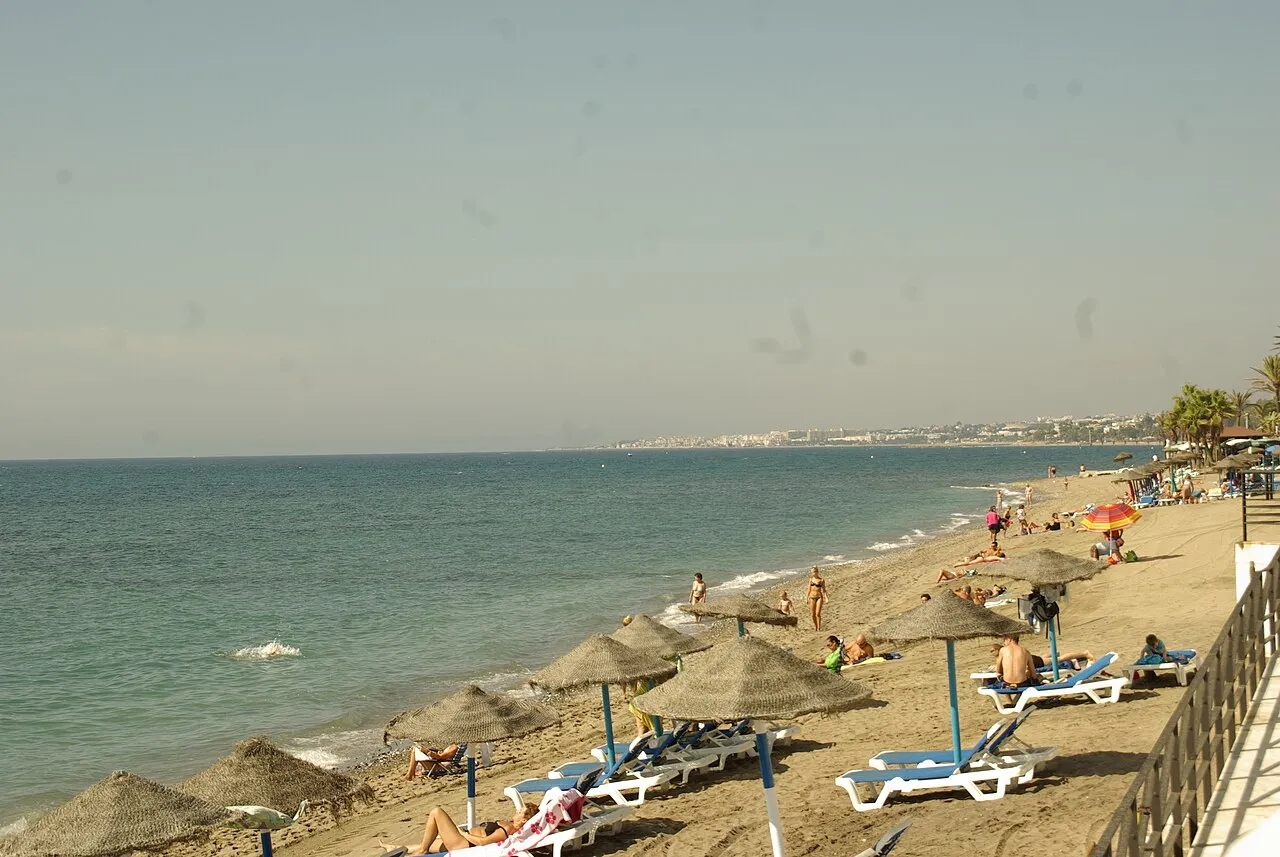
📍 Western end of the seafront promenade
More than a kilometre of sand with chiringuitos lined up along it, ten minutes' walk from the old town. It is where most people from Marbella eat their espeto without thinking about it too much.
The rest of the Málaga menu
Pescaíto frito, the fried fish, is the other pillar: boquerones, red mullet, chanquetes when there are any, squid and puntillitas, coated in chickpea flour and fried in very hot, very clean oil. The key is that it comes out dry on the outside and juicy inside, and only someone who fries all day gets that right.
Boquerones in vinegar are the local aperitif par excellence, and it is worth telling them apart from the fried ones: the same fish, two completely different dishes. In Málaga the white ones in vinegar and the fried victorianos are almost two cultures.
Ajoblanco is the cold soup that hardly anyone orders and that sums up the province: almond, bread, garlic, oil and vinegar, served with muscatel grapes on top. It is older than gazpacho — it has no tomato, because the tomato came from America — and in summer it is probably the best thing you can have here.
Gazpachuelo, on the other hand, is a winter dish and a fishermen's one: a broth with mayonnaise emulsified into it, potato and fish. It was born as a way of using up what little there was, and today it appears on the menus of serious restaurants.
To drink, the wines of Málaga: moscatel and Pedro Ximénez, sweet and with a great deal of history, served in a small glass. And sangria is not from here: if you want the local gesture, ask for a sweet wine or a very cold beer.
Where to eat depending on what you are after
In the old town, around the Plaza de los Naranjos, value for money gets worse exactly on the square and better as soon as you go two streets in. It is the rule of almost every monumental square in Spain and here it holds with precision.
On the beach, the chiringuitos of La Fontanilla and of the seafront promenade are the territory of the espeto and the fried fish, at reasonable prices if you avoid the most touristy front row. Eating with your feet almost in the sand is part of the dish.
In Puerto Banús prices play in another league and you pay in good measure for the setting. It is worth having something there for the experience of seeing the Muelle de Honor from a terrace, but if budget matters, eat before or afterwards somewhere else.
The general trick in Marbella is to move away from the water. A hundred metres inland, on the streets in the centre where the people who work here eat, the menu is the same and the bill drops noticeably.
2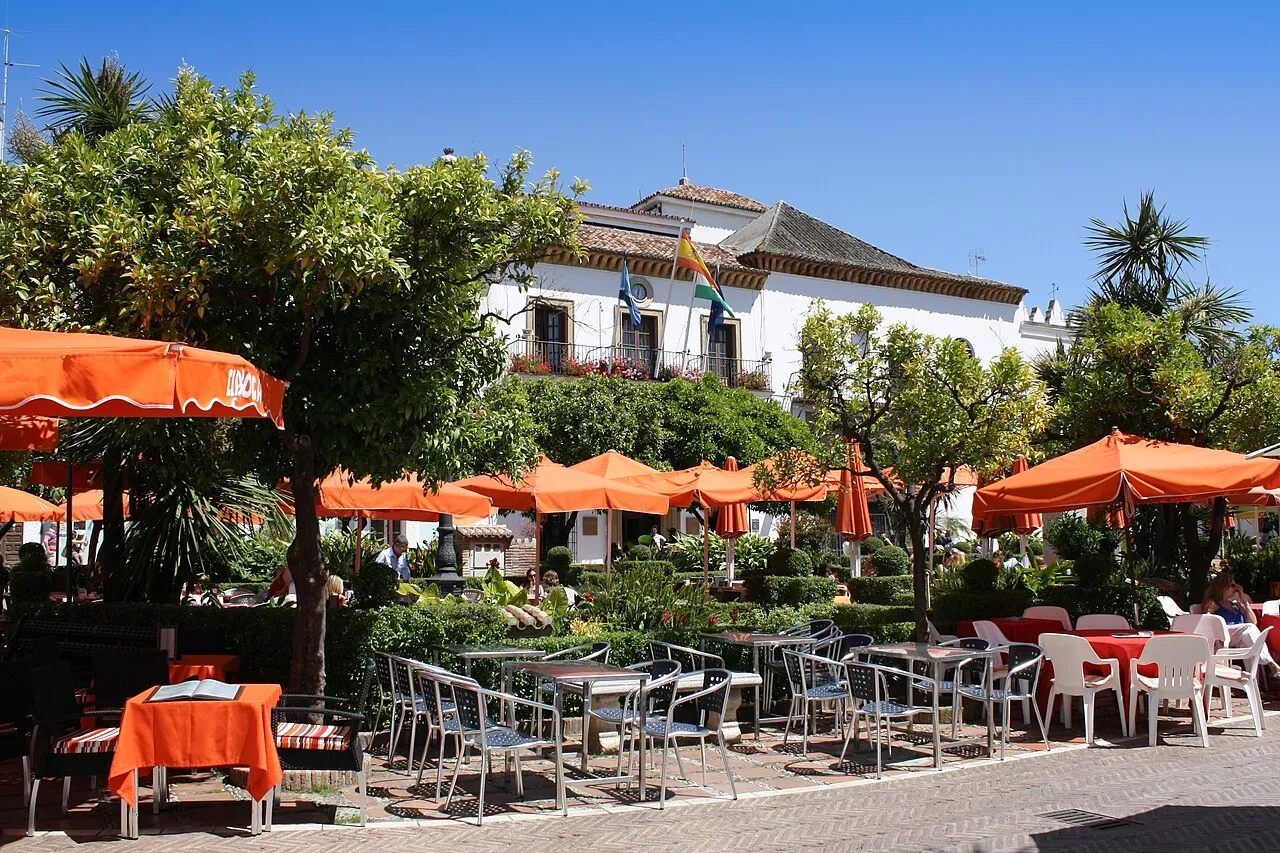
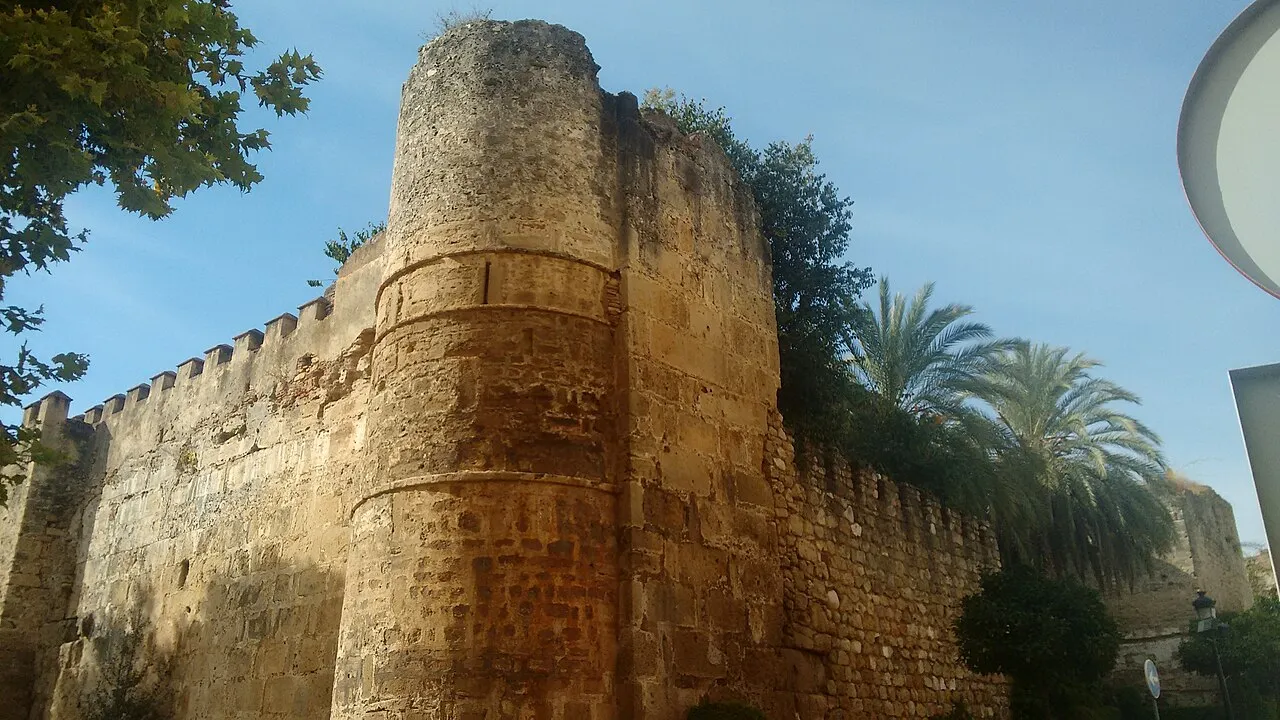
📍 Old town
Terraces under bitter orange trees on the Renaissance square of 1485. Lovely for a drink at the end of the afternoon; to eat well for the price, better two streets in.
3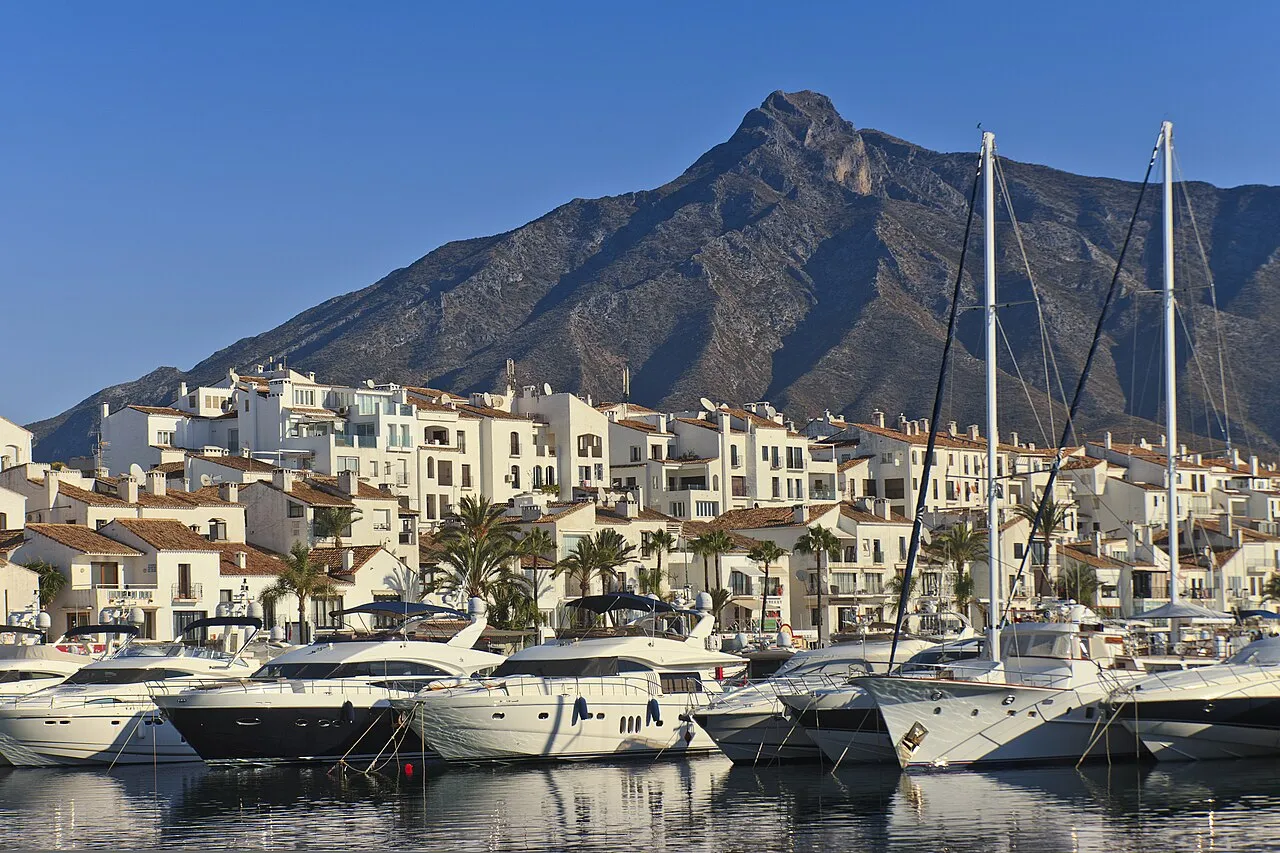
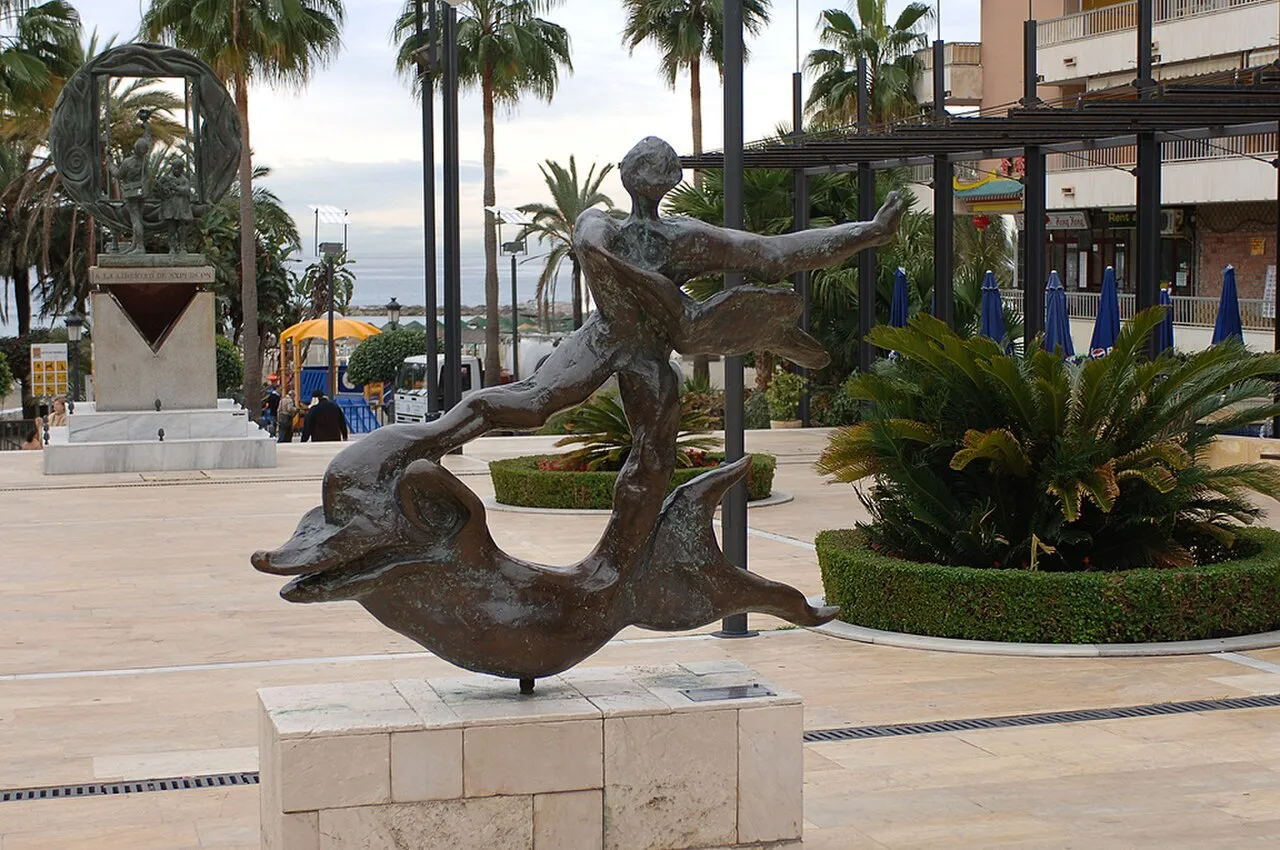
📍 7 km from the centre
Terraces looking out at the yachts, with prices to match. You pay for the setting, not for the cooking, and as a one-off experience it is fine; for eating every day, no.
Frequently asked questions
What is the sardine espeto?
Six sardines threaded onto a bamboo cane and grilled edge-on over a wood fire, inside an old boat filled with sand so the embers do not burn the hull. It was born in the fishing neighbourhoods of Málaga in the nineteenth century and it is still done exactly the same way in chiringuitos all along the Costa del Sol.
When should you eat espeto?
From May to August, in the months whose name has no R in it. It is the local rule and it has a real basis: in those months the sardine has built up more fat and the result is much better. Out of season it is still served, but any Marbella local will tell you it is not the same thing.
Do you eat it with cutlery?
No. You take the sardine by the head and the tail, bite along the back and leave the bone. Trying it with a knife and fork is the gesture that gives an outsider away fastest in a chiringuito on this coast.
What is ajoblanco?
A cold Málaga soup of almond, bread, garlic, olive oil and vinegar, served with muscatel grapes on top. It is older than gazpacho, because it has no tomato: the tomato came from America much later. In summer it is probably the best thing you can have in the province.
Is Marbella expensive for eating out?
It depends a great deal on where. Puerto Banús and the beach front row play in another price league, but a hundred metres inland, on the streets in the centre where the people who work here eat, the menu is practically the same and the bill drops quite a bit. The general trick is to move away from the water.
What do you drink in Marbella?
The sweet wines of Málaga — moscatel and Pedro Ximénez — served in a small glass and with centuries of commercial history behind them. And very cold beer with the fried fish. Sangria is not a local drink: it is a product designed for tourism.