Córdoba in one day: the itinerary that makes every hour count
Itineraries · Córdoba

Córdoba in one day: the itinerary that makes every hour count

The Mezquita first thing, the Jewish Quarter before it fills up, the Alcázar and the patios in the afternoon. With the free slot hardly anyone knows about and where to eat away from the circuit.

11 min read · Updated for 2026
🎧 On the walk The Mezquita-Catedral and the Roman Bridge

Córdoba is one of the few first-rank Spanish cities you can genuinely see in a day, and the reason is scale: the historic centre is compact, everything essential is ten minutes' walk away and the city has been a capital three times — Roman, emiral and caliphal — so the layers lie literally one on top of another. The only thing you have to get right is the order, because the Judería, the Jewish Quarter, is a bottleneck at midday and in summer the heat is in charge.

The Mezquita has a free entry slot first thing in the morning, Monday to Saturday, for individual visitors. It is limited, but it exists and hardly anyone knows about it.

Morning: the Mezquita and the river

Before nine, and without a detour.

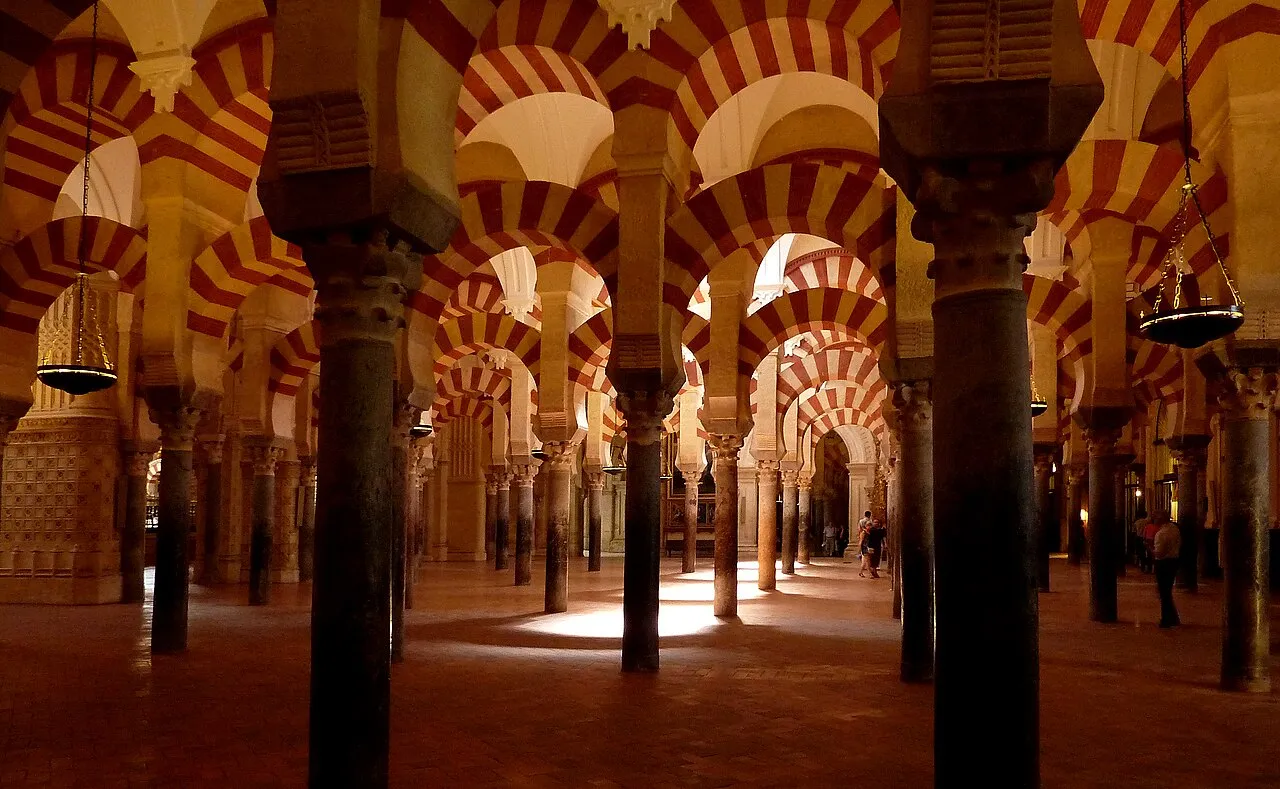
Start with the Mezquita-Catedral, the mosque-cathedral, in the first slot of the day, whether the free one or the paid one. From eleven onwards the groups come in and the forest of columns, which is enjoyed precisely in silence, becomes something else. Allow an hour and a half.

Inside, three specific things: the two-tier arches with alternating voussoirs — a solution invented to gain height with short reused columns — the mihrab of Al-Hakam II with its Byzantine mosaics, and the cathedral crossing built in 1523 by pulling down columns. Seeing the three one after another is understanding the building.

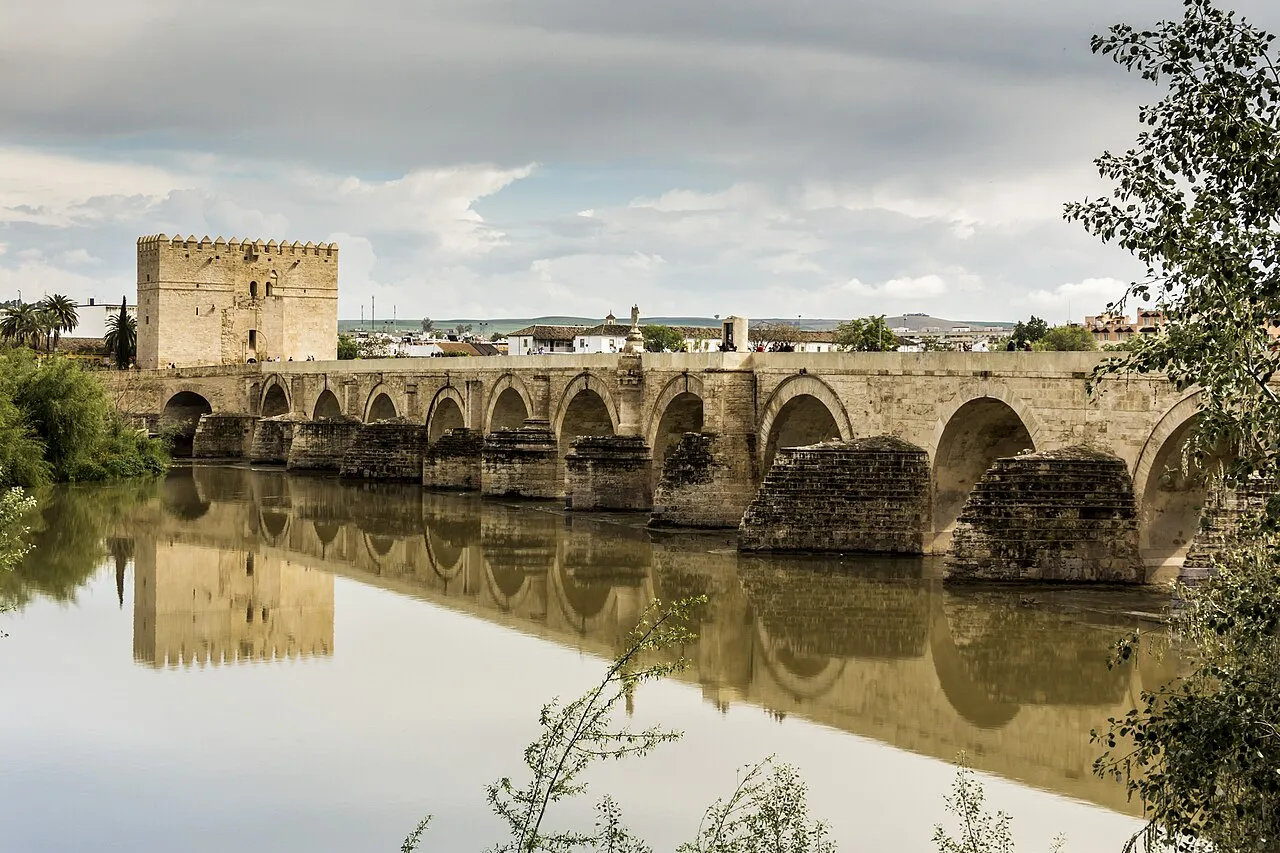
On the way out, cross the Patio de los Naranjos, which is free and is the old ablutions courtyard, and go down to the Roman Bridge. Cross it all the way to the Torre de la Calahorra and turn round: from that bank comes the best view of Córdoba, with the bridge stretched out and the Mezquita behind.

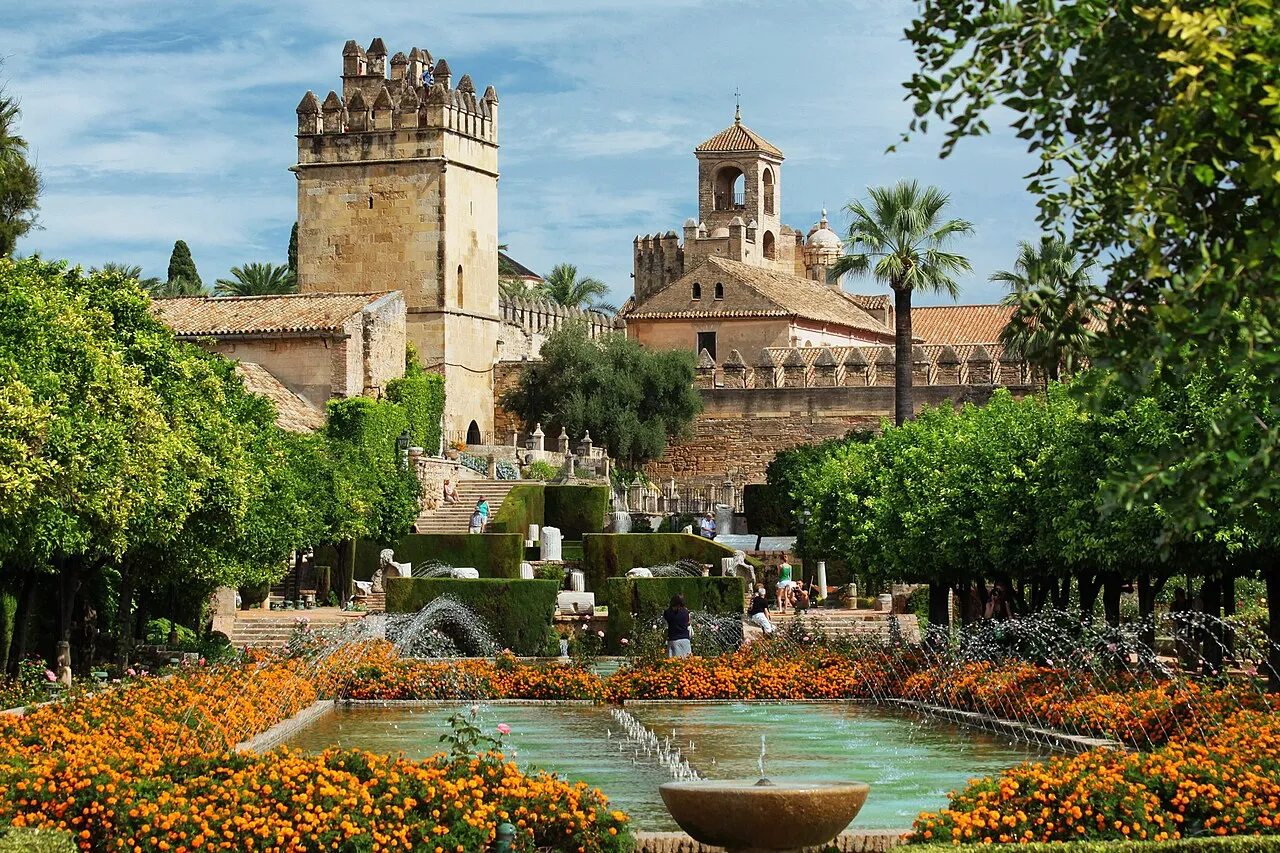
Come back over the same bridge and go up to the Alcázar de los Reyes Cristianos, five minutes away. Its gardens on three terraces take up more room than the building and are the part that asks for most time.

1Mosque-Cathedral

Mosque-Cathedral

📍 Calle Cardenal Herrero, 1

Eight hundred columns, arches of red and white voussoirs with no vanishing point, and the mihrab of Al-Hakam II with mosaics made by craftsmen sent from Byzantium. In the middle, a Renaissance cathedral built in 1523 by pulling down columns. That superimposition is what makes this building unique in the world. An hour and a half, and first thing in the day.

2The Roman Bridge

The Roman Bridge

📍 Over the Guadalquivir

Sixteen arches and the line of the Via Augusta for twenty centuries. From the parapet you can see the Arab mills in the middle of the river, the Albolafia waterwheel that appears on the city's coat of arms and the reed-bed islands where herons nest. Halfway across, the oldest Triunfo de San Rafael in Córdoba, always with candles burning.

3Alcázar of the Christian Monarchs

Alcázar of the Christian Monarchs

📍 Campo Santo de los Mártires

Headquarters of the Catholic Monarchs during the ten years of the war of Granada, and where they received Columbus around 1486. Afterwards, seat of the Inquisition for three centuries and a prison until 1931. Its gardens on three terraces, with ponds and fountains, take up more room than the building and are the best part of the visit.

🎧 With Viavoy

Explore Córdoba at your own pace

Download the app and discover Córdoba offline, whenever you like. Take the walking tour The Mezquita-Catedral and the Roman Bridge with a local guide in your ear.

Find out more about Viavoy →

Midday: San Basilio and the patios

Right next to the Alcázar are the Baños del Alcázar Califal, the private hammam of the tenth-century caliphs, with the vaults pierced by star-shaped skylights and the hypocaust system on view. It takes twenty minutes and costs very little.

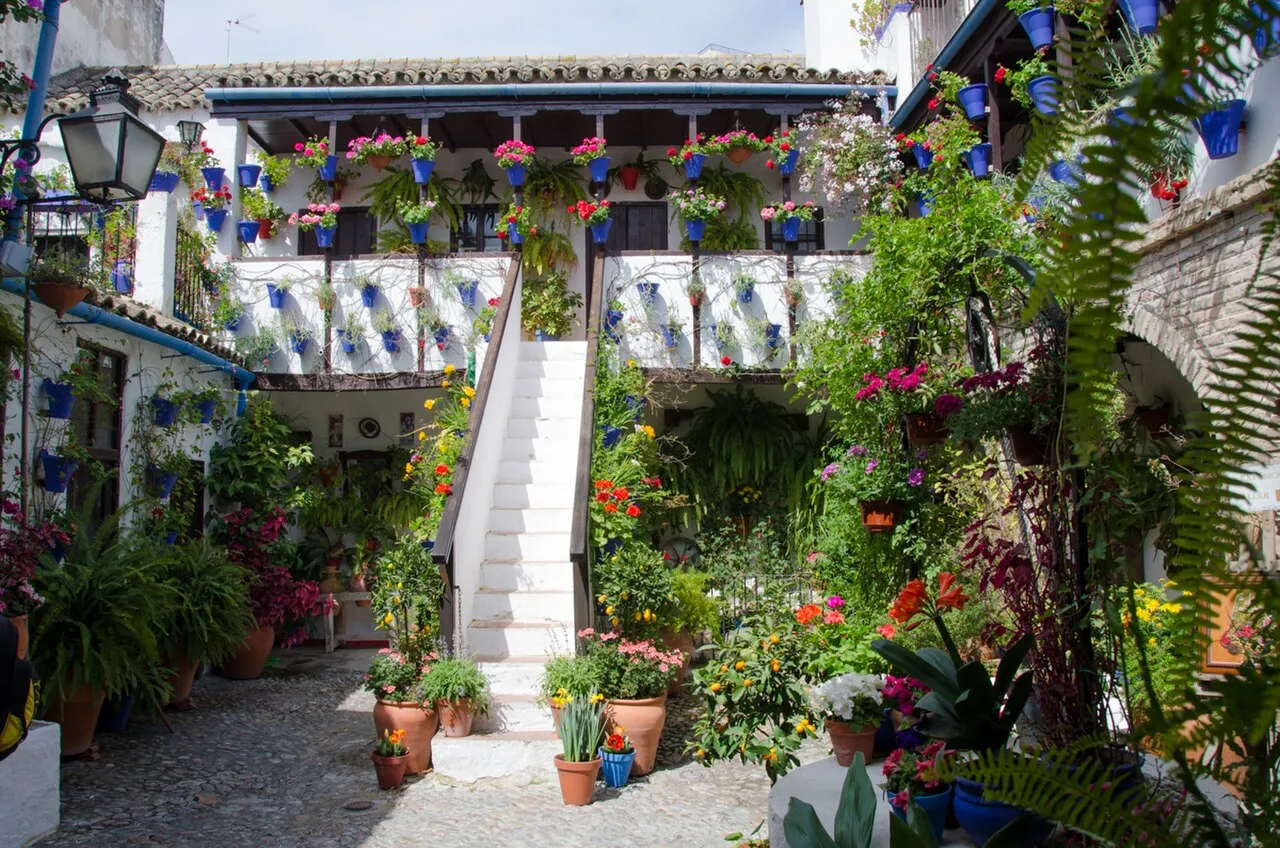
And after that, the barrio of San Basilio, which is where the most award-winning patios in Córdoba are. Outside the May festival, several open in the morning anyway with free entry or a donation, and seeing them without a queue and talking to the person who tends them is quite a bit better than seeing them in high season.

A competition patio has several hundred pots hanging, watered with a long cane tipped with a tin can, twice a day in summer. And they were not decoration: up to a dozen families lived here sharing a kitchen and a sink, and the shared patio was life itself.

For lunch, get out of the circuit: the streets north of the Plaza de las Tendillas and the barrio of Santa Marina have real tabernas with salmorejo, flamenquín, aubergines with honey, rabo de toro and Montilla-Moriles wines at prices that do not exist in the Jewish Quarter.

4Baths of the Caliphal Alcázar

Baths of the Caliphal Alcázar

📍 Campo Santo de los Mártires

The private hammam of the caliphs, from the tenth century, buried for centuries until excavations brought it out. Three rooms — cold, warm and hot — with vaults pierced by eight-pointed star skylights, and the complete hypocaust on view: furnace, small pillars under the floor and flues in the walls.

5Patios of San Basilio, 44

Patios of San Basilio, 44

📍 Calle San Basilio

One of the most award-winning patios in Córdoba and the home of the residents' association that came together in 1974 to stop them disappearing. Walls carpeted with pots to the last gap, a well, ferns and orange trees. It usually opens in the morning with free entry or a donation, outside the May festival too.

6Plaza de las Tendillas

Plaza de las Tendillas

📍 Centre

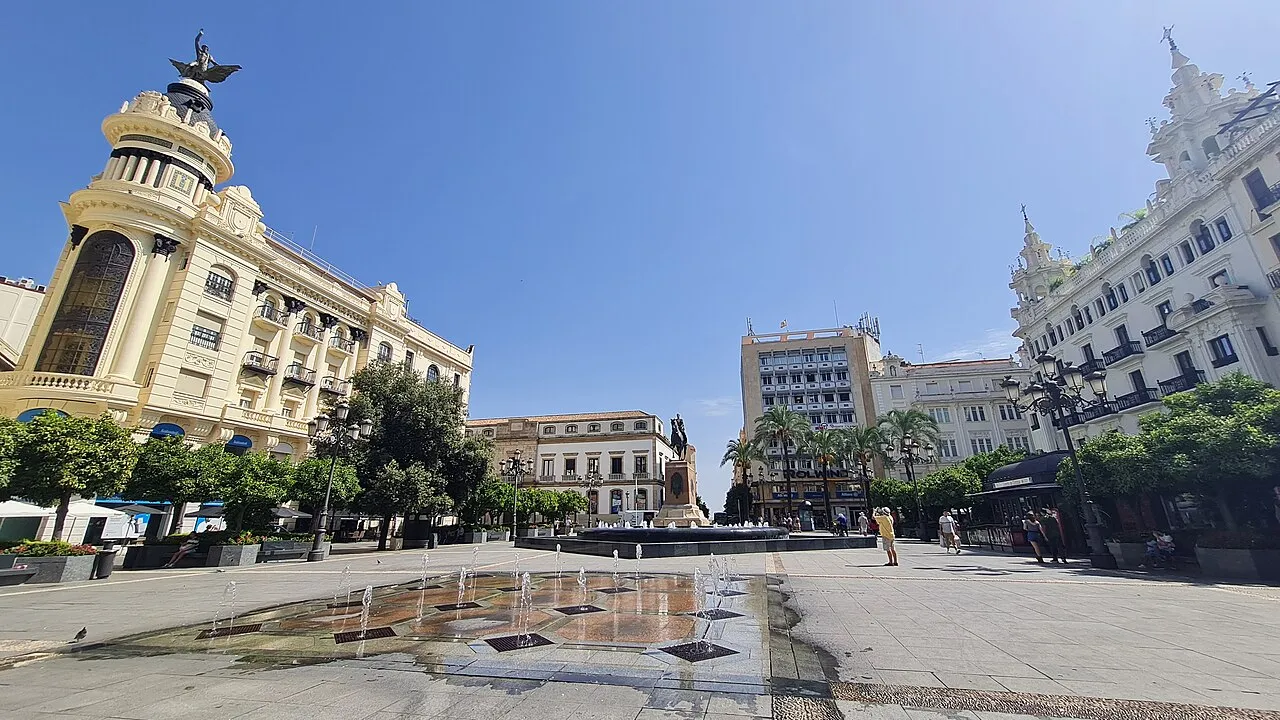
The square where the city meets itself, with the Gran Capitán on horseback — in bronze, but with the horse's head in white marble — and a clock that strikes the hours with Spanish guitar chords. The streets to the north hold the real Córdoba tabernas, away from the circuit of the Jewish Quarter.

Frequently asked questions

Can you see Córdoba in one day?

Yes, and it is one of the few first-rank Spanish cities where that is realistic. The historic centre is compact and everything essential — the Mezquita-Catedral, the Roman Bridge, the Alcázar, the Jewish Quarter and the Synagogue — is ten minutes' walk away. What does not fit into one day is the patios of San Basilio at leisure, Roman Córdoba and, above all, Medina Azahara, which demands half a day on its own.

What is the best order for seeing Córdoba?

The Mezquita first thing, when you can still stand in silence among the columns; then the Roman Bridge and the Torre de la Calahorra, for the view looking back; the Alcázar and the patios of San Basilio at midday; and the Jewish Quarter late in the afternoon, once the groups have gone. The Jewish Quarter at midday is the classic mistake: its streets are too narrow for the volume of people it receives.

How much does it cost to get into the Mezquita in Córdoba?

General entry is around 13 €, and going up the bell tower is paid for separately and works in time slots with limited capacity. There is also a free access slot first thing in the morning, Monday to Saturday, reserved for individual visitors: it is limited in time, it does not give access to every area and there are usually plenty of people, but it is real and very few visitors know about it.

When is Córdoba less hot?

From October to May. Córdoba's summers are among the harshest in Europe: it frequently goes over forty degrees and there are days that reach forty-five. Between June and September the only sensible strategy is interiors at midday and the street first thing in the morning and after seven in the evening. Spring and autumn are the best seasons, and the winter is mild with the monuments empty.

Is Medina Azahara worth it?

Very much so, and it is the great absentee from almost every one-day trip. It is the palace city that Abd al-Rahman III had built in the tenth century eight kilometres from Córdoba, sacked and abandoned barely seventy years after it was finished, and declared a World Heritage Site in 2018. There is a shuttle bus from the centre and you need half a day for the museum and the site. To understand what the caliphate was, nothing is more eloquent.

Where should you eat in Córdoba?

Outside the Jewish Quarter and the immediate surroundings of the Mezquita, which is where visitor prices are concentrated. The streets north of the Plaza de las Tendillas and the barrio of Santa Marina have lifelong Córdoba tabernas. What to order: salmorejo, flamenquín, aubergines with cane honey, rabo de toro and Montilla-Moriles wines, which come from just next door and are very different from those of Jerez despite the resemblance.

Afternoon: the Jewish Quarter and Roman Córdoba

The Jewish Quarter is best enjoyed from five or six in the afternoon on, once the groups have gone. Its streets are so narrow that the sun barely gets in — which makes them the coolest part of the Old Town — and in the middle of the morning they are not wide enough to absorb the crowds.

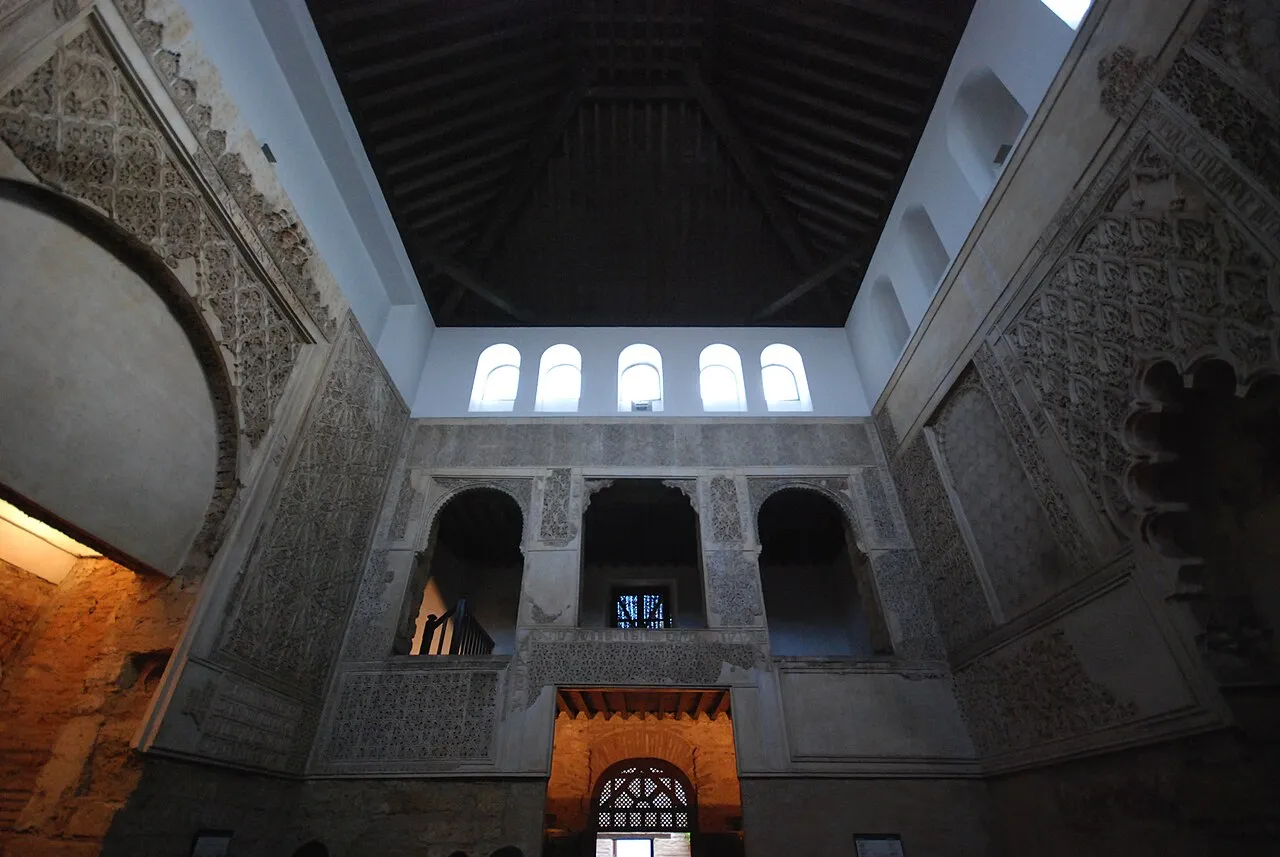
Go in through the Puerta de Almodóvar, the only medieval gate still standing, and look for the Synagogue: one of the three that survive in the whole of Spain and the only one in Andalusia, with Mudéjar plasterwork and the Psalms in Hebrew carved among the interlace. The visit lasts fifteen minutes and the entry fee is token.

On the same street, the Casa de Sefarad, and a few metres away the statue of Maimonides, whose foot shines from being touched so often. And the two unavoidable alleys: the Calleja de las Flores, with the tower of the Mezquita at the end, and the Calleja del Pañuelo, which at its narrowest point measures the width of an outspread handkerchief.

If you have energy left, the Roman Temple next to the City Hall and the Plaza de la Corredera close the day. And to finish, the Cristo de los Faroles at nightfall, in the barrio of Santa Marina: a bare, whitewashed square with eight lanterns and nothing else.

Practical information

DurationA full day. Morning the Mezquita and the river, midday the patios, afternoon the Jewish Quarter.
The MezquitaFree slot first thing, Monday to Saturday; general entry around 13 €.
The critical orderThe Jewish Quarter late in the afternoon, never at midday: the streets cannot absorb the groups.
EatingNorth of Las Tendillas and Santa Marina. Salmorejo, flamenquín, rabo de toro and Montilla-Moriles.
In summerIt goes over 40 degrees. Interiors at midday and the street only first and last thing.
If you have more timeMedina Azahara, 8 km away, with a shuttle bus. Half a day and a World Heritage Site.
On the map

🎧 With Viavoy

Walk Córdoba and listen at your own pace

Download Viavoy and walk Córdoba offline, whenever you like.

from 2,99 €· one-off payment
City Pass · 9,99 €3 days, all the tours in Córdoba
Find out more about Viavoy →
Viavoy app

Keep reading

More articles

What to see

Visiting the Mezquita-Catedral of Córdoba: tickets, timings and what to look at

Neighbourhoods

The Jewish Quarter of Córdoba: the synagogue, Maimonides and the two-metre streets

Festivals & traditions

The patios of Córdoba: when, where and how to see them without queues

Food & drink

Tabernas and salmorejo: how to eat in Córdoba away from the circuit