Tabernas and salmorejo: how to eat in Córdoba away from the circuit
Food and drink · Córdoba

Tabernas and salmorejo: how to eat in Córdoba away from the circuit

Salmorejo, flamenquín, rabo de toro, aubergines with honey and Montilla-Moriles wines. What to order, in which neighbourhoods and why salmorejo is not a thick gazpacho.

8 min read · Updated for 2026
🎧 On the walk Axerquía: Plaza del Potro, San Lorenzo and the Taverns

Córdoba has a very recognisable cooking and a very clear trap: the area around the Mezquita and the Jewish Quarter holds the highest prices and the most uneven quality in the city, and ten minutes' walk away there are local tabernas where you eat infinitely better for half the money. This guide is about what to order — starting by clearing up a misunderstanding about salmorejo — and where to go and order it.

Salmorejo is not a thick gazpacho: it has tomato, bread, oil, garlic and salt, and nothing else. No pepper, no cucumber, no vinegar. They are two different dishes.

Salmorejo, and what it is not

The canonical recipe has five ingredients: tomato, day-old bread, extra virgin olive oil, garlic and salt. It is emulsified into a thick orange cream and served cold with chopped hard-boiled egg and ham on top. It has no pepper, no cucumber, no onion and no vinegar, which are precisely the ingredients that mark gazpacho out from it.

The key is the emulsion: the oil and the bread bind into a stable cream, and that is why the texture is dense and silky, not liquid. A well-made salmorejo holds up on the spoon. In Córdoba there is even a brotherhood devoted to fixing and defending the recipe.

It is eaten all year round, although it is a summer dish by definition, and it is also used as the base for other dishes. And there is a close relative worth trying: mazamorra, the version that predates the tomato, made with almond instead of red fruit, which is what people ate here before the tomato arrived from the Americas.

1Plaza de las Tendillas

Plaza de las Tendillas

📍 Centre

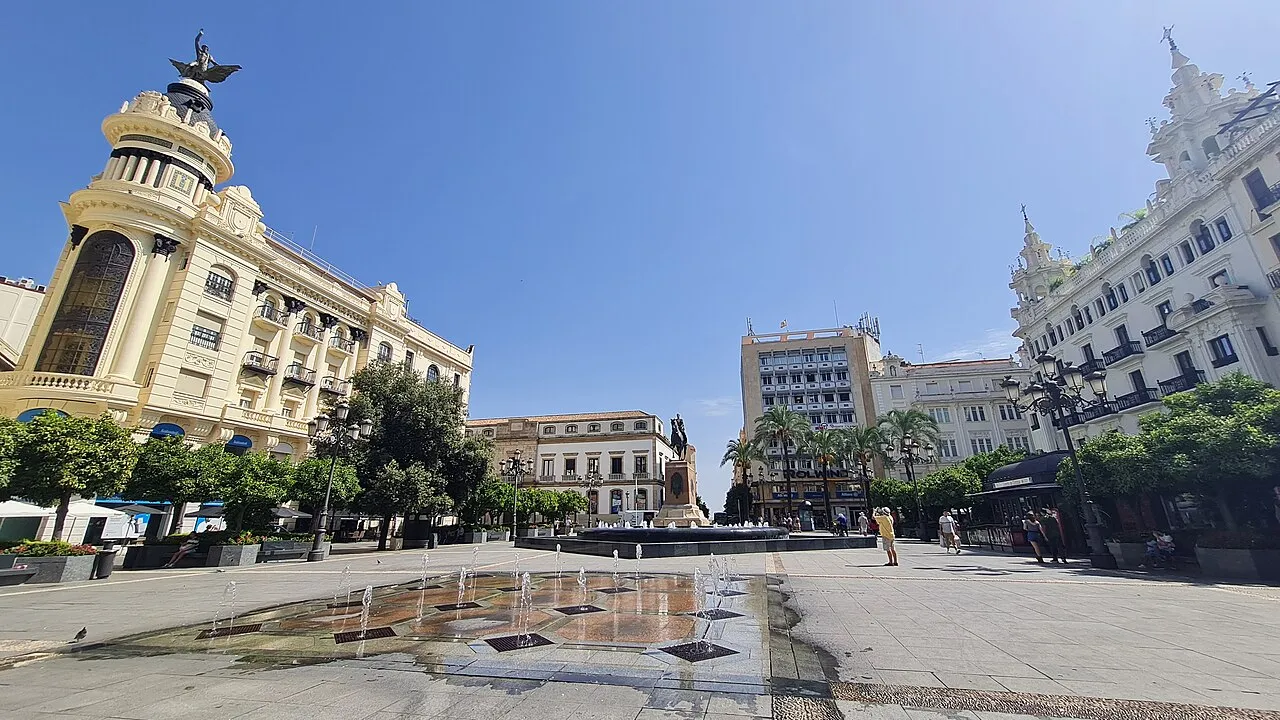
The reference point for eating away from the circuit: the streets north of this square hold the lifelong Córdoba tabernas, with local regulars and prices that do not exist in the Jewish Quarter. It is also where the city meets itself, under the clock that strikes the hours with guitar chords.

2Taberna Sociedad de Plateros

Taberna Sociedad de Plateros

📍 Calle San Francisco, La Axerquía

One of the historic tabernas of Córdoba, run by a mutual aid society of the silversmiths' guild founded in the nineteenth century. A tiled courtyard, Montilla barrels and a short menu of Córdoba cooking. It is one of the stops that best explains what a real Córdoba taberna is.

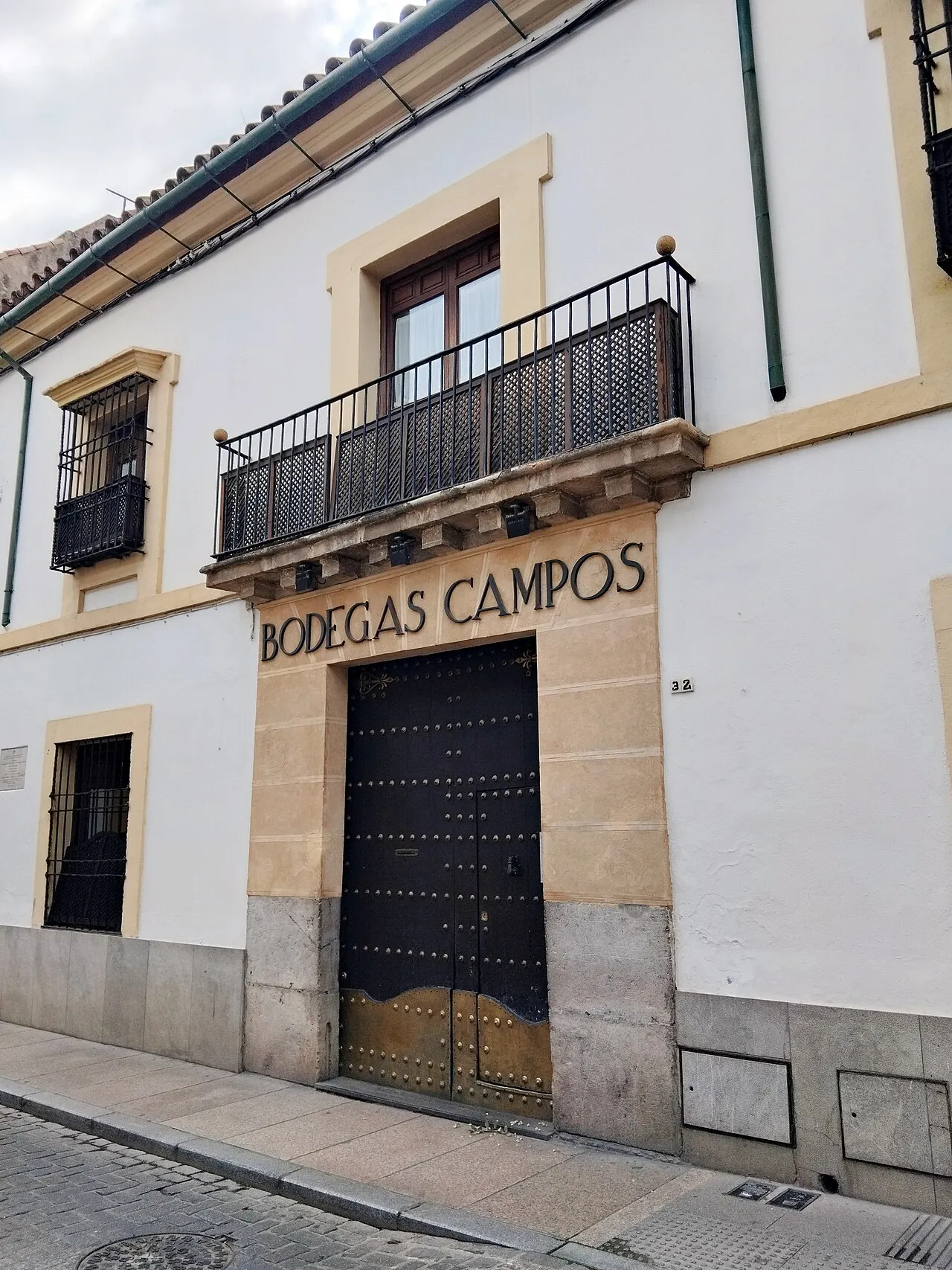
3Bodegas Campos

Bodegas Campos

📍 Calle Lineros, La Axerquía

A wine cellar from 1908 turned into a restaurant, with several patios, barrels signed by illustrious visitors and a menu that is the benchmark of classic Córdoba cooking. It is dearer than a local taberna and it is still one of the best tables in the city. It is worth booking.

🎧 With Viavoy

Explore Córdoba at your own pace

Download the app and discover Córdoba offline, whenever you like. Take the walking tour Axerquía: Plaza del Potro, San Lorenzo and the Taverns with a local guide in your ear.

Find out more about Viavoy →

The rest of the menu

Five dishes and a wine that is not from Jerez.

The flamenquín: a strip of pork loin rolled up with ham, breadcrumbed and fried, cut into slices. It is filling, it is from here and it is what you order when the salmorejo has left you short. Several towns in the province dispute its origin.

Rabo de toro, oxtail stewed for hours in wine until the meat comes off the bone by itself. It is the Córdoba spoon dish par excellence and it appears in any taberna worth its name. Aubergines fried with cane honey — not bee honey — are the classic accompaniment and a direct Andalusi inheritance.

Salmorejo also has two cousins: ajoblanco, with almond and no tomato, and the mazamorra already mentioned. And in the seafood section, despite being two hundred kilometres from the coast, fried fish works well because it arrives daily from Málaga and Huelva.

And the wine: Montilla-Moriles, from the province of Córdoba. It resembles the wine of Jerez in its categories — fino, amontillado, oloroso, Pedro Ximénez — but it is different: it is made with the Pedro Ximénez grape instead of palomino, it reaches its strength naturally without fortifying, and it tends to be softer. Ordering a fino from Montilla in Córdoba is the thing to do.

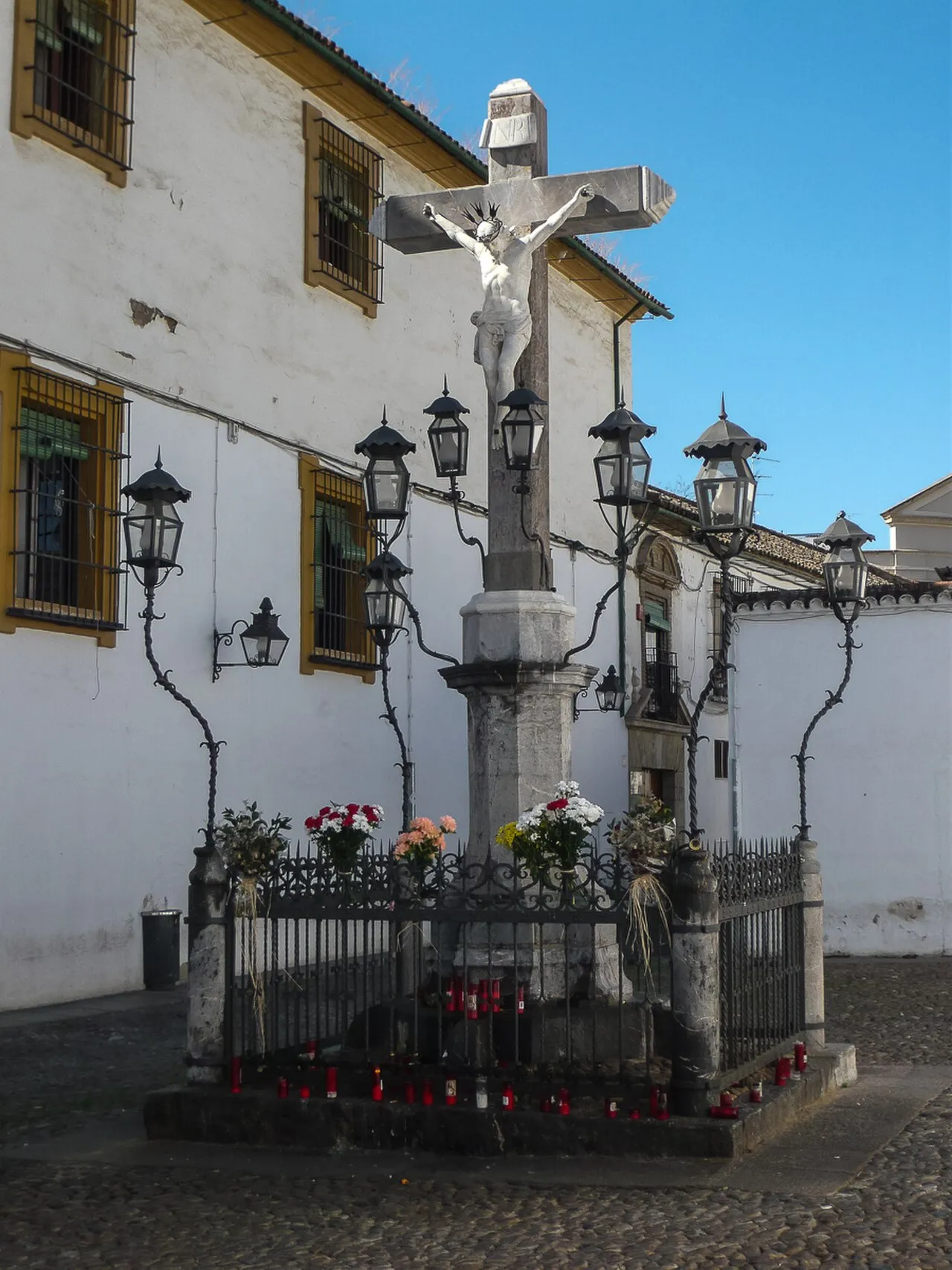
4Cristo de los Faroles

Cristo de los Faroles

📍 Plaza de los Capuchinos, Santa Marina

In the barrio of Santa Marina, the city's other area of real tabernas along with La Axerquía. This is where the local casas de comidas are, with local regulars, fifteen minutes from the Mezquita and with prices from another world. And the square, at nightfall with the lanterns lit, is the best end to a night of tabernas.

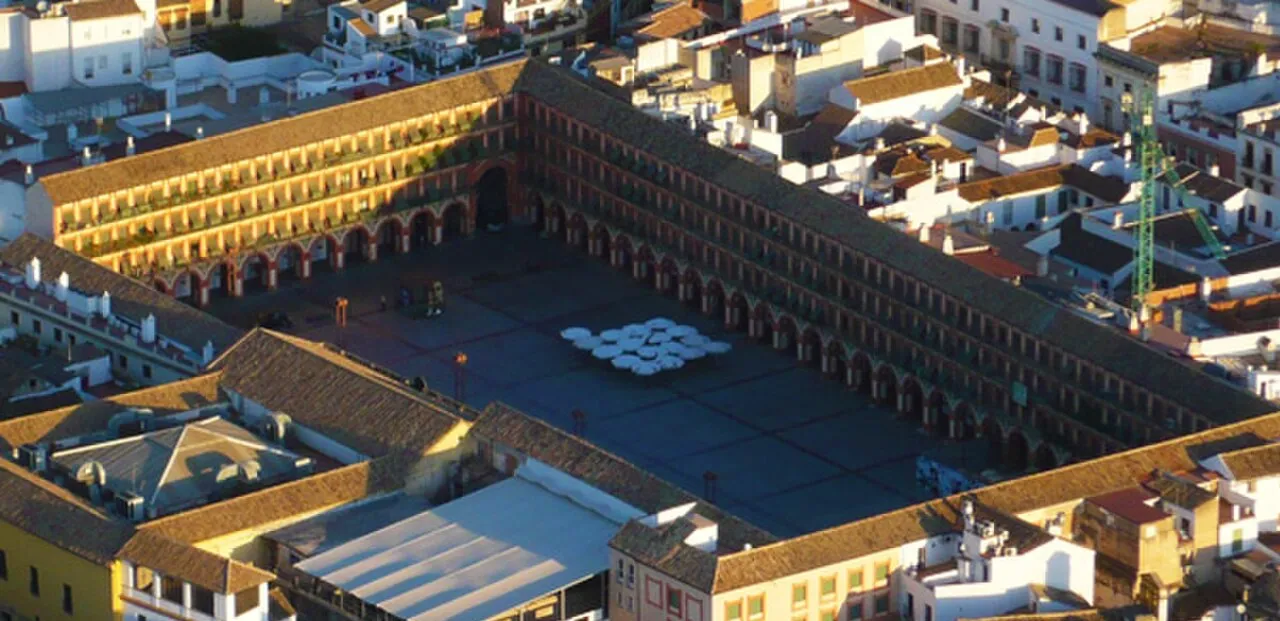
5Plaza de la Corredera

Plaza de la Corredera

📍 La Axerquía

The only arcaded Castilian-style main square that exists in Andalusia, from the seventeenth century, used for centuries for bullfights, markets and autos-da-fé. A spectacular Roman mosaic turned up beneath it. Today its arcades hold terraces and bars, and there is a market in the mornings.

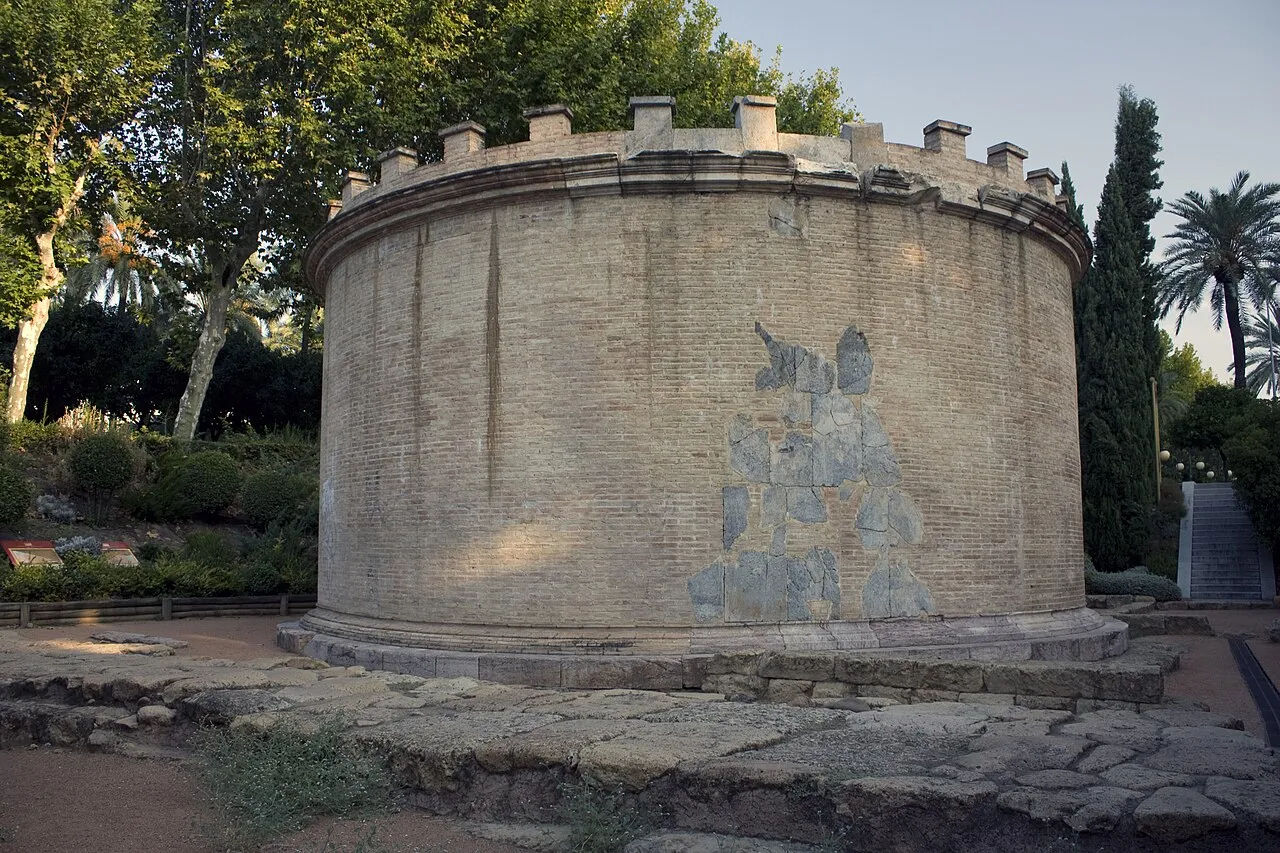
6Roman Mausoleums

Roman Mausoleums

📍 Jardines de la Victoria

The Cata del Vino Montilla-Moriles is set up in these same gardens every May, the best chance all year to try the province's wines in one place. And next door, all year round, is the Mercado Victoria, a food market that settles a quick meal at a reasonable price.

Frequently asked questions

What is the difference between salmorejo and gazpacho?

The ingredients and the texture. Salmorejo has only tomato, bread, olive oil, garlic and salt, emulsified into a thick cream that holds up on the spoon, and it is served with hard-boiled egg and ham on top. Gazpacho adds pepper, cucumber, onion and vinegar, and it is liquid, to be drunk. It is not a thick gazpacho: they are two different dishes with different origins, and in Córdoba the difference is defended quite firmly.

What should you eat in Córdoba?

Salmorejo, without question; flamenquín, a strip of loin rolled up with ham, breadcrumbed and fried; rabo de toro, oxtail stewed in wine for hours; aubergines fried with cane honey, a direct Andalusi inheritance; and, if they appear on the menu, mazamorra — the almond version that predates the arrival of the tomato — and ajoblanco. All of it washed down with a fino from Montilla-Moriles, which is the wine of the province.

What is Montilla-Moriles wine?

The wine of the province of Córdoba, with its own denomination of origin. It resembles the wine of Jerez in its categories — fino, amontillado, oloroso, Pedro Ximénez — but it is different: it is made with the Pedro Ximénez grape instead of palomino, it reaches the required strength naturally without being fortified with alcohol, and it tends to come out softer. Ordering a fino from Montilla in a Córdoba taberna is what is done here.

Where can you eat in Córdoba without falling into traps?

In La Axerquía, the eastern half of the Old Town, around the Plaza de la Corredera and calle San Fernando; in the barrio of Santa Marina, to the north; and in the streets north of the Plaza de las Tendillas. All three areas are ten or fifteen minutes from the Mezquita and have local regulars. What is worth avoiding is the immediate surroundings of the Mezquita and calle de los Judíos, where value for money is the worst in the city.

What is a Córdoba taberna?

A type of establishment with a format of its own: a marble or wooden bar, Montilla barrels on view, tiling, an inner courtyard in many cases and a short menu of classic Córdoba cooking. Several of the historic ones are linked to old guild societies, such as the Sociedad de Plateros, which was a mutual aid fund of the silversmiths' guild. They are not tapas bars in the usual Andalusian sense: here you pay for the tapa and you eat sitting down more often.

What time do people have lunch and dinner in Córdoba?

Lunch is between two and four in the afternoon and dinner from nine onwards, with many kitchens not opening before half past eight. In summer, with temperatures that frequently go over forty degrees, life shifts even later: the taberna patios fill from ten at night, which is when you can finally be outdoors in comfort.

Where to go and where not to

The two good areas are La Axerquía — the eastern half of the Old Town, around the Plaza de la Corredera and calle San Fernando — and the barrio of Santa Marina, to the north. Both are ten or fifteen minutes from the Mezquita and both have local regulars.

The streets north of the Plaza de las Tendillas are the third option and the most central: lifelong tabernas right in the shopping district, at normal prices.

And where not to: the immediate surroundings of the Mezquita, calle de los Judíos and the side streets of the Jewish Quarter. It is not that eating well there is impossible, it is that the ratio between what you pay and what you eat is the worst in the city, and there are alternatives five minutes away.

A note on timings: lunch is from two to four and dinner from nine onwards. And in summer, at forty degrees, life shifts to the night: many tabernas fill their patios from ten onwards, which is when you can finally be outside.

Practical information

What to orderSalmorejo, flamenquín, rabo de toro, aubergines with cane honey, mazamorra and ajoblanco.
The wineMontilla-Moriles, from the province. Fino, amontillado, oloroso and Pedro Ximénez, unfortified.
WhereLa Axerquía (the Corredera and San Fernando), Santa Marina and north of Las Tendillas.
Where notAround the Mezquita and calle de los Judíos: the worst value for money in the city.
Opening hoursLunch from 14:00 to 16:00, dinner from 21:00 onwards. In summer the patios fill at 22:00.
In MayCata del Vino Montilla-Moriles in the Jardines de la Victoria: every wine in one place.

On the map

🎧 With Viavoy

Walk Córdoba and listen at your own pace

Download Viavoy and walk Córdoba offline, whenever you like.

from 2,99 €· one-off payment
City Pass · 9,99 €3 days, all the tours in Córdoba
Find out more about Viavoy →
Viavoy app

Keep reading

More articles

Itineraries

Córdoba in one day: the itinerary that makes every hour count

Neighbourhoods

La Axerquía: the other half of Córdoba, the one nobody visits

Festivals & traditions

The patios of Córdoba: when, where and how to see them without queues

Neighbourhoods

The Jewish Quarter of Córdoba: the synagogue, Maimonides and the two-metre streets