The Jewish Quarter of Córdoba: the synagogue, Maimonides and the two-metre streets
Neighbourhoods · Córdoba

The Jewish Quarter of Córdoba: the synagogue, Maimonides and the two-metre streets

One of the three medieval synagogues left in Spain, the narrowest alley in the city and a quarter you can walk end to end in twenty minutes. What time to go so that it is not a bottleneck.

9 min read · Updated for 2026
🎧 On the walk The Judería, the Synagogue, and Caliphal Córdoba

The Judería of Córdoba, the Jewish Quarter, is a handful of streets two metres wide between the Mezquita and the wall, and it holds so much per square metre that it is easy to walk through it without seeing anything. Here are one of the three medieval synagogues left in Spain, the house where Maimonides was born, the narrowest alley in the city and the souk. And also the biggest visitor bottleneck in Andalusia, if you arrive at the wrong hour.

Come after five in the afternoon or before ten in the morning. These streets are two metres wide: they have no physical room to absorb the midday groups.

The community and its end

The Jewish Quarter of Córdoba was one of the most important in al-Andalus, set beside the alcázar and the mosque, that is, at the centre of power. Under the caliphate the Jewish community reached a notable position: Hasdai ibn Shaprut, physician and diplomat, was an adviser to Abd al-Rahman III in the tenth century.

In 1138 Moshe ben Maimon, Maimonides, was born here: philosopher, physician and jurist, author of The Guide for the Perplexed and one of the most influential intellectual figures of the Middle Ages, in Jewish, Christian and Islamic thought alike. His family had to leave Córdoba fleeing Almohad intolerance, and he died in Egypt.

The end came in several phases: the anti-Jewish assault of 1391, which struck the Jewish quarters of the whole peninsula, and the expulsion of 1492. No identifiable domestic buildings remain from the Jewish Quarter, only the synagogue and the street plan. What is called the Judería today is, in good part, a later quarter on the same layout.

1Synagogue of Córdoba

Synagogue of Córdoba

📍 Calle Judíos, 20

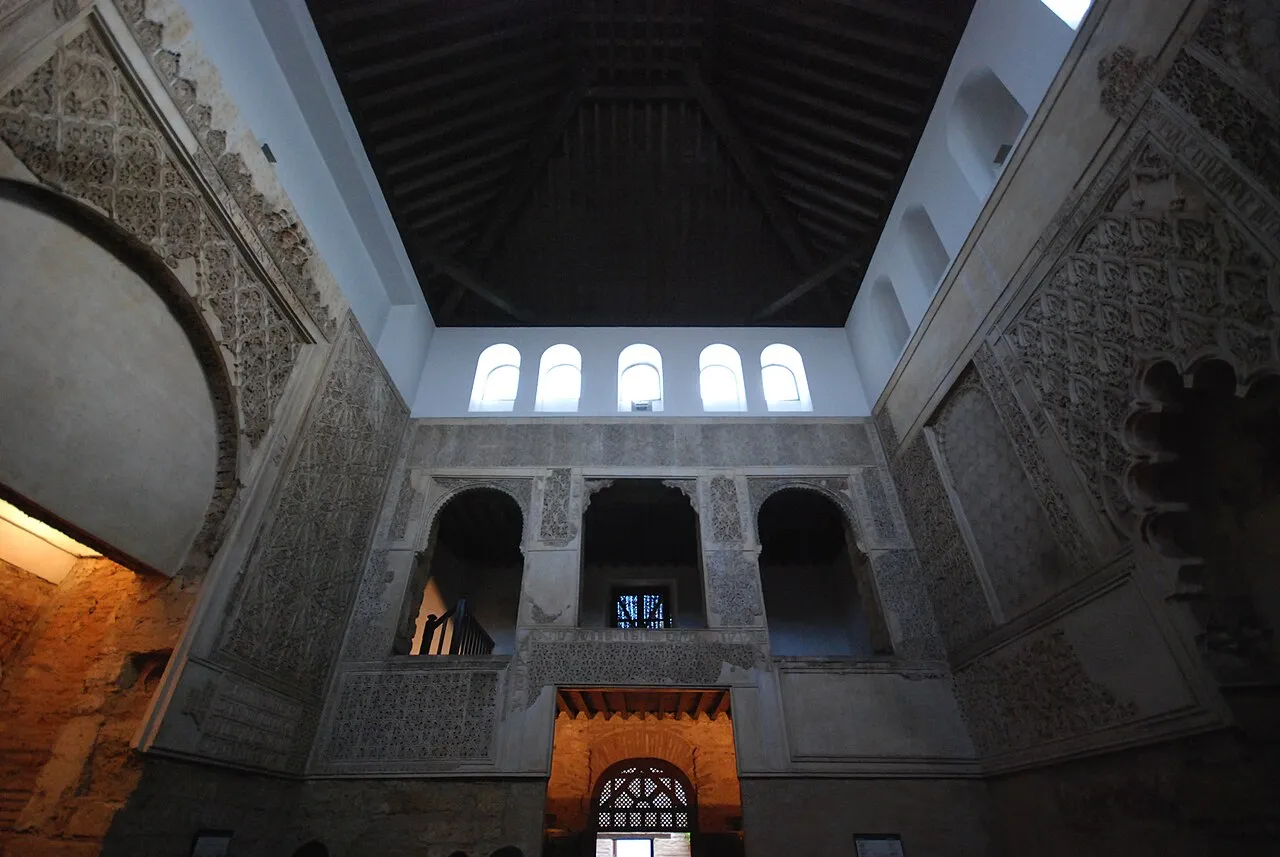
Built in 1315, it is one of the three medieval synagogues that survive in Spain and the only one in Andalusia. A square room seven metres across, covered in Mudéjar plasterwork with verses from the Psalms in Hebrew among the interlace, and the recess for the Torah ark in the wall facing Jerusalem. It survived because, after the expulsion, other uses were found for it.

2Almodóvar Gate

Almodóvar Gate

📍 West entrance to the quarter

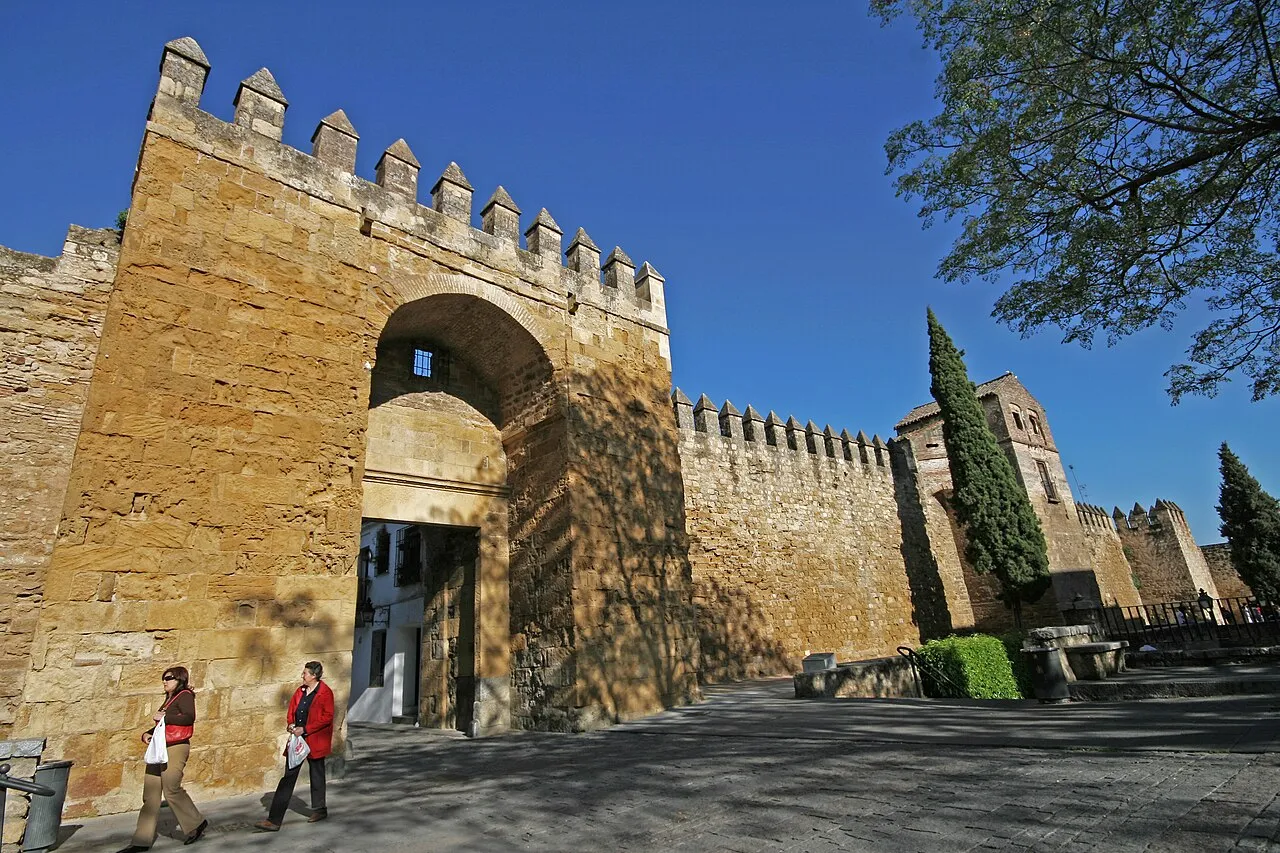
The only medieval gate still standing of the many Córdoba once had, with its stretch of wall and its pool. The Muslims called it Bab al-Yawz, the Walnut Gate. At its foot stands the statue of Seneca, born in Córdoba in the year 4 before Christ. It is the natural way into the quarter from the modern city.

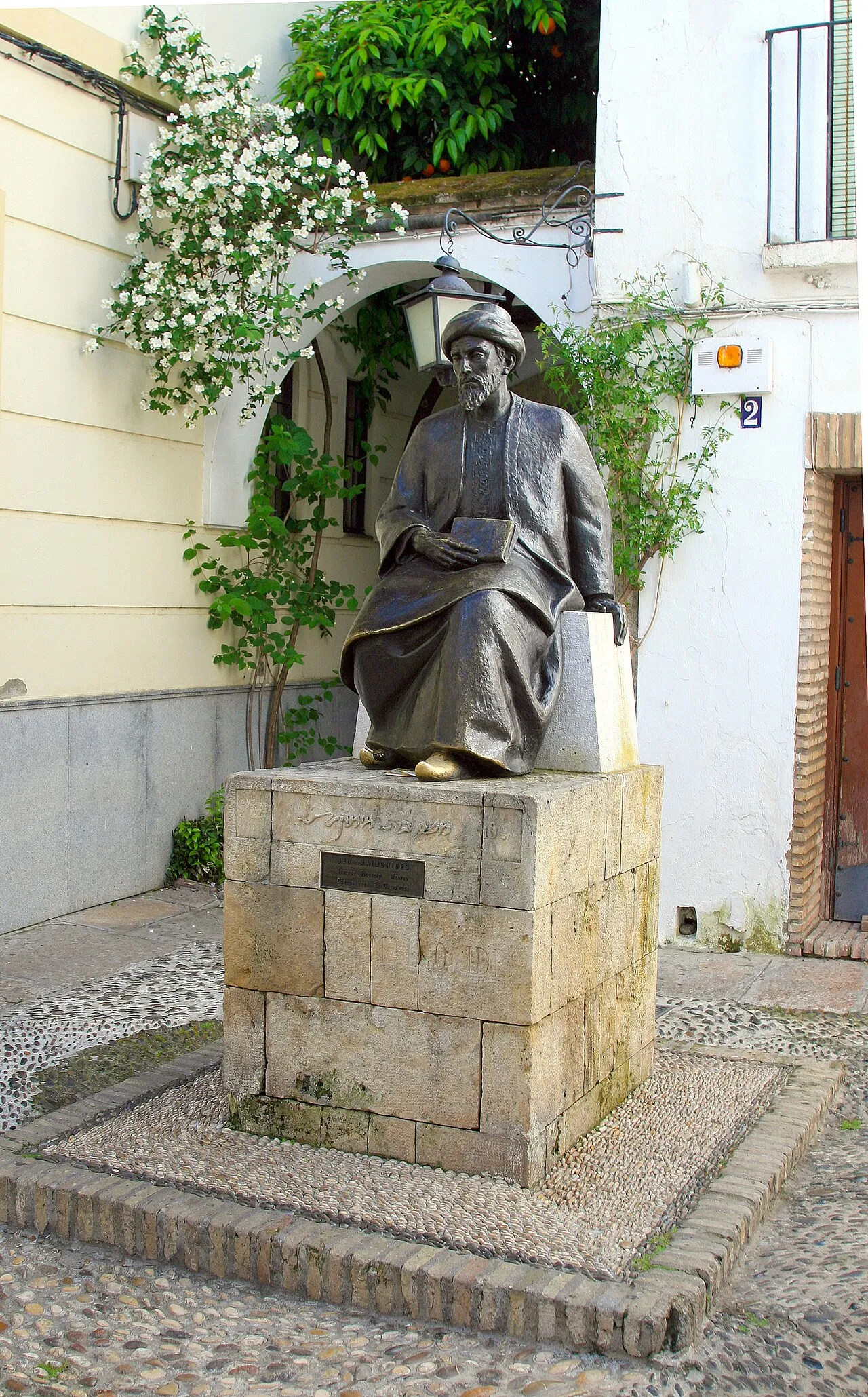
3Statue of Maimonides

Statue of Maimonides

📍 Plaza de Tiberíades

The philosopher, physician and jurist born in Córdoba in 1138, author of The Guide for the Perplexed and one of the most influential intellectual figures of the European Middle Ages. His family fled the city in the face of Almohad intolerance and he died in Egypt. Local tradition says that touching his foot brings luck, and the shine on the bronze confirms it.

🎧 With Viavoy

Explore Córdoba at your own pace

Download the app and discover Córdoba offline, whenever you like. Take the walking tour The Judería, the Synagogue, and Caliphal Córdoba with a local guide in your ear.

Find out more about Viavoy →

What there is in twenty minutes of streets

Everything is less than three hundred metres away.

Calle de los Judíos is the axis: on it are the Synagogue, the Casa de Sefarad — a centre devoted to Sephardic memory, with rooms on daily life, music and the women of al-Andalus — and the Zoco Municipal, a courtyard of craft workshops set up in an old house.

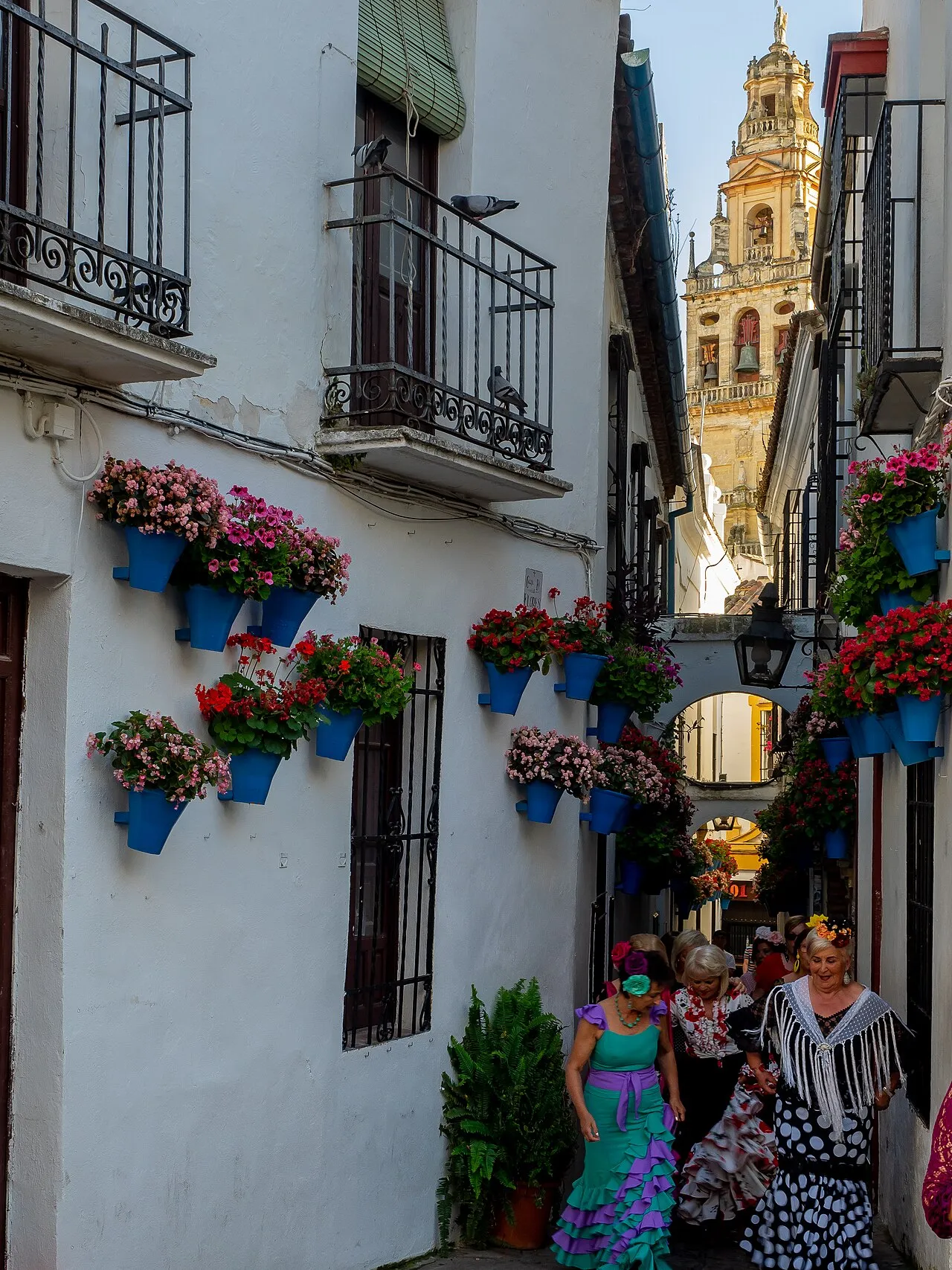
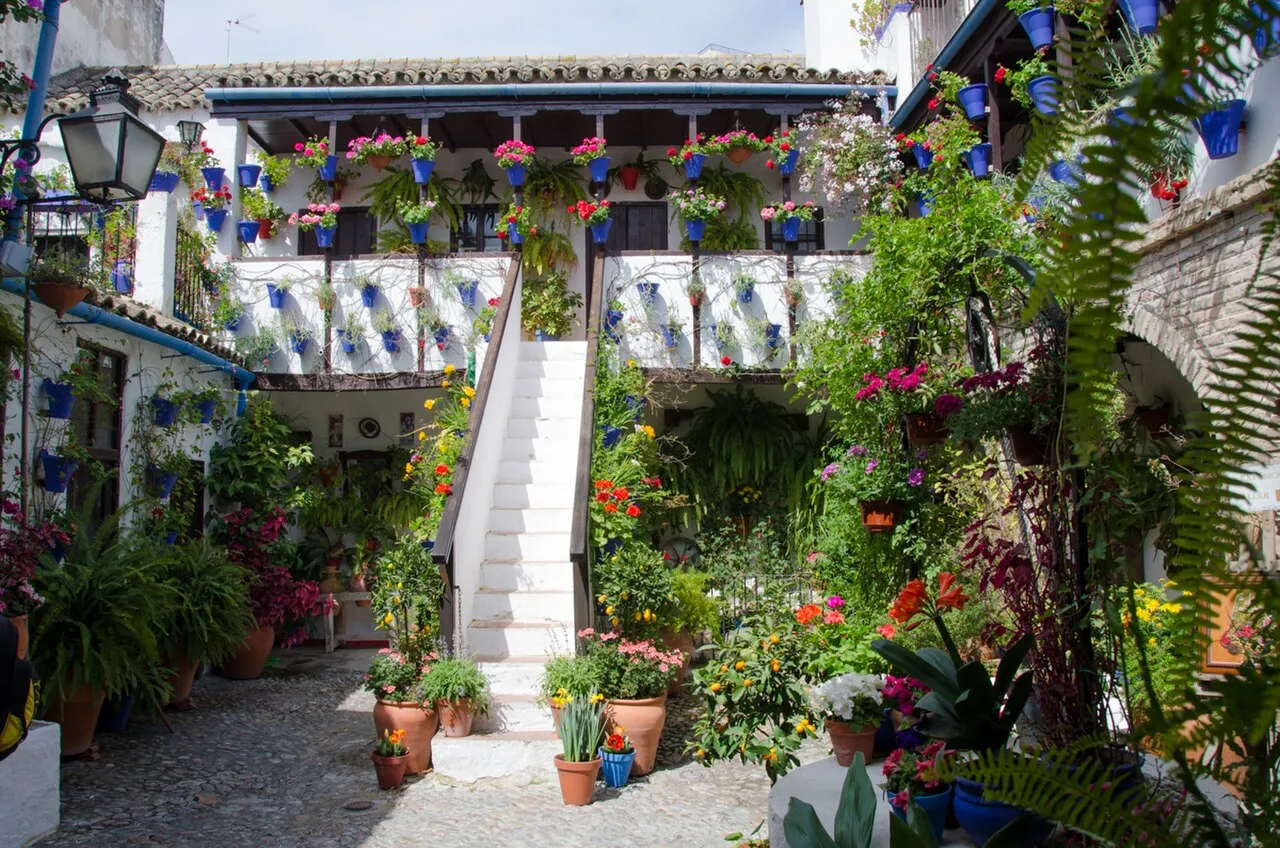
The Calleja de las Flores is the most reproduced image of the quarter: a dead-end alley with pots on the walls and, at the end, framed between the walls, the tower of the Mezquita. It is always full and it is worth waiting for a gap or coming back first thing.

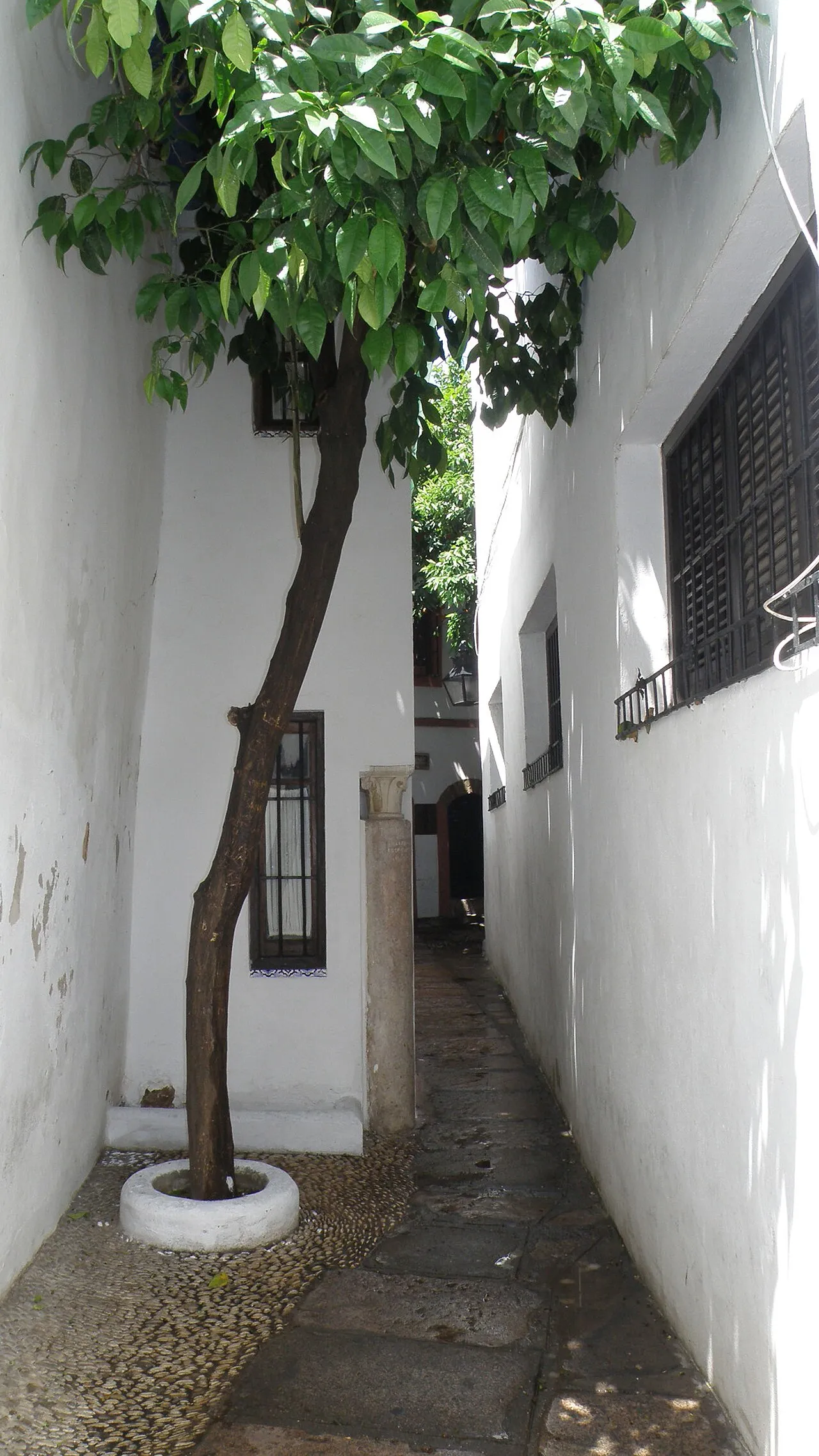
The Calleja del Pañuelo is the opposite: tiny, almost secret, with a little square at the end with a fountain. Its name comes from the fact that at its narrowest point it measures, so the story goes, the width of an outspread woman's handkerchief.

And the Royal Stables, five minutes away, where in 1570 Philip II ordered the creation of the stud that gave rise to the Andalusian horse, or Pura Raza Española. They put on equestrian shows and visits, and it is a stop unlike any of the others.

4Calleja de las Flores

Calleja de las Flores

📍 Next to the Mezquita

A dead-end alley with pots hanging on the walls and, at the end, the bell tower of the Mezquita framed between them. It is the most reproduced image of Córdoba after the forest of columns, and it is always full. First thing in the morning you can have it to yourself.

5Calleja del Pañuelo

Calleja del Pañuelo

📍 Plaza de la Concha

The narrowest street in Córdoba: at its tightest point it measures, so tradition tells it, the width of an outspread woman's handkerchief. It ends in a tiny square with a fountain and an orange tree, big enough for three people. It is the opposite of the Calleja de las Flores: hardly anyone finds it.

6Baths of the Caliphal Alcázar

Baths of the Caliphal Alcázar

📍 Campo Santo de los Mártires

On the southern edge of the quarter, the private hammam of the tenth-century caliphs, buried for centuries and recovered by excavation. Three rooms with the vaults pierced by star-shaped skylights and the complete hypocaust system on view. Twenty minutes and it costs very little.

Frequently asked questions

What is there to see in the Jewish Quarter of Córdoba?

The Synagogue, from 1315, one of the three medieval ones left in Spain; the Casa de Sefarad, devoted to Sephardic memory; the Puerta de Almodóvar, the only medieval gate still standing; the statue of Maimonides; the Zoco Municipal with its craft workshops; and the two unavoidable alleys, the Calleja de las Flores with the tower of the Mezquita at the end and the Calleja del Pañuelo, the narrowest in the city. It all fits into a long hour.

How much does it cost to get into the Synagogue of Córdoba?

The entrance fee is token — a matter of a few cents — and free for citizens of the European Union. The visit lasts about fifteen minutes because the space is tiny, a square room seven metres a side, and capacity is controlled, so a small queue can form. It closes on Mondays. It is by far the best ratio between what you see and what you pay in the whole of Córdoba.

Who was Maimonides?

Moshe ben Maimon, born in Córdoba in 1138, was a philosopher, physician and jurist and one of the most influential intellectual figures of the Middle Ages, with an impact on Jewish, Christian and Islamic thought. His main work, The Guide for the Perplexed, tries to reconcile Aristotelian philosophy with faith. His family had to leave Córdoba fleeing Almohad intolerance and he ended up as a court physician in Egypt, where he died in 1204.

Which is the narrowest street in Córdoba?

The Calleja del Pañuelo, in the Jewish Quarter, which at its tightest point measures — so tradition tells it — the width of an outspread woman's handkerchief. It ends in a tiny square with a fountain and an orange tree, big enough for three people. Unlike the Calleja de las Flores, which is always full, this one goes unnoticed and very few people find it without setting out to.

What time is best for visiting the Jewish Quarter of Córdoba?

Before ten in the morning or after five in the afternoon. Between those hours, the axis running from the Mezquita to calle de los Judíos takes a continuous flow of groups that streets two metres wide physically cannot absorb. First thing you can have the Calleja de las Flores to yourself, and at dusk the quarter gets its scale back.

Does anything survive of the Jewish houses in the Jewish Quarter?

There are no domestic buildings identifiable as Jewish: the community was struck by the assault of 1391 and disappeared for good with the expulsion of 1492, and the quarter was rebuilt afterwards on the same layout. What does remain is the synagogue and the street plan, with its narrow streets and its adarves, the alleys shared by the houses along them. What is called the Judería today is, in good part, a later quarter on a medieval plan.

How to walk it without a scrum

The hour is everything. Between eleven and five, the axis running from the Mezquita to calle de los Judíos is a continuous flow of groups that streets two metres wide cannot absorb. Before ten or after five, the quarter is a different place and you can walk slowly.

The heat is in charge too. In summer these streets are the coolest part of the Old Town precisely because they are narrow and the sun barely reaches the ground: it was a design decision, not an accident. It is the area where you are best off at midday in August.

For lunch, get out of here. The Jewish Quarter holds the visitor prices of all Córdoba, and ten minutes away — north of the Plaza de las Tendillas or in the barrio of Santa Marina — there are real Córdoba tabernas at half the price.

And one recommendation about the route: come in through the Puerta de Almodóvar and leave by the Mezquita, not the other way round. You start with the quiet part and finish with the monumental one, and that way the last image of the quarter is not a queue.

Practical information

Getting thereA 5-minute walk from the Mezquita-Catedral. Natural entrance through the Puerta de Almodóvar.
DurationA long hour with the Synagogue and the Casa de Sefarad. The quarter itself takes twenty minutes to cross.
What costs moneyThe Synagogue (a token fee, free for EU citizens) and the Casa de Sefarad. The rest is street.
Best timeBefore ten or after five. In between it is a bottleneck with no room to breathe.
In summerIt is the coolest part of the Old Town: two-metre streets where the sun does not reach the ground.
EatingNot here. North of Las Tendillas or in Santa Marina, ten minutes away and at half the price.
On the map

🎧 With Viavoy

Walk Córdoba and listen at your own pace

Download Viavoy and walk Córdoba offline, whenever you like.

from 2,99 €· one-off payment
City Pass · 9,99 €3 days, all the tours in Córdoba
Find out more about Viavoy →
Viavoy app

Keep reading

More articles

Itineraries

Córdoba in one day: the itinerary that makes every hour count

What to see

Visiting the Mezquita-Catedral of Córdoba: tickets, timings and what to look at

Festivals & traditions

The patios of Córdoba: when, where and how to see them without queues

Culture

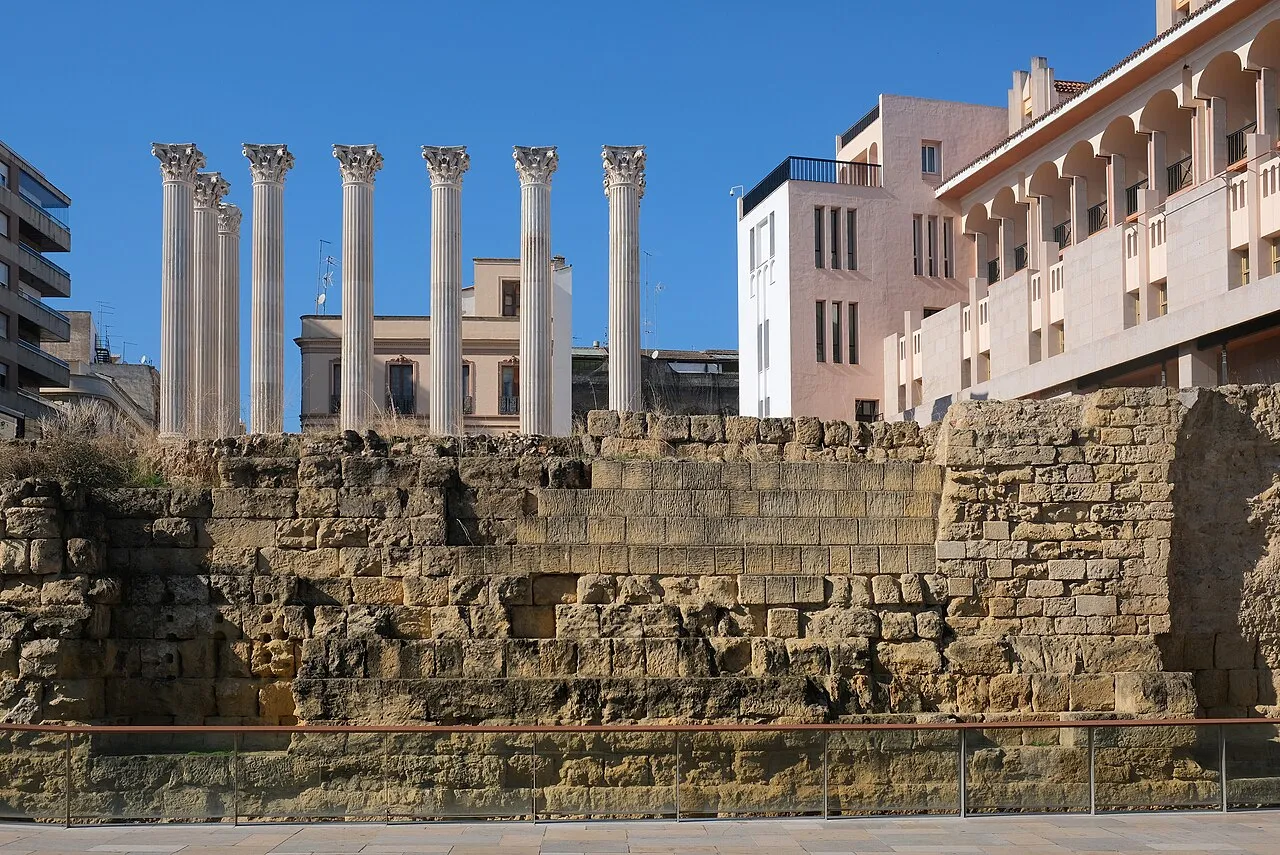
Roman Córdoba: the bridge, the temple and the theatre nobody visits