The parks and viewpoints of Alicante: free shade and views without a queue
Hundred-year-old Australian figs, a hill with a castle that never fired a shot and the best panoramas in the city without paying for a ticket or queueing.
In a city where the sun beats down eight months a year, shade is infrastructure. Alicante has a handful of parks with hundred-year-old trees and a couple of free, almost empty viewpoints that solve the middle hours of the day far better than any museum, and that is why they deserve a place in the itinerary.
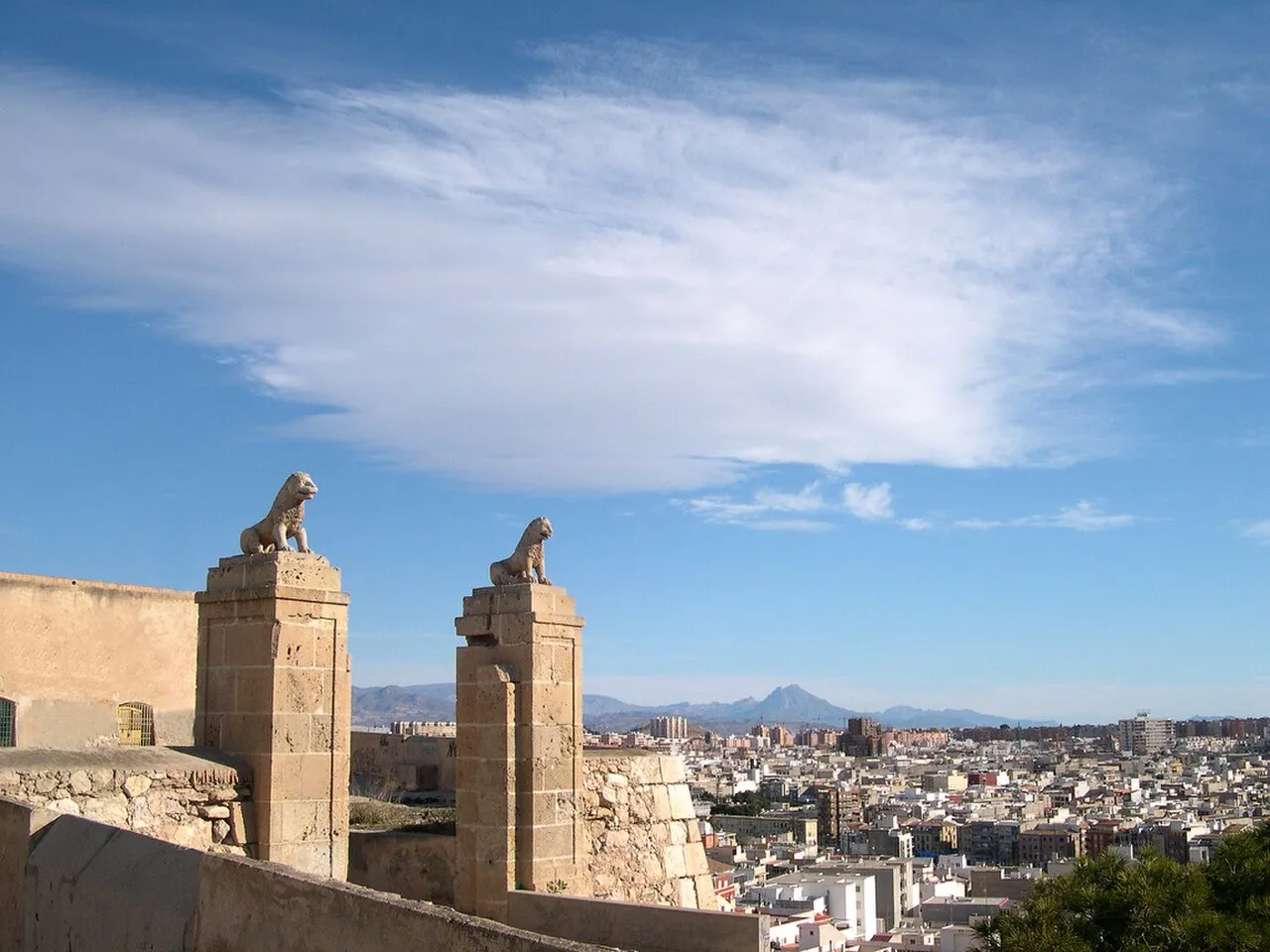
The castillo de San Fernando is free, has no opening hours and there is almost never anyone there. It is the panorama of Alicante without a queue, without a paid lift and without sharing it with anyone.
The ficus trees of the centre
The parque de Canalejas is the oldest in the city: it was designed in 1886 on the old shipyards, on the edge where Alicante looked out to sea, and that is why it has that long, narrow shape running parallel to the water.
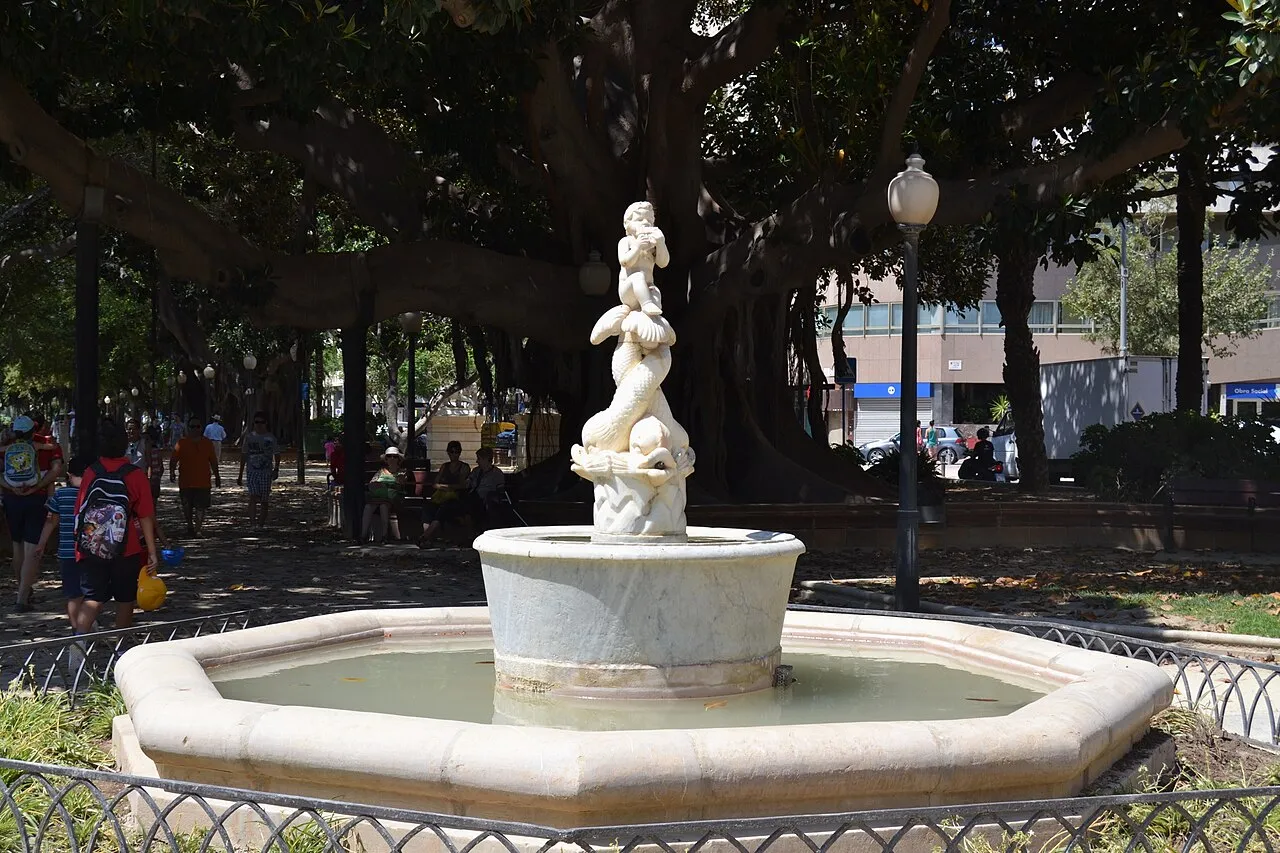
Its four rows of ficus join hands overhead and form a cathedral nave made of leaves. They are Australian figs, Ficus macrophylla, brought from the other side of the world more than a century ago, and some are over a hundred years old.
What makes them spectacular is that they send out aerial roots from the branches and from the trunk: on reaching the ground they turn woody and become new supports. That is why the trunk looks like a tangle of columns and why the roots lift the paving.
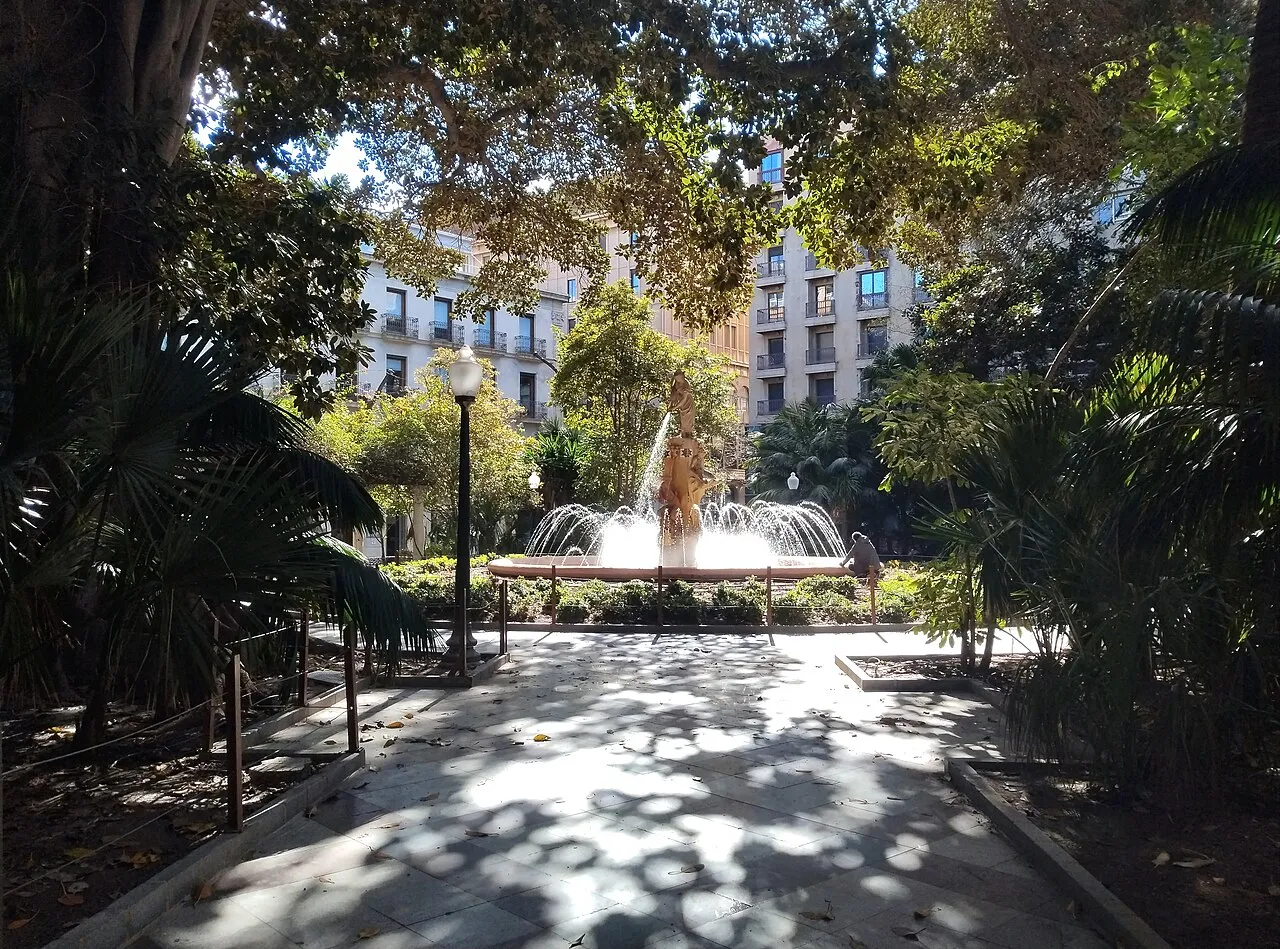
A few minutes away is the plaza de Gabriel Miró, with more listed hundred-year-old ficus and the Fuente de la Aguadora, the water-carrier fountain, in the middle. Running water plus dense shade produce a real microclimate: it is the coolest corner of the centre in the middle of August.
Look for the two pairs of stone dogs and lions guarding the promenade: they came from an old country estate on the outskirts. And the little fountain of the boy playing the flute, discreet but endearing.
People in Alicante call it plaza de Correos, after the post office building that presides over it. The bronze Aguadora, from 1918, represents a real trade: carrying water from the public fountains to the houses, doorway by doorway.
Download the app and discover Alicante offline, whenever you like. Take the walking tour Canalejas, San Fernando and the parks with a local guide in your ear.
The parque del Monte Tossal covers sixty-three thousand square metres climbing up the flank of an eighty-seven-metre hill, west of the centre. It opened in 1995, and there is a story of stumbles behind it.
In the nineties they wanted to put a full-blown theme park here. But the ground would not hold: the landslips and rockfalls began, and it had to be dismantled almost before it was finished. Nature won the game, and on top of that failure something rather more sensible was built.
Today it has paths, viewpoints, minigolf, pétanque, giant chess, a skating rink and a climbing wall. It is the city park with the most on offer for an afternoon with children, and it is free.
And at the top is the castillo de San Fernando, which crowns the hill and rounds off the walk. The word tossal, incidentally, is Valencian and means hill: calling it parque del Monte Tossal is saying the same thing twice.
The viewpoint nobody uses
The castillo de San Fernando was built in 1813, in the middle of the Peninsular War, to reinforce the defence of the city. And it never fired a single shot: it went up in a hurry, and by the time it was ready the French threat had passed. It was born old, useless and hugely expensive.
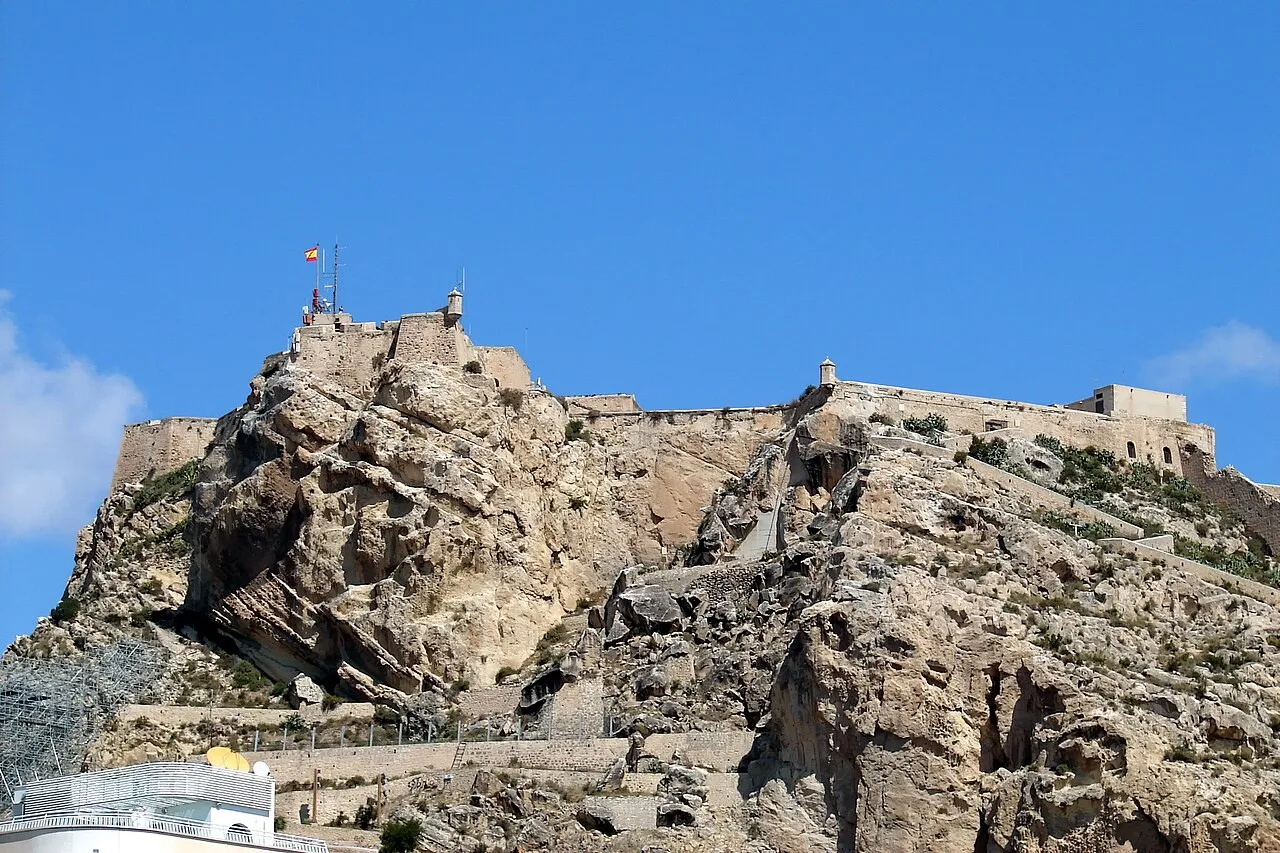
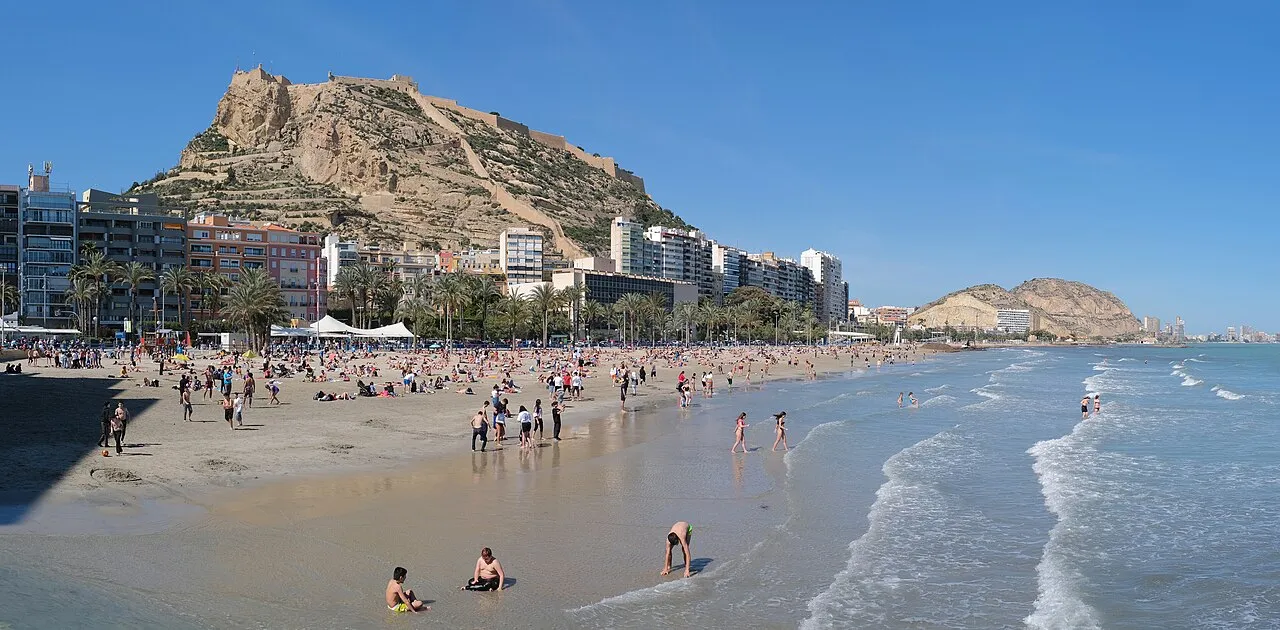
Today it is an open viewpoint, free, with no opening hours and practically empty, where all you hear is the wind. From the top you take in the sea, the port and the whole city spread out below, and opposite you see the castillo de Santa Bárbara on its crag.
Seeing the two at once is a lesson in what decides which buildings matter: one of Muslim origin with a thousand years of history and a constant stream of visitors; the other, which never served any purpose at all, empty.
It also holds a dark chapter: at the end of the Spanish Civil War it worked as a concentration camp for Republican prisoners, just like the bullring. It is one more stop on the route through the city's memory of the war.
Free access, no opening hours and no interior to visit. What you come for is the panorama and the silence, and both are guaranteed because almost nobody goes up. Twenty minutes of climbing through the park.
Canalejas, the oldest, designed in 1886 on the old shipyards. Its four rows of hundred-year-old Australian figs form a cathedral nave made of leaves, and their aerial roots lift the paving. In summer it is one of the coolest spots in the centre.
Why do the roots of the ficus lift the ground?
Because they are Ficus macrophylla, Australian figs that send out aerial roots from the branches and from the trunk. When those roots reach the ground they turn woody and become new structural supports for the tree. That is why the trunk looks like a tangle of columns and the paving ends up deformed.
Where is the best view of Alicante without a queue?
At the castillo de San Fernando, on the Monte Tossal, west of the centre. Access is open, free, with no opening hours and there is practically never anyone there. You walk up through the parque del Monte Tossal in about twenty minutes, and from the top you see the sea, the port and, opposite, the castillo de Santa Bárbara.
Why did the castillo de San Fernando never fire a shot?
Because it was built in 1813, in a hurry and rather badly, to defend the city from the French, and by the time it was finished the threat had passed: the French never took Alicante. It was born old, useless and hugely expensive, a fortress for a war that never came.
What does Tossal mean?
It is a Valencian word meaning hill, rise or mound, and it is used every day across the whole Alicante region, where the landscape is full of these elevations. Calling a park “del Monte Tossal” amounts, literally, to saying the same thing twice.
What to do in Alicante during the hottest hours?
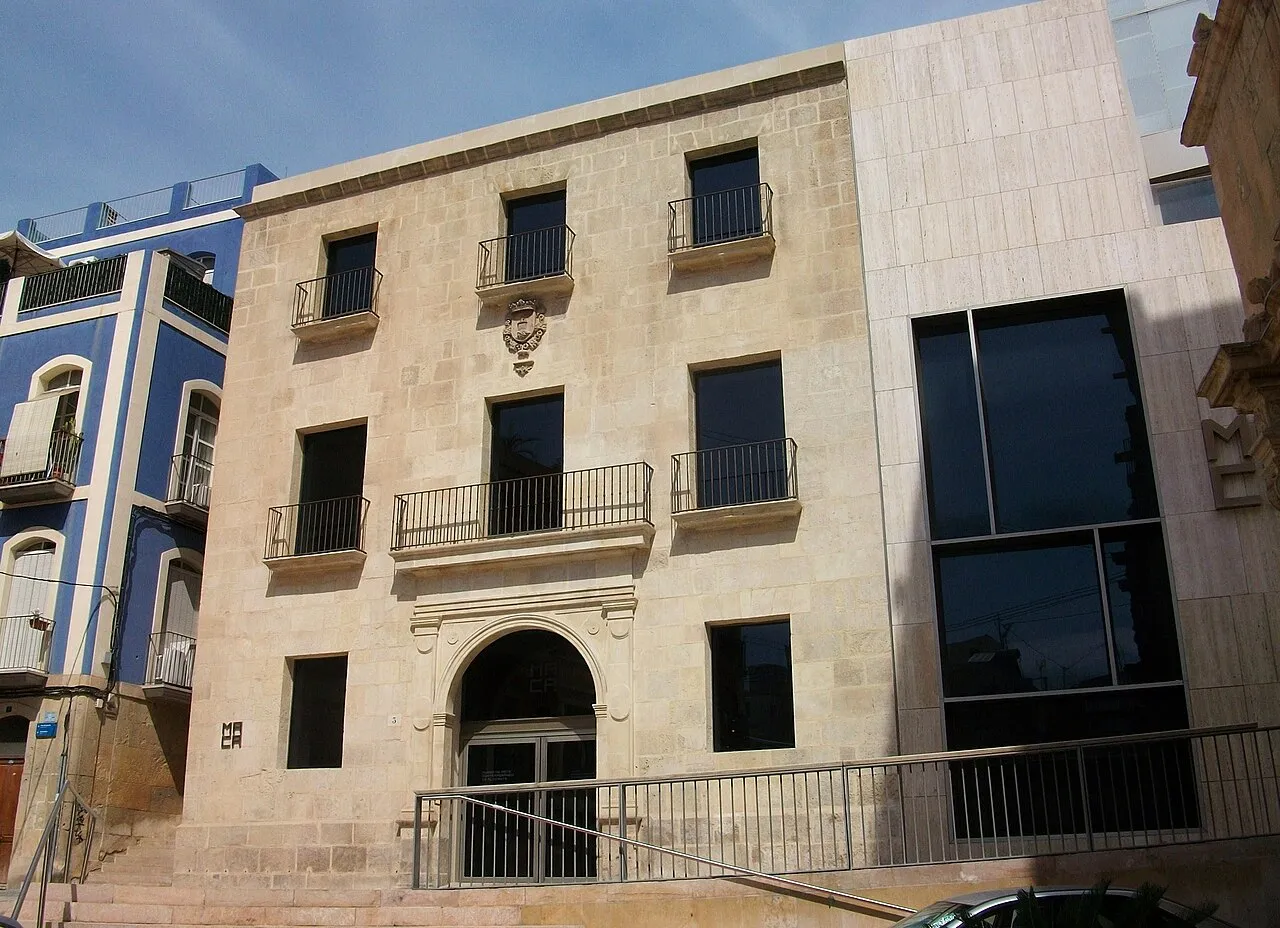
The parks are the best answer and they are free: Canalejas and the plaza de Gabriel Miró, in the centre, have the dense shade of hundred-year-old ficus and, in the case of the square, running water that generates a real microclimate. The air-conditioned alternative is the museums, with the MACA free and the MARQ to the north.
Practical information
CanalejasThe oldest park, from 1886, with hundred-year-old Australian figs. Next to the Explanada.
Gabriel MiróThe coolest corner of the centre: listed ficus and running water. Café terraces all around.
Monte Tossal63,000 m² with paths, minigolf, giant chess and a climbing wall. Free and almost empty.
San FernandoFree, no opening hours, no queue. The panorama of Alicante without sharing it with anyone.
WhenIn summer, the middle hours of the day. This is what solves midday without paying anything.
With childrenThe Monte Tossal is the park with the most on offer in the city for an afternoon.
On the map
🎧 With Viavoy
Walk Alicante and listen at your own pace
Download Viavoy and walk Alicante offline, whenever you like.
from 2,99 €· one-off payment
City Pass · 9,99 €3 days, all the tours in Alicante