Free tapas in Granada: how it works and where to go
Food and drink · Granada

Free tapas in Granada: how it works and where to go

One of the last cities where the tapa comes with your drink. How it really works, in which areas, what you can and cannot ask for, and how many beers make a dinner.

8 min read · Updated for 2026
🎧 On the walk The Realejo: Jewish Granada, Street Art and Tapas

In Granada the tapa still comes free with your drink, and not as an exception or a gimmick: it is the norm in most bars in the city. Three or four cañas, small draught beers, make a dinner. But it works by a set of unwritten rules that are worth knowing, because if you take them for granted you end up eating worse and paying more. This guide explains the system, the areas and what to expect.

In most bars you do not choose the tapa: they bring it to you. And in many of them it goes up a level with every round, so staying three or four drinks in the same place usually works out better than moving on.

How it works in practice

You order a drink — a caña, wine, a soft drink, whatever, and it counts even if there is no alcohol in it — and with it comes a tapa at no extra cost. You do not have to ask for it or enquire about it. In most places you do not choose: the kitchen decides according to what there is that day.

In plenty of bars there is a progression: the first tapa is simple — olives, potatoes, some cured sausage — and from the second or the third onwards more elaborate dishes start to appear. That rewards staying put, and it explains why in Granada people sit through several rounds in the same place instead of working their way from bar to bar.

There are places where you do choose from a tapas list, and others that offer the option of paying a small supplement for a better tapa. Both are legitimate and they tell you. What is not usual is being charged for the tapa without being told: if that happens, you are in a place aimed at tourists.

1Campo del Príncipe

Campo del Príncipe

📍 Barrio del Realejo

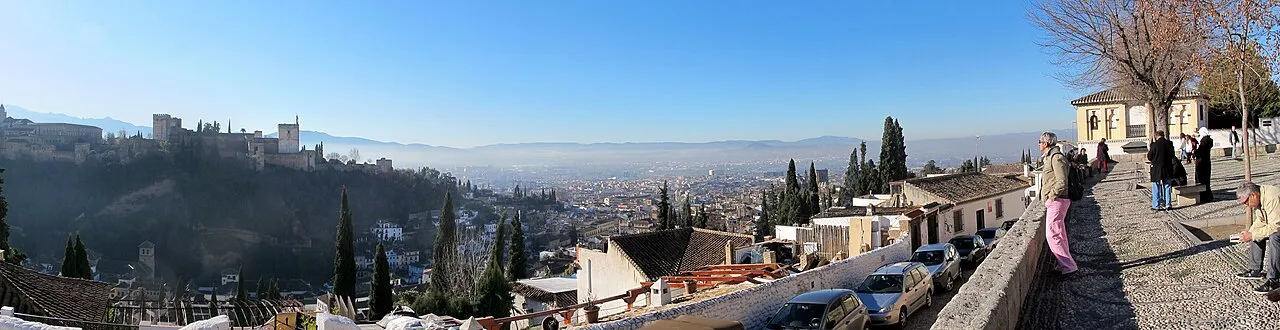
The heart of El Realejo and one of the best tapas areas in Granada, with terraces around an open square and the Alhambra showing above the rooftops. It is a real neighbourhood, not a tourist zone, and the prices reflect it. It was opened in 1497 for the wedding of Prince Juan, heir to the Catholic Monarchs, who died that same year.

2Plaza Larga

Plaza Larga

📍 Upper Albaicín

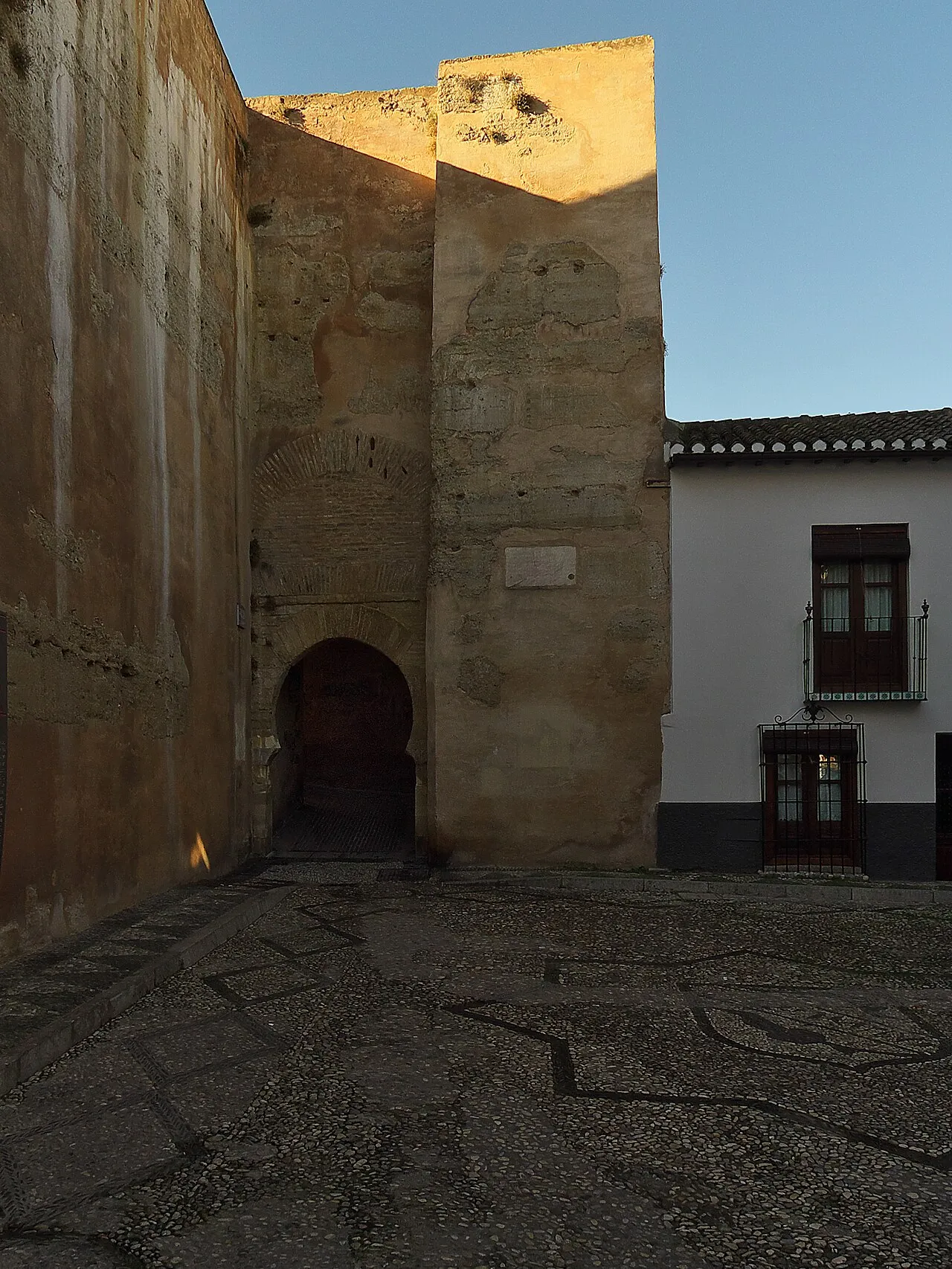
The main square of the upper Albaicín, with a street market in the mornings and bars with local regulars. Up here the tapa is generous and the prices are half what they are in the lower part of the Albaicín, which has turned into a tourist zone. With the Puerta de las Pesas, a Nasrid arch, on one side of the square.

3Bodegas Castañeda

Bodegas Castañeda

📍 Calle Almireceros, centre

One of the institutions of tapas in Granada, with barrels, hams hanging and a bar where you order standing up. It is one of the classic stops on the city-centre route, between Plaza Nueva and calle Elvira, and it serves as a benchmark for what a real Granada bar is: noisy, packed and with the tapa arriving without being asked for.

🎧 With Viavoy

Explore Granada at your own pace

Download the app and discover Granada offline, whenever you like. Take the walking tour The Realejo: Jewish Granada, Street Art and Tapas with a local guide in your ear.

Find out more about Viavoy →

The four areas

Each with its own character and its own crowd.

El Realejo, around the Campo del Príncipe and calle Molinos and calle Pavaneras, is probably the best area: a real neighbourhood, reasonable prices, generous tapas and a lot of young people. It is the old Jewish Quarter and today it is also where much of the city's street art is.

Calle Navas, right in the centre, is the tapas street par excellence, with bars one after another and terraces all along it. It is convenient and very busy, although in high season it fills with visitors and the standard becomes uneven.

The Elvira and Calderería area, between Plaza Nueva and the Albaicín, mixes classic bars with teterías and Moroccan-style places. It has atmosphere and a few historic stops, but it is the most touristy of the four.

And the upper Albaicín, in Plaza Larga and around it, is the most local: less choice, more quiet and neighbours' prices. It is where the people who live there eat.

4Calle Navas

Calle Navas

📍 Centre, next to the City Hall

Granada's tapas street par excellence: bars one after another all the way along, with terraces and plenty of movement from mid-afternoon on. It is the most convenient option for a first night out, with the drawback that in high season it fills with visitors and the standard varies from place to place.

5Los Diamantes

Los Diamantes

📍 Calle Navas and other branches

A fried-fish house with several branches in the city and queues at the door at any hour. The tapa is generous and fried, which is the most recognisable Granada speciality along with broad beans with ham. You cannot book, you wait standing and you eat squeezed in. It is exactly what it looks like.

6Taberna La Tana

Taberna La Tana

📍 El Realejo

A small wine taberna in El Realejo, with a serious list and tapas matched to what you are drinking. It is the counterpoint to fried tapas: here you come to drink well and eat little but precisely. Very few people fit, so you have to go early or wait.

Frequently asked questions

Is it true that tapas are free in Granada?

Yes, and not as an exception: it is the norm in most bars in the city. With every drink — including the ones without alcohol — comes a tapa at no extra cost, which you do not have to ask for and usually cannot choose. Granada is one of the last Spanish cities where this custom holds across the board, along with León, Jaén and Almería.

How many tapas does it take to make dinner in Granada?

Three or four drinks make a perfectly good dinner, and that usually means between ten and fifteen euros per person. On top of that, in many bars the tapa goes up a level with each round: the first is simple and from the second or third onwards more elaborate dishes start to appear. That is why in Granada people tend to stay in the same place for several rounds instead of moving from bar to bar.

Can you choose your tapa in Granada?

In most bars, no: they bring you what there is that day. There are places that do offer a tapas list to choose from, and others that let you pay a small supplement for a better tapa; in both cases they tell you. What is not usual is being charged for the tapa without being told, and if that happens it usually means you are in an establishment aimed purely at tourists.

Which are the best tapas areas in Granada?

El Realejo, around the Campo del Príncipe, is probably the best: a real neighbourhood, reasonable prices and generous tapas. Calle Navas is the most convenient and the most concentrated, with bars one after another. The Elvira and Calderería area has atmosphere but it is the most touristy. And the upper Albaicín, in Plaza Larga and around it, is the most local and the cheapest.

Which typical tapas should you try in Granada?

Habas con jamón, broad beans with ham, an absolute classic of the Granada vega; remojón, a salad of orange, flaked salt cod and black olive; the plato alpujarreño, with fried egg, morcilla, pork loin and patatas a lo pobre; fried fish, the speciality of several historic houses; and, for anyone who dares, the tortilla del Sacromonte, made with brains and testicles. Patatas a lo pobre on their own and salmorejo are also very much of Granada.

Does the tapas system work if I am vegetarian or coeliac?

It works, but you have to say so. Since the tapa is not chosen and comes out of the kitchen according to what there is that day, the sensible thing is to mention it when you order the first drink: in most bars they will do what they can to adapt it, and in many there are standard alternatives such as fried peppers, ensaladilla without tuna, omelette or cheese. Without a word, the system tends to serve fried food and cured sausage by default.

What you eat and what is worth knowing

The Granada repertoire has its classics: habas con jamón, broad beans with ham; remojón, a salad of orange, salt cod and olive; the plato alpujarreño with egg, morcilla blood sausage and patatas a lo pobre; the tortilla del Sacromonte, made with brains and testicles, for the brave; and fried fish of every kind.

A note on the drink: the tapa is served with any drink, including the ones without alcohol. You do not have to drink beer to take part in the system, even if the caña is the most usual choice.

On dietary restrictions, it is worth saying plainly: if you are vegetarian or coeliac or you have allergies, a system where you do not choose the tapa works only so-so. The sensible thing is to say so when you order your first drink, and in most places they will do what they can to adapt it.

And a warning about the traps: the places in the most central areas that advertise “free tapas” on loud signs in several languages are usually precisely the ones that do it worst. In Granada the free tapa is not a gimmick, it is the normal thing: there is no need to announce it.

Practical information

How it worksYou order a drink and the tapa arrives at no cost. In most places you neither ask for it nor choose it.
The progressionIn many bars the tapa gets better with every round. Staying usually works out better than moving on.
AreasEl Realejo (the best), calle Navas (the most convenient), Elvira (the most touristy) and the upper Albaicín (the most local).
What dinner costsThree or four cañas make a dinner. Around 10-15 € per person.
RestrictionsMention allergies or a special diet when you order the first drink: the tapa is not chosen and has to be adapted.
Warning signSigns saying “free tapas” in several languages. Here it is the normal thing: there is no need to announce it.

On the map

🎧 With Viavoy

Walk Granada and listen at your own pace

Download Viavoy and walk Granada offline, whenever you like.

from 2,99 €· one-off payment
City Pass · 9,99 €3 days, all the tours in Granada
Find out more about Viavoy →
Viavoy app

Keep reading

More articles

Itineraries

Granada in 2 days: the Alhambra, the Albaicín and everything that fits in between

Neighbourhoods

El Realejo: Jewish Granada, street art and the best tapas

Neighbourhoods

El Albaicín: the neighbourhood where Granada is still Andalusi

What to see

Visiting the Alhambra: tickets, timings and the mistake that ruins the visit