Tapas and markets in Barcelona: where the city really eats
Food and drink · Barcelona

Tapas and markets in Barcelona: where the city really eats

Forty municipal markets still trading, a bar-counter culture that is not the Andalusian one and four neighbourhoods where you eat well without paying the tourist tax.

10 min read · Updated for 2026
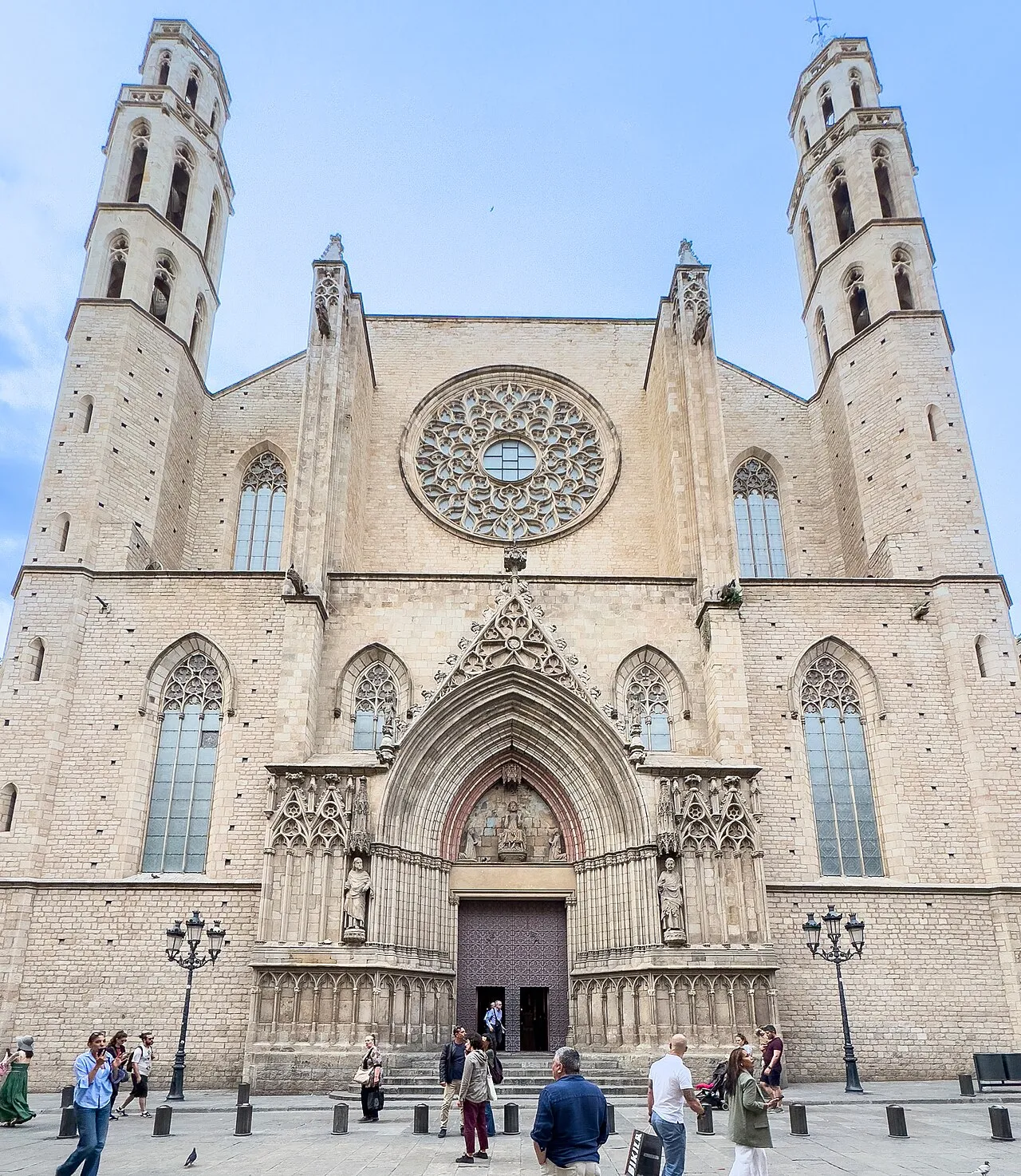
🎧 On the walk El Born, Santa Maria del Mar and Picasso

It is worth saying at the outset: Barcelona is not a tapas city in the Andalusian sense. Here nobody gives you something free with your beer, and the ritual of going from bar to bar is a relatively recent import. What Barcelona has, and has like few cities in the world, is a living network of municipal markets — almost forty in operation — and a culture of bodegas, vermouth and tinned delicacies that is its own and is eaten standing up. This guide is about that.

The rule that settles ninety per cent of decisions: move two streets away from any famous place. In Barcelona it always works, without exception.

The markets, which are the system

Barcelona keeps almost forty municipal markets in operation, a network built from the mid-nineteenth century onwards with iron structures and which, unlike what happened in other European cities, was never dismantled. They are still the place where a good part of the city does its shopping.

That has a direct consequence for the visitor: in any neighbourhood there is a market with counters inside where you eat produce from the stall next door at neighbourhood prices. You do not need to search for long or book, and it is the cheapest way to eat well in Barcelona.

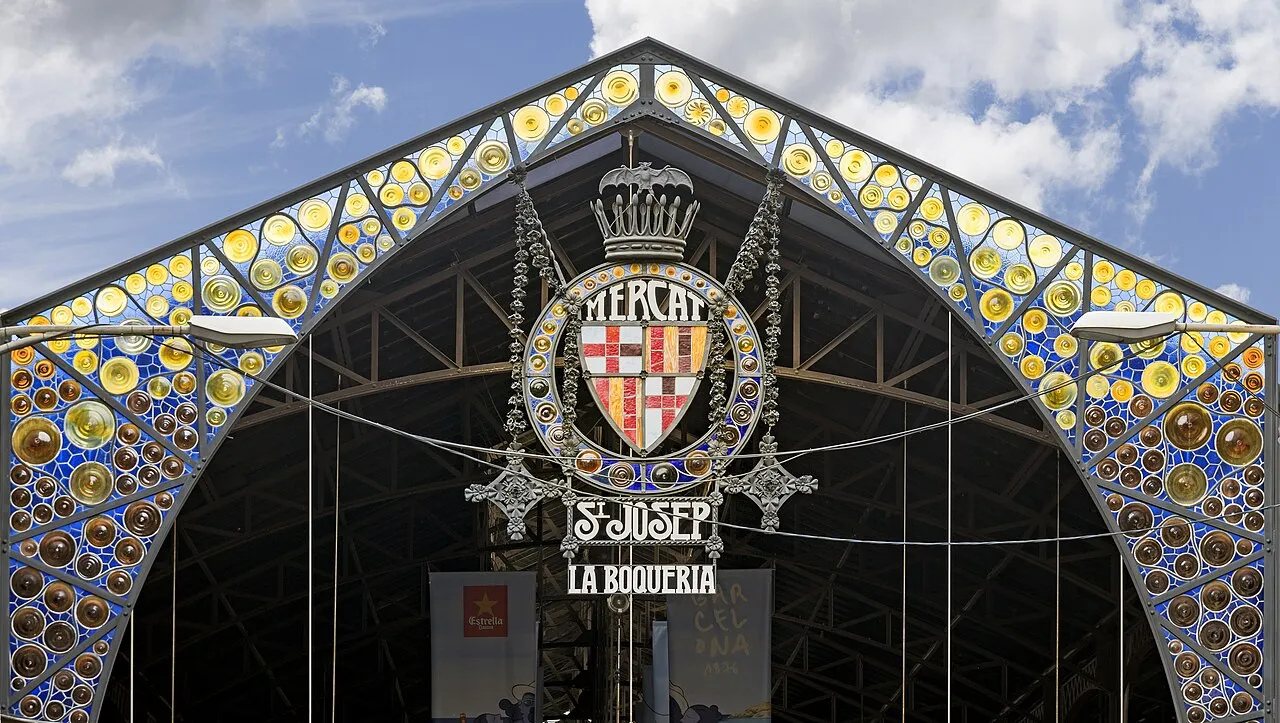
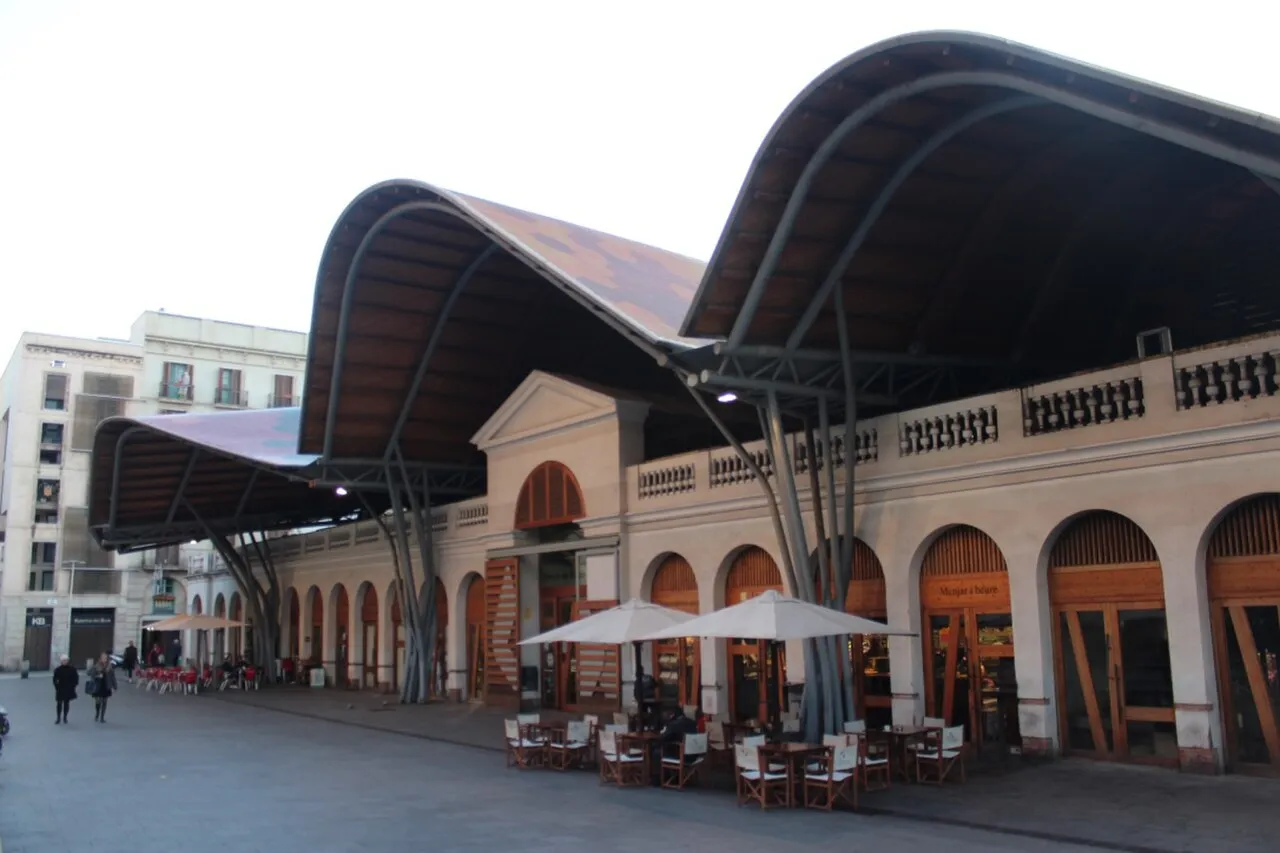
The three worth knowing are Santa Caterina, in the Born, with its ceramic roof and locals' prices; Sant Antoni, recovered after a decade of building work and with an extraordinary atmosphere; and the Barceloneta, small and with fish from the fish market. The Boqueria is the most famous and also the most strained: its entrance is aimed at the visitor and its back is still a real market.

1Mercat de Santa Caterina

Mercat de Santa Caterina

📍 Av. de Francesc Cambó, 16 · El Born

The oldest covered market in Barcelona, with the undulating roof of 325,000 ceramic hexagons by Miralles and Tagliabue. Beneath the stalls are preserved the foundations of the Gothic convent the city burned down in 1835. It is still a market for locals and its counters serve the same as the Boqueria for half the price.

2Mercat de la Barceloneta

Mercat de la Barceloneta

📍 Plaça de la Font, 1

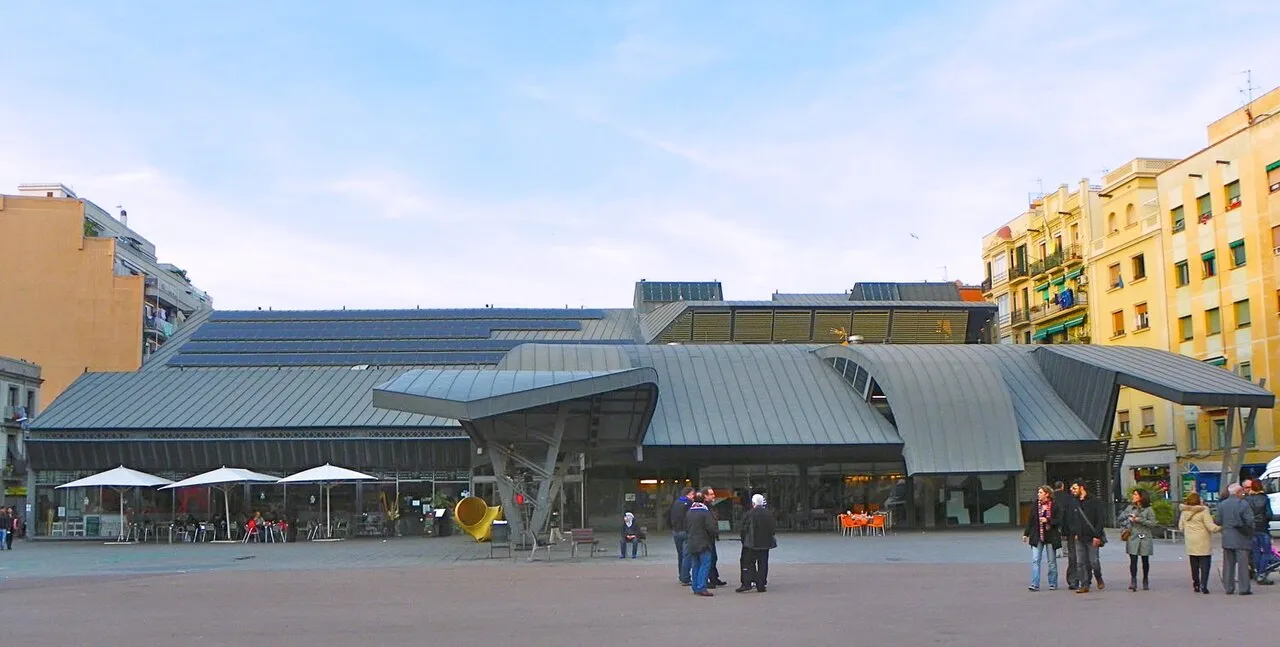
Nineteenth-century iron and glass in the fishermen's neighbourhood, with fish from the fish market and counters where you eat standing up. Since the 2007 refurbishment it has shared the hall with a fine-dining restaurant, without anyone seeing anything odd in it. In mid-morning it is full of shopping trolleys.

3Mercat de la Boqueria

Mercat de la Boqueria

📍 La Rambla, 91

Documented since the thirteenth century and covered with an iron structure since 1840. Its entrance has been turned towards the visitor, with juices and cones of ham at souvenir prices; the back, on the other hand, is the real market, with fishmongers and offal stalls where the city's restaurants shop. The difference between one zone and the other is forty metres.

🎧 With Viavoy

Explore Barcelona at your own pace

Download the app and discover Barcelona offline, whenever you like. Take the walking tour El Born, Santa Maria del Mar and Picasso with a local guide in your ear.

Find out more about Viavoy →

What people really order

The Catalan bar-counter repertoire, without frills.

Vermouth. In Barcelona it is drunk before lunch, above all on Sunday at midday, served on tap with ice, a slice of orange and an olive, and accompanied by tinned delicacies: cockles, pickled mussels, Cantabrian anchovies. “Fer el vermut”, doing the vermouth, is a social institution, not just a drink.

Pa amb tomàquet, which is ordered with almost everything: country bread rubbed with ripe tomato, oil and salt. It is served as a base, not as a tapa. And with it, Catalan cured meats — fuet, llonganissa, botifarra — and cheeses.

Bravas, which in Barcelona come with spicy sauce and alioli, and the bomba of the Barceloneta: a potato ball stuffed with meat, with brava sauce and alioli, invented at La Cova Fumada in the fifties and today spread across the whole city.

And the fish and the tinned delicacies. Esqueixada of salt cod, baby squid, sardines, anchovies in vinegar. Barcelona is a port city and its bar counters reflect that far more than its restaurant cooking.

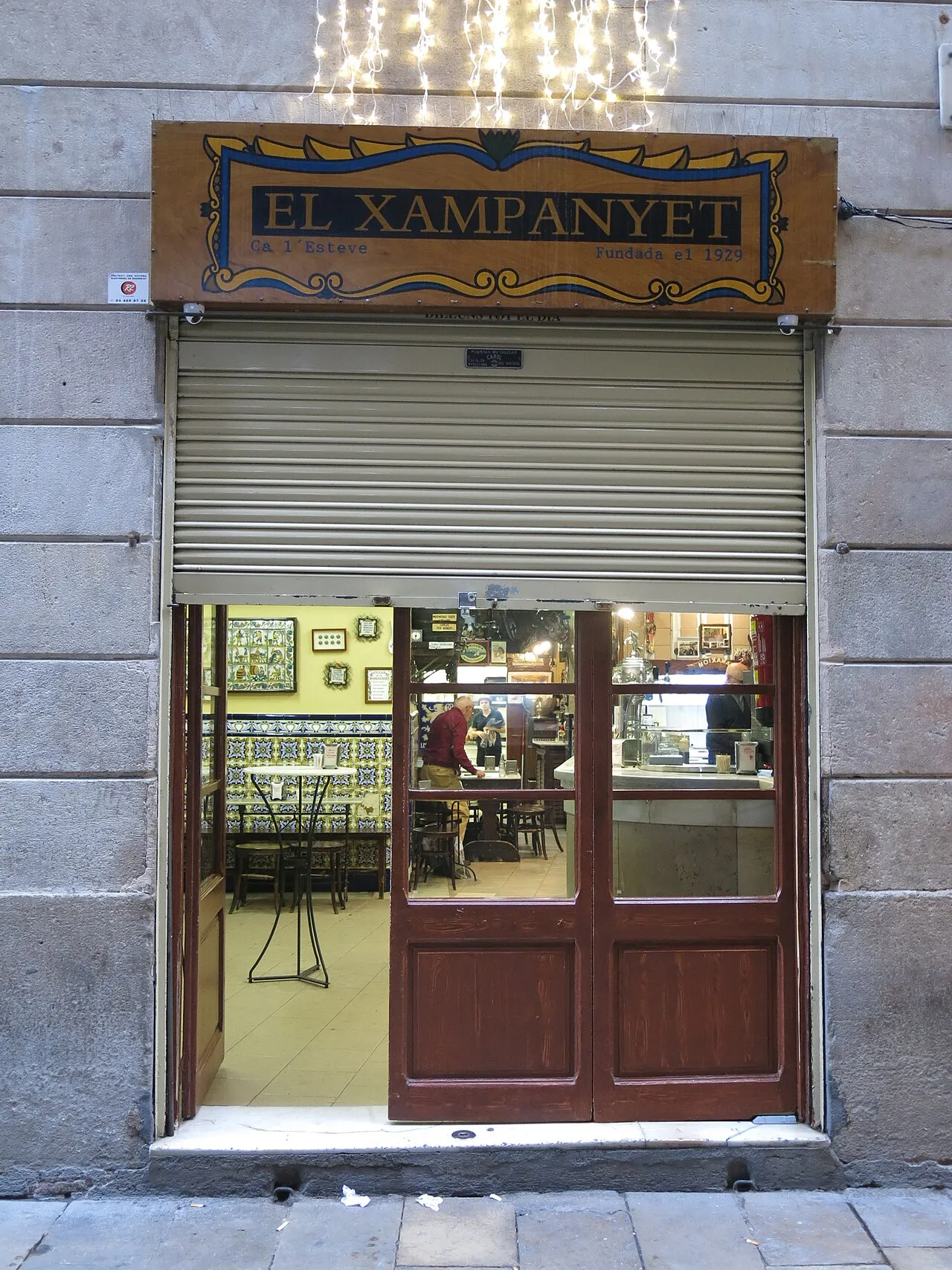
4El Xampanyet

El Xampanyet

📍 Carrer de Montcada, 22 · El Born

Opened in 1929, with the walls lined in tiles up to the ceiling and painted barrels behind the counter. You order the house cava and anchovies, standing up and without booking, in a space where hardly anyone fits. It is ten metres from the Museu Picasso and even so it has managed not to turn into a stage set: it is still what it was.

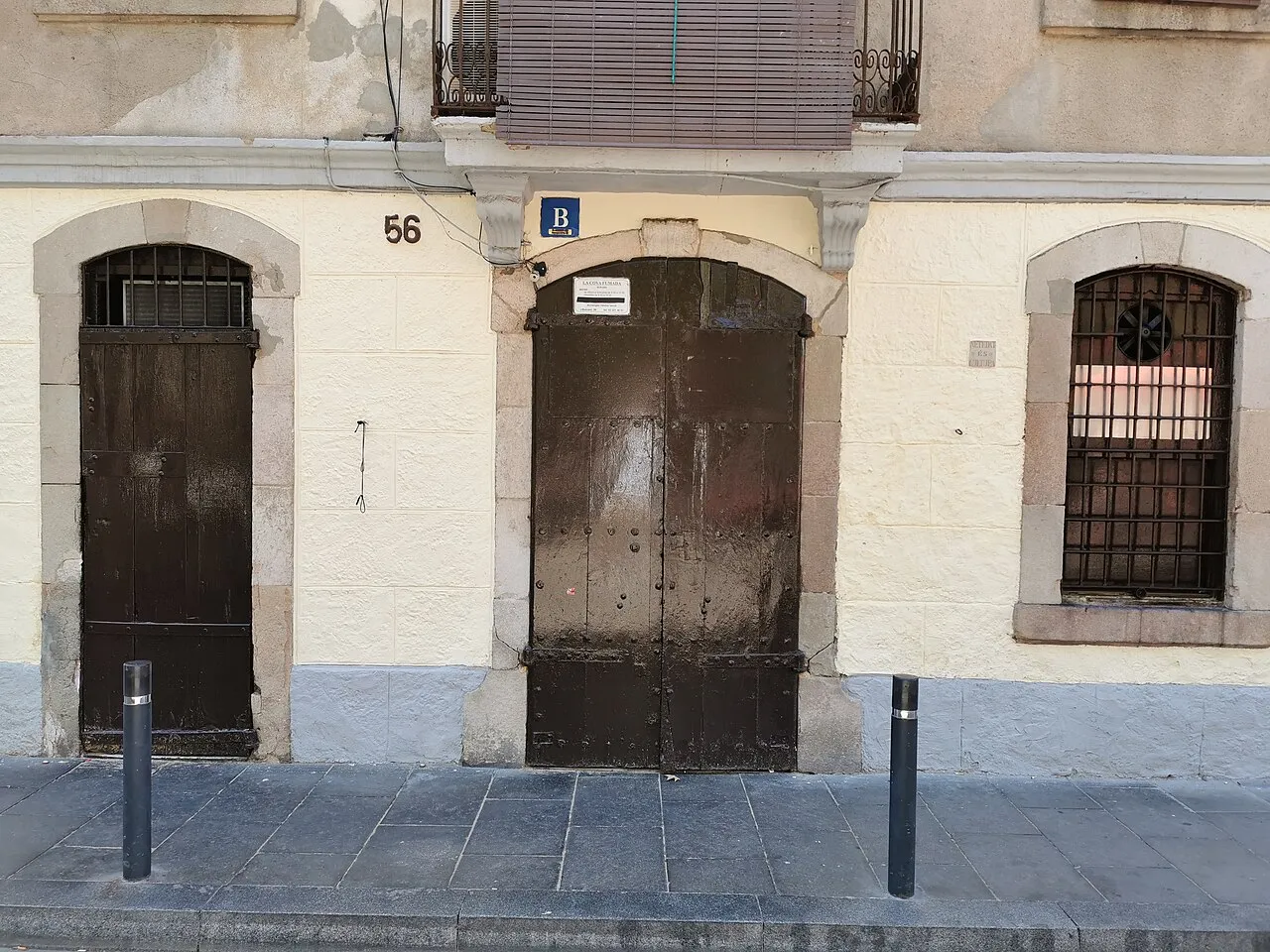
5La Cova Fumada

La Cova Fumada

📍 Carrer del Baluard, 56 · Barceloneta

No sign on the door, with marble tables and the kitchen in full view, open since 1944. This is where the bomba was invented, the potato ball stuffed with meat with brava sauce and alioli that today is eaten in half of Barcelona. They do not take bookings, they do not accept cards and they close early. It is exactly what it looks like and nothing has changed.

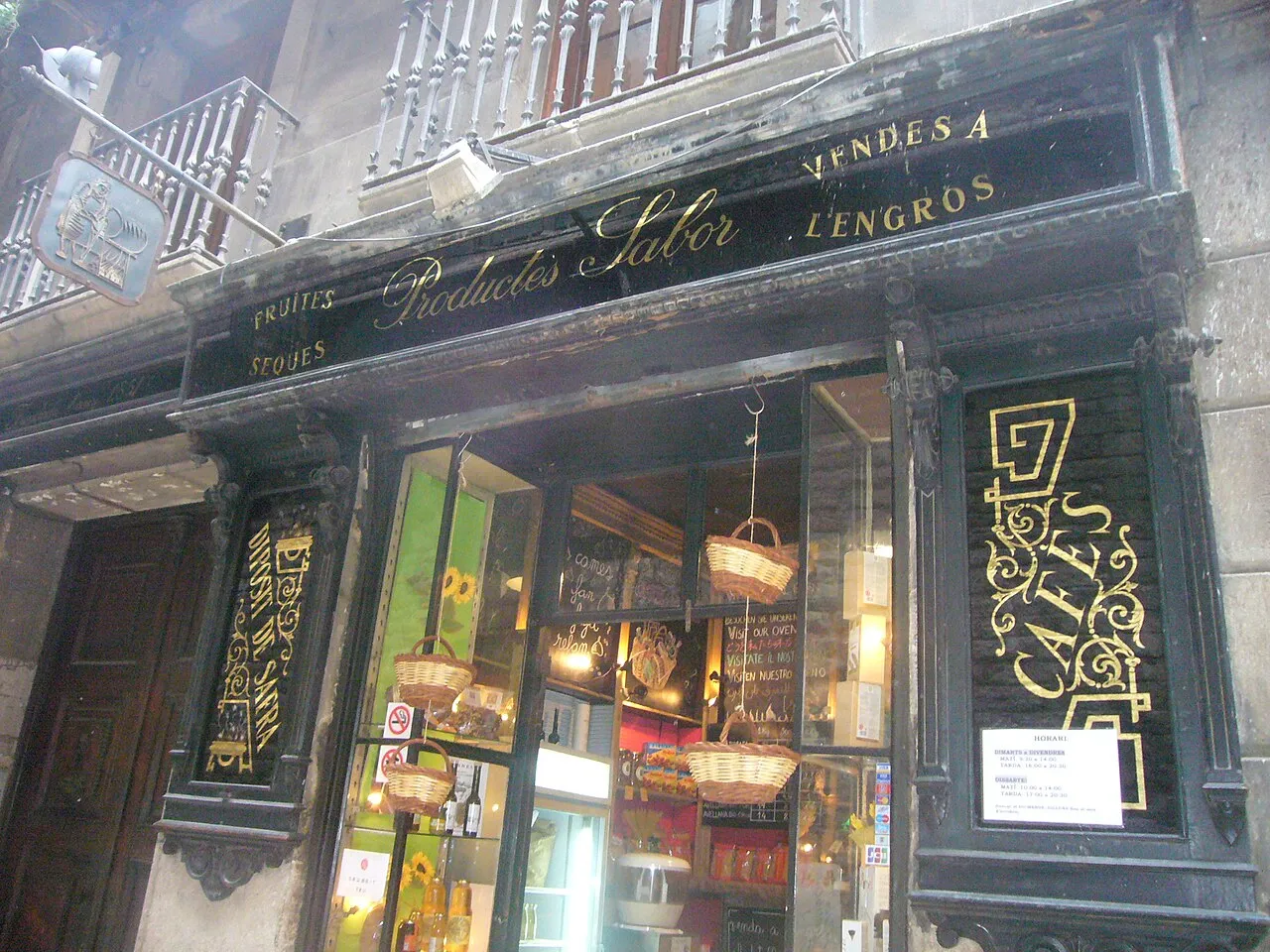
6Casa Gispert

Casa Gispert

📍 Carrer dels Sombrerers, 23 · El Born

A nut shop opened in 1851 that still roasts in an original wood-fired oven installed at the back of the premises. You can smell it from the street. They sell almonds, hazelnuts, dried salt cod and spices, and the dark-wood interior with its hand-lettered drawers is not a recreation: they never changed it.

Frequently asked questions

Do you get free tapas in Barcelona?

No. Unlike cities such as Granada or León, in Barcelona the tapa does not come included with the drink: you order it and you pay for it. What does exist, and is specific to here, is the culture of the bodega and the vermouth, where you have a vermouth on tap accompanied by tinned delicacies — cockles, mussels, anchovies — which are also paid for separately. Anyone arriving expecting the Andalusian model is in for a surprise, so it is worth knowing beforehand.

Which is the best market in Barcelona?

It depends what for. To eat well and cheaply in the centre, the Mercat de Santa Caterina in the Born, with its counters at locals' prices. For atmosphere and recovered trade, Sant Antoni, reopened after almost a decade of building work. For fish, the Barceloneta. And the Boqueria is the most spectacular and the most famous, but you should go to the back, where it is still a real market, and not stay at the entrance.

What should you eat in Barcelona?

Pa amb tomàquet as the base of everything, Catalan cured meats — fuet, llonganissa, botifarra —, bravas with spicy sauce and alioli, and the bomba of the Barceloneta, a potato ball stuffed with meat invented at La Cova Fumada. From the sea, esqueixada of salt cod, baby squid and tinned delicacies. And if you coincide with the season, calçots between January and March, eaten with romesco sauce and a bib.

Where to eat in Barcelona without falling into tourist traps?

The rule that always works is to move two streets away from any famous place. Specifically: the inner streets of the Born instead of the Passeig del Born; the Raval instead of La Rambla; the streets of the Barceloneta grid instead of the seafront promenade; and the neighbourhoods of Gràcia and Sant Antoni, where the city eats. The municipal markets sort out any meal at neighbourhood prices.

What time do people have lunch and dinner in Barcelona?

Lunch is between 13:30 and 15:30 and dinner from 21:00, with many kitchens not opening until 20:30. Outside those slots, what you will find open in the tourist areas is usually precisely what should be avoided. Neighbourhood bars do serve something to nibble in mid-afternoon, and the midday vermouth — above all on Sundays — is a slot of its own that is worth making the most of.

What is “fer el vermut”?

It is a Catalan social institution: having a vermouth before lunch, especially on Sundays and public holidays at midday, accompanied by tinned delicacies and crisps, in a bodega or on a bar terrace. The vermouth is served on tap, with ice, a slice of orange and an olive. It is not a recent fashion revived by designers: it is a neighbourhood custom that never completely disappeared and that today is enjoying an excellent moment.

The four neighbourhoods where to eat, and where not to

The Born, in its inner streets — Banys Vells, Sombrerers, Flassaders —, not on the Passeig del Born or in the Plaça de Santa Maria. Bodegas, vermouth bars and taverns with good produce, ten metres from the expensive zones.

The Raval, which is the neighbourhood with the best value for money in the centre and by far the most varied: Pakistani, Filipino, Moroccan, Dominican and Peruvian cooking living side by side with Catalan bodegas. The area around the Carrer de Joaquín Costa concentrates a good part of it.

Gràcia, with neighbourhood prices and a density of small places the centre has lost. And Sant Antoni, around its market, which is where the city has concentrated some of its best new bars over the last decade without ceasing to be a residential neighbourhood.

And where not to: La Rambla, the Passeig del Born, the seafront promenade of the Barceloneta and the side streets right next to the Sagrada Família. In all of them you pay for the location, and in all of them there is a much better alternative two streets away. It is not a fussy rule, it is arithmetic.

Practical information

MarketsAlmost 40 municipal markets in operation. Open in the morning from Monday to Saturday; closed on Sundays.
The ritualVermouth is drunk before lunch, above all on Sunday at midday, with tinned delicacies.
What to orderPa amb tomàquet, Catalan cured meats, bravas, bomba of the Barceloneta, tinned delicacies and esqueixada.
Where to eatInner Born, Raval, Gràcia and Sant Antoni. All four with neighbourhood prices.
Where not toLa Rambla, Passeig del Born, the seafront promenade and the immediate surroundings of the Sagrada Família.
Opening hoursLunch is from 13:30 to 15:30 and dinner from 21:00. Before that, many kitchens are closed.
On the map

🎧 With Viavoy

Walk Barcelona and listen at your own pace

Download Viavoy and walk Barcelona offline, whenever you like.

from 2,99 €· one-off payment
City Pass · 9,99 €3 days, all the tours in Barcelona
Find out more about Viavoy →
Viavoy app

Keep reading

More articles

Neighbourhoods

El Born: the Barcelona of the merchants and of 1714

Neighbourhoods

La Barceloneta and Barcelona's beaches: what to see and where to eat

Neighbourhoods

Gràcia: the town Barcelona annexed and that still has not noticed

What to see

Las Ramblas and the Boqueria: how to see them without being taken for a ride