The Santa Cruz quarter: a guide to Seville's old Jewish Quarter
Neighbourhoods · Seville

The Santa Cruz quarter: a guide to Seville's old Jewish Quarter

Alleys a metre wide, courtyards full of flowerpots and some very dark legends. And a surprise: much of what looks medieval is a century old.

9 min read · Updated for 2026
🎧 On the walk Santa Cruz Neighborhood: The Labyrinth of the Judería

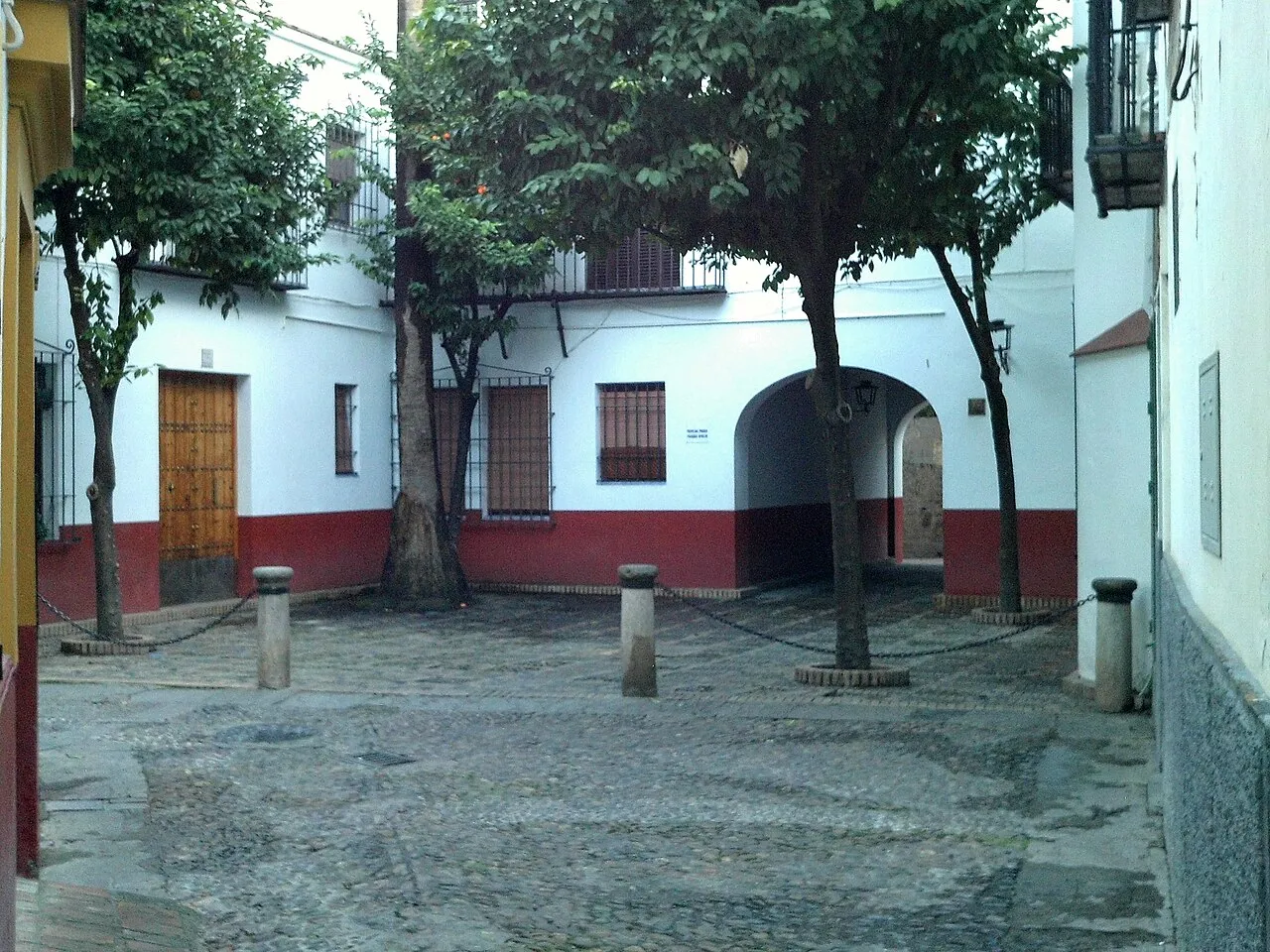
Santa Cruz is the most photographed neighbourhood in Seville and the least understood. Everyone walks through it believing they are treading the medieval Jewish Quarter intact, and the truth is more interesting: what you see is largely a beautiful stage set built in the early twentieth century on top of very real stories. In the early 1920s the neighbourhood was half in ruins and its complete demolition was seriously considered. Instead, it was groomed for the 1929 Exposition, with orange trees planted and squares restored until it had the romantic look travellers already expected. Knowing this takes nothing away; it adds a layer.

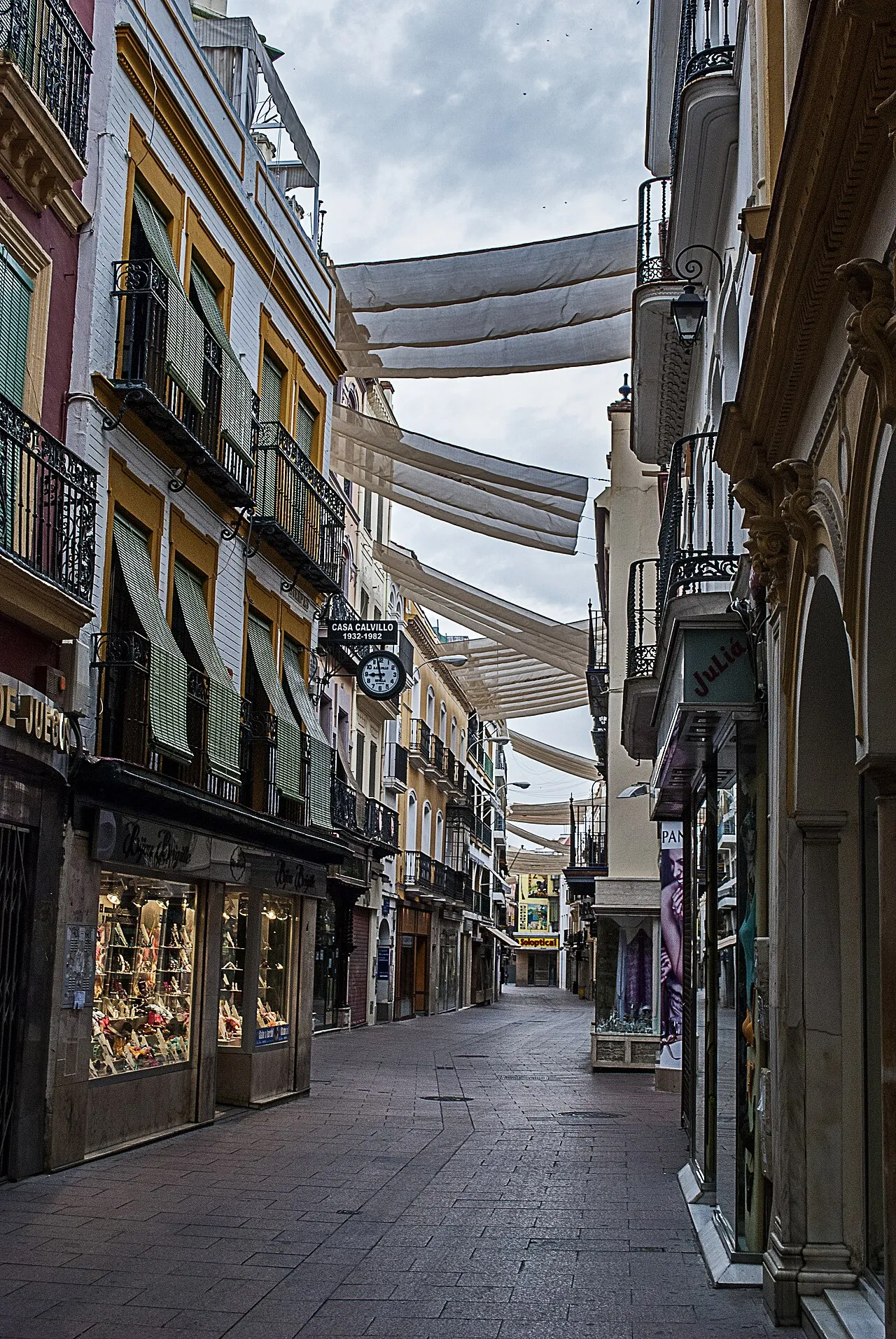
Walk it first thing in the morning or after seven in the evening. Between eleven and five it is the busiest spot in Seville and the alleys are literally a metre wide.

An invented neighbourhood on top of a real Jewish quarter

For centuries this was home to one of the most important Jewish communities in Spain, second only to Toledo's. What survives of that is mostly the names — Calle Judería, Calle Susona — because the end was brutal: in the summer of 1391, whipped up by the sermons of an archdeacon, a mob stormed the quarter. The dead and the forcibly baptised numbered in the thousands, and the Jewish Quarter was destroyed. Its synagogues became churches, such as Santa María la Blanca or San Bartolomé. It was the beginning of the end, a century before the expulsion of 1492.

The picture people photograph today has a name: Juan Talavera y Heredia, a Sevillian architect in love with regionalism, who designed, for example, the Plaza de Doña Elvira as it looks today, around 1918. He and his contemporaries groomed squares and corners to give Seville the romantic face the world expected to find. When something here looks as if it has “always been that way”, it may be little more than a century old.

1Patio de Banderas

Patio de Banderas

📍 Next to the Alcázar exit

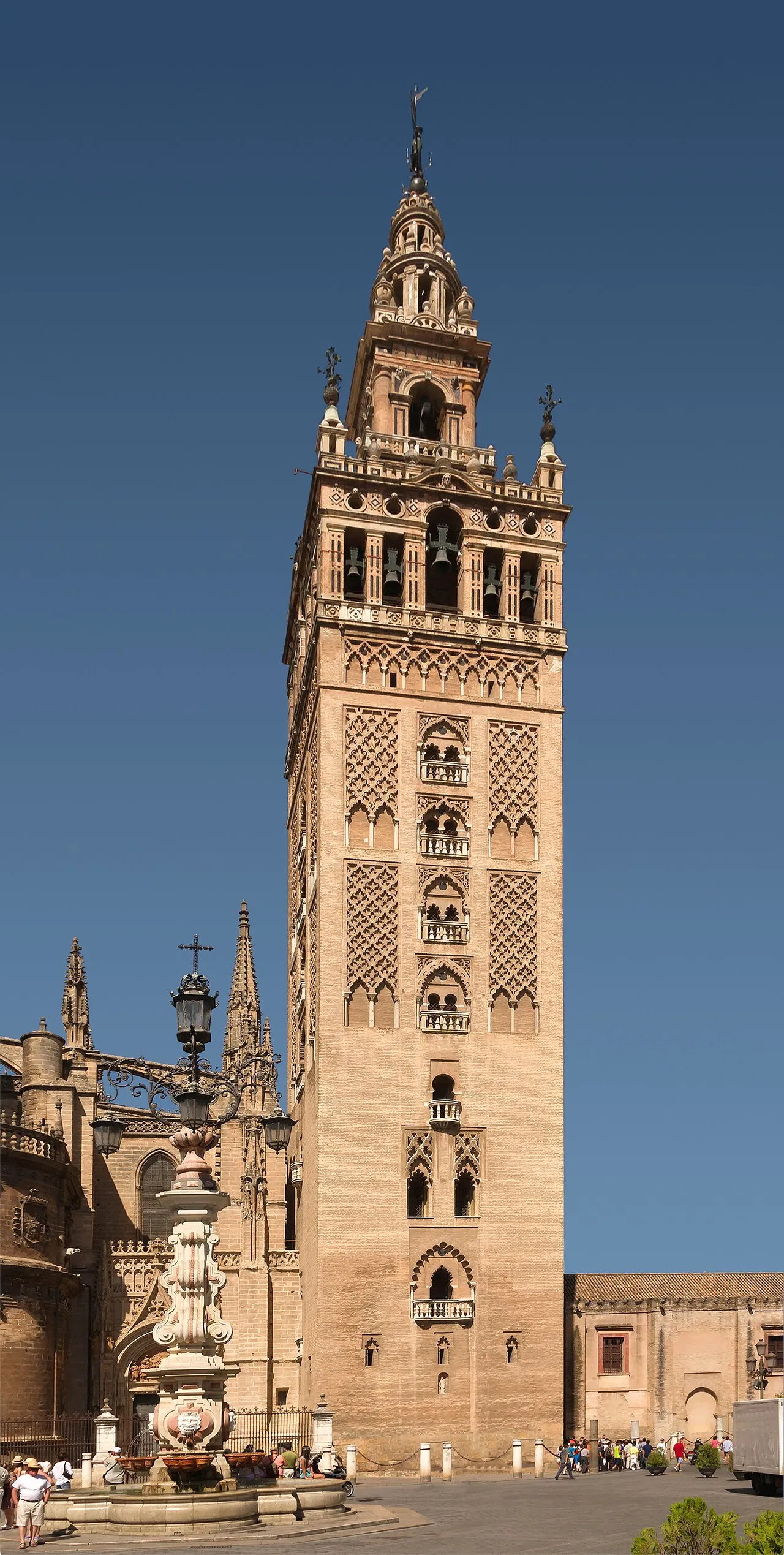
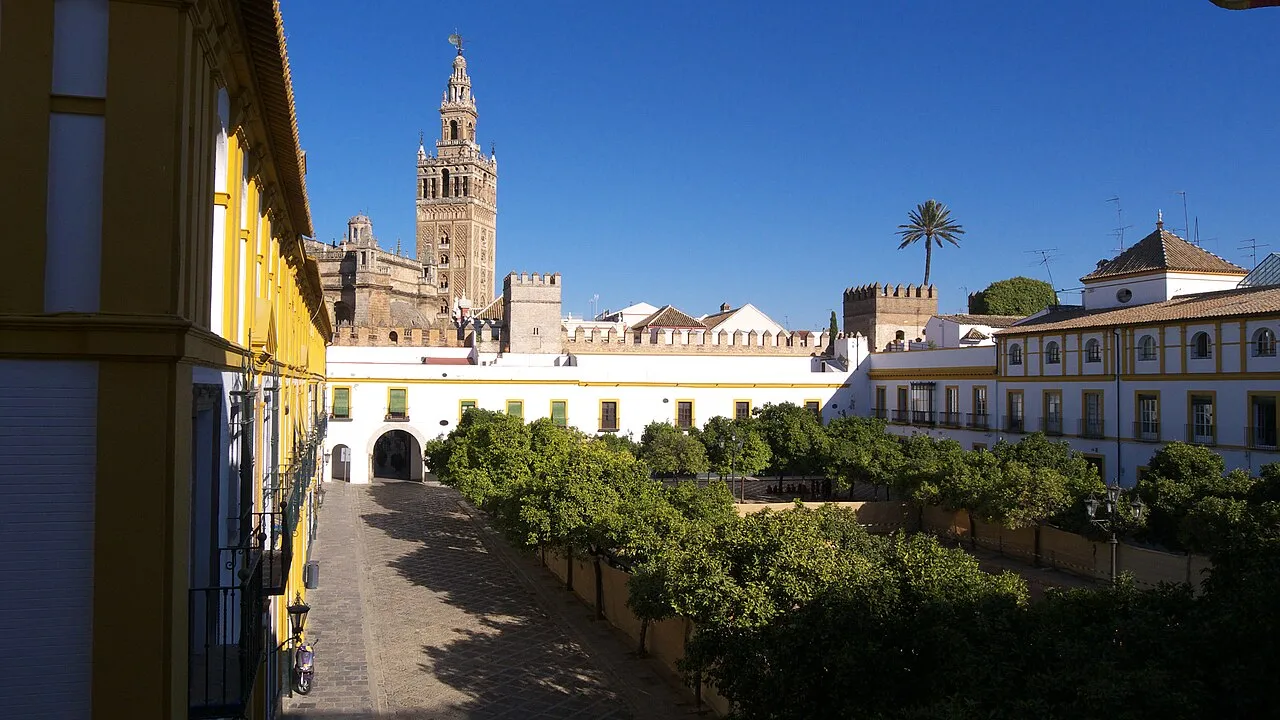
The natural gateway to the neighbourhood: an enclosed courtyard of ochre-coloured houses, a fountain and the Giralda peeking over the rooftops. It is the photo everyone takes without knowing what they are standing on. Beneath these flagstones, excavations have found layers going down to the ninth century BC, almost three thousand years, including what is interpreted as a Phoenician sanctuary. It is one of the few places in Seville where you can glimpse its very first heartbeat.

2Plaza de Doña Elvira

Plaza de Doña Elvira

📍 Heart of the neighbourhood

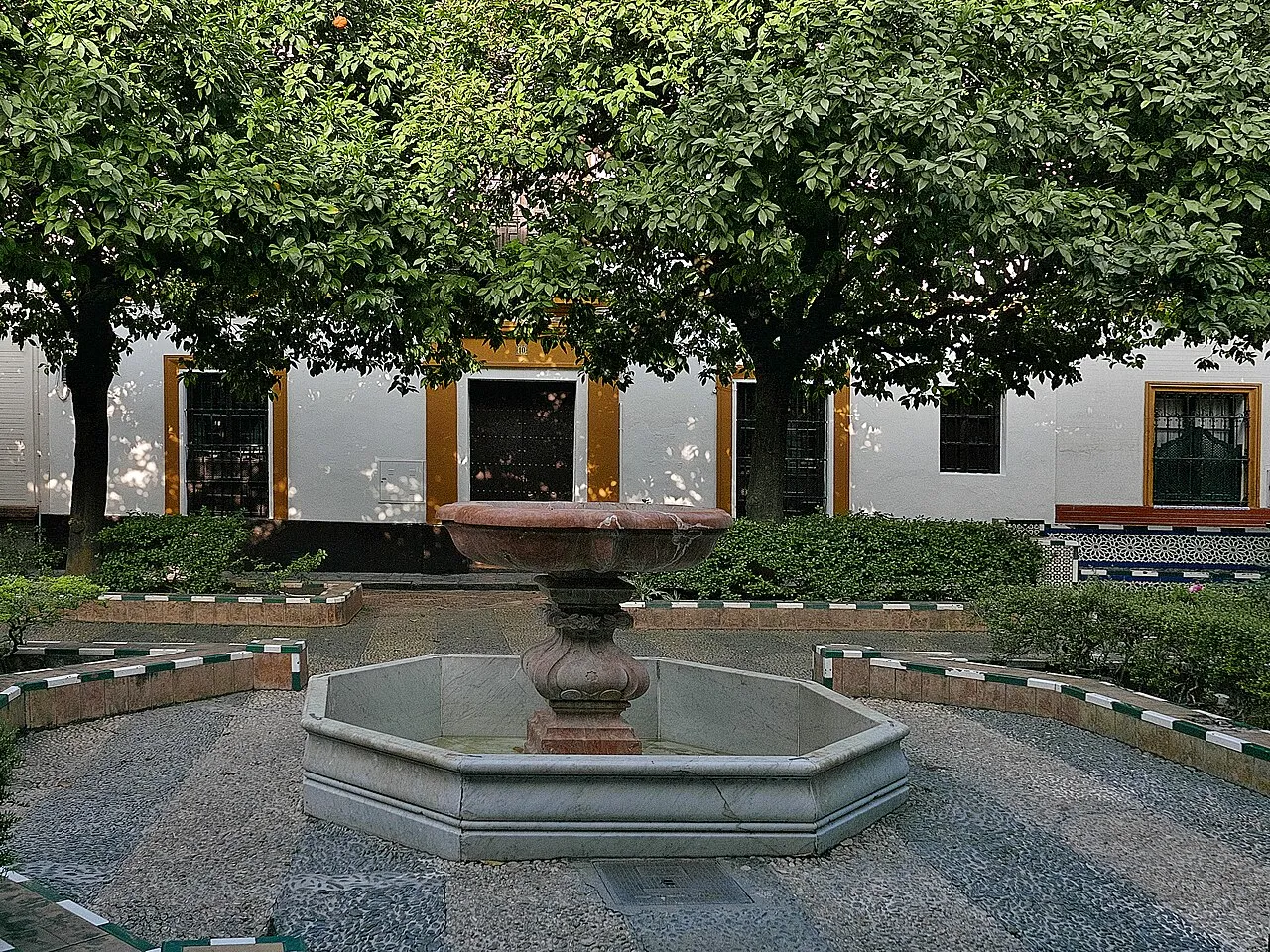
Small, enclosed, with orange trees and benches of glossy tiles, and almost always a guitar playing. Sit down: the ceramic benches are there for that. On this very ground, during the Golden Age, there was a corral de comedias, an open-air theatre where the first professional companies performed and where the career of Lope de Rueda took off, the Sevillian gold-beater whom Cervantes remembered in old age from having seen him act as a child. Where today there are tourists, four centuries ago there were mosqueteros, the standing crowd, shouting under the stars.

3Calle Susona

Calle Susona

📍 Look for the tile with the skull

The quietest alley keeps the darkest legend in the neighbourhood. Tradition has it that Susona lived here, daughter of Diego de Susán, one of the richest men in the Jewish Quarter in the late fifteenth century. In love with a Christian knight, she overheard her father and other converso notables plotting against the newly founded Inquisition and, terrified of losing her beloved, denounced them. They were arrested and executed. On her deathbed she asked for her head to hang over the door as a warning, and for more than a century the street was called Calle de la Muerte, the street of death.

4Callejón del Agua and Calle Judería

Callejón del Agua and Calle Judería

📍 Hugging the Alcázar wall

An extremely narrow alley where the air turns cool, almost like a wine cellar: on one side rises the Almohad wall of the Alcázar, on the other the white houses come so close that you can almost touch both walls at once. The name is not poetic: this is where the conduit ran that carried water from the Caños de Carmona to the palace gardens, hidden along the top of the wall. At number 2 there is a columned courtyard that enchanted Washington Irving, the author of the Tales of the Alhambra, who lodged around here in search of romantic Seville.

🎧 With Viavoy

Explore Seville at your own pace

Download the app and discover Seville offline, whenever you like. Take the walking tour Santa Cruz Neighborhood: The Labyrinth of the Judería with a local guide in your ear.

Find out more about Viavoy →

What you can actually visit inside

Two interiors that justify the morning on their own.

Santa Cruz is above all a neighbourhood of exteriors, but it has two first-rate interiors that almost nobody includes in their plan because of the Alcázar, which swallows all the available time. They are worth setting aside a slot for.

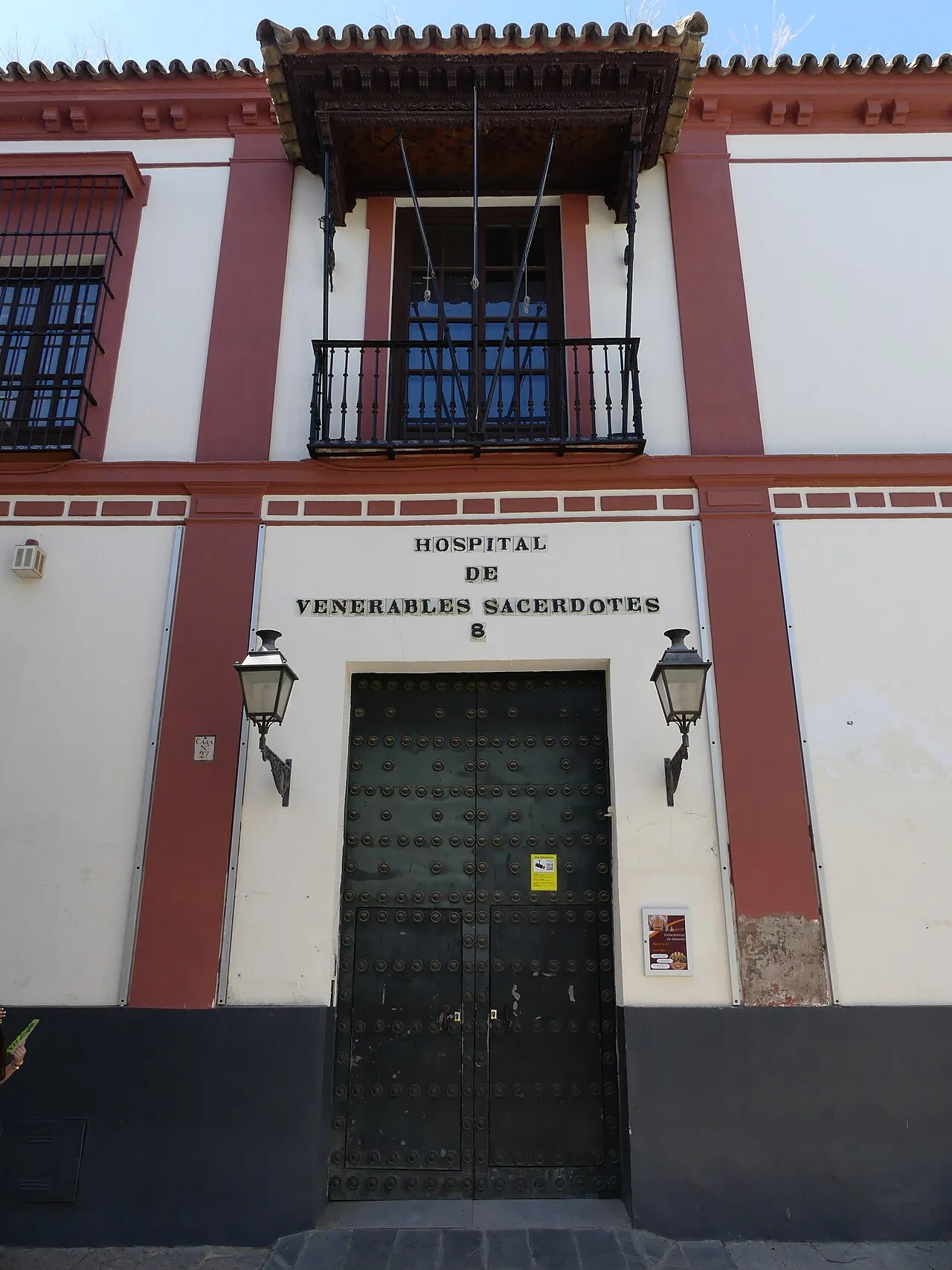
5Hospital de los Venerables

Hospital de los Venerables

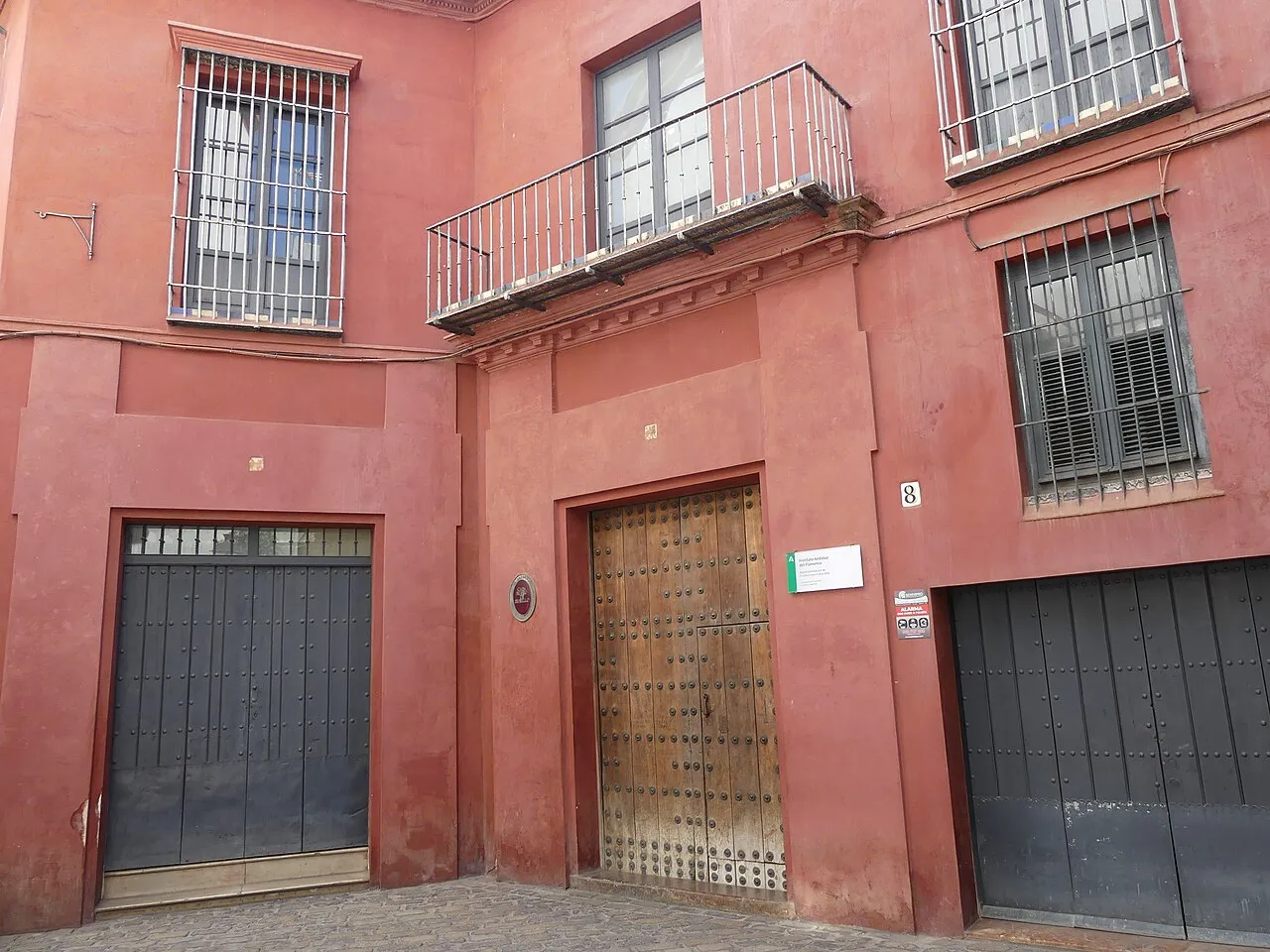
📍 Plaza de los Venerables, 8

Red brick, a bell gable cut out against the sky and a sober façade that gives no hint of what lies inside. It was founded in the seventeenth century to house elderly and poor priests, and it was built by the Figueroas, the great dynasty of Sevillian Baroque. Its courtyard is sunken, with the fountain at the bottom of a bowl: it is not aesthetics, it is a device for collecting water in a city of scorching summers. Inside are the monumental staircase, the vault painted by Valdés Leal and the Centro Velázquez, with the “Santa Rufina” bought in 2007 for a record sum for a Spanish painting.

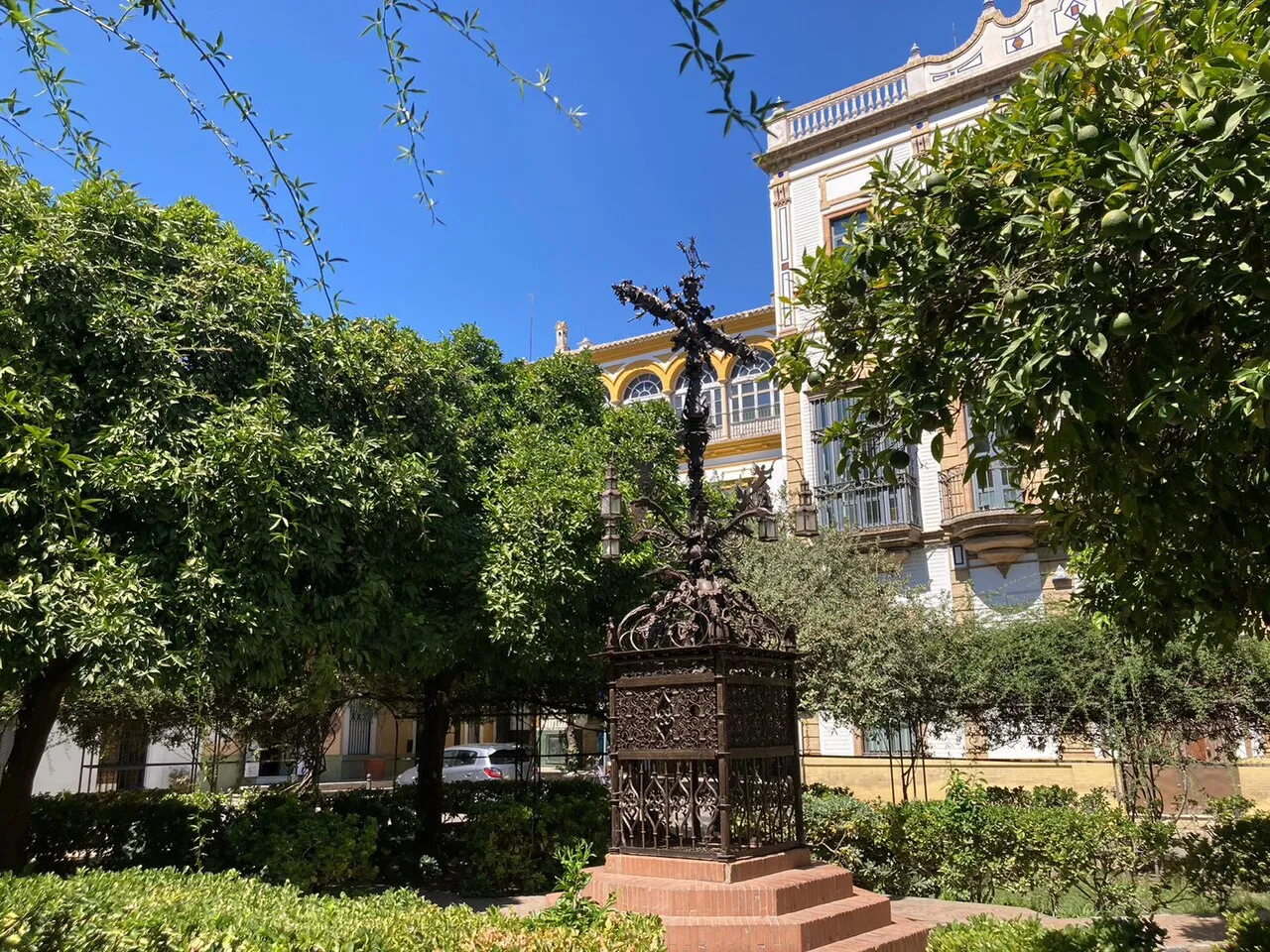
6Plaza de Santa Cruz

Plaza de Santa Cruz

📍 Next to the Jardines de Murillo

You leave the maze for an open space with clipped hedges, orange trees and a very fine black iron cross in the centre: the Cruz de la Cerrajería, from 1692, which for centuries stood over calle Sierpes. But what matters is under your feet. There was no square here but the old church of Santa Cruz, and in it Murillo was buried in 1682. During the French invasion the church was demolished to open up this space, and with it the tomb was lost. The painter rests without a headstone somewhere beneath the orange trees.

Jardines de Murillo
The breather

Jardines de Murillo

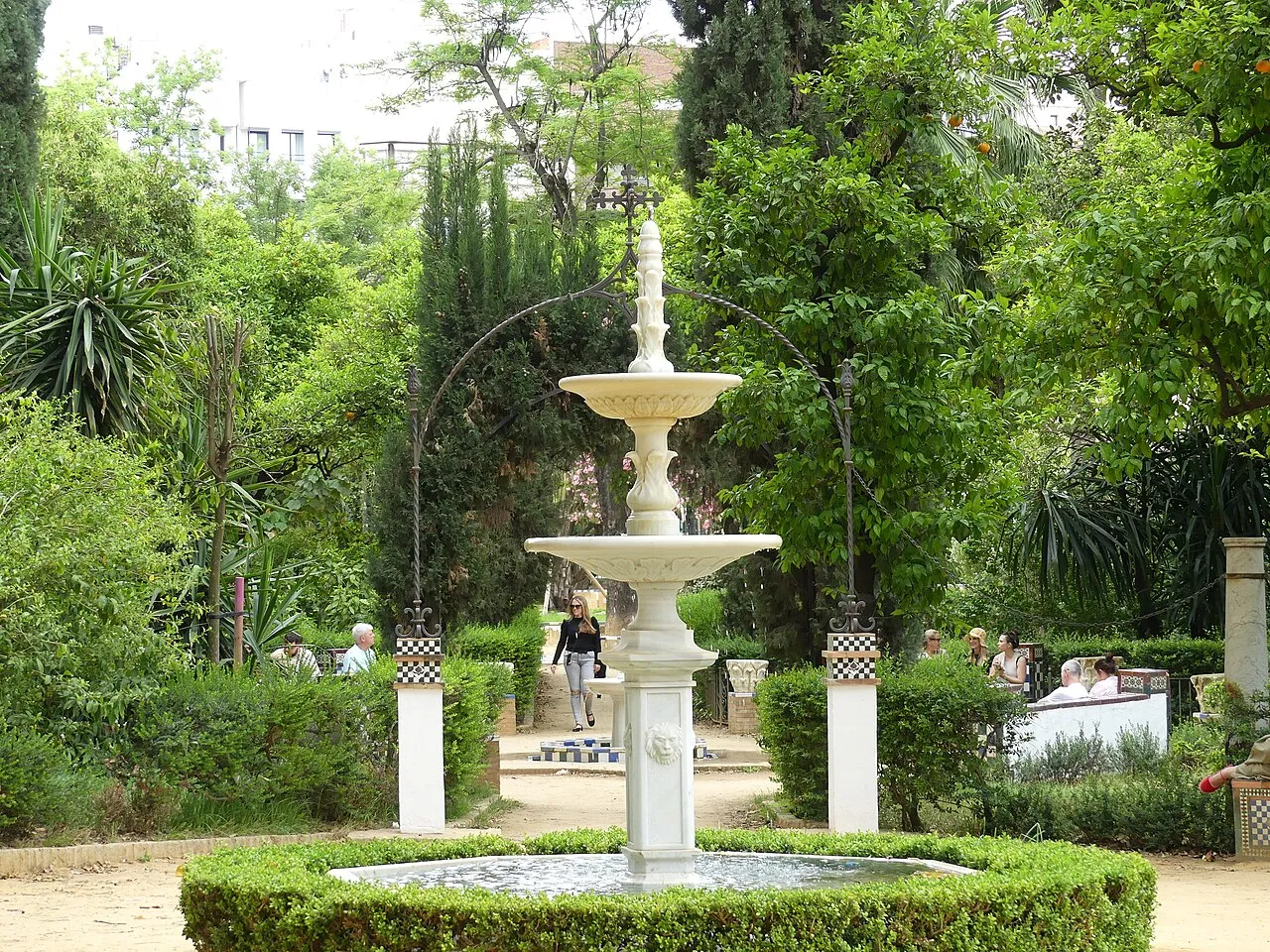
The alley suddenly opens onto pergolas covered in bougainvillea, fountains and shaded benches, hugging the Alcázar wall. Until little more than a century ago this was not public: these were the palace's private orchards, its larder of fruit and vegetables, until in 1911 Alfonso XIII ceded the land to the city. At the far end there is a monument to Columbus from 1921 and, if you look between its two columns, the bronze prows of two caravels poke out, as if the ships of the discovery were sailing out of the stone.

🎧 On the tour Santa Cruz Neighborhood: The Labyrinth of the Judería

Murillo, Don Juan and the neighbourhood of legends

Two figures share the imagination of Santa Cruz, and one of them never even existed.

Bartolomé Esteban Murillo, the painter of sweet Virgins and street children, lived and worked here in his final years. He died in 1682 from a fall from the scaffolding while painting a great altarpiece in Cádiz: injured and already ill, he returned to Seville, to this house on calle Santa Teresa, where he faded away. The canvas he was painting, the Mystic Marriage of Saint Catherine, was finished years later by one of his pupils, and it still hangs in Cádiz, a silent witness to the accident.

The other is Don Juan Tenorio, who is pure theatrical character and still has a statue of his own in the Plaza de los Refinadores. He was invented by the friar Tirso de Molina, who in 1630 published “El burlador de Sevilla” and tied him to this city forever; from there he leapt to Molière, to Mozart's opera and to half the world. But the Don Juan that Spaniards carry inside is Zorrilla's romantic one, from 1844, the one who repents for love in the end, and who is still performed every November around All Saints' Day because part of the drama takes place among tombs. With him, pure fiction, closes a neighbourhood made of legends.

7Casa de Murillo

Casa de Murillo

📍 Calle Santa Teresa, 8

A two-storey noble house with a columned courtyard you can make out from the street. Murillo lived and worked here in the last years of his life, and here he died in 1682 after the fall in Cádiz. The painter of tenderness, the one who filled Seville with light, ended his days on this quiet street. Peer into the courtyard if it is open: it was the last light his eyes saw.

8Plaza de los Refinadores

Plaza de los Refinadores

📍 Exit towards the Jardines de Murillo

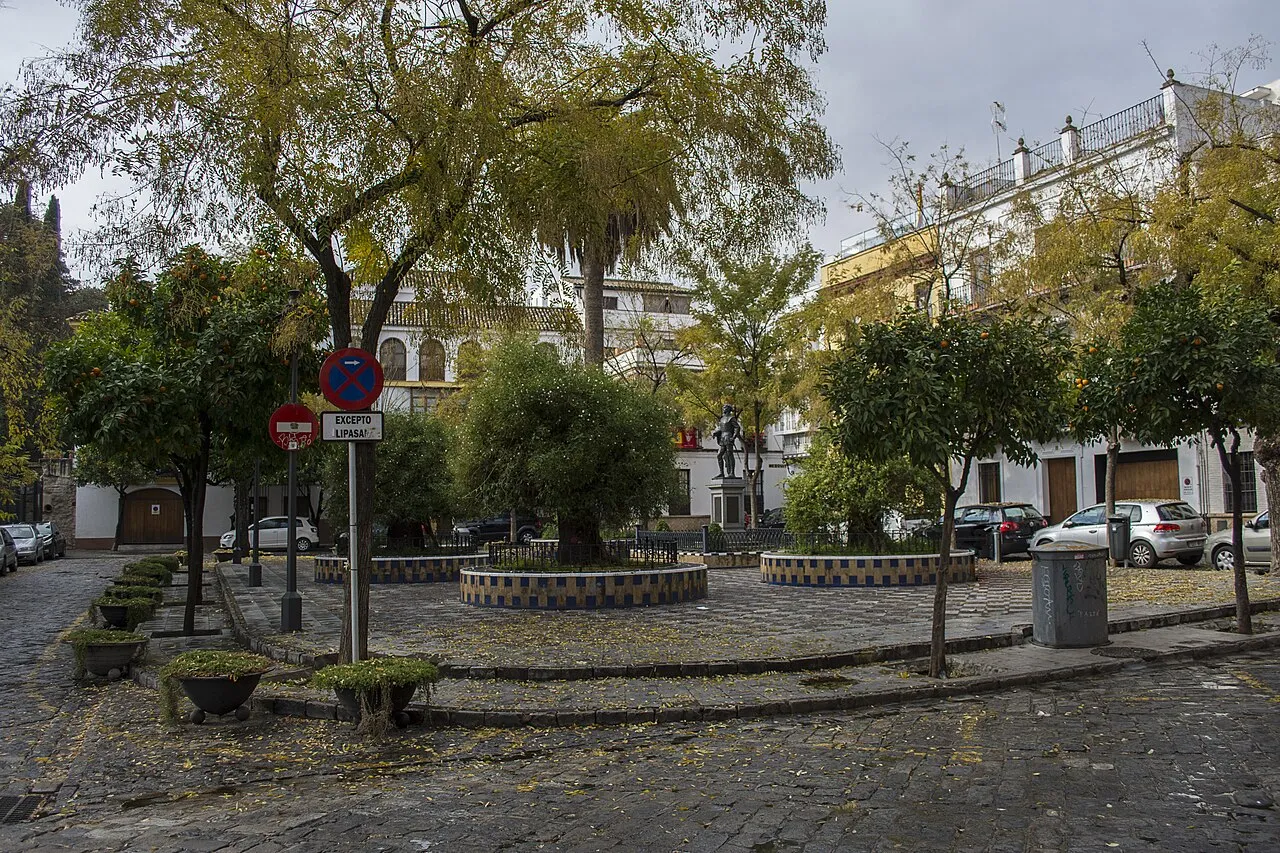
A little square ringed by slender palm trees and quiet houses, with a bronze statue in the centre: a man with a cape, a hat and a sword at his belt. It is Don Juan Tenorio, the most famous seducer in Spanish literature. He is fiction, of course, but Sevillians are so fond of him that they put his statue here, in the heart of the neighbourhood where Zorrilla set his love affairs and his duels, a step from the Plaza de Doña Elvira.

Frequently asked questions

What is there to see in the Santa Cruz quarter?

The Patio de Banderas, the Plaza de Doña Elvira, calle Susona with its skull tile, the Callejón del Agua hugging the Alcázar wall, the Hospital de los Venerables, the Plaza de Santa Cruz and the Jardines de Murillo. It is about a two-hour stroll, three if you go into the Venerables, and everything is less than ten minutes' walk away.

Is it really Seville's old Jewish quarter?

Yes and no. For centuries this was home to one of the most important Jewish communities in Spain, and the street names survive from that. But the quarter was stormed in 1391 and left in ruins, and what you see today was rebuilt in the early twentieth century with an eye on the 1929 Exposition: squares were restored, orange trees were planted and it was given the romantic look travellers expected. It is a beautiful stage set built on top of a very real history.

What is the best time to visit?

Before ten in the morning or after seven in the evening. It is the busiest spot in the city and its alleys are literally a metre wide, so at midday it turns into a funnel. First thing in the morning it is almost empty and the light between the white façades is much better.

Where is Murillo buried?

Beneath the present-day Plaza de Santa Cruz, without a headstone. He was buried in 1682 in the old church of Santa Cruz, which occupied that plot, but the church was demolished during the French invasion to open up the square and the tomb was lost with it. The painter rests somewhere beneath the orange trees. He lived and died very close by, in the Casa de Murillo on calle Santa Teresa.

Do you need a guide to walk around Santa Cruz?

To avoid getting lost, no: it is impossible to get truly lost because in any direction you come out within five minutes. To understand it, a guide helps a great deal, because almost everything interesting about the neighbourhood is invisible — what lies beneath the Patio de Banderas, the corral de comedias in Doña Elvira, the story of Susona — and none of it is marked on any sign.

Where can you eat well in Santa Cruz?

At Bodega Santa Cruz “Las Columnas”, on calle Rodrigo Caro, where you eat standing up and they chalk the bill onto the counter, and at Las Teresas, open since 1870, with its ceiling covered in hams. Beyond those two, the area has the highest density of tourist traps in Seville: the rule is to avoid any place with photos of the dishes at the door.

How to walk it without falling into the traps

The density of bad restaurants per square metre is the highest in Seville here, and the rule for dodging them is simple: if there are photos of the dishes at the door or a laminated menu in six languages, keep walking. The two bars that do deserve a stop are Las Columnas, on calle Rodrigo Caro, where you eat standing up and the bill is chalked onto the counter, and Las Teresas, open since 1870, with its ceiling covered in hams.

On timing: between eleven in the morning and five in the afternoon the neighbourhood is saturated, and we are talking about alleys a metre wide. First thing in the morning it is practically empty and from seven onwards it gets its residents back. They are two different neighbourhoods depending on the hour.

And on the map: don't use one. Santa Cruz is designed for getting lost and it is impossible to get truly lost, because in any direction you come out onto a big street within five minutes. Wandering aimlessly here is not a risk, it is the whole plan.

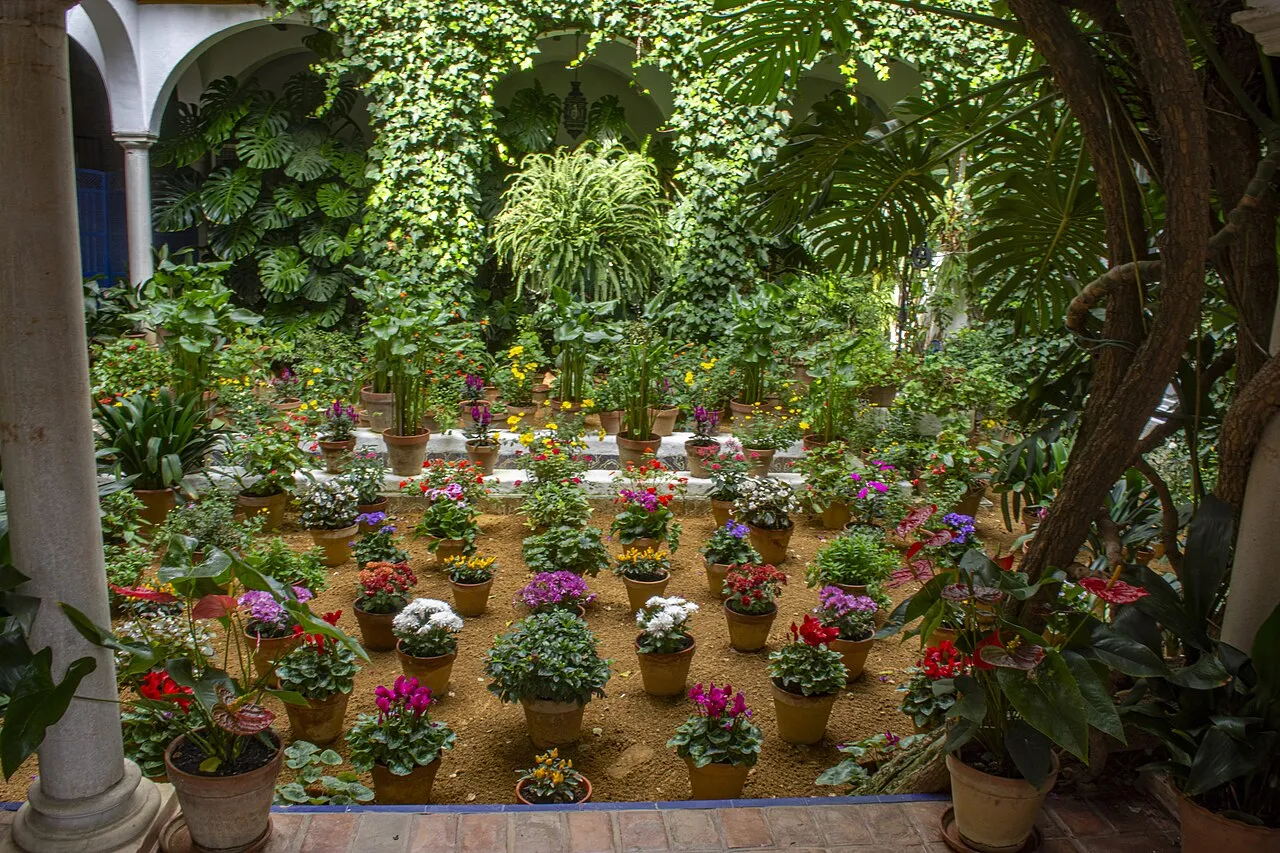
One last practical note: the courtyards. Many entrance halls have their iron gate open and let you see the inner courtyard, which is where the Sevillian house really lives. Looking from the street is perfectly acceptable; going in is not. It is the difference between being curious and walking into someone's living room.

Practical information

Where it isBetween the Real Alcázar and the Jardines de Murillo, right in the monumental centre.
When to goBefore 10:00 or after 19:00. In between it gets saturated.
How longTwo hours strolling; three if you go into the Venerables.
FreeAll the wandering, the Plaza de Santa Cruz and the Jardines de Murillo.
EatingBodega Santa Cruz “Las Columnas” and Las Teresas. Avoid the laminated menus.
With ViavoyThe route “Santa Cruz Neighborhood: The Labyrinth of the Judería” covers thirteen stops with narration by a local guide.
On the map

🎧 With Viavoy

Walk Seville and listen at your own pace

Download Viavoy and walk Seville offline, whenever you like.

from 2,99 €· one-off payment
City Pass · 9,99 €3 days, all the tours in Seville
Find out more about Viavoy →
Viavoy app

Keep reading

More articles

What to see

Cathedral, Giralda and Real Alcázar: how to visit Seville's big three

Itineraries

Seville in 2 days: the itinerary that really works

Food & drink

Tapas in Seville: a guide to the bars, the hours and what to order at each

Neighbourhoods

Triana: a guide to the neighbourhood that thinks it is a city apart