Málaga's historic centre: Larios, Picasso and the squares
A marble street designed against earthquakes, the market with a Nasrid arch set into its doorway and the alleys where people still drink wine from the barrel. A walking route through the old town.
Málaga's old town fits inside a triangle fifteen minutes to a side, and it has one peculiarity: the main street is not medieval, it dates from 1891, and it was opened by demolishing whole blocks. Everything else — the narrow alleys, the squares that appear without warning, the taverns serving wine from the barrel — is still the street plan of always, packed tight around that straight avenue that cut it in two.
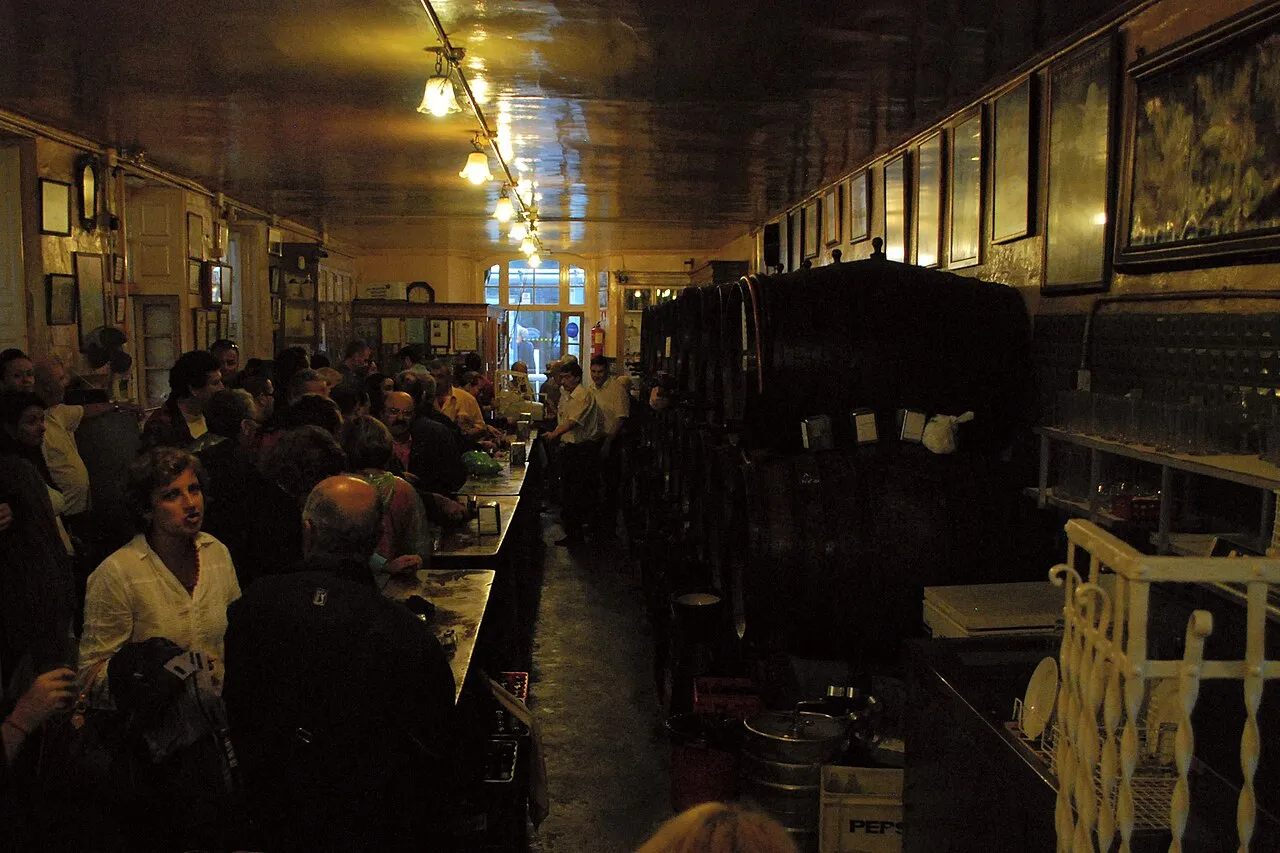
At the Antigua Casa de Guardia, open since 1840, there are no tables: you drink standing at the bar and the waiter chalks up your bill on the wood. The sweet wines come straight from the casks stacked against the wall.
Larios and the squares
The axis everything else hangs from.
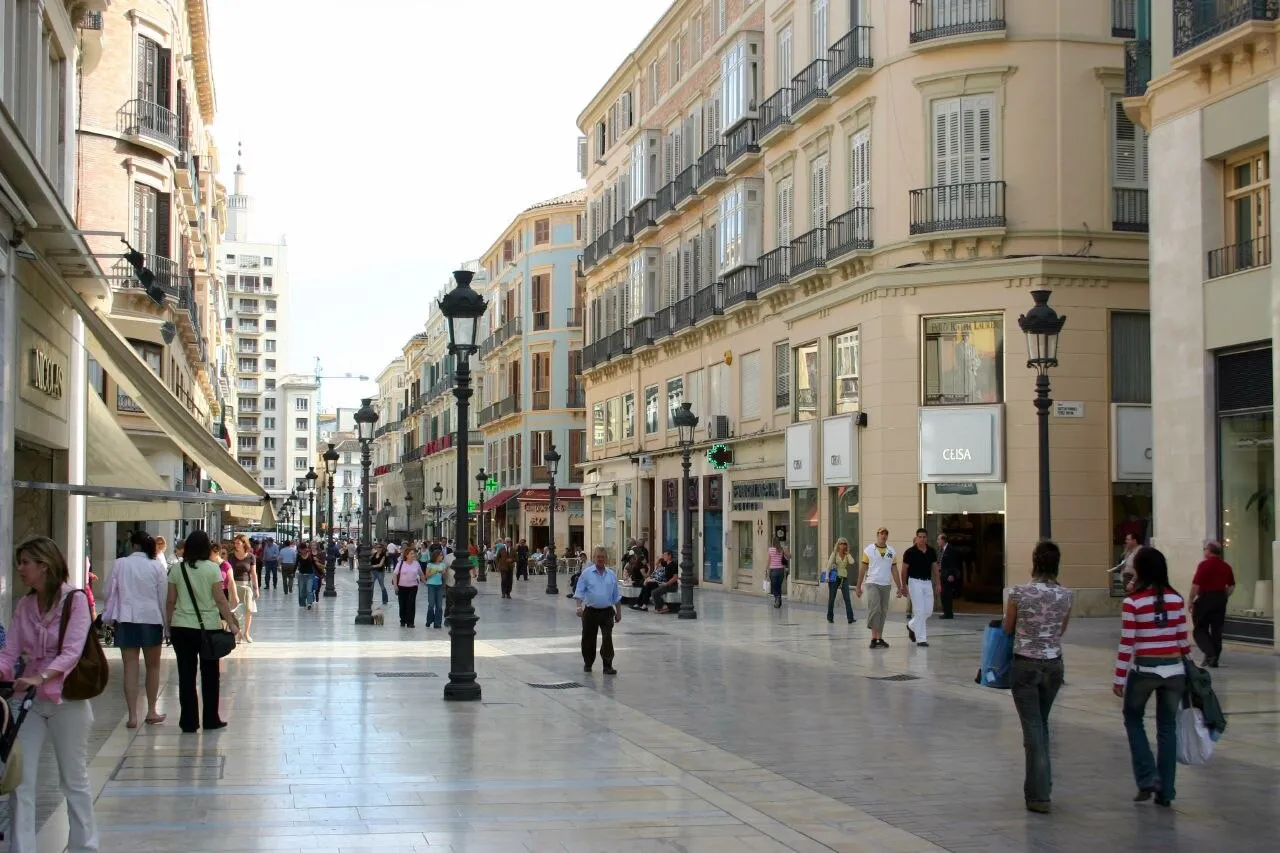
Calle Marqués de Larios is paved in veined grey marble and runs straight from the Alameda to the Plaza de la Constitución. It opened in 1891, when the memory of the 1884 Andalusia earthquake was still fresh, and that is why it was built with a metal frame, a technique that was then revolutionising architecture in the United States.
That is where its two unmistakable features come from: the rounded corners at every junction and the almost obsessive regularity of the façades, with the same height and the same rhythm of balconies along all three hundred metres. It is an Andalusian street with the skeleton of a skyscraper, and it is worth raising your eyes above the shop windows, where the glazed miradores and the corner domes are.
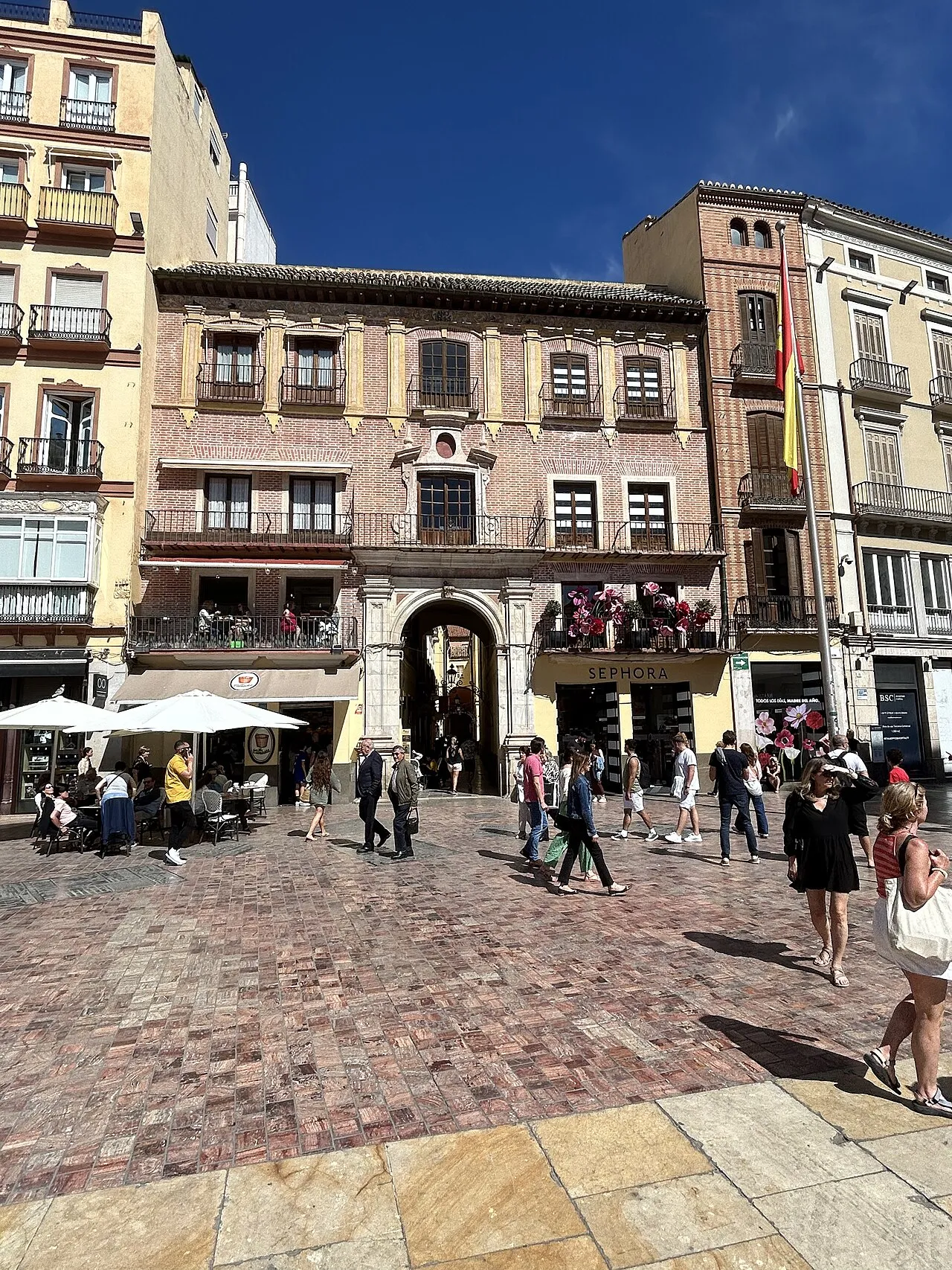
To the north it runs into the Plaza de la Constitución, for centuries the real centre of the city. And a step away, almost hidden, is the Pasaje de Chinitas, a narrow alley that was the heart of Málaga flamenco in the nineteenth century, with its legendary café cantante. Today it is a discreet passage and you have to know that this is where you go in.
The rest of the street plan works the same way: Larios is the official avenue and the good things are to the left and to the right. The Plaza de las Flores, calle Granada, the Pasaje, the Plaza del Siglo. None of them can be seen from the main street.
📍 From the Alameda to the Plaza de la Constitución
Three hundred metres of marble opened in 1891, with an iron frame and curved corners because it was designed with an eye on Chicago after the 1884 earthquake. At dusk the whole city comes out to stroll. In December the Christmas lights make it spectacular and practically impassable.
A narrow alley that was the heart of Málaga flamenco in the nineteenth century, with a café cantante that gave its name to coplas and poems. Today it is a discreet passage you walk past without noticing if nobody points it out. You go in from the square and come out the other side a minute later.
Open since 1840 and the oldest taberna in the city. There are no tables and no chairs: you drink standing at a wooden bar, with the wine casks stacked behind it and the bill chalked on the counter. Order it sweet, which is what Málaga makes, and with a tapa of mussels.
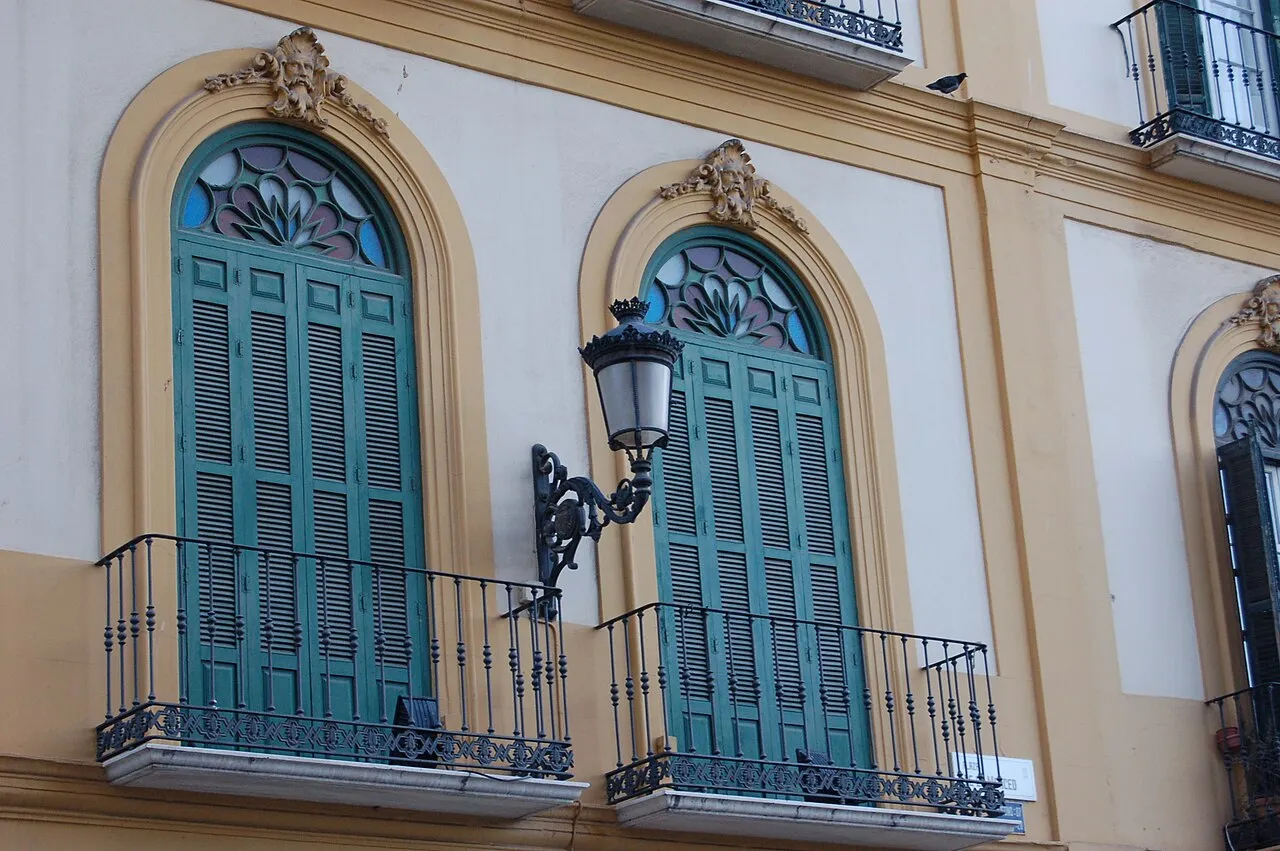
Picasso was born here in 1881, on the Plaza de la Merced, and lived in the city until he was ten. The Casa Natal, his birthplace, is in that same building, in a corner of the square where there is a statue sitting on a bench that everybody has their photograph taken with.
It is a short and uneven visit: what you see are reconstructed rooms of a bourgeois home of the period, some family material and prints. Its real interest is the context, understanding where he came from and what a child saw from those windows, not the quality of what is on display.
The big museum is five minutes away, in the Palacio de Buenavista, a sixteenth-century building with a Renaissance courtyard. It opened in 2003 and fired the starting gun for the Málaga of museums: the collection comes in good part from the artist's own family, and covers his whole career without concentrating on the most famous works.
A detail almost nobody knows: in the museum basement there are Phoenician and Roman remains that turned up during the restoration works. They are included in the visit and people tiptoe past them, but they are the oldest trace of the city that can be seen under a roof.
4
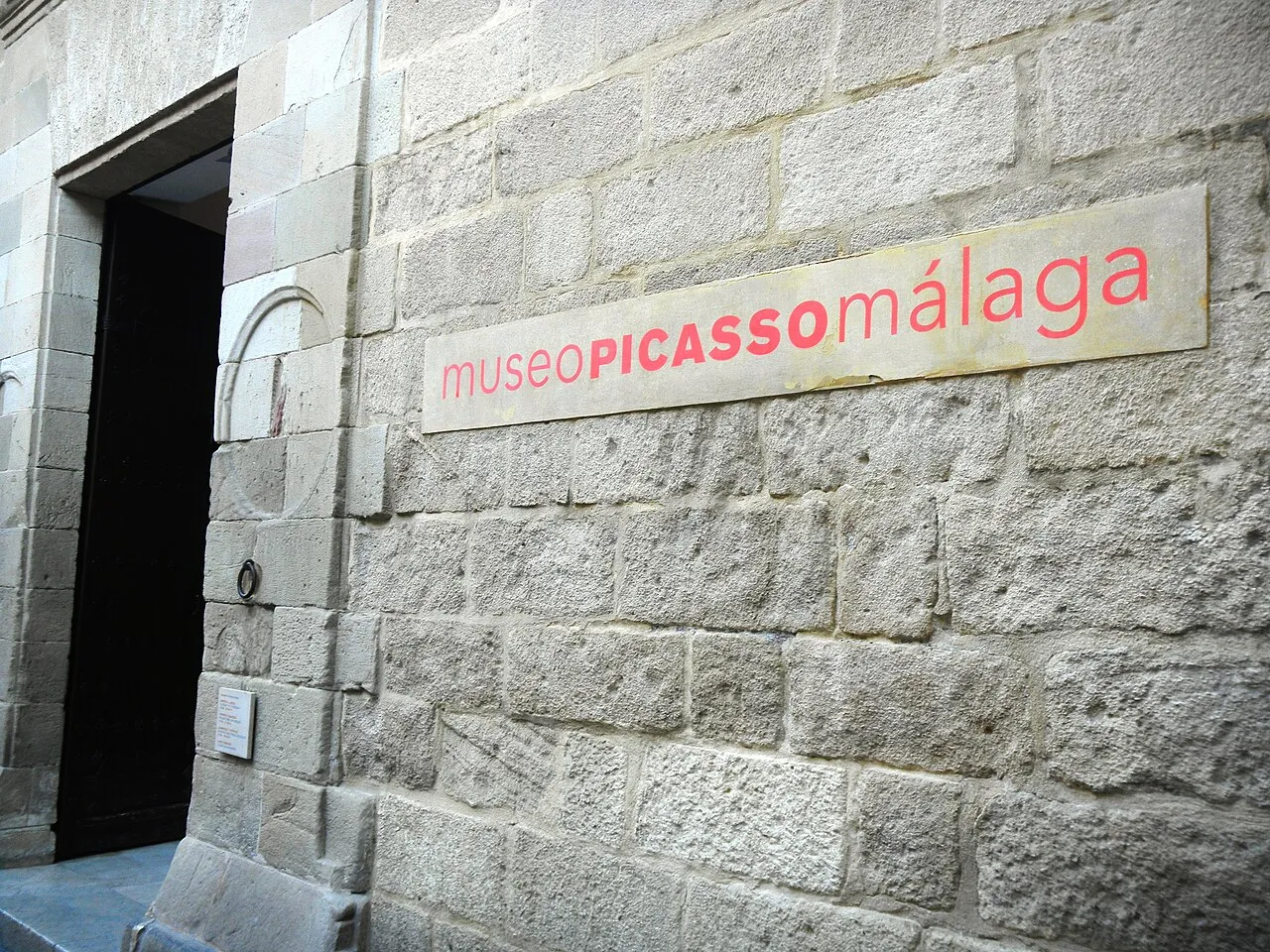
Museo Picasso Málaga
📍 Palacio de Buenavista, calle San Agustín, 8
A sixteenth-century palace with a Renaissance courtyard, opened as a museum in 2003. The collection comes largely from the painter's family and runs through his whole career. In the basement, Phoenician and Roman remains that turned up during the works, included in the ticket and hardly noticed by anyone.
The building where he was born in 1881 and where he spent his first years, today with reconstructed rooms of a bourgeois home of the period and family material. A short visit. It is worth it above all for the context and for the square, one of the most pleasant in the centre.
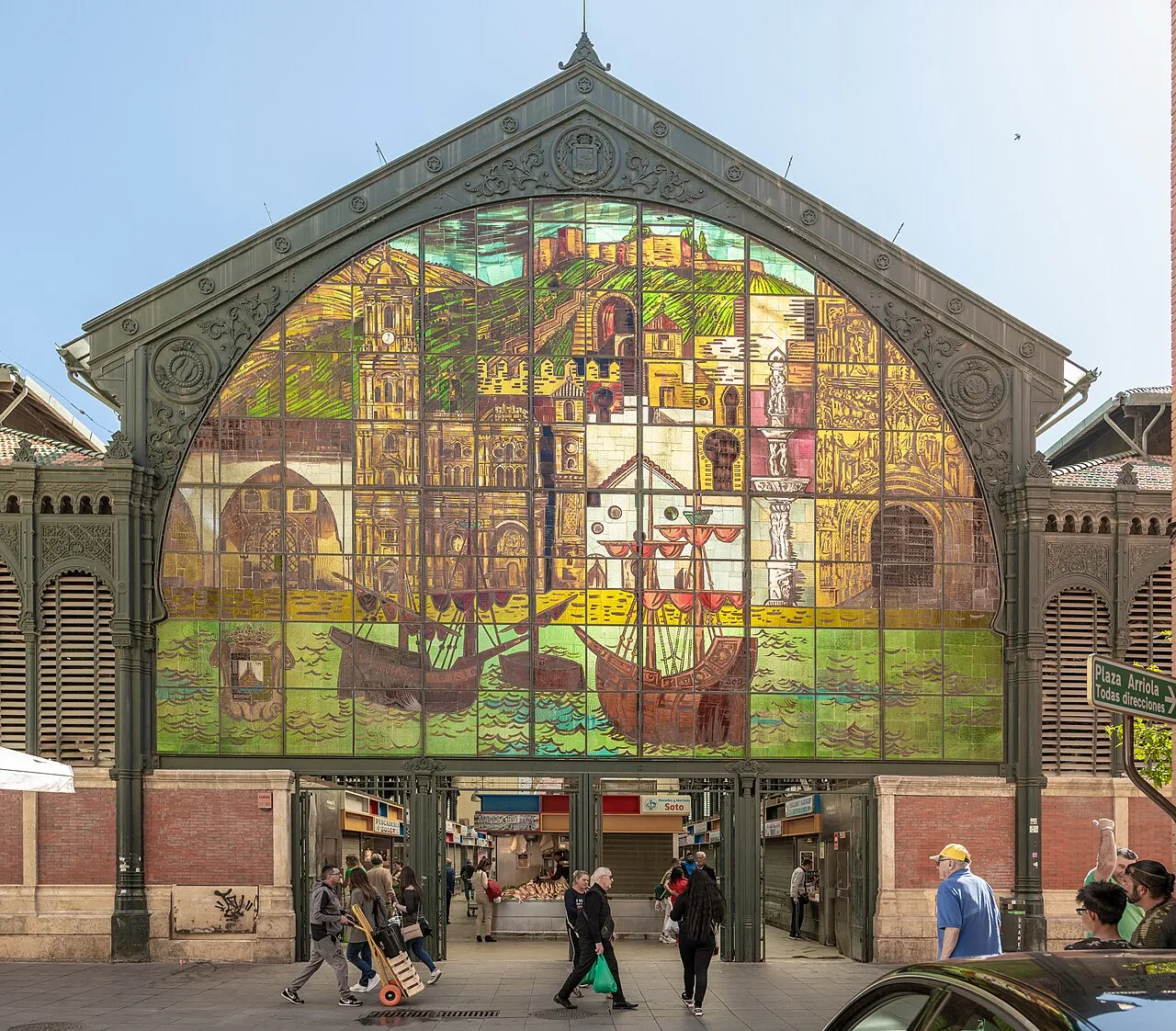
The Mercado Central de Atarazanas closes off the old town to the west and it is the stop most people skip, trusting that a market is always just a market. This one has something no other has: set into its main façade there is a fourteenth-century horseshoe-arch gateway, what is left of the Nasrid atarazanas, the shipyards that stood here when the sea reached this point.
The name says it: atarazana comes from Arabic and means house where ships are built. That the sea is now a fifteen-minute walk away gives you the measure of how much land Málaga has taken from the water since then.
The present building is iron and glass, from the end of the nineteenth century, and it was signed by Joaquín Rucoba, the same architect as the bullring. On the end wall there is a large stained-glass window with views of the old city, worth looking at from inside, against the light. The fish stalls are at the back and several serve at the counter at midday.
From here the centre ends and two routes begin: cross the Alameda towards the Soho or go down to the port, five minutes away and where any Málaga afternoon ends.
6
Mercado Central de Atarazanas
📍 Calle Atarazanas, 10
An iron and glass structure from the end of the nineteenth century signed by Rucoba, with a large stained-glass window at the back and a fourteenth-century Nasrid gateway set into the façade: what is left of the shipyards that occupied this site when the sea reached this far. Several stalls serve at the counter at midday.
How long does it take to see Málaga's historic centre?
The walk on its own takes a good two hours: Larios, the squares, the Pasaje de Chinitas and the market. If you add the Museo Picasso and the Casa Natal, you need a full half-day. The old town is very compact, it fits into a triangle fifteen minutes to a side, and it is all flat and pedestrian.
Is the Casa Natal de Picasso worth it as well as the museum?
It depends on your interest. The museum, in the Palacio de Buenavista, is the substantial visit and runs through the painter's whole career. The Casa Natal is a short visit with reconstructed rooms and family material: its value is in the context and in the square, not in the works. If time is short, the museum.
What is special about the Mercado de Atarazanas?
Set into its main façade there is a fourteenth-century horseshoe-arch gateway, what is left of the Nasrid atarazanas, the shipyards that occupied this place when the sea reached this far. The present building, iron and glass, is from the end of the nineteenth century and was signed by the same architect as the bullring.
Where do you drink the sweet wine typical of Málaga?
At the Antigua Casa de Guardia, on the Alameda Principal, open since 1840. There are no tables: you drink standing at the bar, the wine comes out of the casks stacked behind it and the bill is chalked on the wood. Ask for a sweet one, which is what defines Málaga, with a tapa of mussels alongside.
When is calle Larios at its liveliest?
At dusk, when the city comes out for what is called here the paseo. At midday in summer it is an oven with no shade. In December, the Christmas lights build a roof of light over the whole street with timed shows set to music and draw people from half of Spain: it is spectacular and practically impassable.
Can you cover it all without public transport?
Yes, with no difficulty at all. The historic centre is completely pedestrian and flat, and from any point you can walk to the port in five minutes and to the entrance of the Alcazaba in ten. You only need buses to go up to Gibralfaro and to reach the fishermen's neighbourhoods to the east.
Practical information
WhereThe triangle between the Alameda, the Plaza de la Merced and the Mercado de Atarazanas.
DurationHalf a day with the two Picasso sites; two hours for the walk alone.
Getting aroundAll pedestrian and flat. No transport needed on any stretch.
MarketCloses in mid-afternoon and does not open on Sundays. Fish counter at the back at midday.
Best timeDusk for Larios, when the city comes out to stroll.
Watch outThe marble on Larios is very slippery in the rain.
🎧 With Viavoy
Walk Málaga and listen at your own pace
Download Viavoy and walk Málaga offline, whenever you like.