Barcelona in 2 days: the itinerary that actually works
One day for the whole old town and another for Modernisme and the sea, with real timings, what to book before leaving home and where to eat without paying the tourist tax.
Two days in Barcelona give you far more than it seems, as long as you avoid the classic mistake: trying to cross the city several times a day. Barcelona is organised in horizontal layers — the Eixample above, the old town in the middle, the sea below — and the itinerary that works respects that geography. One day for the whole historic centre, done on foot and without transport; another for Modernisme and the coast. What follows is that plan, with real timings and no padding.
Book the Sagrada Família before anything else. It is the most visited monument in Spain and its time slots sell out weeks in advance; the whole second day is organised around that hour.
Day 1, morning: the Gòtic and the Roman wall
Two thousand years in one square kilometre.
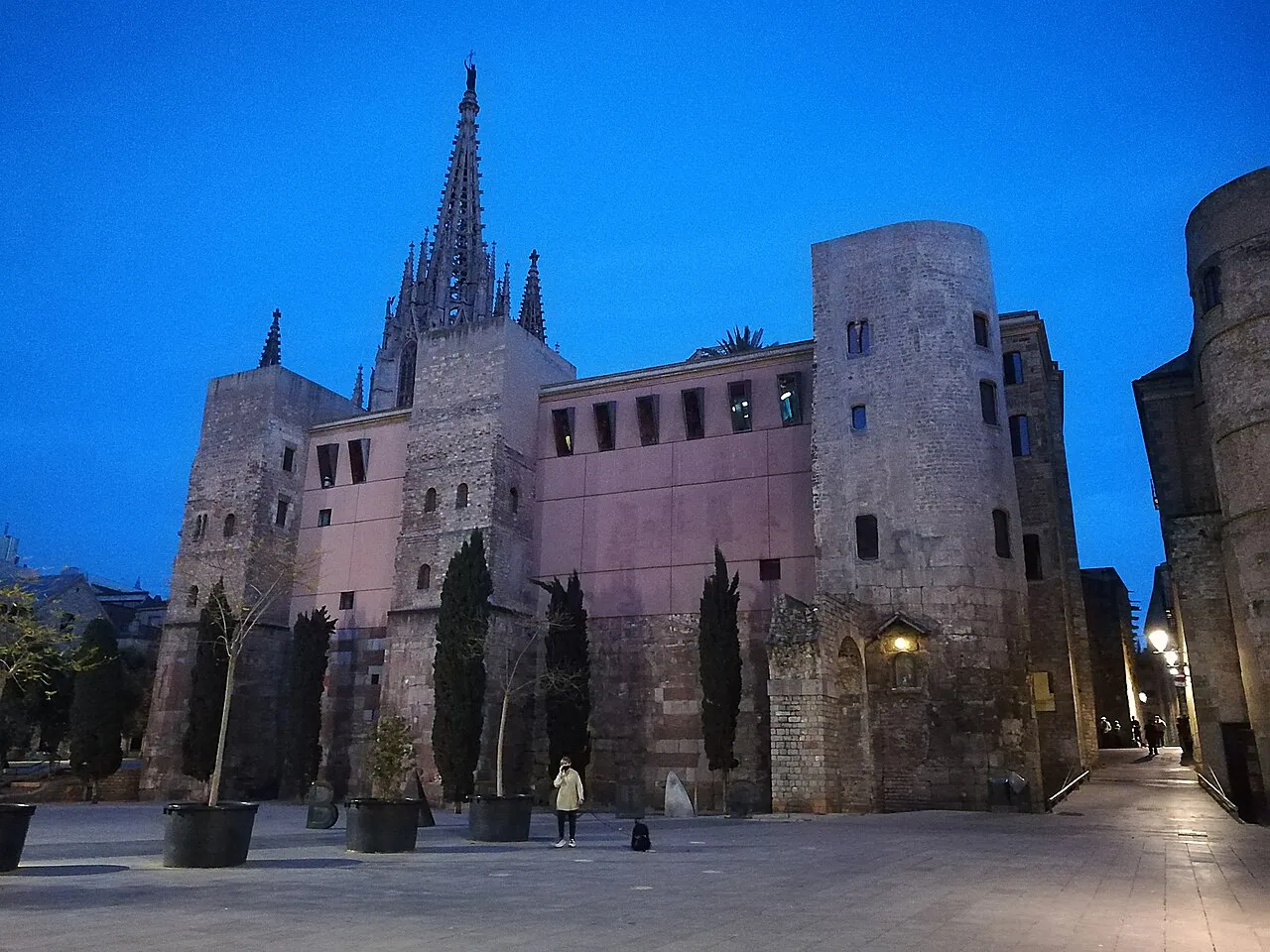
Start in the Plaça Nova first thing, before ten, when you can still hear the echo of your own footsteps. The two round towers you will see are Roman, from the fourth century, and marked the entrance to Barcino. Look at the base: there are funerary slabs reused as filler, because the wall was raised in a hurry and with whatever was to hand.
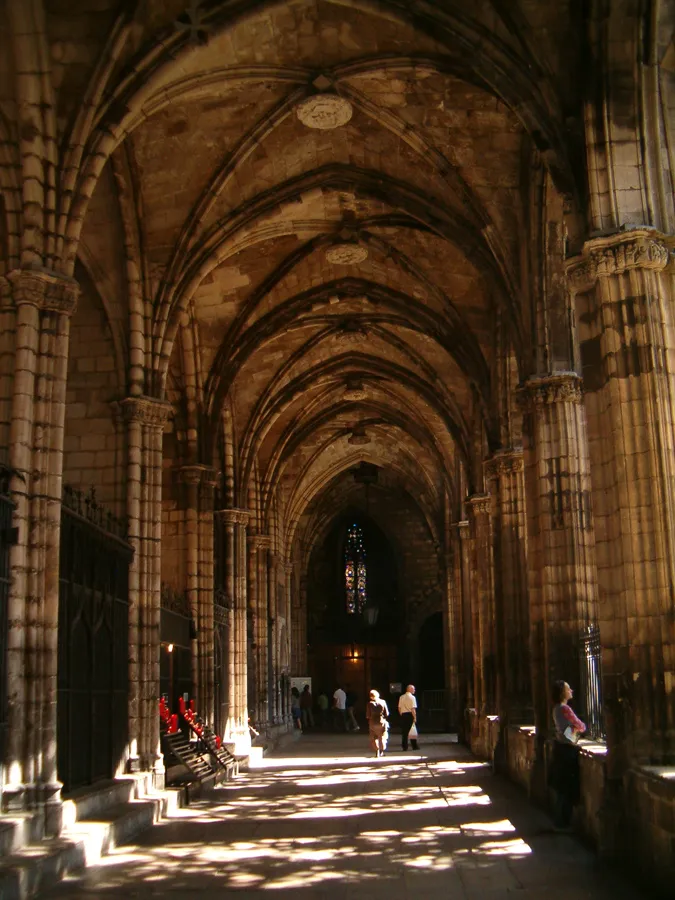
From there, the Cathedral. The fact that its Gothic façade dates from the early twentieth century takes nothing away from it: what you need to see is behind, in the cloister, with the thirteen white geese and the crypt of Santa Eulàlia. And if the weather is kind, take the lift up to the roof terrace, which almost nobody includes in their visit.
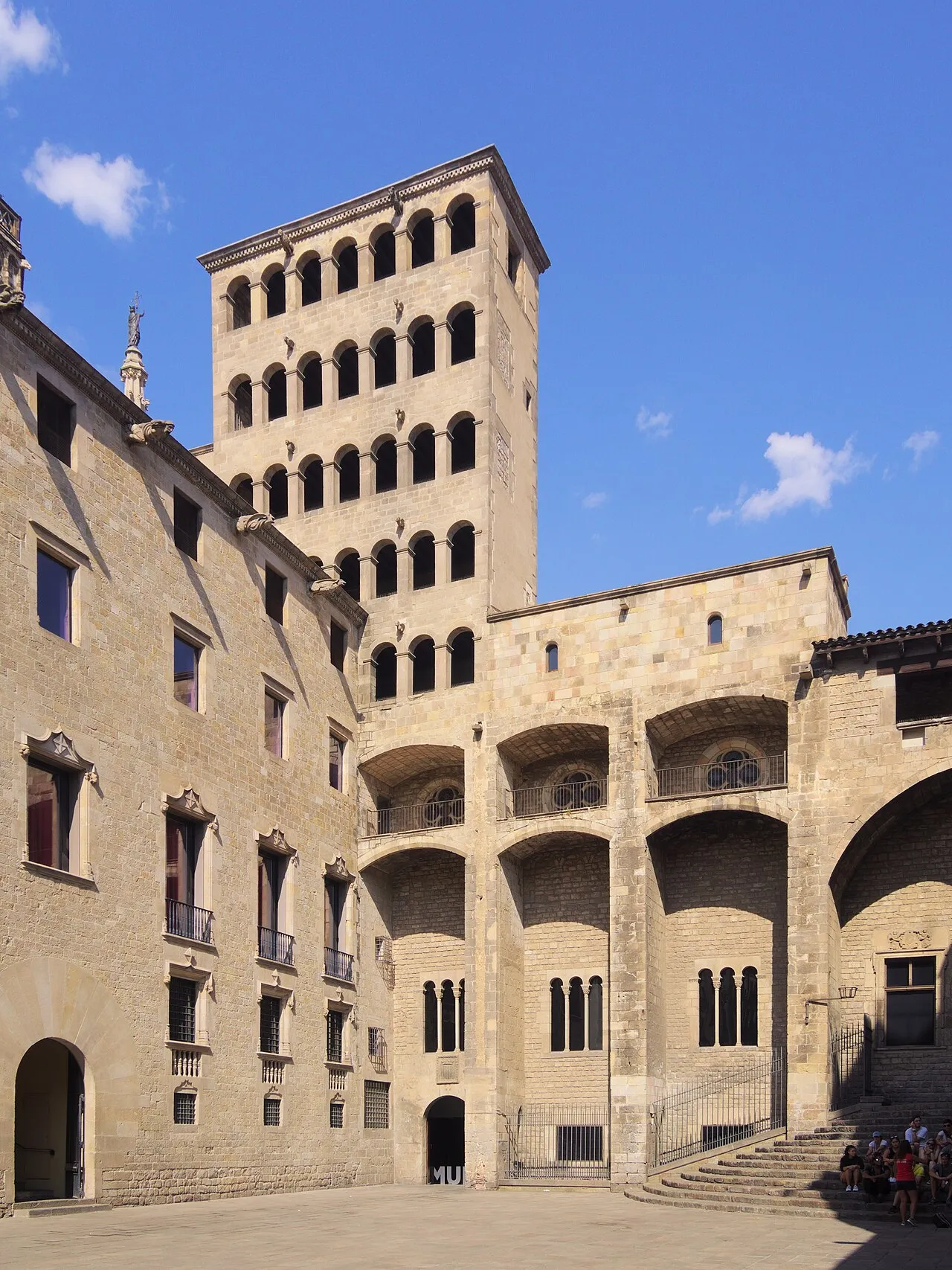
Then wander with no plan. The Carrer del Bisbe with its neo-Gothic bridge — built in 1928, not in the Middle Ages, even though it appears in every photo as if it were — the Plaça de Sant Felip Neri with the shrapnel marks from the 1938 bombing on the church façade, the Temple d'August hidden in a courtyard on Carrer Paradís, and the Plaça del Rei with the Saló del Tinell, where the Catholic Monarchs received Columbus in 1493.
Close the morning in the Plaça de Sant Jaume, with the City Hall and the Palau de la Generalitat facing each other, and head down towards the Call, the medieval Jewish Quarter, which is still the quietest corner of the neighbourhood.
Two fourth-century towers flanking the main gate of Barcino, the Roman city you could cross entirely in a twenty-minute walk. At the base there are funerary blocks reused as filler: the city sealed the names of its dead inside its own defences. Opposite, the frieze of the Col·legi d'Arquitectes was drawn by Picasso from France, without ever returning to Spain.
La Seu had its church finished in the fifteenth century and its façade in 1913: four hundred years without a face. The memorable part is behind, in a cloister with palm trees, a fountain and thirteen live white geese, thirteen for the thirteen years of Santa Eulàlia, whose tomb is in the crypt. There is a lift to the roof terrace and up there is almost never anyone.
The best-preserved medieval ensemble in the city and the setting where the Catholic Monarchs received Columbus in 1493. Beneath the square is the MUHBA, with four thousand square metres of streets, dye works and a garum factory from Roman Barcino: it is the most impressive underground visit in Barcelona and one of the least crowded.
Download the app and discover Barcelona offline, whenever you like. Take the walking tour The Gothic Quarter and the Cathedral with a local guide in your ear.
Day 1, afternoon: the Born, and why it is so charged
Cross the Via Laietana — an avenue hacked open in 1908 through the medieval fabric, taking hundreds of houses with it — and enter the Born. The change is immediate: narrower streets, fewer groups, more neighbourhood life.
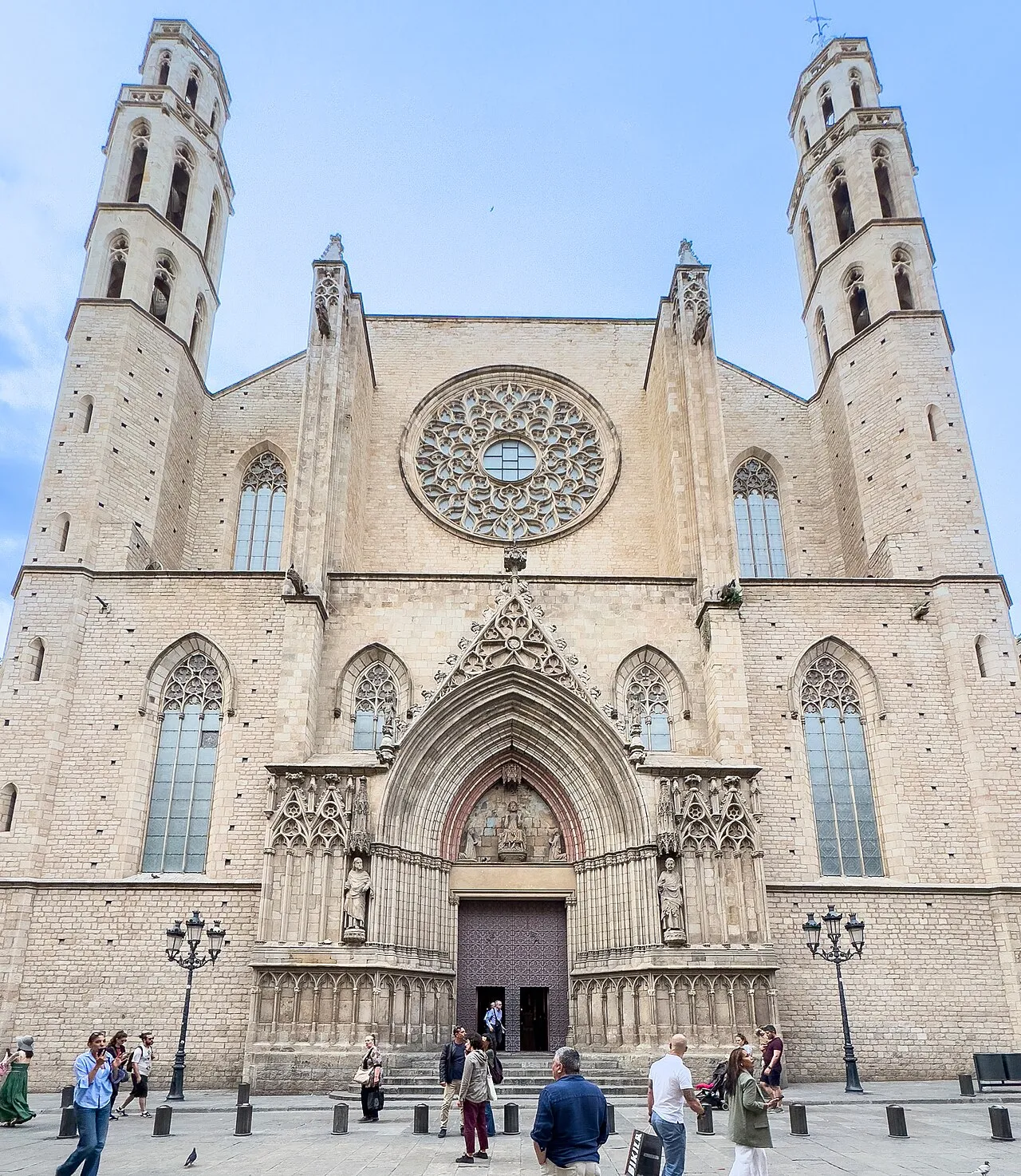
The order that makes sense of this neighbourhood is chronological and the reverse of its fame. First Santa Maria del Mar, the basilica the neighbourhood itself raised between 1329 and 1384 and which impresses for a technical reason: thirteen metres between columns, the widest span in all of European Gothic, turning the interior into something like a forest.
Right next door, the Fossar de les Moreres, with its permanent flame over the cemetery of those who fell in the siege of 1714. And three minutes away, El Born Centre de Cultura i Memòria, where you see the excavated streets and houses of the neighbourhood that Philip V's troops razed after that siege. Three stops and a single story, told backwards.
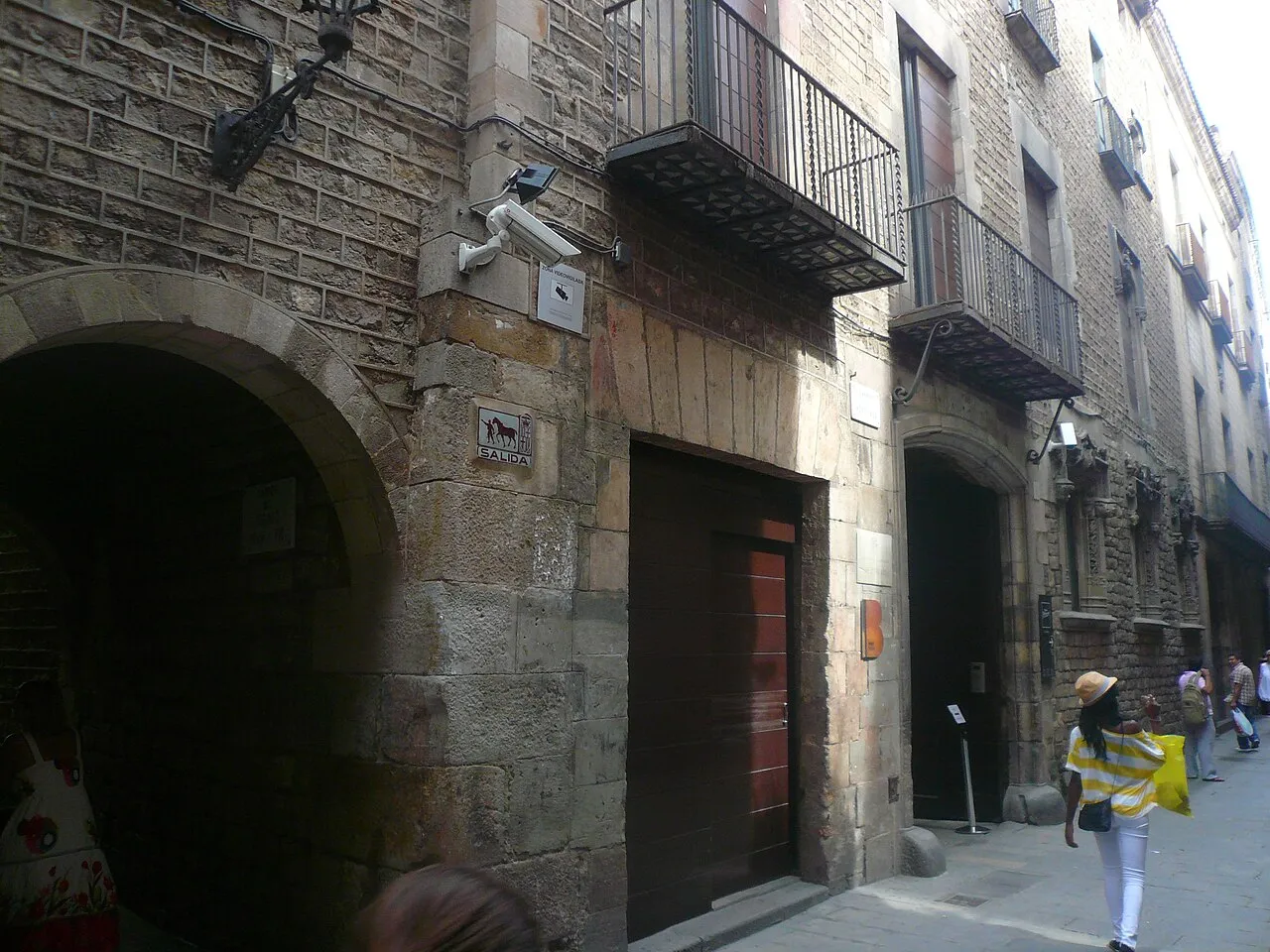
Leave the Carrer de Montcada and the Museu Picasso for last. The street is a parade of Gothic palaces with open courtyards you can look into for free; the museum, the world's best collection on the Picasso who was still learning. And for dinner, the inner streets of the neighbourhood, not the Passeig del Born.
The summit of Catalan Gothic, built in fifty-five years, which gives it a rare unity of style. The neighbourhood raised it: the bastaixos, the port's dockers, carried the stones on their shoulders from Montjuïc and appear carved on the bronze doors. In 1936 it burned for eleven days, and the fire took all the added Baroque with it: today's bare Gothic is partly the work of the blaze.
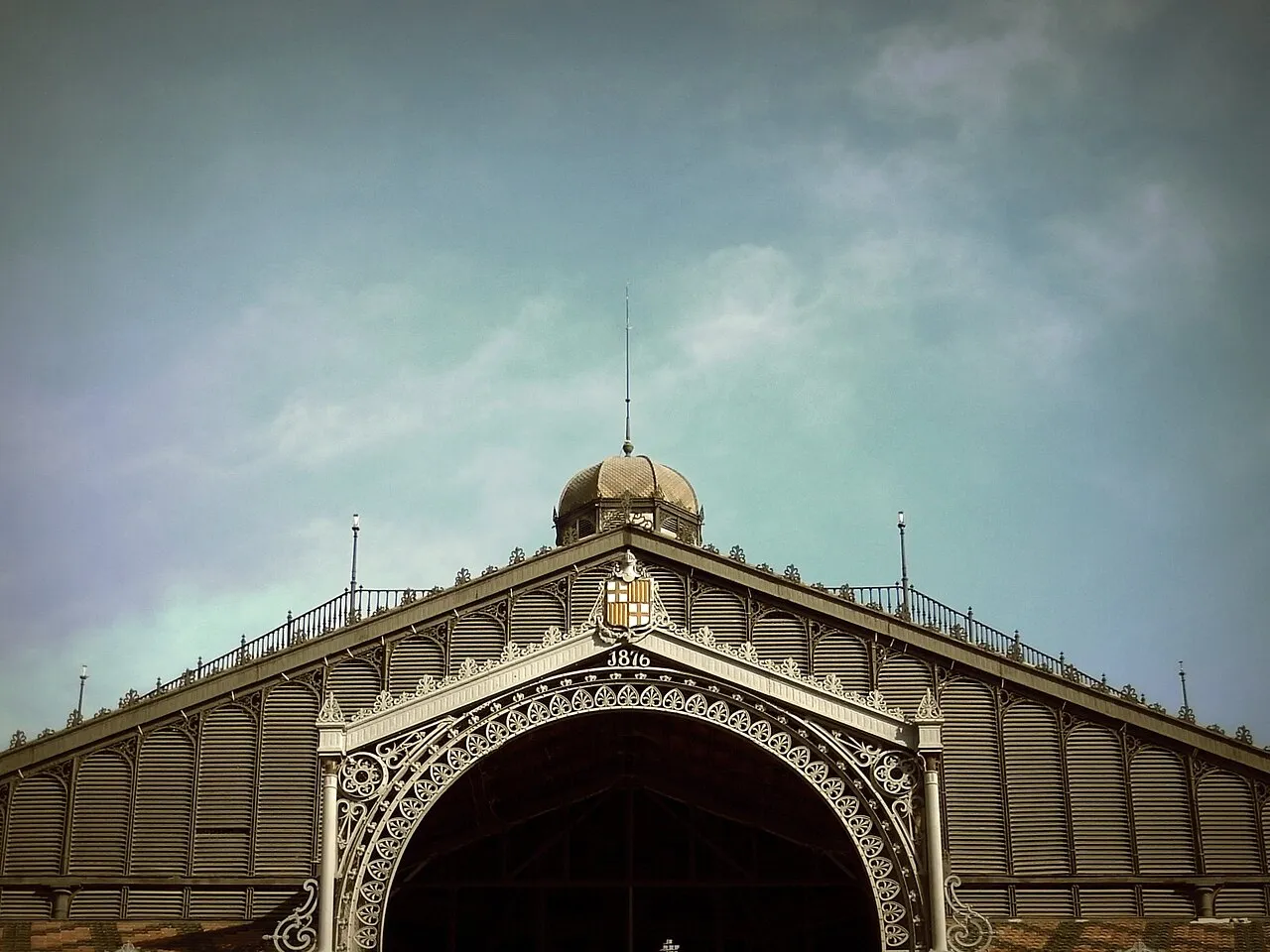
Eight thousand square metres of roofless neighbourhood from 1700, beneath an iron hall from 1876. They appeared by accident while digging to build a library, and they are the houses Philip V razed after the siege of 1714 to build a citadel. You walk through it on raised walkways. It opened on 11 September 2013: the date was no coincidence.
Five Gothic palaces and more than four thousand works centred on the painter's formative years. The key piece is “Science and Charity”, academic and perfect, finished at fifteen. Here too is the complete series of fifty-eight variations on Las Meninas, which cannot be seen together anywhere else in the world. Book online: the queues are long all year round.
Your booked slot at the Sagrada Família rules over everything else.
Organise the day around the slot you have. If it is early, start with the Sagrada Família and then head down through the Eixample; if it is in the afternoon, do it the other way round. What does not work is trying to squeeze it into the middle, because it forces you to cross the city twice.
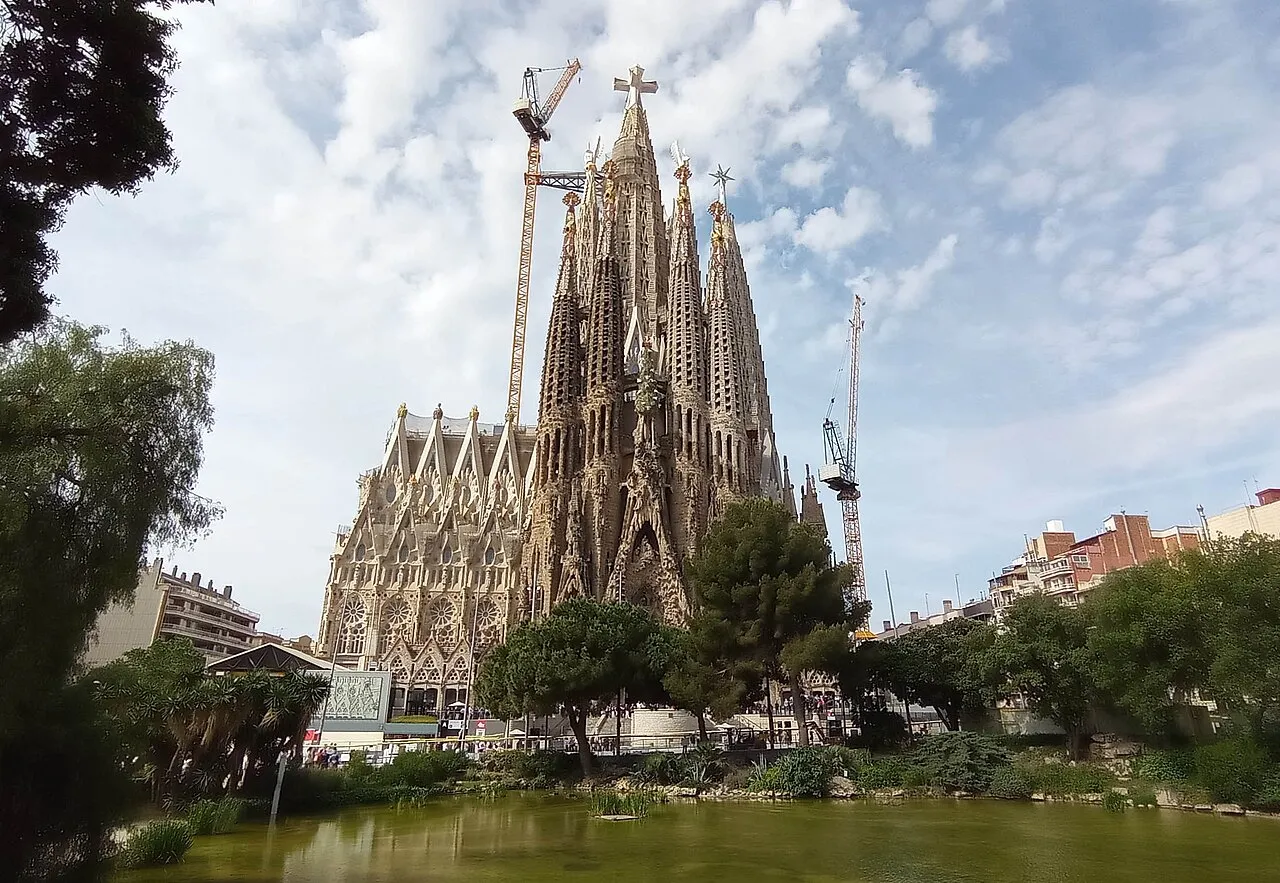
At the Sagrada Família, give real time to the Nativity façade before going in: it is the only one Gaudí left almost finished and it is sculpted centimetre by centimetre with plants, animals and figures modelled on real people from the neighbourhood. Inside, the columns branch like trees and the stained glass tints the space blue in the morning and orange in the afternoon.
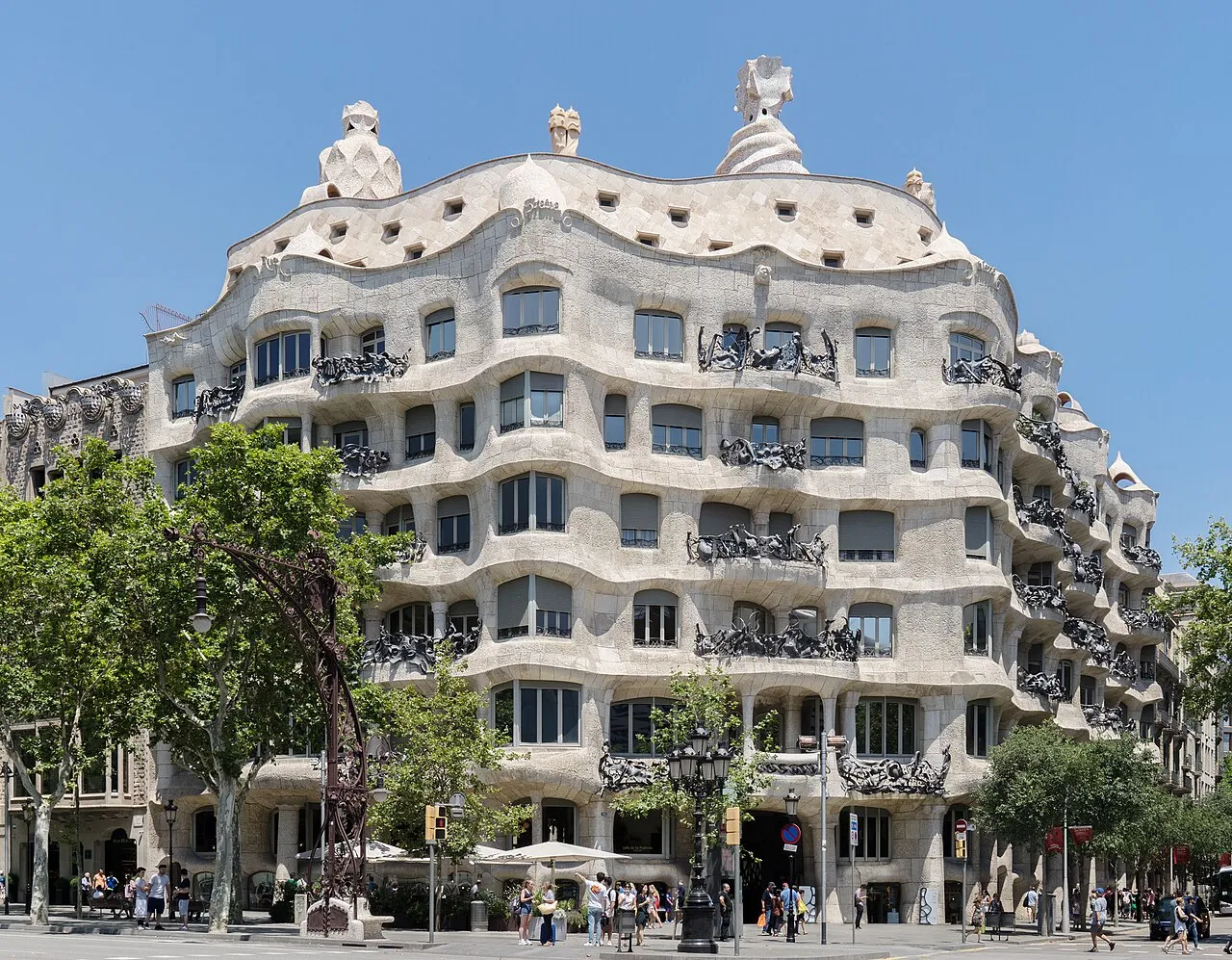
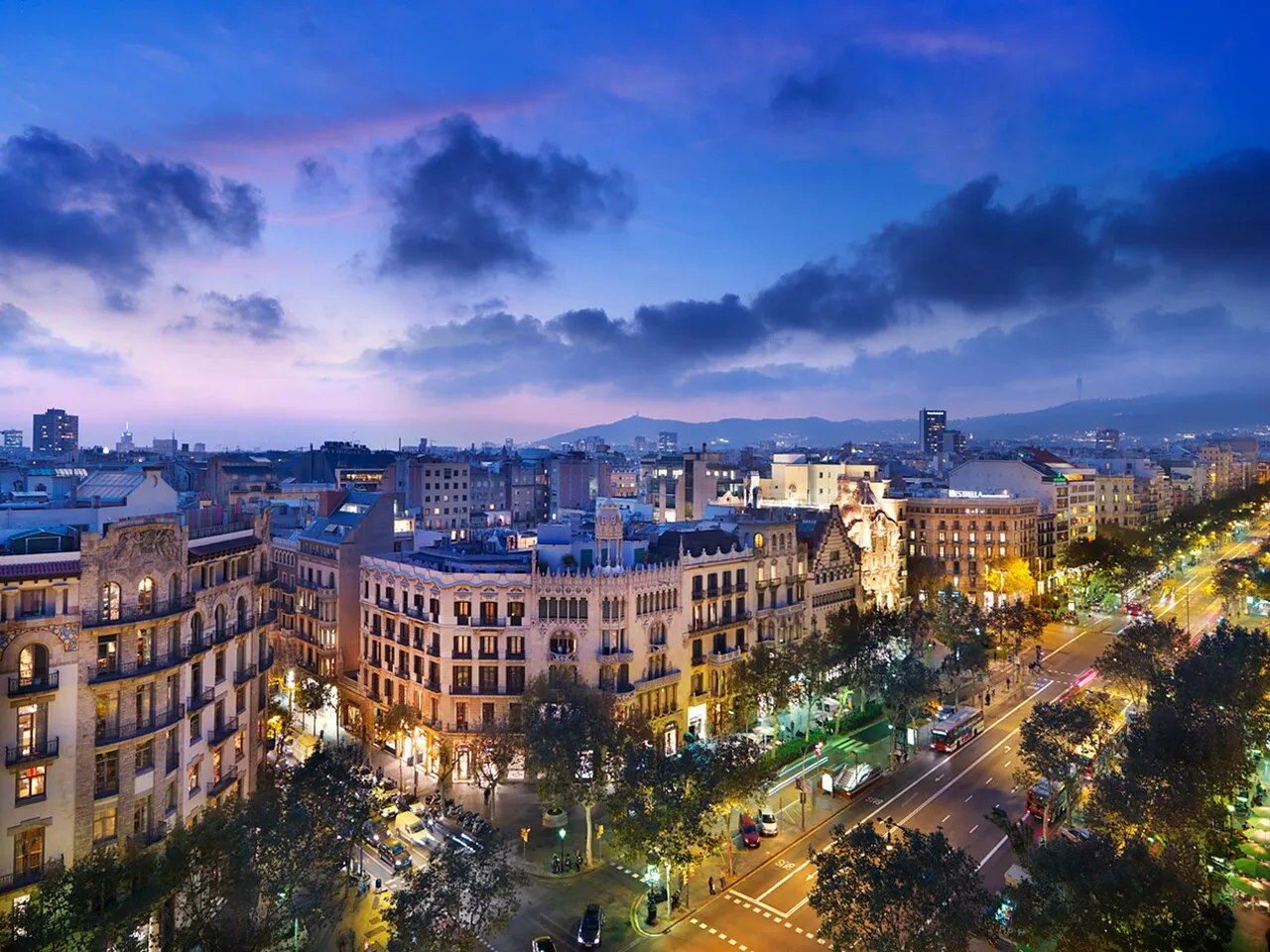
Then head down the Passeig de Gràcia. The so-called Illa de la Discòrdia concentrates in a single block the Casa Lleó Morera, the Casa Amatller and the Casa Batlló, three works by three rival architects built almost at the same time. And a few metres further up, La Pedrera, with its rooftop of warrior-chimneys and its attic of two hundred and seventy arches.
If you have half an hour to spare, carry on to the Diagonal to see the Palau Baró de Quadras and the Casa de les Punxes, both by Puig i Cadafalch. They are proof that Catalan Modernisme was not only Gaudí.
One hundred and forty-four years of building work and it is still growing, funded solely by donations and tickets. Gaudí gave it forty-three years and died in 1926 after being hit by a tram, so shabbily dressed that he was taken for a beggar and nobody would help him. He is buried in the crypt. The central tower, 172.5 metres high and completed in 2026, stays deliberately lower than Montjuïc.
Gaudí's last civil work, finished in 1912 and christened with a mocking nickname: “the quarry”. It has no load-bearing walls, so the stone façade hangs like a skin and the interior walls could be moved: an open plan in 1906. You pay for the rooftop of chimneys and for the attic, with 270 brick arches that look like a whale's ribcage.
📍 Passeig de Gràcia, between Consell de Cent and Aragó
Three Modernista houses by three rival architects on the same block: the Lleó Morera by Domènech i Montaner, the Amatller by Puig i Cadafalch and the Batlló by Gaudí. They were built almost at the same time, in open competition, hence the nickname. Looking at them one after another, from the pavement opposite, is the best lesson in Catalan Modernisme you can get for free.
Head down to the Port Vell and walk. The stroll from the Mirador de Colom to the Barceloneta is flat, takes fifteen minutes and shows you how the city reclaimed its seafront: until the eighties, someone from the centre of Barcelona could not reach the sea on a walk because there were factories, warehouses and a railway line in the way.
Go up to the terrace of the Palau de Mar, which is free and almost nobody uses: from there you see the whole port and the rooftops of the Barceloneta with the sea behind. It is the best free view of the seafront.
Then get into the grid of the Barceloneta, which dates from 1753 and was the city's first planned urban development, built to rehouse the families expelled from the Born. Eat in the inner streets — bombas, fried fish, vermut — and not on the seafront promenade, where the same thing costs twice as much.
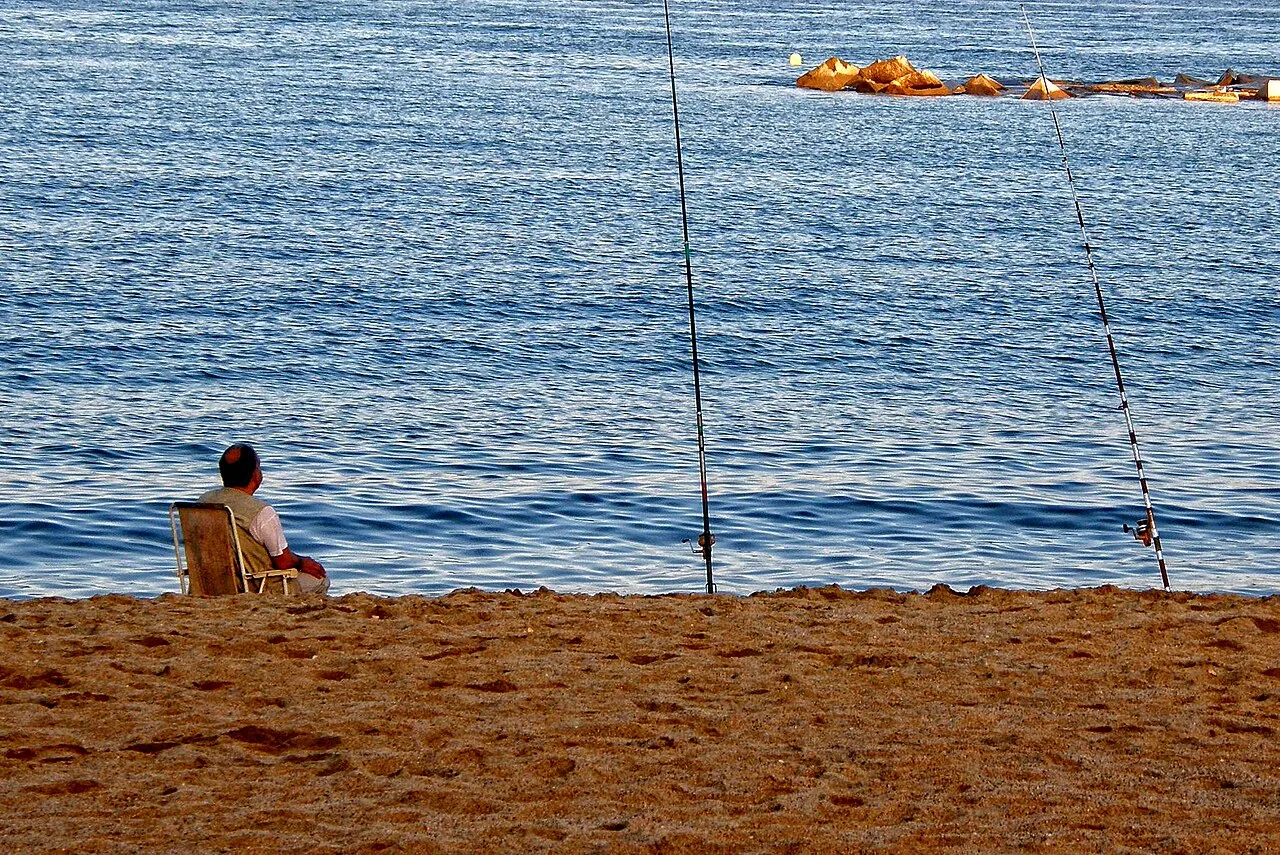
And end on the beach at sunset. No need to swim: it is enough to understand that this sand did not exist before 1992 and that beneath it there was a shanty town, the Somorrostro, where Carmen Amaya was born. Barcelona changed course in three decades and this is what you can see of it.
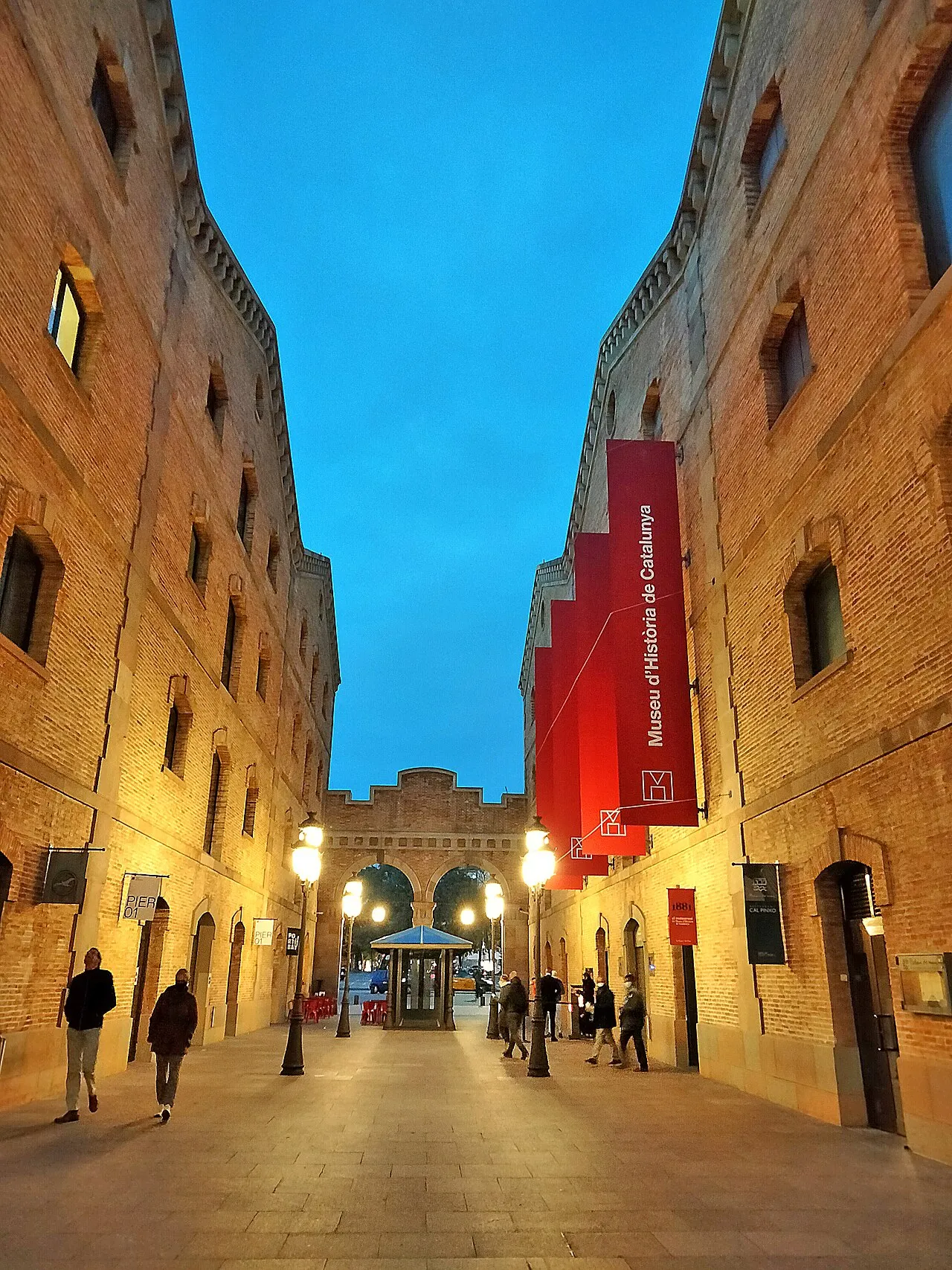
The only survivor of the row of port warehouses that occupied this quay a century ago. Inside is the Museu d'Història de Catalunya, with full-scale reproductions of a shanty, an air-raid shelter and a tram. Upstairs, a public, free terrace with the best free view of the Port Vell and the rooftops of the Barceloneta.
It did not exist before 1992: here there were factories, railway tracks and the Somorrostro, a shanty town where thousands of people lived and where Carmen Amaya was born. The sand was brought in from elsewhere and the breakwaters hold it in place. Facing the water, Rebecca Horn's iron cubes pay homage to the chiringuitos, the beach bars the same redevelopment had just demolished.
The essentials, yes, as long as you organise by area and not by wish list. One full day covers the whole old town — Gòtic, Born and Raval, three neighbourhoods side by side that are done on foot — and the second gives you the Modernisme of the Eixample in the morning and the sea in the afternoon. What does not fit into two days is Park Güell, Montjuïc and the neighbourhoods outside the centre: for those you need a third day.
What do you need to book in advance in Barcelona?
The Sagrada Família, without exception and weeks ahead: it is the most visited monument in Spain and works by time slots that sell out. Park Güell, the Casa Batlló and La Pedrera also sell by the hour and are best booked days ahead. The Museu Picasso builds up long queues all year round. On the other hand, the Cathedral, Santa Maria del Mar, the Born CCM and practically the whole old town can be done as you go.
What is the best order to see Barcelona?
The one that respects the city's geography, which is organised in horizontal layers. First the whole old town, done on foot and without transport: Gòtic in the morning, Born in the afternoon. Then the Modernista Eixample, conditioned by the time you have booked at the Sagrada Família. And finally the sea, heading down from the Mirador de Colom to the beach. Crossing the city several times a day is the mistake that costs the most time.
Where to eat in Barcelona without falling into tourist traps?
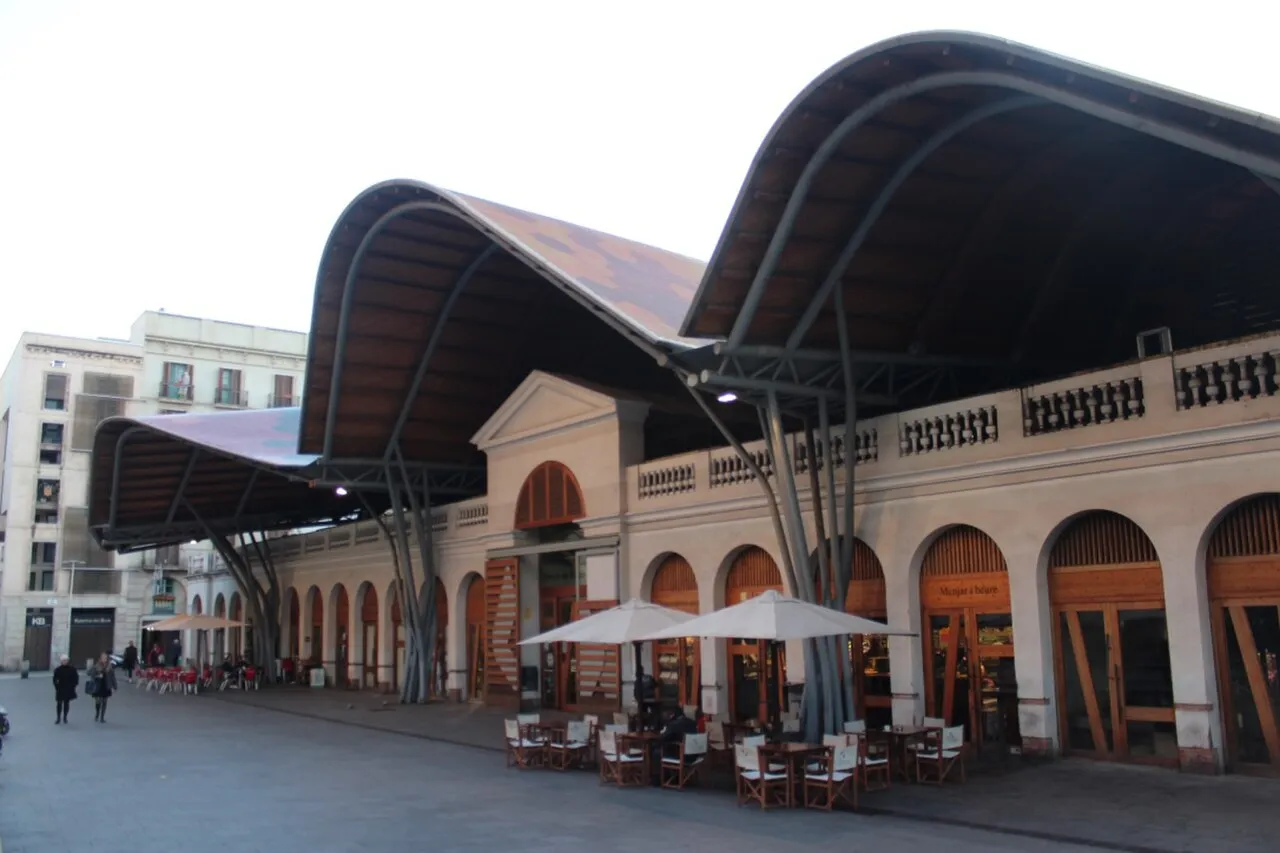
The rule is simple: move two streets away from anywhere famous. In the centre, the Mercat de Santa Caterina has excellent counters at half the price of the Boqueria. In the Barceloneta, the inner streets instead of the seafront promenade. And if you can travel a little, the Sant Antoni neighbourhood and Gràcia are where the city eats. Avoid in particular the terraces of La Rambla, the Passeig del Born and the beachfront.
Is Barcelona a safe city?
Yes, with low levels of violence, but it has a real and well-documented pickpocketing problem, concentrated on La Rambla, in the metro, on the beach and in the tourist crowds. That is no reason to go around afraid, but it is a reason to use common sense: backpack on your front in the metro, no phones in your back pocket and never leave your things unattended on the sand while you swim.
Is the Barcelona Card or a tourist pass worth it?
It depends on how many museums you are really going to see. The passes include unlimited transport and entry to quite a few museums, but not to the Sagrada Família or the Casa Batlló, which are the expensive tickets. If your plan is two days with two or three big visits, it usually works out better to buy individual tickets and a ten-journey T-casual metro card. If you are going to chain museums together, then yes, it pays off.
The mistakes that keep being repeated
Crossing the city several times a day. It is the slip that costs the most time: Barcelona is in layers and the itinerary must respect them. Going down from the Eixample to the sea and back up twice means losing a good hour on the metro.
Eating on La Rambla or on the seafront promenade. It is expensive, it is worse and there is no need: two streets away from either there are neighbourhood bars. The Mercat de Santa Caterina, the inner streets of the Barceloneta and the Sant Antoni neighbourhood sort out any meal.
Not booking. The Sagrada Família, Park Güell, the Casa Batlló and La Pedrera sell by time slot and sell out. Buying them on arrival at the door is, in high season, throwing the day away.
And being careless with your wallet. Barcelona is a safe city, but it has a real and well-documented pickpocketing problem on La Rambla, in the metro and on the beach. There is no need to go around afraid; you do need to wear your backpack on your front in crowds and leave nothing on the sand while you swim.
Practical information
DurationTwo full days. Day 1 the whole old town on foot; day 2 the Eixample and the sea.
BookingSagrada Família weeks in advance. La Pedrera, Casa Batlló and Park Güell days in advance.
TransportMetro with a ten-journey T-casual card. The whole old town is done on foot.
Ticket budgetSagrada Família ~26 €, La Pedrera ~28 €, Museu Picasso ~15 €. Cathedral and Santa Maria del Mar, much less.
Where to eatMercat de Santa Caterina, the inner streets of the Barceloneta, Sant Antoni and Gràcia. Never La Rambla.
SafetyPickpockets on La Rambla, in the metro and on the beach. Nothing left unattended, backpack on your front in crowds.
On the map
🎧 With Viavoy
Walk Barcelona and listen at your own pace
Download Viavoy and walk Barcelona offline, whenever you like.
from 2,99 €· one-off payment
City Pass · 9,99 €3 days, all the tours in Barcelona