Santa Cruz de Tenerife
Santa Cruz de Tenerife · What to see

What to see in Santa Cruz de Tenerife: the 15 essentials

A white wave by Calatrava, a castle buried beneath the main square, the largest Masonic temple in Spain and a botanical garden raised on the old municipal rubbish tip.

Santa Cruz is usually visited in passing, on the way to Teide or the south of the island, and that is a mistake with an easy remedy. It is a strange and very interesting Atlantic capital: it has the Calatrava building that turned it into a worldwide icon, the fortress where admiral Nelson lost an arm — buried beneath the main square and open to visitors — the largest Masonic centre that ever existed in Spain, the biggest urban garden in the Canaries and a hill of tropical palms built on top of the old rubbish dump. All of it fits into a long day, and almost none of it appears in the quick guides to the island.

The 15 must-sees

1Tenerife Auditorium

Tenerife Auditorium

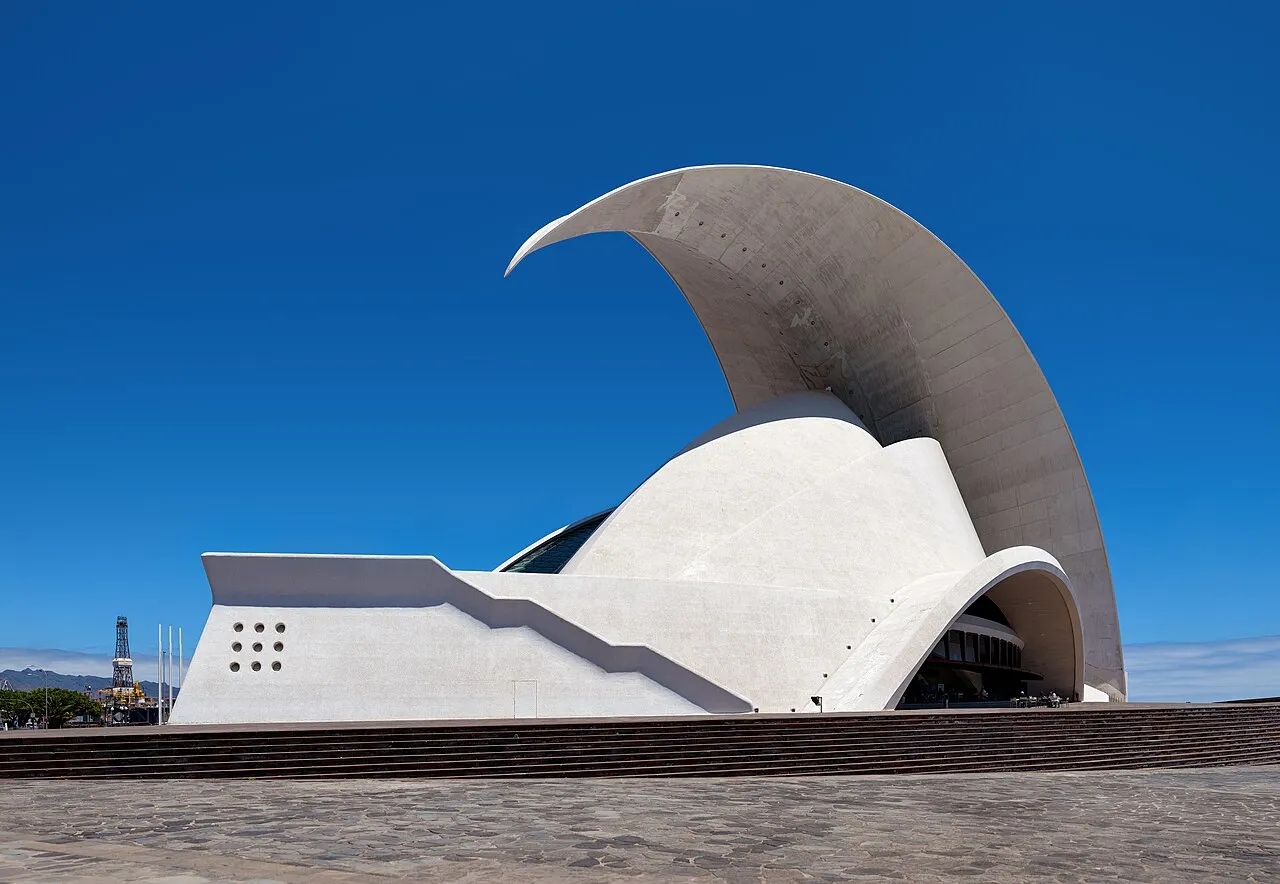
Santiago Calatrava's great white wave, which changed the way the world looks at this city. Inaugurated in 2003, it rests on only two points and is clad in trencadís, the mosaic of broken ceramic that Gaudí made popular. They call it the Sydney of the Atlantic, and it has an opera company of its own.

🎧 The Auditorium, the Palmetum and the seafront📍 View on Google Maps
2Plaza de España

Plaza de España

The largest square in the Canaries, with an artificial lake of salt water pumped from the Atlantic at its centre. It was signed in 2006 by Herzog and de Meuron, the Swiss architects of the Tate Modern. And beneath the ground you walk on sleeps the fortress that defended the port for four centuries.

🎧 Plaza de España, La Concepción and the centre📍 View on Google Maps
3San Cristóbal Castle

San Cristóbal Castle

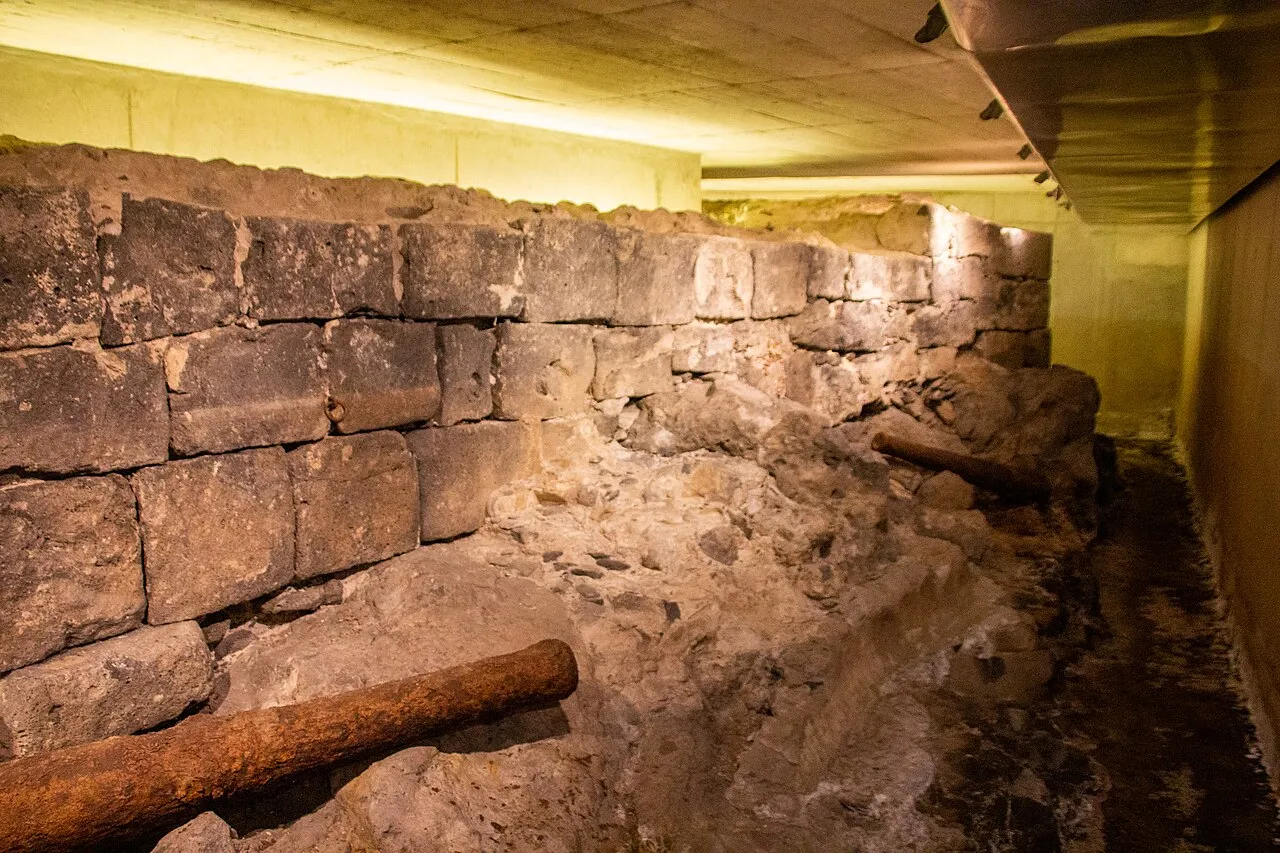
Demolished in 1928, forgotten and found again during the works of 2006: its walls of black stone are preserved today in an underground gallery beneath the Plaza de España. Inside is El Tigre, the cannon that according to tradition tore off admiral Nelson's right arm in 1797.

🎧 Plaza de España, La Concepción and the centre📍 View on Google Maps
4García Sanabria Park

García Sanabria Park

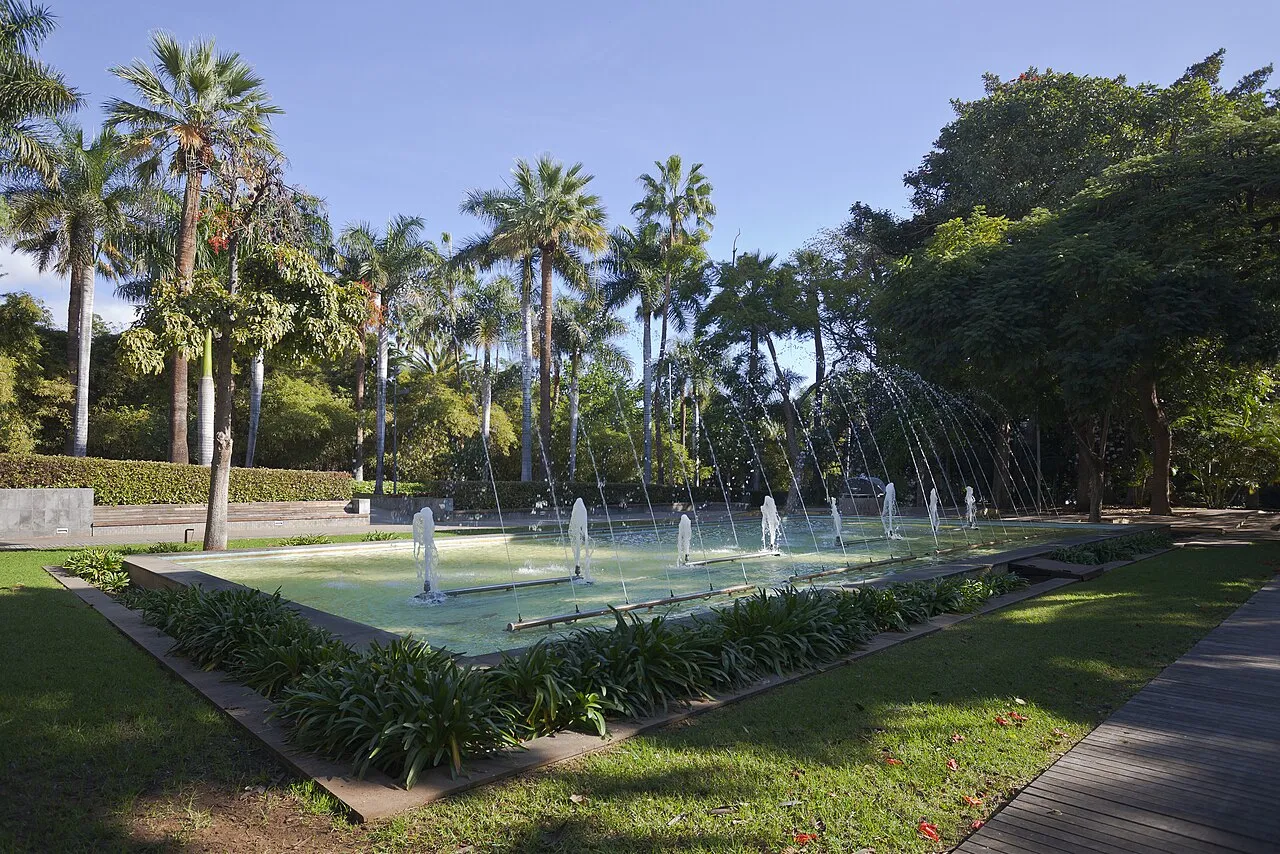
The largest urban garden in all the Canary Islands: more than sixty-seven thousand square metres inaugurated in 1926. Dragon trees, palms and tropical species that in continental Europe are only seen in a greenhouse, here in the open air. And avant-garde sculpture scattered among the trees.

🎧 García Sanabria Park and the África Market📍 View on Google Maps
5Church of La Concepción

Church of La Concepción

The mother church of the city, with the tallest tower in the capital, finished in 1786. It holds the Cruz de la Conquista that Alonso Fernández de Lugo planted on the beach on 3 May 1494 — the name of Santa Cruz comes from it — and the flags seized from Nelson's troops.

🎧 Plaza de España, La Concepción and the centre📍 View on Google Maps
6Palmetum of Santa Cruz

Palmetum of Santa Cruz

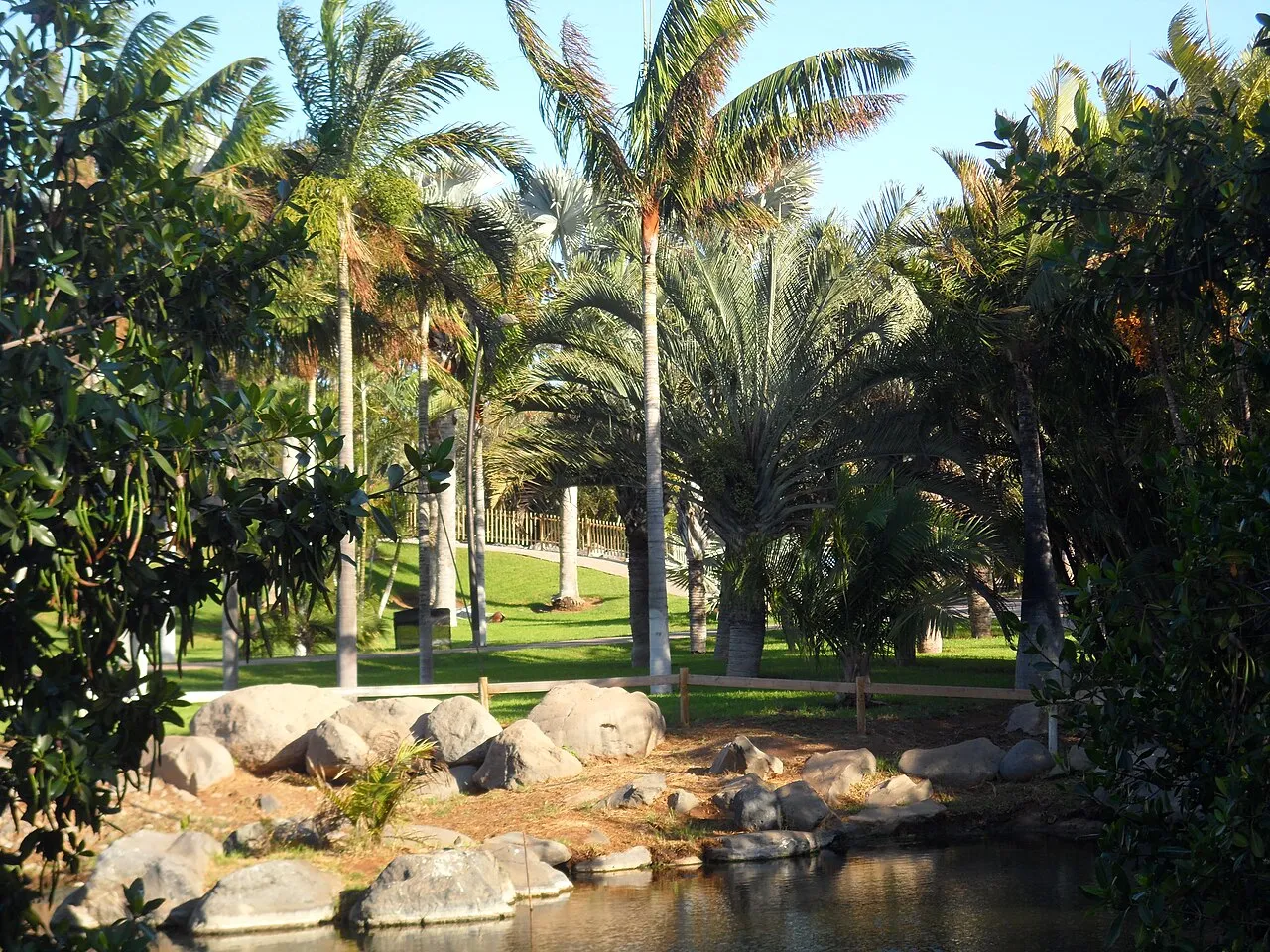
Twelve hectares of tropical palms from all over the planet, more than four hundred species arranged by continent. The remarkable thing is what lies underneath: this hill was the city's municipal rubbish tip. It was sealed, planted, and in 2014 it opened as one of the great gardens of Europe.

🎧 The Auditorium, the Palmetum and the seafront📍 View on Google Maps
7Market of Nuestra Señora de África

Market of Nuestra Señora de África

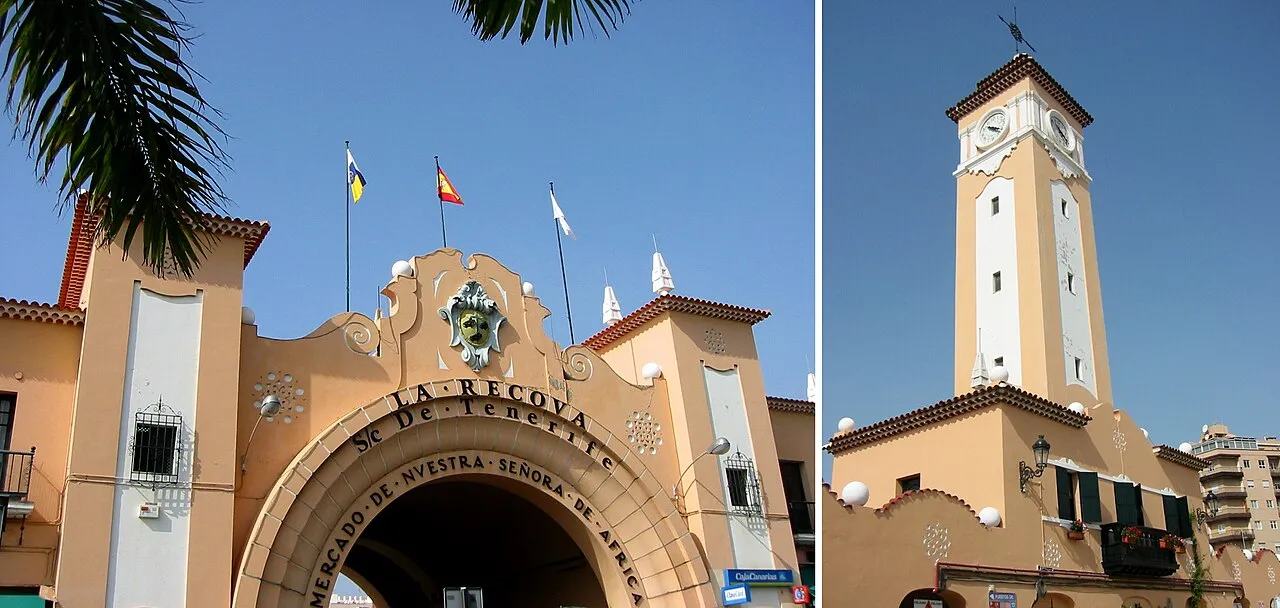
Here everyone calls it La Recova. Neocolonial of 1944, with a great entrance arch, a Mudéjar clock tower and a central courtyard full of light surrounded by galleries. A British newspaper placed it among the ten best markets in the world, and it was not exaggerating by much.

🎧 García Sanabria Park and the África Market📍 View on Google Maps
8Masonic Temple

Masonic Temple

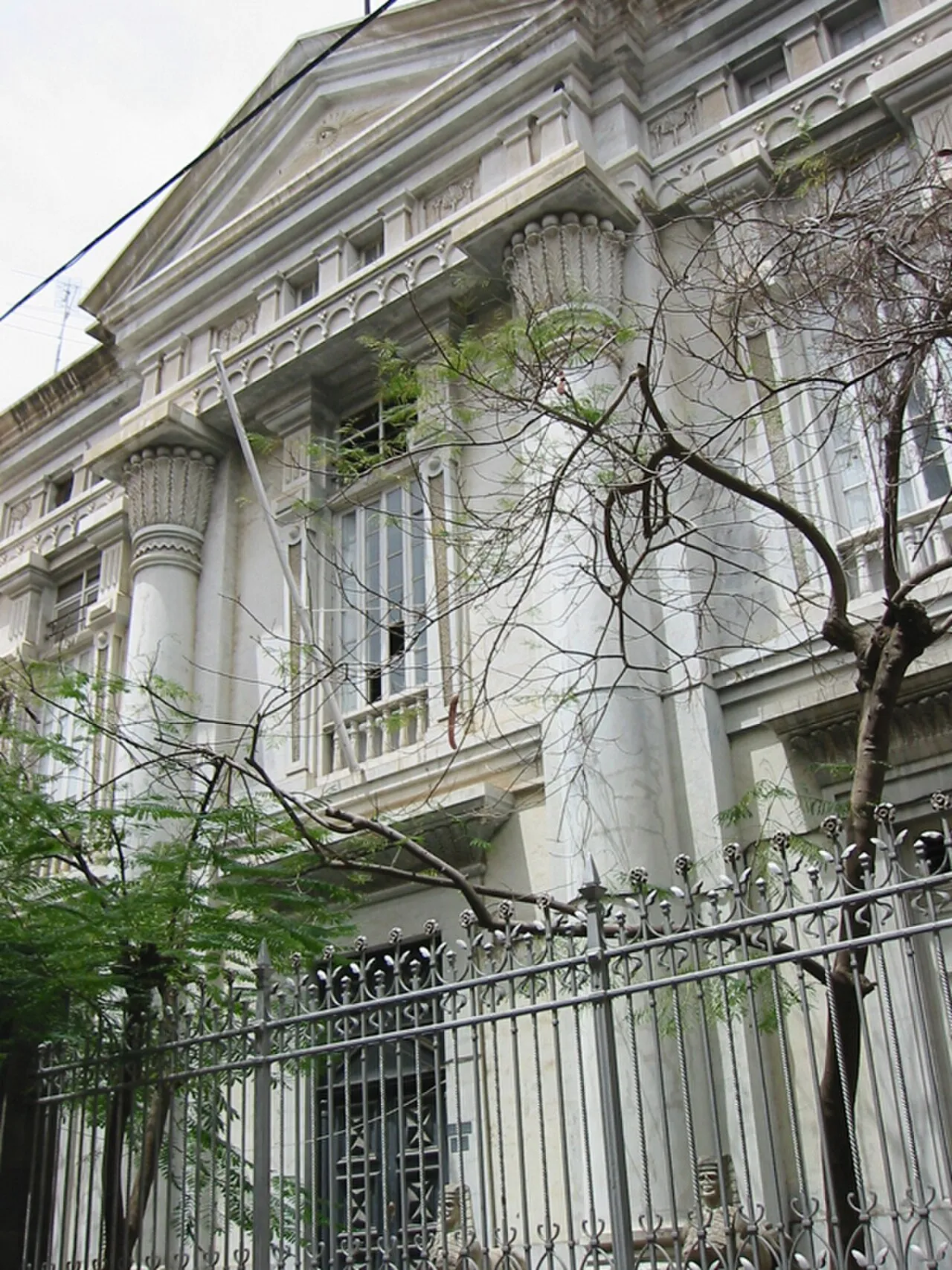
The largest Masonic centre that ever existed in Spain, raised from 1900 for the Añaza lodge. Sphinxes, Egyptian columns and geometry loaded with meaning on the façade. It was occupied after the Civil War, its symbols torn off, and spent decades closed before reopening.

🎧 Plaza de España, La Concepción and the centre📍 View on Google Maps
9Tenerife Espacio de las Artes

Tenerife Espacio de las Artes

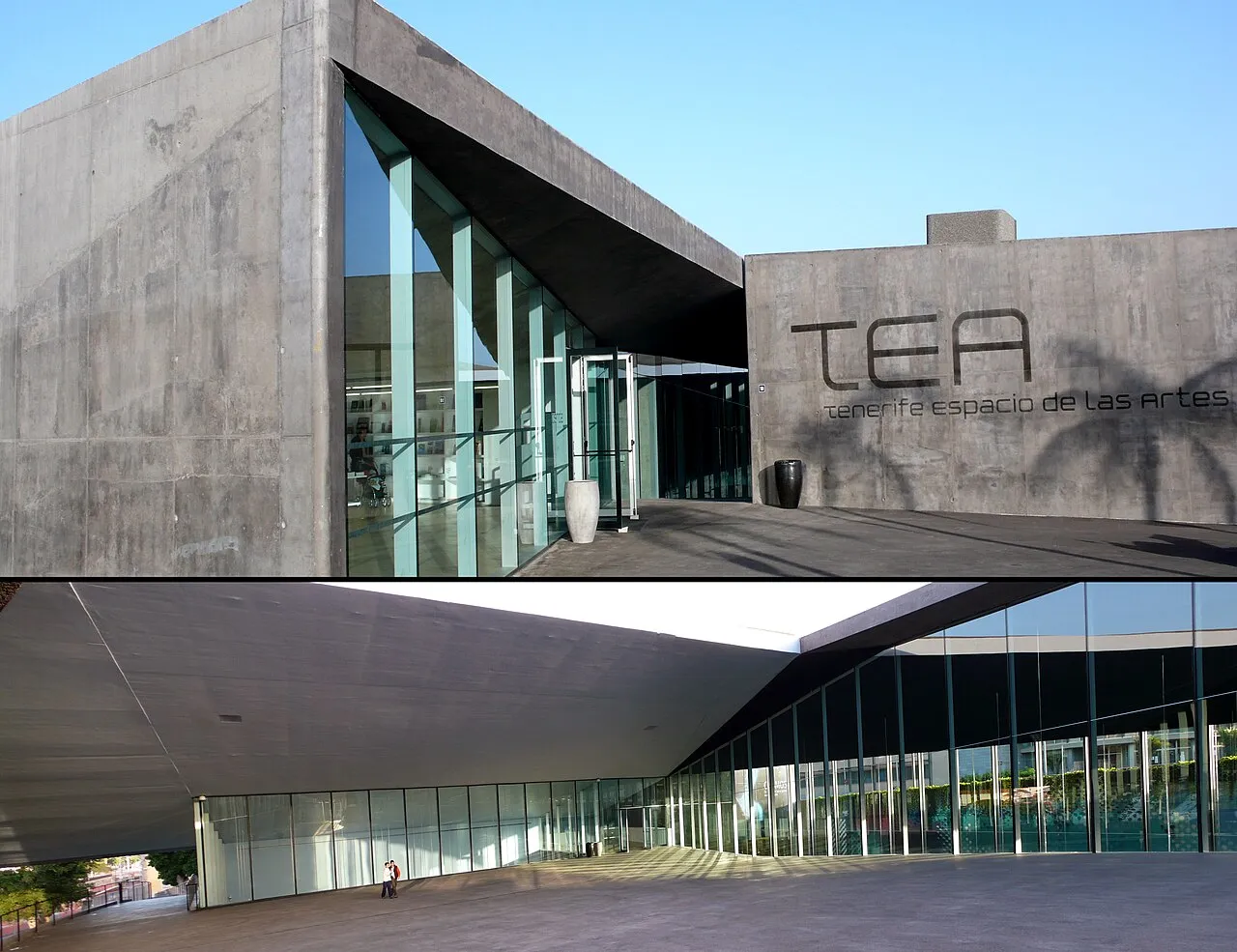
Concrete and light on the banks of the ravine, by Herzog and de Meuron with Virgilio Gutiérrez, inaugurated in 2008. It holds the finest collection in the world of Óscar Domínguez, the Tenerife surrealist who made his name in the Paris of Breton and Picasso, and who invented decalcomania.

🎧 Plaza de España, La Concepción and the centre📍 View on Google Maps
10Carta Palace

Carta Palace

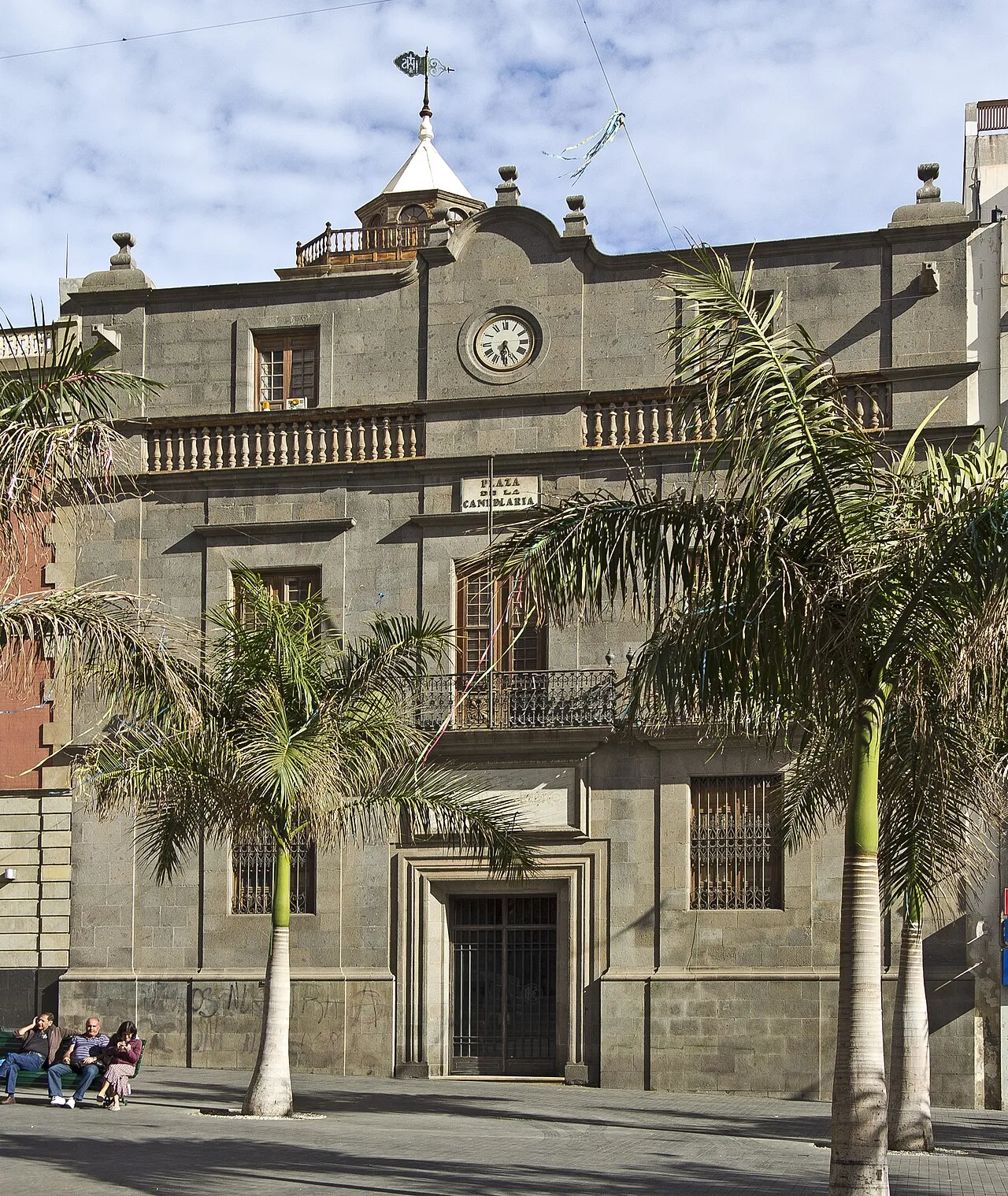
The finest Baroque civil architecture preserved in the Canaries, built between 1721 and 1752. Its treasure is the inner courtyard of tea wood, the resinous heart of the Canary pine, so immune to damp that it has stood intact for three centuries. The city's first protected building, in 1947.

🎧 Plaza de España, La Concepción and the centre📍 View on Google Maps
11Guimerá Theatre

Guimerá Theatre

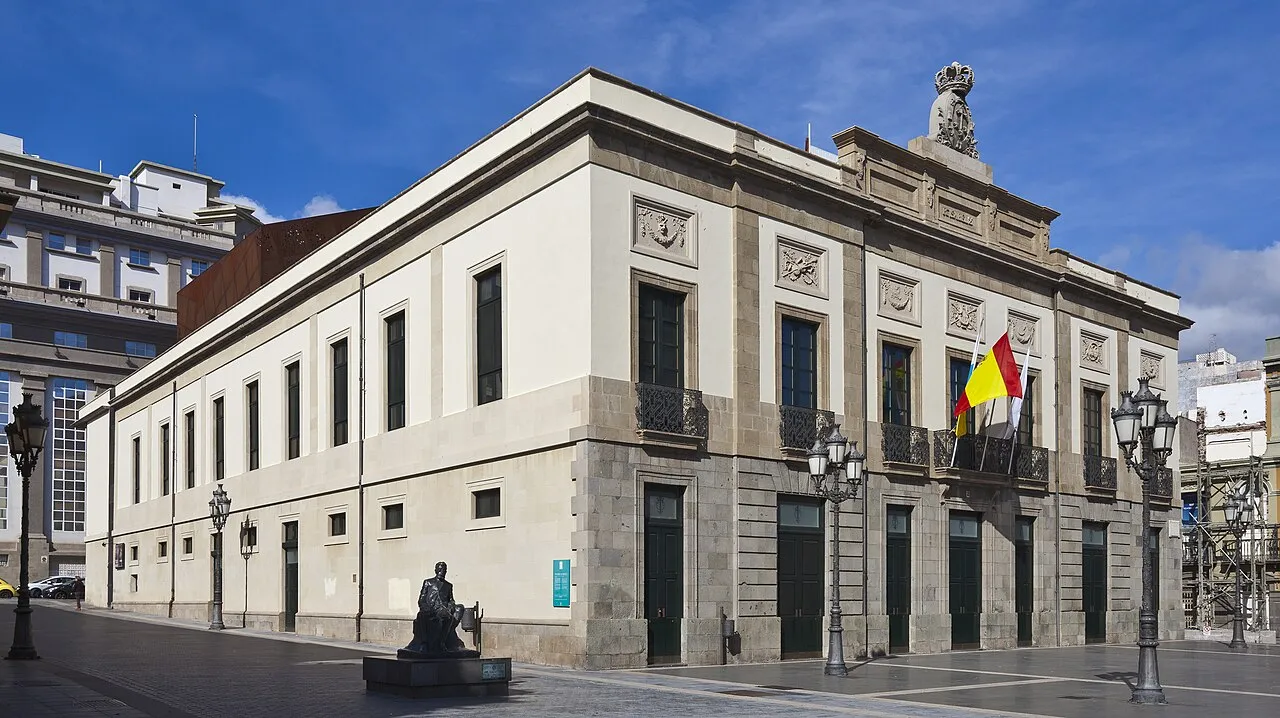
The oldest theatre in all the Canary Islands, opened in 1851 on the garden of a Franciscan convent. A complete Italian-style theatre: horseshoe auditorium, stalls, tiers of boxes and chandeliers. It bears the name of a playwright born a few steps away and proposed for the Nobel.

🎧 Plaza de España, La Concepción and the centre📍 View on Google Maps
12César Manrique Maritime Park

César Manrique Maritime Park

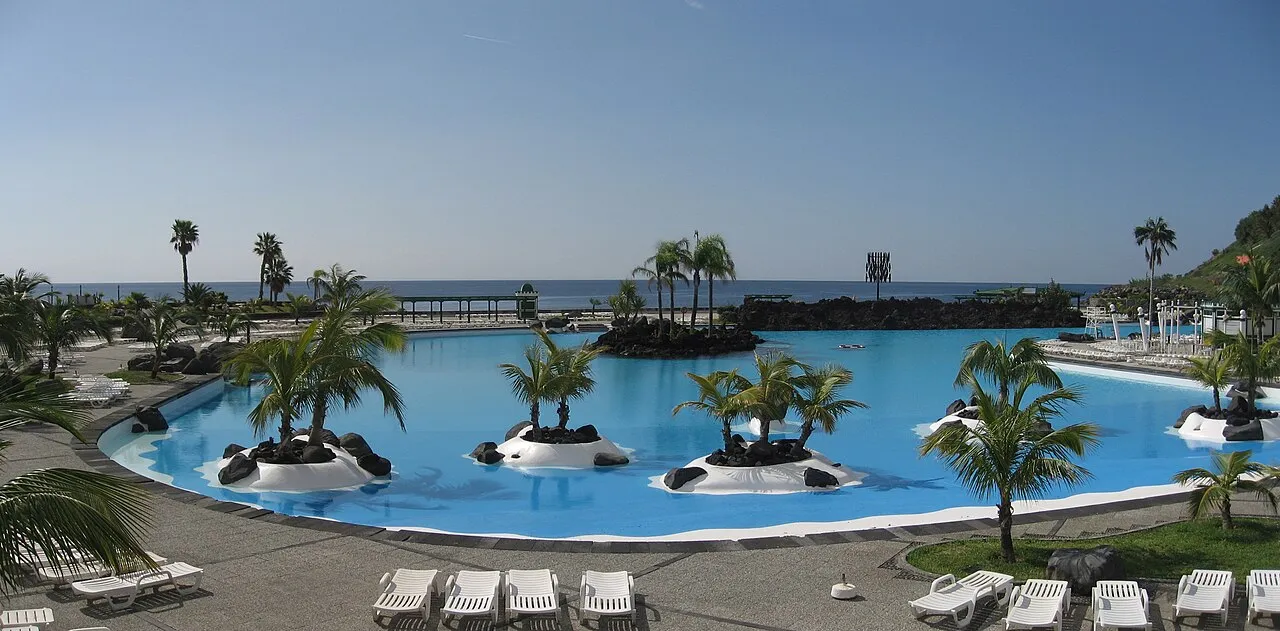
Salt-water pools, waterfalls and black volcanic rock where the city bathes all year round. It was designed by César Manrique, the artist who taught the Canaries to build with the landscape rather than against it, and who died in 1992 without seeing it: it opened in 1995.

🎧 The Auditorium, the Palmetum and the seafront📍 View on Google Maps
13Canary Islands Military History Museum

Canary Islands Military History Museum

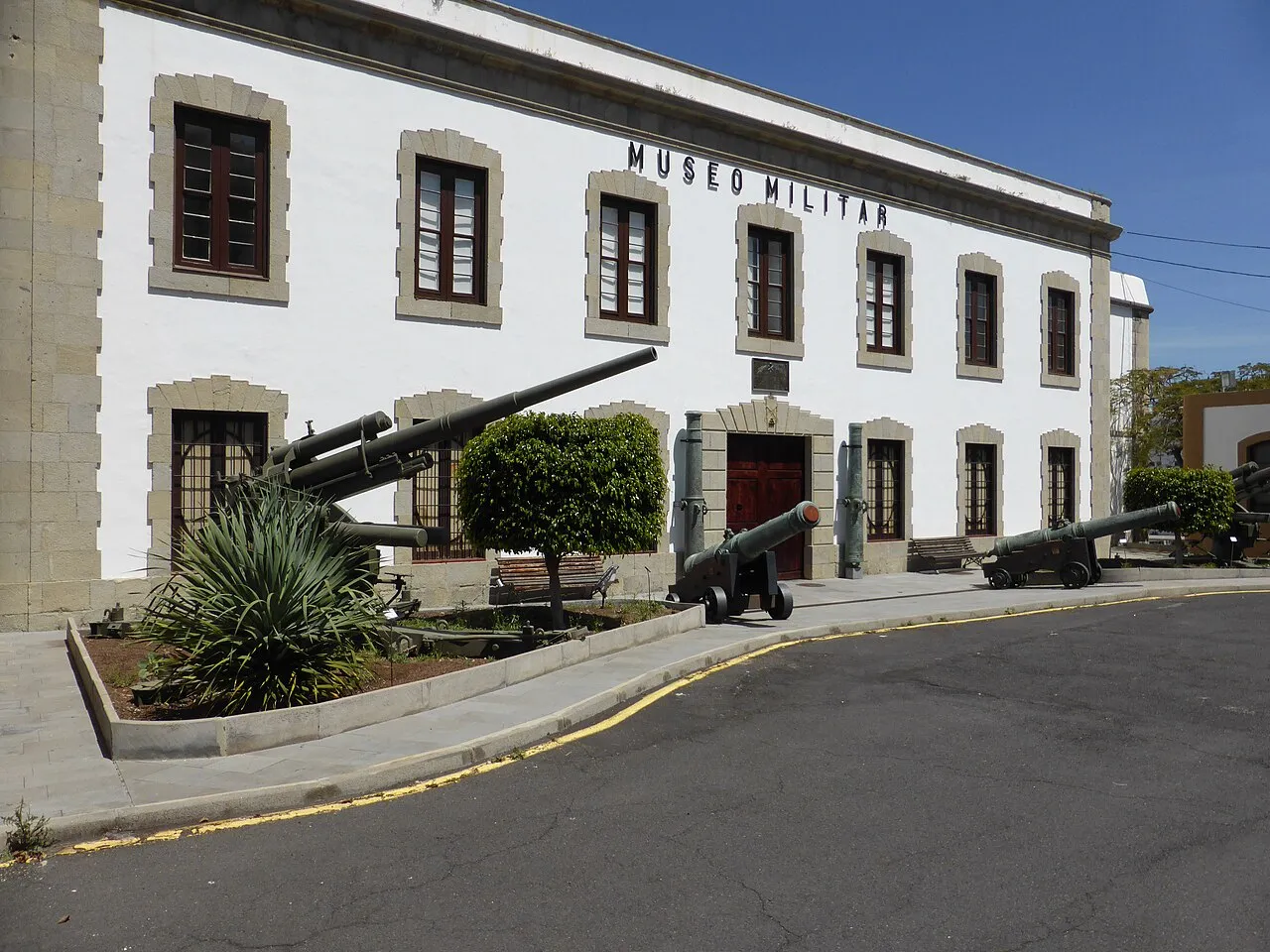
In the Almeyda Fort, and here is the other piece claiming the shot at Nelson. The best part is what happened after the battle: the defeated admiral sent general Gutiérrez beer and a cheese thanking him for the treatment of his wounded, and Gutiérrez replied with Canary wine.

🎧 García Sanabria Park and the África Market📍 View on Google Maps
14Santa Cruz Towers

Santa Cruz Towers

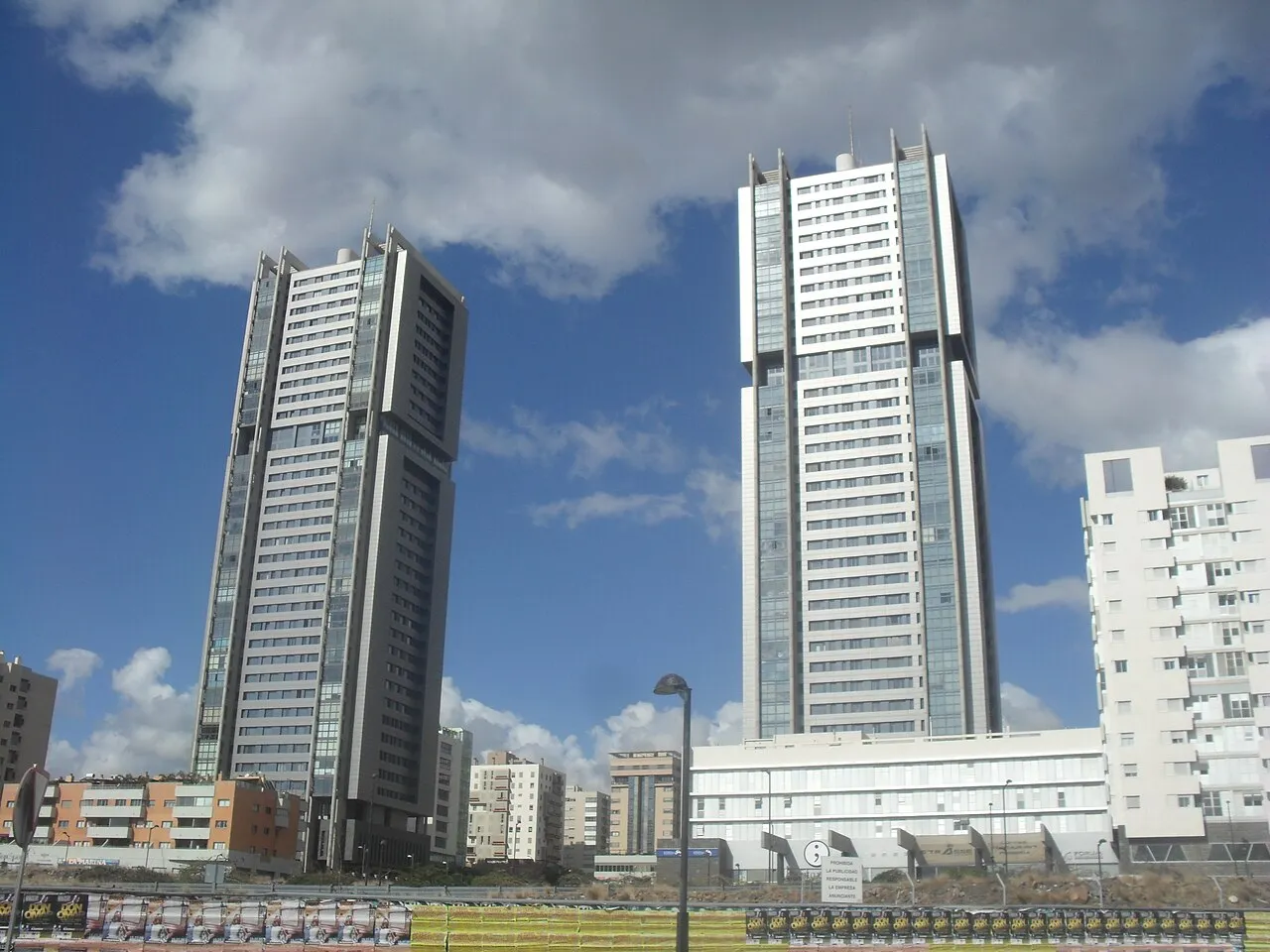
One hundred and twenty metres without counting the aerial: the tallest twin towers in Spain, six above the KIO towers in Madrid. For years they were the tallest residential building in the country. In 2005, still under construction, storm Delta tore off part of their metal cladding.

🎧 The Auditorium, the Palmetum and the seafront📍 View on Google Maps
15Tenerife Exhibition Centre

Tenerife Exhibition Centre

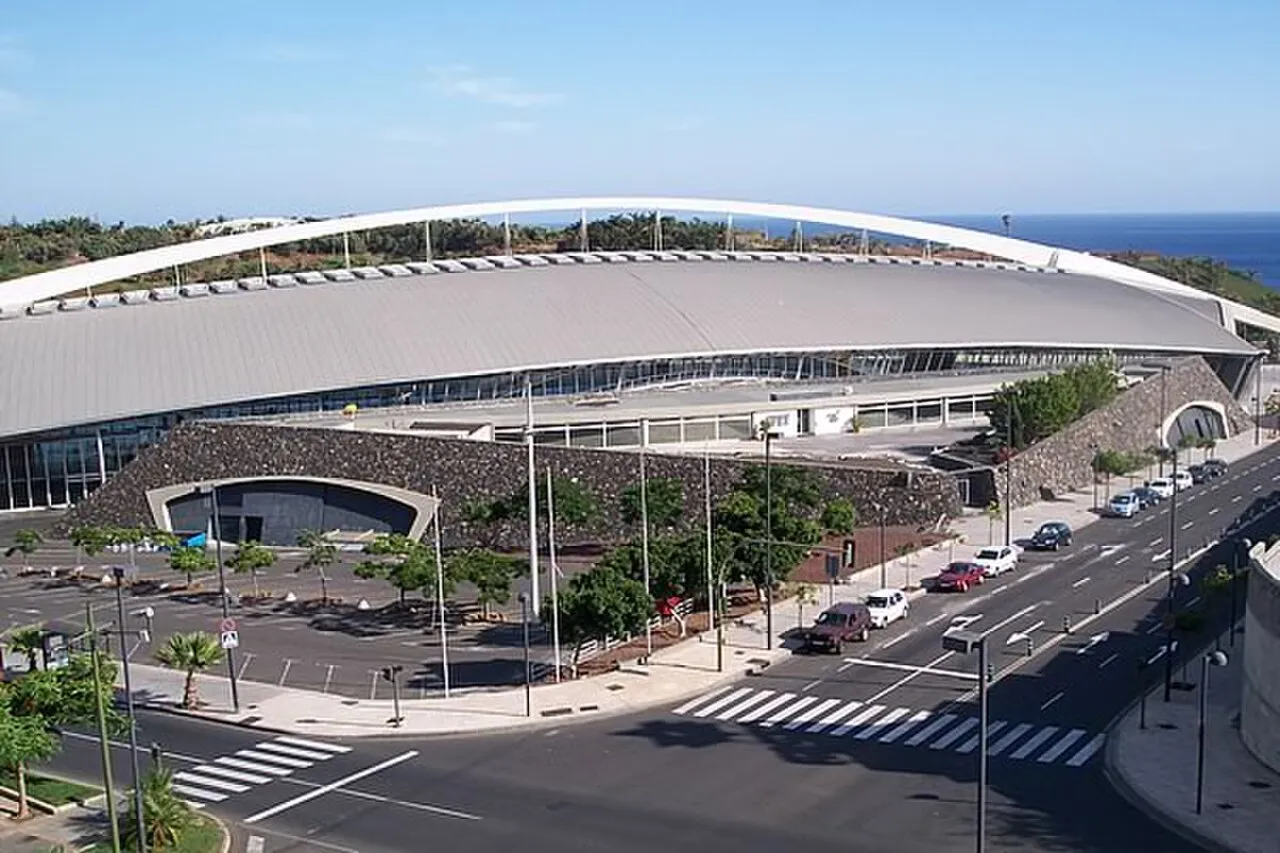
Calatrava's first work in the city, seven years before the Auditorio: it was inaugurated in May 1996. Its upper hall occupies some twelve thousand square metres without a single pillar in the middle, the largest covered space in the archipelago. This is where the Carnival takes shelter when it rains.

🎧 The Auditorium, the Palmetum and the seafront📍 View on Google Maps

Walking tours in Santa Cruz de Tenerife

🎧 García Sanabria Park and the África Market · Plaza de España, La Concepción and the centre · The Auditorium, the Palmetum and the seafront

Frequently asked questions

Is Santa Cruz de Tenerife worth stopping in?

Far more than its reputation as a city you pass through would suggest. It has Calatrava's Auditorio, a sixteenth-century fortress open to visitors beneath the main square, the largest Masonic temple there was in Spain, the biggest urban garden in the Canaries and a botanical garden built on the old rubbish tip. A long day covers all of that on foot.

How many days do you need?

A full day lets you see the historic centre in the morning — Plaza de España, the buried castle, the Palacio de Carta, La Concepción and the TEA — and the seafront in the afternoon, with the Auditorio, the Maritime Park and the Palmetum. With two days the Parque García Sanabria, the market and the Masonic Temple also fit in without hurrying.

What has Nelson to do with Santa Cruz?

In the early hours of 25 July 1797 admiral Horatio Nelson tried to take the city and failed, losing his right arm to a cannon shot. It was one of the very few defeats of his career and it gave Santa Cruz the title of «Invicta». The story is told in the castle beneath the Plaza de España and at the Military History Museum.

When is the Santa Cruz Carnival?

In February, although the exact dates vary each year with the calendar. It is considered one of the largest carnivals in the world, twinned with that of Rio de Janeiro, and was declared a Festival of International Tourist Interest in 1980. If you travel in those dates, the city is completely transformed and accommodation has to be booked far in advance.

Why are people from Santa Cruz called chicharreros?

After the chicharro, an abundant and cheap fish that was the staple of the diet of the city's fishermen. It began as a jibe from neighbouring La Laguna, then the capital and the aristocratic city, and the people of Santa Cruz ended up adopting it with pride, which is the usual fate of well-aimed nicknames.

Can you walk everywhere?

Practically, yes. The historic centre is compact and the seafront is covered by a flat, continuous promenade, although from the centre to the Palmetum is a fair stretch. The city also has a tram and a dense network of guaguas, which is what buses are called here. The only thing that demands a climb is going up to the Parque García Sanabria.
Santa Cruz de Tenerife on the map

The 15 must-sees, point by point.

🎧 With Viavoy

Walk Santa Cruz de Tenerife and listen at your own pace

Download Viavoy and walk Santa Cruz de Tenerife offline, whenever you like.

from 2,99 €· one-off payment
City Pass · 9,99 €3 days, all the tours in Santa Cruz de Tenerife
Find out more about Viavoy →
Viavoy app

In the Magazine

Keep discovering Santa Cruz de Tenerife

Architecture

Contemporary architecture in Santa Cruz: two Calatravas, two Herzog & de Meurons and one Manrique

Festivals

Carnival in Santa Cruz de Tenerife: what it is, when it is and how to live it without getting lost

Food & drink

Eating in Santa Cruz de Tenerife: papas arrugadas, mojos, gofio and why none of this is mainland cooking

History

The night Nelson lost an arm in Santa Cruz: the Gesta of 25 July